Fish
Fish Fire
Fire Hike
Hike Bird
Bird

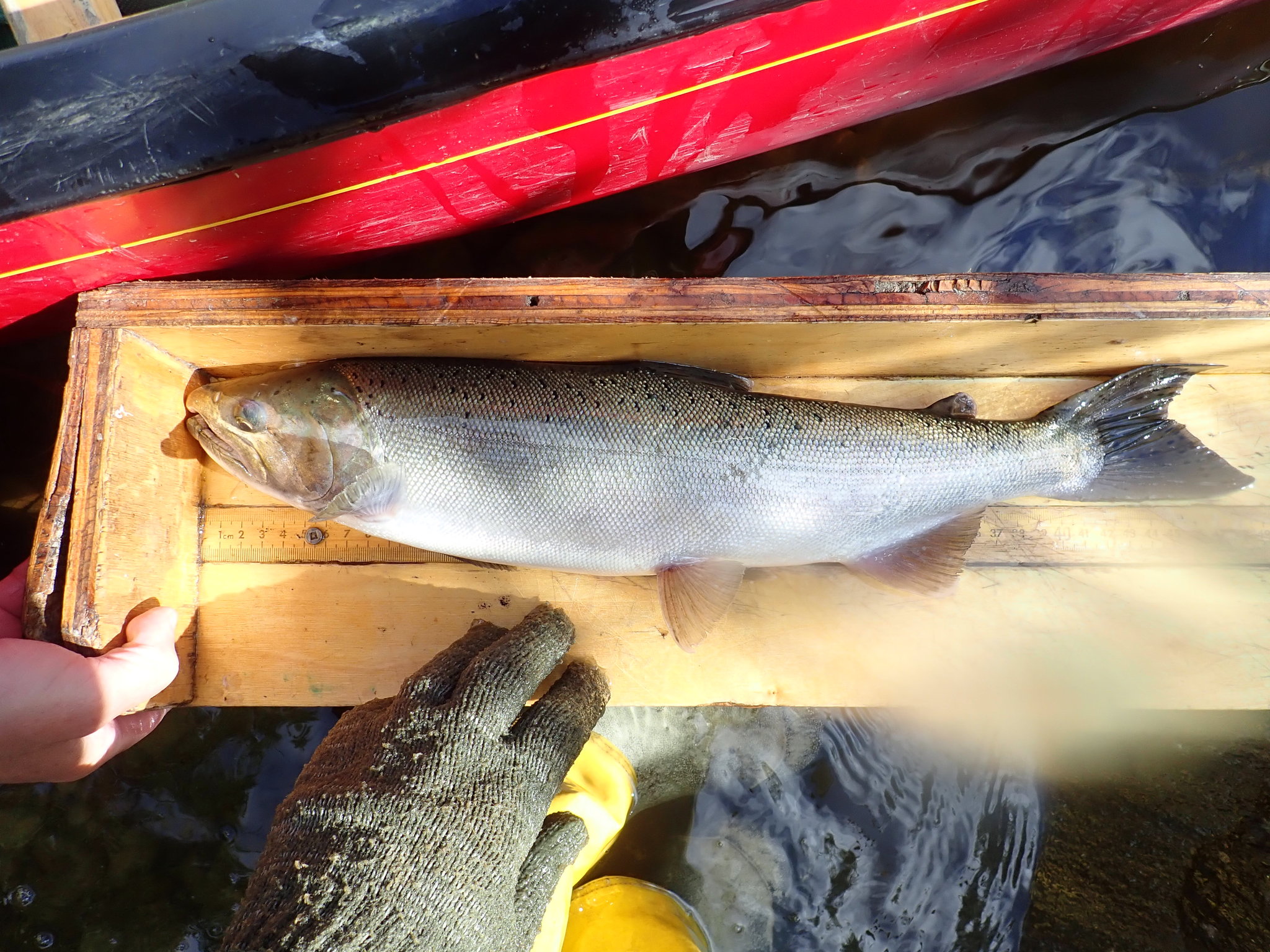

If the king salmon is the heavyweight, the coho is the showman. Coho, "silvers", are the acrobatic, aggressive, lure-crushing members of the salmon family, and for many anglers they're the most fun of all the Pacific salmon to catch. Where a river king often has to be coaxed with drifted roe, a coho will chase down and hammer a twitched jig or a flashing spinner with jaw-dropping aggression, then go cartwheeling across the surface when hooked. Coho are pursued in the ocean, the Great Lakes, the estuaries, and up the rivers, and they're a perfect target for the angler who loves to actively cast lures rather than soak bait. This guide covers what makes coho tick, and every core technique, with step-by-step instruction, to catch a silver.
Coho are cousins of the king and the steelhead, see our guides on how to catch chinook salmon and how to catch steelhead.
The Acrobatic Silver
The coho salmon (Oncorhynchus kisutch) is a medium-sized Pacific salmon, bright chrome-silver in the ocean and lake and turning brick-red with a green head as it spawns. Two ID keys separate it from a king: coho have small black spots only on the upper lobe of the tail (kings are spotted on both lobes) and white or gray gums at the base of the teeth (a king's gums are black). Most coho run 6 to 12 pounds, a fraction of a big king, but they punch well above their weight, famous for wild, jumping, drag-peeling fights.
Coho share the salmon life cycle, hatch in fresh water, grow at sea (or in the Great Lakes), and return to spawn once and die, but they have a personality all their own: they stay aggressive even after entering fresh water, far more willing to chase and strike lures in the river than kings are. Native to the Pacific and, like chinook, stocked throughout the Great Lakes, coho offer fast, exciting, hardware-friendly fishing wherever they run.
Why Coho Are the Angler's Salmon
The defining trait of coho is aggression. In the ocean and lake they're active, schooling predators that chase bait near the surface. And crucially, unlike kings, coho retain their aggressive, predatory nature well into their freshwater run, a fresh silver in a river or estuary will attack a lure out of what looks like pure temper. This is why coho are the salmon most associated with casting lures and twitching jigs, and why they're such a blast: you're actively working baits and getting reaction strikes, not just dead-drifting bait and waiting.
Coho also love bright colors, pink, orange, chartreuse, and cerise are money coho colors across lures and jigs. And they tend to hold in softer, slower water than kings in the river (backwaters, frog water, soft inside seams, and estuary edges), which is exactly the water that twitching jigs and casting cover so well. Fish aggressively, use bright colors, and target the soft water, and coho will reward you.
The Techniques That Catch Coho Salmon
Coho are the ultimate lure-casting salmon, but they're caught trolling and float fishing too. Here are the core methods, how to fish each, and when to use it.
Twitching Jigs, the coho signature
If one technique defines coho fishing, it's twitching jigs, and there may be no more exciting way to catch a salmon. A twitched jig draws savage, visible strikes from aggressive silvers.
How to fish it: Cast a heavy marabou jig (3/8 to 1/2 oz, in pink, orange, black, or cerise) into soft holding water, backwaters, frog water, soft seams, and estuary edges, and work it with a sharp, rhythmic twitch-and-drop of the rod tip, letting the jig fall on a semi-slack line between twitches. The pulsing, darting marabou triggers reaction strikes, most often as the jig falls, so stay ready and set hard when the line jumps or goes tight. Twitching is hands-on, addictive, and devastating on coho.
How to Twitch Jigs for Coho SalmonCasting Spinners and Spoons, flash they can't resist
Coho's aggression makes them ideal targets for casting spinners and spoons, which cover water and provoke reaction strikes from fresh, chrome fish.
How to fish it: Tie on a bright inline spinner (a Blue Fox Vibrax or Mepps) or a spoon (a Little Cleo or BC Steel) in pink, chartreuse, or silver, cast across and slightly upstream (or fan-cast an estuary or tidewater), and retrieve it at a steady pace so the blade throbs or the spoon wobbles through the holding water. Coho often crush it on the swing or the retrieve. Cover water with a fan of casts, and when you find aggressive fish, the action can be fast and furious.
Spoon Fishing for Coho SalmonFloat Fishing, jigs and roe through the run
Float fishing a jig or roe suspends the offering at the right depth and drifts it through coho holding water, showing every bite, deadly and popular in the rivers.
How to fish it: Below a float, set a jig (marabou or a soft-bead/roe combo) to ride just off the bottom, and trot it drag-free through soft slots, tailouts, and holding water at current speed. Bright pink and orange jigs shine for coho. Watch the float and set when it dips or shoots under. Float fishing lets you present a bait cleanly and precisely through the soft water coho favor, and it's one of the most effective river tactics for silvers.
Float Fishing Jigs for SalmonTrolling, ocean and Great Lakes silvers
In open water, trolling covers the surface-oriented, schooling coho and is the mainstay of ocean and Great Lakes silver fishing.
How to fish it: Troll spoons, hoochies (squid skirts), and flasher-fly combos, often higher in the water column than for kings (coho frequently feed near the surface), at a slightly faster clip (2.5–3.5 mph) that matches their aggressive nature. Use downriggers, divers, or leadcore to reach the depth you're marking fish, and stagger lures. In the Great Lakes, coho often mix with kings and stack near ports and river mouths. Bright colors and a faster troll are the coho keys.
Coho Salmon Trolling TacticsDrift Fishing, a natural presentation on the bottom
Drift fishing roe or a bait/lure combo along the bottom is a classic river technique that also takes plenty of coho, especially where a natural, near-bottom presentation is called for.
How to fish it: On a drift rig with pencil lead or a slinky to tick bottom, present a cluster of cured roe, a Corky/yarn, or a bead on a leader, and cast up and across so it drifts naturally along the bottom through the holding water at current speed. Keep light tension to feel the take, and set when the drift stops. While coho are best known for aggressive lure techniques, a well-drifted bait fools plenty of fish, particularly in colder water or when fish are less aggressive.
Drift Fishing for SalmonEstuary and Tidewater Casting, intercept fresh fish
Coho stage and school in estuaries and tidewater before running up, and casting to these fresh, chrome, aggressive fish is some of the most exciting coho fishing there is.
How to fish it: In the lower, tidal reaches of a river and its estuary, fan-cast spinners, spoons, and twitching jigs to schools of staging coho, working the tide changes (often best on the incoming and high tide) around channels, drop-offs, and current edges. These fresh saltwater fish are at their most aggressive and hardest-fighting, and a school moving through on a tide can produce fast action. It's a favorite way to intercept silvers at their chrome-bright best.
Chasing Trophy Coho in TidewaterGreat Lakes Piers and Shore, coho for everyone
In the Great Lakes, coho run the tributaries and stack near piers and harbors, offering superb, accessible shore fishing, no boat required.
How to fish it: From piers, breakwalls, and harbor mouths (especially in spring and fall), cast spoons, spinners, and jigs, or fish spawn sacs or skein under a float, for coho cruising the shoreline and staging to enter the rivers. Early morning and low light are prime. It's one of the most accessible ways to catch a salmon in the Midwest, and coho's aggression makes them a great pier target. Follow local pier and salmon regulations.
How to Catch Coho Salmon from a PierWhen to Go
Coho are primarily a fall-run fish. In the ocean, they feed and are caught through summer into fall. The fall run, coho pushing into the estuaries and up the rivers, roughly September through November depending on the system, is the prime river and estuary season, when fresh, aggressive silvers flood in. In the Great Lakes, coho are caught trolling spring through summer and stack at piers and run the tributaries in fall. As with all river salmon, conditions matter: a river dropping and clearing after rain, with some color, gets fresh fish moving and biting. Target the fall run with lures and jigs for the best coho fishing of the year.
Reading Coho Water
Coho hold in different water than kings, and knowing where to look is half the battle, especially for the twitching-jig and casting techniques that make coho so fun. While kings often sit in the deeper, heavier holding water, coho prefer softer, slower spots. Target the frog water and backwaters along the edges of the main current, soft inside seams and tailouts, slack pockets behind and beside structure, and the quiet edges of estuaries and tidewater. These calm, coho-friendly spots are exactly the water a twitched jig or a cast spinner fishes best.
In the lower river and estuary, coho school and move with the tides, often stacking up on an incoming or high tide around channel edges, drop-offs, and current breaks before pushing upriver. Time your estuary fishing to those tide changes. And because coho are aggressive and willing to move for a lure, you can cover water quickly: fan-cast a likely soft-water spot, and if fresh silvers are home, they usually let you know in a hurry. Learn to spot the soft holding water, and you'll know exactly where to throw.
Fighting the Acrobat
Pound for pound, few fish fight like a fresh coho. Hook one and it will run, shake, and, most famously, launch itself clear of the water in wild, twisting jumps. Those acrobatics are thrilling, but they're also where coho are lost, because a jumping fish can throw a hook or put slack in the line. Keep steady pressure and a tight line throughout the fight, and when a coho jumps, keep the rod loaded and be ready to reel down and recover any slack the moment it lands.
Don't try to horse a green coho to the net, let it make its runs and jumps against a properly set drag, and it'll tire soon enough given their smaller size. Keep the fish out of downstream snags in a river, have a net ready, and net it head-first once it's played out. If you're releasing a wild fish, keep it in the water, handle it minimally, and revive it before letting go. A leaping, chrome-bright silver on the end of your line is one of fishing's pure joys, fight it well and enjoy every jump.
Gear for Coho Salmon
Coho gear is lighter and more lure-focused than king gear:
- Casting combo: A 8-foot to 9-foot medium or medium-heavy rod with a spinning or baitcasting reel is ideal for twitching jigs and casting spinners and spoons, the coho angler's primary tool.
- Float combo: A longer float rod with a baitcasting or float reel for float fishing jigs and roe.
- Trolling combo: A medium trolling rod with a line-counter reel for the salt and Great Lakes.
- Line: 12- to 20-lb monofilament or braid with a mono/fluoro leader, matched to the water.
- Terminal tackle and lures: Bright marabou twitching jigs, inline spinners, and spoons (pink, orange, chartreuse, cerise, silver), floats and jig/roe setups, plus trolling spoons and flashers cover every technique above.
Great Eating, Handled Right
Coho are excellent on the table, clean, rich, orange fillets, best from bright ocean or Great Lakes fish (quality drops as river fish darken and mature). As with all salmon, fisheries are carefully regulated: know and follow your water's rules, including where only fin-clipped hatchery coho may be kept and wild fish must be released, plus seasons, limits, and gear restrictions. Handle wild fish gently and release them quickly. Responsible harvest keeps these acrobatic silvers running strong.
Putting It All Together
Coho fishing rewards the angler who knows the runs, the soft holding water, and the tides. Time your trip to the fall run, when fresh, aggressive silvers flood the estuaries and rivers, and lean on the active techniques that make these fish so fun, twitching jigs through the frog water, casting bright spinners and spoons, and floating jigs and roe through the soft slots. Scout the calm inside seams, backwaters, and tidewater edges where silvers hold, watch a river drop and clear after rain, and be ready to cover water until you find aggressive fish. Dial in the timing and the water, and coho will hand you some of the most action-packed, acrobatic fishing of the year.