Fish
Fish Fire
Fire Hike
Hike Bird
Bird

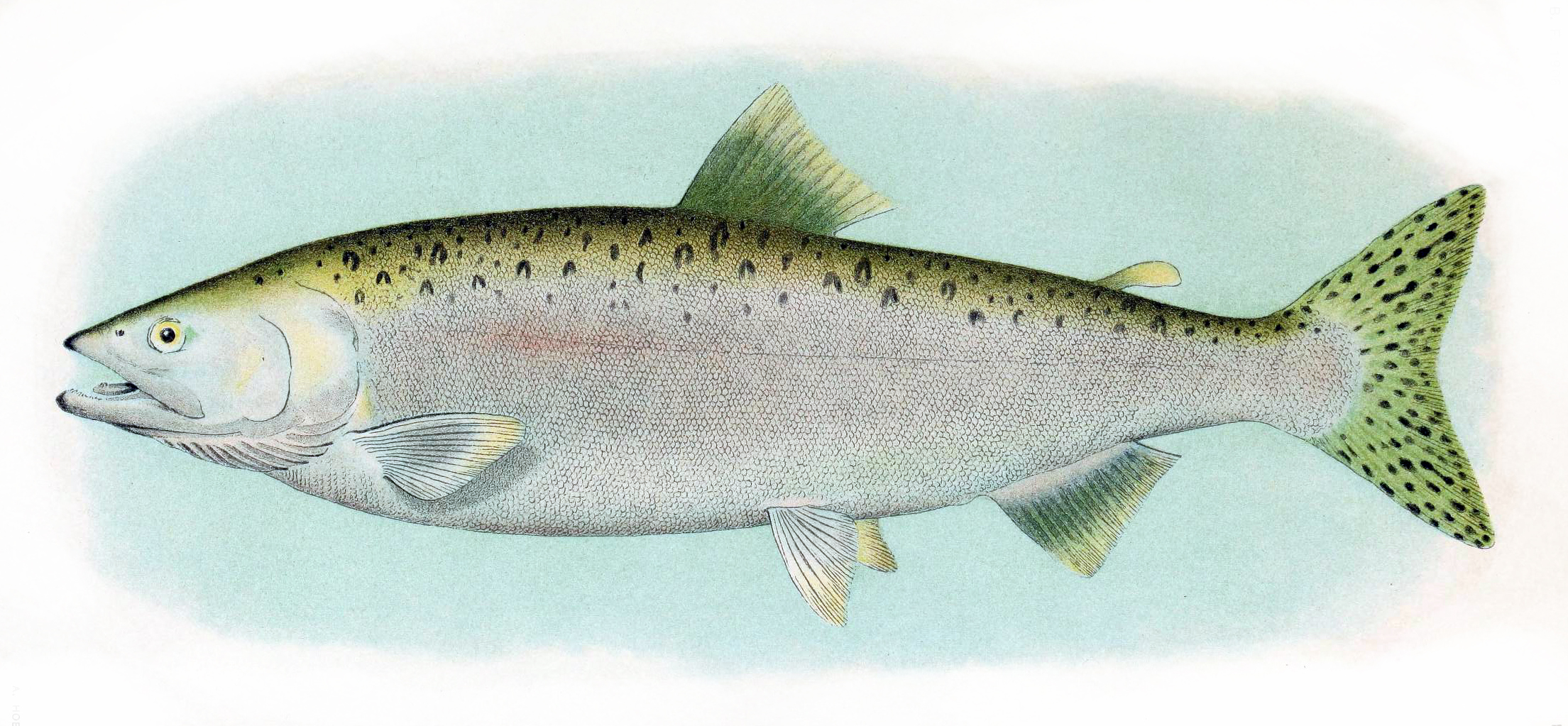

The pink salmon is the smallest and most abundant of the Pacific salmon, and when the run is on, it delivers some of the most fun, fast-paced, accessible salmon fishing anywhere. Nicknamed the "humpy" for the dramatic humped back the males develop at spawning time, pink salmon return from the ocean in staggering numbers, flooding the rivers and beaches of the Pacific Northwest, British Columbia, and Alaska (and, thanks to introductions, the Great Lakes). They're not big, a typical pink runs 3 to 5 pounds, but they make up for it with sheer abundance and willingness, providing fishing so fast and so simple that it's perfect for kids, beginners, and anyone who just wants to bend a rod again and again. When the humpies show up, it's a party.
The beauty of pink salmon fishing is its simplicity: find the run, throw something pink, and hang on. These fish are aggressive biters that respond to a small handful of easy techniques, and you can catch them from a boat, a river bank, or a saltwater beach with minimal gear. This guide covers the pink salmon's unique life cycle, where and when to find them, and the pink lures and flies that make them so much fun to catch.
Understanding the Pink Salmon
The pink salmon (Oncorhynchus gorbuscha) is easy to recognize: a small, silvery salmon with very fine scales, a white belly, and, the clincher, large, oval black spots on the tail and back. Ocean-fresh ("chrome") pinks are bright silver; as they enter fresh water and approach spawning, they darken, and the males develop the pronounced humped back and hooked jaw (kype) that earn them the "humpy" nickname. They're the smallest Pacific salmon, typically 3 to 5 pounds, occasionally larger.
The pink salmon's most remarkable trait is its rigid two-year life cycle. Nearly every pink salmon lives exactly two years, hatching, going to sea, returning to spawn, and dying on a fixed schedule. This creates genetically separate odd-year and even-year runs that don't interbreed, and it means a given river often has a giant run in one year and few or no pinks the next. In much of Washington and southern British Columbia, the famous runs are odd years (the fish return in huge numbers in odd-numbered years), while other areas run on even years or both. Knowing whether your target water has an odd-year or even-year run, and when, is the single most important piece of pink salmon planning.
How to Catch Pink SalmonThe Magic of Pink: Lures and Colors
Here's the not-so-secret secret of pink salmon fishing: they love the color pink. For reasons anglers happily exploit, pink (and to a lesser extent chartreuse, orange, and red) is far and away the most effective color for humpies. The classic pink salmon lure lineup is simple and deadly:
- Pink jigs, a small pink marabou or plastic jig, fished under a float or cast and retrieved, is arguably the single best pink salmon producer.
- Pink spoons and spinners, small casting spoons and inline spinners in pink or pink-and-silver, cast and retrieved through the fish.
- Pink Buzz Bombs and darts, jigging lures (a Northwest staple) worked with a lift-drop that pinks crush.
- Pink hoochies and small squids, often trolled or drifted, deadly in saltwater and estuaries.
Whatever the lure, if it's pink, you're in business. Keep your presentations small (pinks have small mouths) and put them in front of the fish, and the willing humpies will do the rest.
Spinners and Spoons for Chrome Pink SalmonFishing the Rivers
When pink salmon push into the rivers on their spawning run (typically late summer), they provide fantastic, accessible bank and boat fishing. The fish move upstream in waves and hold in pools, runs, and along current seams and soft edges where they rest. The go-to river technique is float fishing a pink jig, suspend a small pink jig under a float and drift it through the holding water at the right depth, and watch the float go down. Casting and retrieving pink spoons, spinners, and Buzz Bombs through the same water is equally effective. Because pinks run in such numbers and hold in predictable spots, a productive run or pool can produce fish after fish. Target the traveling and resting fish in the softer water, keep your offering pink and in their face, and be ready for nonstop action when a fresh wave moves through.
Fishing a River Full of Pink SalmonBeach and Saltwater Fishing
One of the most fun and family-friendly ways to catch pinks is from the saltwater beach. As the runs stage and migrate toward their home rivers, pink salmon cruise the shorelines and estuaries of places like Puget Sound within easy casting range of the beach. Anglers line up along productive beaches and points and cast small pink spoons, spinners, Buzz Bombs, and jigs, retrieving them through the passing schools. It's simple, social, and incredibly productive when the fish are in, chrome-bright ocean pinks fresh from the salt, hooked from shore with light gear. Beach fishing for pinks is a beloved Northwest tradition and one of the easiest ways to get into salmon fishing without a boat.
Beach Fishing for Pink SalmonFly Fishing for Pinks
Pink salmon are a wonderful fly-rod target, abundant, aggressive, and eager to eat a fly, they're often called the perfect saltwater fly-fishing salmon for beginners. The approach is exactly what you'd expect: fish something pink. Small pink Clousers, pink streamers, and pink marabou or crystal flies stripped through the fish in the estuaries, beaches, and rivers draw eager takes. A 6- to 8-weight rod (single-hand or a switch/spey rod in rivers) with a floating or intermediate/sink-tip line covers most situations. Because pinks travel in such numbers and hit so willingly, fly anglers can enjoy near-constant action during a good run, a fantastic way to learn salmon fly fishing or just have a blast.
Fly Fishing for Pink SalmonThe Perfect Fish for Kids and Beginners
If there's one salmon tailor-made for introducing someone to the sport, it's the pink. When a big run is on, everything lines up in the new angler's favor: the fish are present in enormous numbers, they bite willingly, the technique is simple (throw something pink), the gear is light and inexpensive, and much of the fishing happens from accessible beaches and river banks with no boat required. A child can stand on a Puget Sound beach or a river bar, cast a small pink jig or spoon, and realistically expect to hook fish, sometimes one after another. That near-guaranteed action, at a modest size that a kid can actually fight and land, makes pink salmon one of the very best fisheries for building excitement and confidence in new anglers. Add in the social, festival-like atmosphere of a good pink run, with anglers lined up and fish flying, and it's hard to beat for a fun family outing. Bring extra pink lures (you'll lose some), keep expectations realistic about the odd/even cycle, and let the abundance of the humpy run do the rest.
Reading a Pink Salmon Beach
Beach fishing for pinks looks simple, and it is, but a little water-reading dramatically improves your catch. Pink salmon migrating along a saltwater shoreline follow predictable travel lanes and pinch points, so position matters. Look for points and headlands that jut into the migration path and force fish close to shore, drop-offs and troughs parallel to the beach where fish travel, estuary mouths and creek outlets where fish stage before entering fresh water, and current lines and tide rips that concentrate fish and bait. Tidal movement is a big trigger: an incoming or moving tide often pushes schools within casting range and turns on the bite, while dead-low slack can be slow. Watch the water for rolling, jumping, or finning fish that reveal a passing school, and be ready to cast into them. Early morning and evening low light are prime. Because pinks travel in waves, a beach can be dead one minute and boiling with fish the next, so stay put on a good spot, keep casting, and be ready when the school arrives.
The Great Lakes Pinks
Here's a fun wrinkle: pink salmon aren't just a saltwater story. Introduced accidentally to the Great Lakes in the 1950s, pink salmon established self-sustaining, landlocked runs and now return up tributary streams around the Great Lakes, especially in the upper lakes. These Great Lakes pinks are typically small but provide a fun late-summer and fall stream fishery for anglers far from the Pacific, caught with the same small pink lures, spoons, spinners, and flies. If you live in the Great Lakes region, you may have a pink salmon run closer than you think, check with your state or provincial agency for timing and locations, and enjoy a taste of Pacific-style salmon fishing in the heart of the continent.
Tackle for Pink Salmon
Pink salmon are small, so light-to-medium gear is perfect and makes them a blast:
- Spinning/casting: A light to medium spinning or casting outfit (7–9 feet) with 8- to 15-pound line handles jigs, spoons, spinners, and Buzz Bombs, and lets you enjoy the fight of these modest fish.
- Float fishing: A longer float/centerpin-style rod for drifting pink jigs under a float in rivers.
- Fly: A 6- to 8-weight rod with a floating or intermediate line and pink flies.
- Terminal tackle: Small pink jigs, spoons, spinners, Buzz Bombs, floats, and pink flies, keep it simple and keep it pink.
You don't need heavy or expensive gear for pinks, which is a big part of their appeal, a modest setup and a few pink lures is all it takes to get in on the action.
Timing: When the Humpies Run
Timing is everything with pink salmon, because the run is a relatively brief, cyclical event. Key points:
- The odd/even year cycle rules. First, confirm whether your target water has a pink run this year, many prime waters (much of Washington and southern BC) run on odd years. In an off year, the fish simply aren't there.
- Late summer is prime. In the Lower 48 and southern BC, pink runs generally peak from roughly August into September as fish stage in salt water and push into the rivers; Alaska runs can be earlier in summer.
- Fresh is best. Ocean-bright pinks in the salt and lower rivers bite most aggressively and are far better eating; fish darken and soften as they move up and near spawning.
- Fish the tides (saltwater) and the waves of fish (rivers). In the salt, moving tides concentrate cruising fish along beaches; in rivers, fresh pushes of fish (often on higher water) trigger the best bites.
Are Pink Salmon Good to Eat?
Yes, with a caveat about freshness. Ocean-fresh, chrome pink salmon are good eating, with light, mild, flaky flesh that's excellent grilled, baked, smoked, or canned (pinks are, in fact, the classic canned salmon). The key is to catch and care for them fresh: a bright pink from the salt or lower river, promptly bled and iced, makes a fine meal. As pinks move up the river toward spawning, however, their flesh quickly softens, pales, and loses quality, so they're best kept when chrome and fresh. Because they're so abundant, pinks often have generous limits, check your local regulations, making them a great fish to catch in numbers and take home for the table or the smoker.
Common Pink Salmon Mistakes
- Ignoring the run cycle. Fishing an off-year water is fishing for ghosts. Confirm it's a run year before you go.
- Not fishing pink. Pinks overwhelmingly prefer pink. If you're not getting bit, make sure you're throwing pink and getting it to the fish.
- Lures too big. Pinks have small mouths. Downsize your jigs, spoons, and spinners.
- Keeping dark, spawned-out fish for the table. Pinks lose eating quality fast in fresh water. Keep the fresh, chrome ones.
- Fishing the wrong water in the run. In rivers, target the soft holding water and current seams where traveling pinks rest, not the heaviest current.
Put It All Together
Catching pink salmon comes down to timing and simplicity: confirm it's a run year, show up in late summer when the humpies flood the beaches and rivers, and throw something pink, a jig, spoon, spinner, Buzz Bomb, or fly, right in front of the fish. Fish the saltwater beaches and estuaries on the tides, drift pink jigs through the river holding water, keep your presentations small, and keep the fresh, chrome fish for the table. It's easy, it's fast, and when a big run is on it's some of the most fun and family-friendly fishing in the salmon world, a nonstop bite that keeps everyone smiling.
The pink salmon is one of the Pacific's five salmon, and it often shares its runs and rivers with its cousins. The hard-fighting coho salmon (silver) is a prized, aggressive gamefish that runs a bit later, and the sockeye salmon is the famous red-fleshed salmon of the Pacific. Learn the humpy, and you've got a fast, fun entry into the whole world of salmon fishing.
Ready to get in on the humpy run? It all comes down to timing and location: confirm it's a run year for your water, show up in late summer when the beaches and rivers fill with fish, and put yourself on the points, estuaries, and river holding water where the humpies stage and rest, then throw something pink and hang on for nonstop salmon action.