Fish
Fish Fire
Fire Hike
Hike Bird
Bird

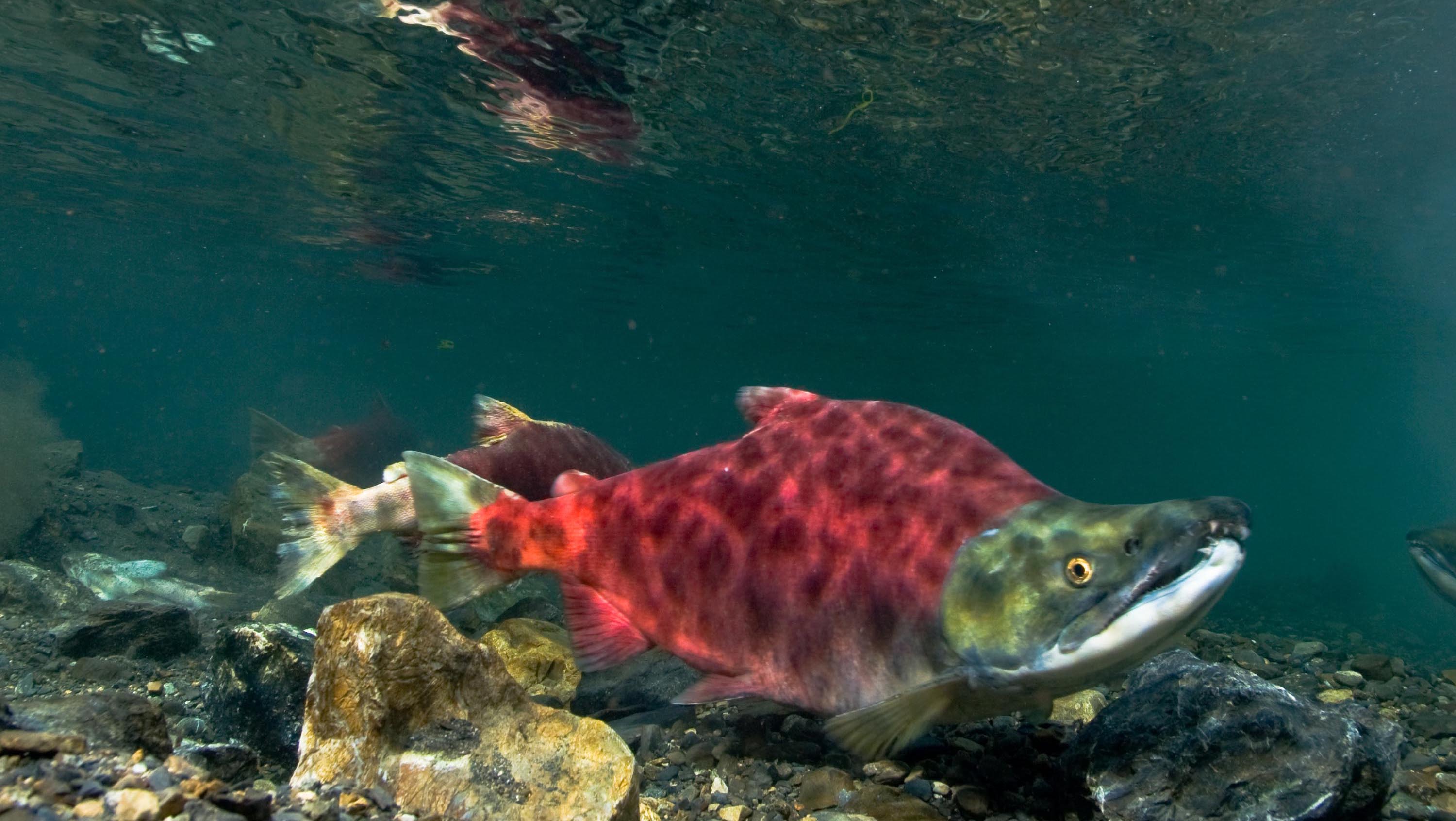

The sockeye salmon is the connoisseur's salmon, the deep-red, firm-fleshed fish widely considered the best-eating of all the Pacific salmon, and the one that returns in the almost unimaginable numbers that turn Alaska's rivers crimson each summer. But sockeye come with a catch: they're plankton eaters, not fish-chasers, so they largely ignore the lures and bait that fool other salmon. Catching them takes a specialized, technique-driven approach, most famously the deft river "drift" that Alaskan anglers use to hook fish in the mouth as they surge upstream by the thousands. Get the technique right, though, and sockeye fishing can be spectacularly productive and fill your freezer with the finest salmon there is. This guide covers why sockeye are different, and every core technique, with step-by-step instruction, to catch them.
Ready to fill a cooler with reds? Sockeye are cousins of the king and silver, see our guides on how to catch chinook salmon and how to catch coho salmon.
The Red Salmon
The sockeye salmon (Oncorhynchus nerka), "red" or "blueback", is a sleek, streamlined Pacific salmon, bright silver with a blue-green back and no distinct spots in the ocean, and famous for its dramatic spawning color: a brilliant scarlet-red body with an olive-green head. It has large, gold-rimmed eyes and fine gill rakers suited to filtering tiny food. Most sockeye run 4 to 8 pounds, smaller than kings or even coho, but they are pound-for-pound strong, dogged fighters that put a deep bend in the rod.
Sockeye follow the salmon life cycle, spawn in fresh water, rear (often in a lake), migrate to the ocean, and return once to spawn and die, but their diet sets them apart: sockeye feed primarily on zooplankton and small crustaceans, not baitfish. This is the single most important fact for catching them, because it means sockeye have little interest in the baitfish- and prey-imitating lures that catch other salmon. (The landlocked form of sockeye is the kokanee, a popular smaller sport fish in western lakes.) Native to the Pacific from the Columbia to Alaska and Russia, sockeye return in enormous runs, especially in Alaska, where they're a subsistence, commercial, and sport mainstay.
Why Sockeye Are Different to Catch
Because sockeye eat plankton, they don't chase and strike lures the way kings and coho do. They aren't "feeding" on anything you can easily imitate, and in the river they've stopped eating altogether. So how are they caught legally and effectively? Two ways:
First and mainly, by a specialized river drift technique in which a fly on a short leader is drifted at the level of upstream-migrating sockeye, and the fish, swimming with their mouths slightly open, are hooked in the corner of the mouth as the line passes through. Done correctly and legally, the fish is hooked in the mouth, not snagged. This is the method behind Alaska's famous "combat fishing" on rivers like the Kenai and Russian.
Second, sockeye will occasionally strike small, bright flies and lures out of aggression or irritation, especially fresh fish and in certain fisheries (like the Columbia). Understanding that you're triggering a reflex, not feeding a hungry fish, shapes everything about how you present to sockeye.
The Techniques That Catch Sockeye Salmon
Sockeye are caught by the river drift, fly fishing, trolling, and casting. Here are the core methods, how to fish each, and when to use it.
The Sockeye Drift, Alaska's classic technique
The river drift is how the vast majority of river sockeye are caught, a simple rig fished with precise technique to hook migrating fish in the mouth.
How to fish it: Rig a short leader (about 18 to 40 inches, per local regulations) from a barrel swivel, with a sparse fly (a "Coho fly" or Russian River fly, often red, orange, or bare hook per regs) and a weight above the swivel sized to tick the bottom. Stand where sockeye are traveling (usually a few feet from the bank in a defined current lane), cast up and across, and let the rig drift downstream at the fish's level, sweeping it through the traveling lane and lifting into any resistance. When you feel the fish, sweep-set. The technique is deadly once you find the traveling lane and get the drift and timing right.
Rigging Up for Kenai Sockeye SalmonUnderstanding the Drift, and Fishing It Legally
Because the sockeye drift straddles the line between fair hooking and snagging, it's essential to understand the mechanics and fish it legally.
How to fish it: The goal is to present the line and fly so a sockeye, moving upstream with its mouth slightly open, takes or is hooked in the corner of the mouth, which is legal; a fish hooked anywhere else (foul-hooked/snagged) must be released, and deliberate snagging is illegal. Keep your leader length, weight, and terminal tackle within local regulations, set the hook with a smooth sweep (not a violent rip), and immediately release any fish not hooked in the mouth. Learn and follow the specific rules of the water you're fishing, sockeye regulations are strict and vary by river.
Understanding the Kenai and Russian River Sockeye TechniqueFly Fishing for Sockeye
Fly fishing with the traditional sockeye flies is closely related to the drift and is a rewarding way to target reds, particularly fresh fish that will take a fly more willingly.
How to fish it: With a stout single-hand or switch fly rod, present a sparse, bright sockeye fly (a Russian River Coho fly or similar, in red, orange, or green) on a short leader, dead-drifting or gently swinging it through the traveling lane at the fish's depth, and setting on resistance. Fresh, bright sockeye will sometimes actively take a fly, and fooling one that eats is especially satisfying. Fly fishing for sockeye is a staple of the Alaska river scene.
Fly Fishing for Sockeye on the KenaiTrolling, sockeye in the salt and big rivers
In the ocean and some large river/reservoir systems, sockeye are caught trolling small, bright attractor setups that trigger their aggression.
How to fish it: Troll a small dodger or flasher ahead of a tiny bright hoochie (squid skirt), spinner, or bare pink/red hook, often tipped with a bit of scent, slowly and close to the fish's depth (use downriggers to reach them). The flash and the tight-spinning small lure provoke reaction strikes from sockeye schooling in the salt or staging in big waters like the Columbia and interior reservoirs. Small, bright, and slow are the sockeye trolling keys.
Lures and Dodgers for Sockeye SalmonCasting Lures, for aggressive river and staging fish
In some fisheries, sockeye will hit a cast lure out of aggression, and casting small bright spinners and spoons is an effective, active alternative to the drift.
How to fish it: Cast a small, bright spinner or spoon (pink, red, or orange) to schools of holding or staging sockeye, common in Columbia River bank fisheries and around river mouths, and retrieve it steadily through them at their depth. It's more of a reaction/irritation strike than a feeding bite, so persistence and putting the lure right in front of the fish matter. Where sockeye will take a cast lure, it's a fun, straightforward way to catch them.
How to Catch Sockeye Salmon Bank FishingFinding the Fish and Positioning
With sockeye, where and how you position yourself matters as much as the rig, because you're presenting to fish traveling in a defined lane.
How to fish it: Find the traveling lane, sockeye typically migrate close to the bank, in a few feet of water, following a consistent path upstream, and position yourself to drift your rig through it. Look for other anglers hooking up (a telltale of the lane), moving water of the right depth and speed near the bank, and points and inside bends where fish funnel through. During a strong run, the fish come in waves, so patience and staying in a productive lane pay off. Reading where the reds travel is the key skill in sockeye fishing.
Where to Fish for Kenai River SockeyeWhen to Go: The Summer Runs
Sockeye are a summer-run fish. The big runs return from roughly June through August depending on the river, with famous Alaskan runs (the Kenai, Russian, Kasilof, Bristol Bay systems) peaking in mid-to-late summer and drawing anglers from around the world. Columbia and interior runs also peak in summer. Because sockeye return in such enormous, concentrated numbers, timing your trip to the peak of the run is everything, when the reds are pouring through, the fishing is fast and a limit can come quickly; between waves, it can be slow. Check run timing and counts for your river, and go when the fish are moving.
Combat Fishing: Etiquette on Crowded Rivers
When a strong sockeye run is in, popular rivers like the Kenai and Russian draw crowds of anglers shoulder to shoulder, a scene affectionately called "combat fishing." It looks chaotic, but it works because everyone follows an unwritten code, and knowing that etiquette makes your trip (and everyone else's) far better.
The basics: find an open spot in the line and match the rhythm of the anglers around you, casting and drifting in sync so lines don't tangle. When you hook a fish, call out "fish on!" and, if it runs, follow it downstream along the bank while others give you room. Land and deal with your fish quickly, then step back into line. Don't low-hole (crowd in just below another angler), keep your drifts short and controlled, and be patient and courteous, tempers and tangles both rise when someone breaks the flow. Bring polarized glasses, a good pair of waders, and a landing net, and be ready to move if the fish shift lanes. Embrace the camaraderie: combat fishing is a bucket-list experience, and a friendly, in-rhythm angler is welcome anywhere on the bar.
Kokanee: The Landlocked Sockeye
Not near an ocean run? You may still be able to catch sockeye, because the kokanee is simply a landlocked form of sockeye salmon that lives its whole life in a lake, and it's a hugely popular sport fish across the western U.S. and Canada. Kokanee are smaller (typically 8 to 16 inches) but fight well and, like their sea-run kin, are outstanding eating with the same rich red flesh.
Unlike river sockeye, kokanee are caught by trolling, the dominant kokanee method, using a small dodger or flasher ahead of a tiny bright pink or orange hoochie, spinner, or spoon tipped with shoepeg corn (a classic kokanee trick), fished slowly at the depth you mark fish on your electronics. They also feed on plankton, so the flash-and-tiny-lure combo triggers reaction and territorial strikes rather than a feeding bite. Kokanee school and roam by depth with the season, going deeper as the water warms, so use downriggers or leadcore to reach them and repeat the productive depth. If you love sockeye but live inland, a kokanee lake is your ticket to the same great fish.
Gear for Sockeye Salmon
Sockeye gear is straightforward and matched to the drift:
- River combo: A 7-foot to 9-foot medium or medium-heavy rod with a spinning or baitcasting reel, or a switch/single-hand fly rod, for the drift and fly techniques.
- Trolling combo: A light-to-medium trolling rod with a line-counter reel for the salt and big rivers.
- Line: 15- to 25-lb monofilament or braid, with leader material sized to local regulations.
- Terminal tackle and lures: Bright sparse sockeye/Coho flies, barrel swivels, and drift weights for the river technique, plus small dodgers, hoochies, and bright spinners and spoons for trolling and casting. Always keep leader length and terminal tackle within local rules.
The Best-Eating Salmon of All
Here's the payoff: sockeye are prized as the finest-eating of the Pacific salmon, with deep red-orange, firm, rich flesh (their color and flavor come from the crustaceans in their diet) that's the premium fillet in any market. A day when the run is in can fill a cooler with the best salmon there is. As always, salmon fisheries are strictly regulated, know and follow your water's rules, including limits, gear and leader restrictions, and the requirement to release fish not hooked in the mouth. Keep your catch cold and handle any released fish gently. Well-managed sockeye runs are one of fishing's great renewable treasures.
Putting It Together for a Limit of Reds
Sockeye fishing is technique-specific and run-timing-dependent, so knowing the traveling lanes, the run timing, and the exact legal drift is what turns a frustrating day into a fast limit of the best salmon there is. For a first-time sockeye trip to Alaska, a day on the water with an experienced local, a friend who fishes the river, or a guide who runs it daily, can shorten that learning curve dramatically. But the fundamentals travel with you: find the traveling lane, dial in the drift, fish it legally, and time your trip to the peak of the run, and you can put a cooler of reds on ice wherever sockeye return.