Fish
Fish Fire
Fire Hike
Hike Bird
Bird

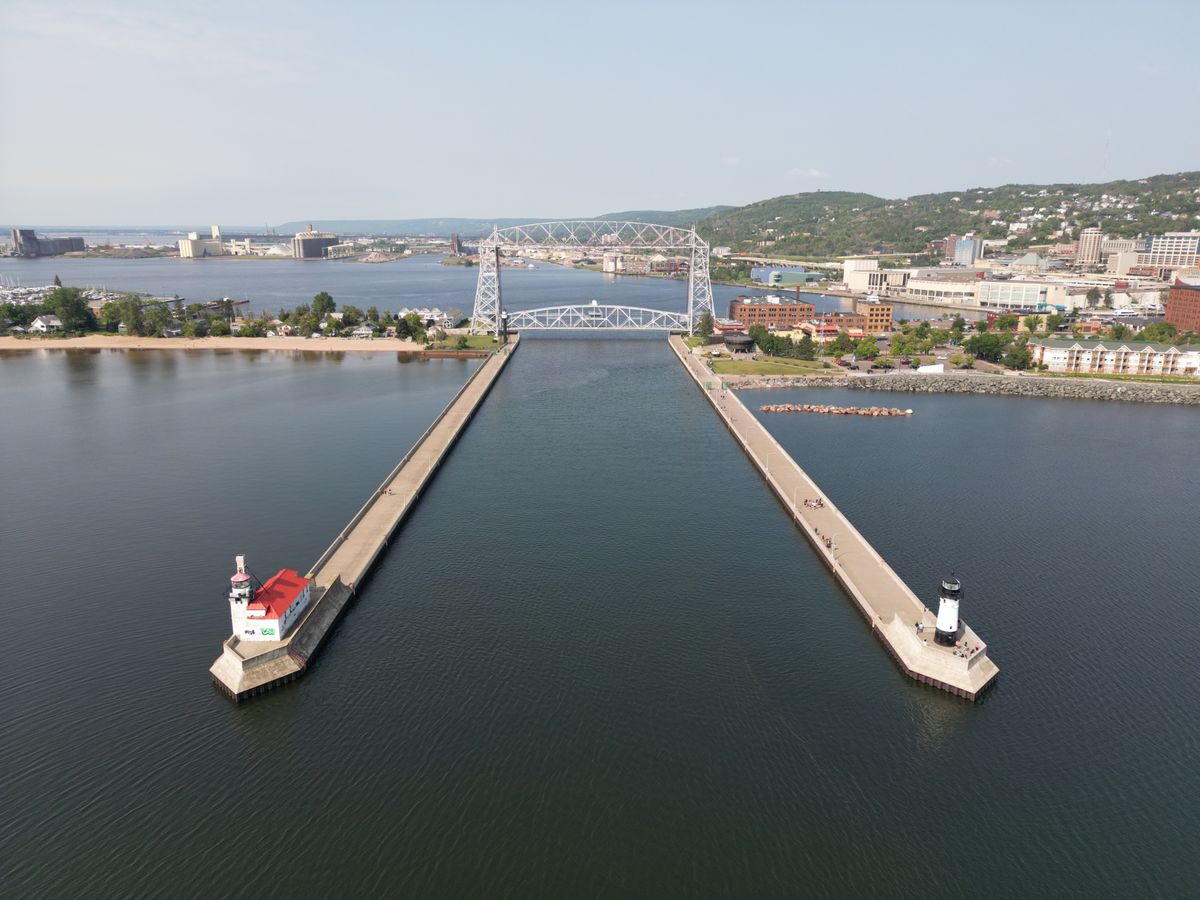

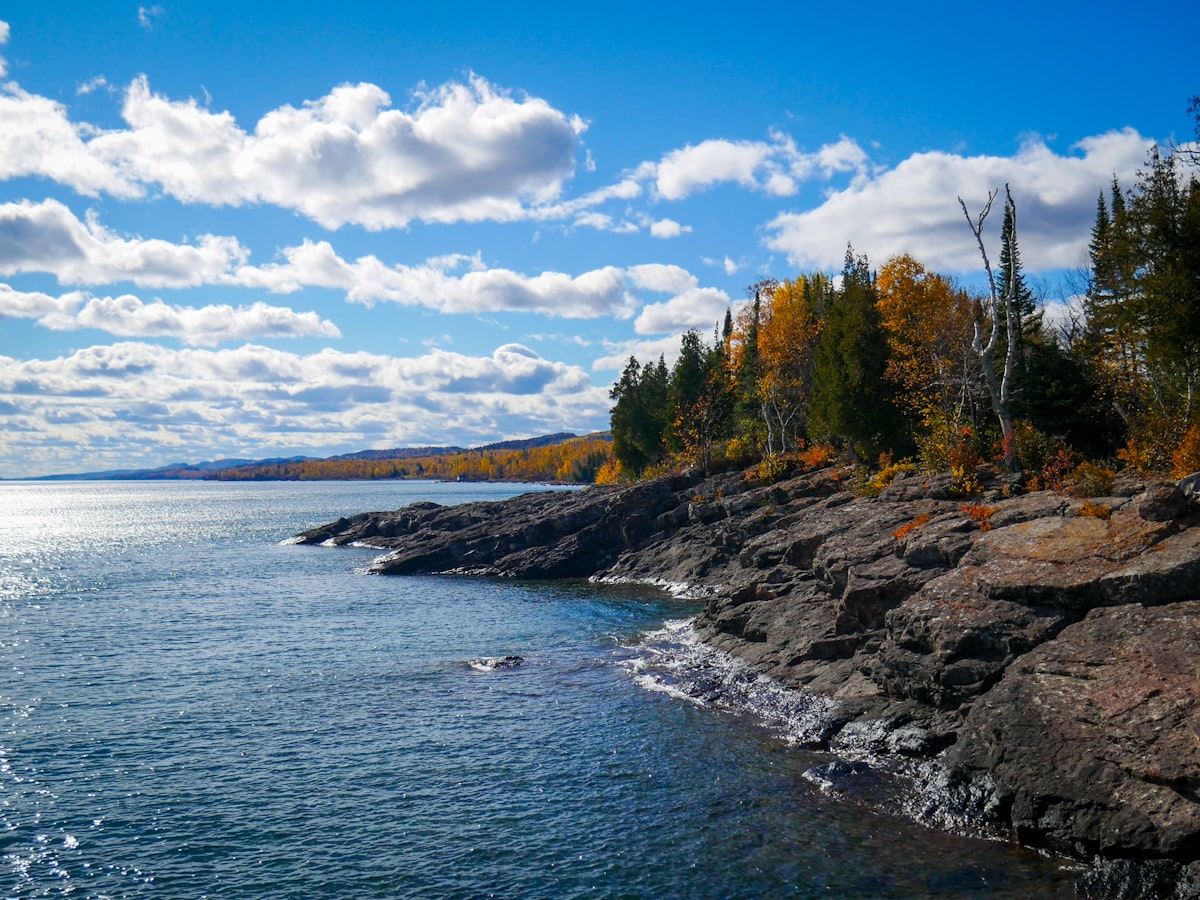
Duluth sits at the western tip of Lake Superior, the largest, deepest, and coldest of the Great Lakes, where the St. Louis River empties into the lake through a sprawling freshwater estuary. The combination of deep offshore lake trout habitat, dozens of steelhead and salmon tributaries flowing down the North Shore, and a warm-water estuary holding walleye and muskie creates three completely different fisheries within 30 minutes of downtown.
The North Shore steelhead run is Minnesota's marquee freshwater fishery. Every spring, chrome-bright rainbow trout push out of Lake Superior into small, steep streams that tumble through the boreal forest, and anglers line the pools and runs from Duluth to Grand Marais, swinging flies and drifting spawn sacs for fish that average 4 to 8 pounds with the occasional steelhead over 10.
For a broader destination overview, see our Duluth fishing guide. This guide covers the practical how-to, what gear to bring, what techniques work, and how to fish each of Duluth's distinct water systems.
Lake Superior: Trolling for Lake Trout and Salmon
Lake Superior's deep, cold water holds lake trout year-round and draws runs of chinook salmon, coho salmon, and pink salmon (odd years) from midsummer through fall.
Lake Trout
Lakers hold in 60 to 200 feet of water over rocky structure, feeding on cisco, smelt, and sculpin. Spring (May through June) and fall (September through November) are the most productive periods, fish move shallower and are more accessible.
Trolling: A Shimano Tekota line-counter reel on a medium trolling rod, running spoons (Moonshine, Northern King, Michigan Stinger) or stickbaits (Rapala Husky Jerk, Smithwick Perfect 10) on downriggers or lead-core line at 1.5 to 2.0 mph. Colors: silver, glow, and firetiger. The cold, clear water means natural profiles outproduce bright colors on most days.
Jigging: When fish are stacked on structure, vertical jigging with a 1-ounce Swedish Pimple or Northland Buckshot Rattle Spoon in glow or silver, tipped with a minnow head, dropped straight down and worked with sharp snaps and pauses. Electronics are essential, you're looking for fish suspended over specific rock piles in 80 to 150 feet.
Salmon
Chinook salmon run from mid-July through September, averaging 10 to 20 pounds. Coho run August through October (6 to 12 pounds). Pink salmon arrive in massive numbers in odd years during September, smaller fish (3 to 5 pounds) but the sheer volume is exciting.
Trolling techniques mirror lake trout but at shallower depths (30 to 80 feet) and slightly faster speeds (2.0 to 2.8 mph). Bandit and Rapala crankbaits in chrome and green/chartreuse behind Dipsy Divers or downriggers produce salmon consistently.
Charter: Half-day Lake Superior charters (5 hours): $475 to $650 for up to 6 anglers. Full-day: $650 to $900. All tackle and electronics provided. Charters depart from Duluth Harbor, Knife River Marina, and Two Harbors.
Lake Superior Fishing, Happy Hookers Charters, Duluth Fishing Lake Superior near Duluth, Lake TroutNorth Shore Steelhead: Minnesota's Premier Run
The North Shore steelhead fishery is what puts Duluth on the national fishing map. Lake Superior's tributary streams, from the Lester River in Duluth north to the Brule, Knife, Sucker, French, and Baptism Rivers, receive annual runs of steelhead (lake-run rainbow trout) that provide some of the most exciting stream fishing in the Midwest.
The Spring Run (April through May)
The primary run starts when stream temperatures reach 38 to 42 degrees, typically mid-April, and builds through early May. Steelhead averaging 4 to 8 pounds, with fish over 10, push into streams that are often only 15 to 30 feet wide. The contrast between the size of the fish and the size of the water is what makes North Shore steelheading so intense.
Where: The Lester River in Duluth is the most accessible, you can fish it after work, though it gets pressured. The Knife River (20 minutes northeast) is the most popular and productive, with DNR-improved access and habitat. The Sucker River, French River, and Baptism River all get runs. Each stream has its own character and holding water.
Float fishing: The standard technique. A 9- to 10-foot medium-light spinning rod (Okuma SST or St. Croix Triumph) with a 3000-size reel loaded with 8-pound monofilament. Rig a small float (Raven FM) with enough split shot to barely sink the rig, 2 feet of 6-pound fluorocarbon leader to a size 8 hook baited with a spawn sac (salmon or steelhead eggs tied in mesh) or waxworm. Set the float depth so the bait drifts 6 to 12 inches off the bottom through deeper runs and pool tailouts. When the float hesitates or dips, set the hook with a firm sweep.
What a steelhead does: When a North Shore steelhead eats, the float goes down and the fight begins. These fish use the current, they run downstream, jump repeatedly, and use every boulder and log in the stream to try to break you off. In a 20-foot-wide stream, a 7-pound steelhead is an absolute handful. The fight might last 5 to 15 minutes, and you'll follow the fish downstream through the brush, holding your rod high to keep the line clear of rocks. Landing a North Shore steelhead in tight quarters is one of the most satisfying experiences in Midwest fishing.
Fly fishing: An 8- to 9-foot 6-weight fly rod handles most North Shore situations. Egg patterns (Glo Bugs in Oregon cheese, peach, and chartreuse), stonefly nymphs, and small Woolly Buggers drifted through deeper runs under a yarn indicator. The streams are small enough that a single-hand rod works, no spey rod needed. Swing wet flies and small streamers through the tailouts for aggressive takes.
Conditions: Steelhead run when the water rises. Rain or snowmelt brings fresh fish from the lake. Monitor flows at waterdata.usgs.gov, the Knife River and Lester River have real-time gauges. Ideal flow is slightly above normal with 18 to 24 inches of visibility. Clear, low water shuts the bite down; stained water after a rain is prime time.
What to bring: Chest waders or hip boots (the streams are cold, snowmelt cold), polarized sunglasses (essential for reading water and spotting holding lies), a landing net with a rubber mesh bag, and layers. April on the North Shore can be 25 degrees at dawn and 55 by noon. Rain gear is non-negotiable, you're hoping for rain because it brings fresh fish.
Etiquette: The North Shore streams are small and the popular pools get crowded during peak run. Give other anglers space, don't walk into a pool someone is already working. Move through pools rather than camping on one spot all day. Release wild steelhead quickly, the DNR manages this fishery carefully and wild fish survival matters.
Kamloops Rainbow Trout
Lake Superior also holds Kamloops rainbow trout, a landlocked strain stocked by the DNR that grows fast in the lake's cold, nutrient-rich water. Kamloops average 3 to 6 pounds and are caught trolling the same water as lake trout, often as a bonus species. They fight harder than lake trout pound-for-pound, more jumps, faster runs, and they taste outstanding. The line between a "kamloops" and a "steelhead" blurs in Lake Superior since both are rainbow trout, but kamloops spend more time in the open lake and less time in the tributaries.
The Fall Run (October through November)
A smaller fall steelhead run occurs from October through November. Fewer fish, less pressure, and gorgeous fall color along the North Shore. Same techniques as spring. The fall run fish tend to be smaller on average but some of the biggest steelhead of the year, fish over 10 pounds that have spent an extra year in the lake, show up in October. The Knife River and Lester River are the most consistent fall producers.
Brown Trout
Lake Superior brown trout are an underappreciated fishery near Duluth. Browns stage near the mouths of tributaries in fall (September through November), feeding on baitfish before making short spawning runs into the lower reaches of some streams. Casting Rapala Countdown minnows or swinging streamers near river mouths at dawn and dusk catches browns in the 2- to 6-pound range. The French River mouth and the Lester River mouth are productive spots.
Steelhead Fishing on Lake Superior's Iconic North Shore Lake Superior Tributary Steelhead, Duluth Lester River Steelhead Fishing, MNSt. Louis River Estuary: Walleye, Muskie, and More
The St. Louis River estuary is Duluth's hidden fishery. Most visitors come for lake trout and steelhead and never discover the warm-water system in the city. The estuary stretches from Fond du Lac upstream through Spirit Lake and into the harbor, holding walleye, muskie, northern pike, smallmouth bass, channel catfish, and sturgeon.
Walleye
Walleye are the primary estuary target. They hold in the deeper channels (15 to 30 feet) and stack up at the river mouth and in Spirit Lake during spring and fall. Spring (late April through May) is peak, walleye stage in the estuary before moving upstream to spawn.
How: A 1/4- to 3/8-ounce Northland Fire-Ball jig in chartreuse or orange, tipped with a fathead minnow, worked along channel edges with a slow lift-and-drop. Trolling crankbaits (Rapala Shad Rap or Salmo Hornet) along the channel edges at 1.5 mph also produces. The estuary is accessible by small boat, launch at Boy Scout Landing or the Duluth Harbor public ramp.
Shore access: The estuary is fishable from shore at several public access points. Boy Scout Landing on the Duluth side has a boat ramp and bank fishing. The fishing pier near the DECC (Duluth Entertainment Convention Center) provides shore access to the harbor. Grassy Point on the Superior, Wisconsin side offers bank fishing for walleye and pike in the backwater areas. You don't need a boat to catch walleye in the estuary, a jig and minnow cast from shore along the channel edges produces throughout the season.
Muskie cruise the estuary's weed beds and rock structure from June through October. Fish over 50 inches are caught every season. Bucktails (Mepps Musky Killer #5), bulldawgs, and large jerkbaits worked along weed edges produce. A bonus species that rewards anglers who bring muskie tackle alongside walleye gear. The estuary also holds channel catfish, some surprisingly large, that eat cut bait fished on the bottom in the deeper channel holes during summer evenings.
Ice Fishing
Duluth's ice fishing season runs from late December through March. The St. Louis River estuary freezes reliably, and the harbor occasionally produces through-the-ice lake trout and coho.
Estuary walleye: Small jigging spoons (Swedish Pimple, Hali Jig) tipped with minnow heads in 15 to 25 feet. Dawn and dusk are best. A portable shelter and electronics make the difference.
Harbor coho: When safe ice forms in the harbor (not every year), ice fishing for coho salmon with small jigs tipped with waxworms or maggots is a unique Duluth experience, Great Lakes salmon through the ice with city views. Coho through the ice fight differently than open-water fish, they make fast runs under the ice that test your drag and your hole size.
Inland lakes: Spirit Lake, Pike Lake, and other inland waters near Duluth freeze reliably and produce walleye, northern pike, perch, and panfish through the ice. Dead stick setups with tip-ups for pike alongside jigging rods for walleye let you target multiple species simultaneously. The DNR stocks some inland lakes with rainbow trout specifically for ice fishing access.
Safety: Lake Superior itself rarely freezes safely near Duluth, the ice is unreliable and dangerous. Stick to the estuary and inland lakes. Check ice thickness before venturing out, 4 inches minimum for foot traffic, 8 inches for snowmobiles. The St. Louis River estuary has current areas that thin the ice unpredictably.
Ice Fishing Salmon on Lake Superior in Duluth, InsaneGear for Beginners
Lake Superior trolling: Charter provides everything. Own boat: Shimano Tekota 500 or Okuma Cold Water on a medium trolling rod with 20-pound mono or lead-core.
North Shore steelhead: Okuma SST 9'6" ML or St. Croix Triumph with a 3000-size reel and 8-pound mono. Raven FM floats, split shot, size 8 hooks, spawn sacs. For fly fishing: Orvis Clearwater 9' 6wt with Glo Bug egg patterns.
St. Louis River walleye: Ugly Stik GX2 6'6" Medium combo or Pflueger President 2500 combo with 8-pound braid and 6-pound fluoro leader. Northland Fire-Ball jigs in 1/4oz.
Fishing License
Minnesota requires a fishing license for anyone 16 or older. Non-residents pay $55 annually or $14 for a 24-hour license. A trout stamp ($10 additional) is required for trout and salmon in Lake Superior and its tributaries, separate from the base license. Buy online at dnr.state.mn.us or at any bait shop. Charter boats do NOT include licenses, purchase before your trip.
Coho Salmon on Lake Superior in Duluth