Venice, Louisiana: Where the Mississippi Meets the Gulf and the Fishing Defies Logic
← All field notes

Venice · Louisiana

Venice, Louisiana: Where the Mississippi Meets the Gulf and the Fishing Defies Logic

Venice sits at the end of the road, literally, where the Mississippi River Delta meets the Gulf of Mexico. The river's nutrient load creates the richest water in the Gulf, and yellowfin tuna swim as close as five miles from the marina.

Colin Van Dyke

Colin Van Dyke

Venice, Louisiana sits at the southern tip of the Mississippi River Delta, where the road ends and the marsh begins. There's not much to the town, a marina, a few lodges, and a fuel dock. What there is, stretching in every direction, is some of the most productive fishing water on Earth.

The reason is the Mississippi River. The largest river system in North America dumps its nutrient load into the Gulf of Mexico right here, and that plume of sediment-rich water feeds a food chain that starts with phytoplankton and ends with yellowfin tuna, blue marlin, and bull redfish. The river's flow pushes the continental shelf's nutrient-rich water close to shore, and the deep-water canyons and oil platforms that dot the Gulf south of Venice concentrate pelagic species at distances that would be a half-day run from any other port.

The result: yellowfin tuna have been caught as close as five miles from the Venice marina. Blue water that takes 50 miles to reach from most Gulf ports is a 15-mile run here.

Offshore, Tuna, Marlin, and the Platforms

The offshore fishery is what makes Venice legendary. The proximity to deep water means you spend more time fishing and less time running, and the species list reads like a saltwater angler's bucket list.

Yellowfin tuna are the headline. They're caught year-round out of Venice, but the peak runs December through March, when cold water concentrates fish along the Gulf's deeper edges and around the oil platforms. Trophy yellowfin over 100 pounds are caught every winter season, and 50- to 80-pound fish are standard fare. Live-baiting, chunking, and trolling all produce depending on conditions.

Blackfin tuna are the constant, they school around the platforms year-round and provide fast action on lighter tackle. They're also excellent sashimi.

Blue marlin and white marlin patrol the blue-water edges from May through October. Venice hosts major billfish tournaments, and the fleet targets marlin by trolling the deep edges and rip lines where the Mississippi's plume meets the clear Gulf Stream water. Blue marlin over 500 pounds have been boated out of Venice.

Wahoo run the temperature breaks in fall and winter. Mahi-mahi show under debris and weed lines from spring through fall. Swordfish, both nighttime drift fishing and daytime deep-drop, have become a growing fishery, with Venice boats among the most experienced in the Gulf at targeting broadbills.

The Midnight Lump, the top of an underwater mountain about 50 miles south, is the crown jewel of the offshore structure, attracting yellowfin, wahoo, marlin, and mahi-mahi to a single concentrated area.

The Delta Marsh, Bull Redfish

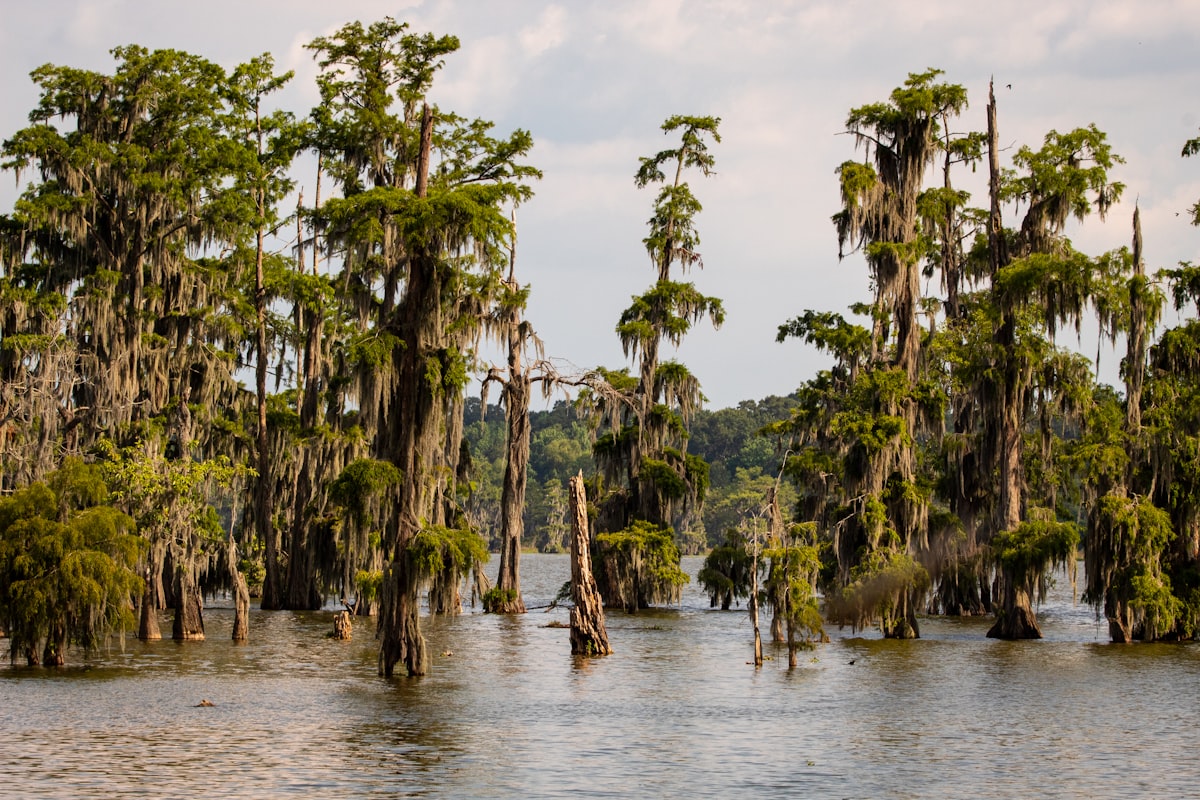
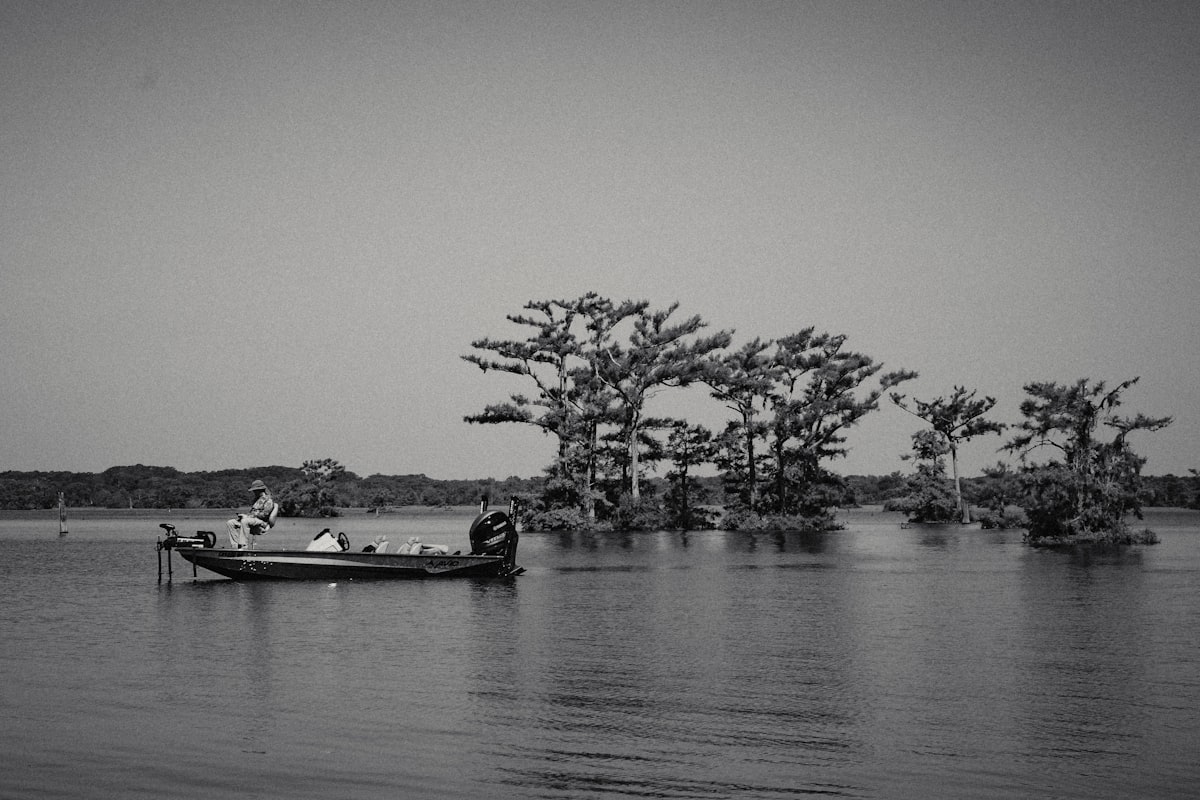
The Mississippi River Delta doesn't end at Venice, it fans out into a vast marshland of passes, bays, and islands that constitutes the Delta National Wildlife Refuge. This marsh holds one of the most concentrated bull redfish populations in the country.

Redfish in the delta are big, 30 to 45 inches is standard, and fish over 40 pounds are caught regularly. They feed in the shallow ponds, along the grass edges, and in the passes where the river's fresh water mixes with the Gulf's salt. The fishing is year-round, though fall and winter are the peak for numbers and size.

The technique is similar to marsh fishing elsewhere in Louisiana, gold spoons, soft plastics, and live bait along the shorelines, but the fish are bigger and more aggressive. The nutrient-rich water grows redfish fast, and the delta's limited access keeps pressure manageable.

Speckled trout hold in the passes and along the marsh edges, with the best fishing in spring and fall. Black drum stack on the oyster reefs. Flounder line the channels in fall.

Red Snapper and Bottom Fishing

The near-shore Gulf structure, natural reefs, artificial reefs, and oil platforms within 20 to 30 miles, holds outstanding bottom-fishing opportunities. Red snapper during federal season, grouper, amberjack, triggerfish, and mangrove snapper are all available on relatively short runs.

Because Venice is closer to the deep water, even the "near-shore" structure sits in deeper, more productive water than what's accessible from ports farther east or west. The bottom-fishing quality reflects that.

When to Go

Venice fishes year-round with no dead season:

  • December–March: Peak yellowfin tuna, wahoo on the temperature breaks, bull reds in the marsh
  • April–June: Marlin season begins, mahi-mahi arrive, red snapper opens, spring redfish and trout
  • July–September: Peak marlin and mahi, swordfish, red snapper, inshore slam in the delta
  • October–November: Fall yellowfin run, bull redfish spawning in the marsh, the transition month that produces everything
Recommended gear

  • Shimano Saragosa SW 6000

    Premium, built for Venice's yellowfin tuna and bull reds

  • Penn Battle III 6000 Combo

    Mid-tier, handles tuna chunking and big redfish

  • Penn Fierce IV 5000 Combo

    Entry level, good for marsh reds and lighter offshore species

  • Shimano Talica 16 Two-Speed

    Premium, the Venice tuna reel, handles 100+ lb yellowfin

  • Penn Squall II 30 Lever Drag

    Mid-tier, trolling for tuna and wahoo at a reasonable price

  • Nomad Design DTX Minnow 200mm

    Trolling plug for wahoo and tuna, runs deep and true

  • Mustad Demon Perfect Circle 7/0

    The yellowfin chunking hook, heavy wire, perfect gap

  • Yo-Zuri HD Carbon Fluorocarbon 60lb

    Heavy fluoro leader for toothy wahoo and big tuna

  • Matrix Shad 4-inch Avocado/Red

    For marsh redfish between offshore trips

Frequently asked

Do you need a fishing license in Venice, Louisiana?

Fishing on your own, non-residents need a Louisiana saltwater fishing license (a basic license plus a saltwater package, with 1-day and longer options) through the Louisiana Department of Wildlife & Fisheries; residents need the equivalent resident license. If you go out on a charter, the captain's license typically covers everyone aboard. Offshore tuna and reef species also carry federal season and size rules, so confirm the current regulations with the Louisiana Department of Wildlife & Fisheries before you run out.

How much does a Venice, Louisiana fishing charter cost?

Inshore redfish trips in the marsh typically run about $500 to $700 for one to four anglers. Venice's signature offshore runs to the oil rigs for yellowfin tuna are full-day, big-boat trips that range from about $2,000 to $3,500, reflecting the long runs to the deep water that makes Venice the 'Tuna Town' of the Gulf.

Why is Venice, Louisiana so good for fishing?

Venice sits where the Mississippi River dumps its nutrient load into the Gulf of Mexico, creating the richest water in the Gulf. The delta pushes deep water close to shore, yellowfin tuna are caught as close as five miles from the marina, and blue water that's a 50-mile run from other ports is 15 miles from Venice.

When is the best time to catch yellowfin tuna in Venice?

Yellowfin tuna are caught year-round out of Venice, but the trophy season peaks December through March when cold water concentrates fish around the oil platforms and deep edges. Fish over 100 pounds are caught every winter season, with 50- to 80-pounders as standard fare.

Can you catch redfish in Venice, Louisiana?

Yes, the Mississippi River Delta marsh surrounding Venice holds one of the most concentrated bull redfish populations in the country. Fish commonly run 30 to 45 inches and are caught year-round in the delta's ponds, passes, and grass shorelines. Fall and winter produce the best numbers.

What is the Midnight Lump?

The Midnight Lump is an underwater seamount about 50 miles south of Venice, the top of a submerged mountain that rises from the Gulf floor and concentrates yellowfin tuna, wahoo, marlin, and mahi-mahi. It's one of the most productive offshore fishing structures in the entire Gulf of Mexico.

How do I get to Venice, Louisiana?

Venice is about 75 miles south of New Orleans via Highway 23. The road ends at the marina. Most anglers stay at fishing lodges in Venice or drive from New Orleans (about 90 minutes). The town has limited services, plan to bring what you need or arrange through your lodge or charter.

More Louisiana field notes

How to Fish Venice, Louisiana: A First-Timer's Guide to Tuna Town and the Delta Marshes

Venice, LA

How to Fish Venice, Louisiana: A First-Timer's Guide to Tuna Town and the Delta Marshes

Everything a beginner needs to fish Venice, Louisiana, offshore yellowfin tuna under oil rigs, inshore redfish and speckled trout in the marsh, red snapper and cobia on nearshore structure, plus charter costs, tackle, techniques, and what to bring.

How to Fish New Orleans: A Beginner's Guide to Marsh Redfish, Bayou Bass, and the Delta

New Orleans, LA

How to Fish New Orleans: A Beginner's Guide to Marsh Redfish, Bayou Bass, and the Delta

Everything a first-timer needs to fish New Orleans, sight-casting for redfish in the marsh, speckled trout on the bayou, bass in City Park, bank fishing without a boat, and inshore charters. Gear, rigs, bait, and what to expect.

How to Fish Lake Charles, Louisiana: A Beginner's Guide to Big Lake

Lake Charles, LA

How to Fish Lake Charles, Louisiana: A Beginner's Guide to Big Lake

Calcasieu Lake, "Big Lake", is one of the country's premier trophy speckled trout fisheries, with redfish and flounder filling out the marsh. Here's how a first-timer gets started in Southwest Louisiana.

New Orleans Fishing: A City Surrounded by Marsh, and Everything It Holds

New Orleans, LA

New Orleans Fishing: A City Surrounded by Marsh, and Everything It Holds

New Orleans sits in the middle of the most productive marsh system in America, Barataria Bay, Delacroix, Biloxi Marsh, and Lake Pontchartrain all within an hour's drive. The redfish don't care what you ate for dinner.

Lake Charles Fishing: Two Lakes, Trophy Trout, and the Creole Nature Trail

Lake Charles, LA

Lake Charles Fishing: Two Lakes, Trophy Trout, and the Creole Nature Trail

Lake Charles sits between Calcasieu Lake and Sabine Lake, two of the most productive estuary systems on the Gulf Coast. One grows gator trout, the other produces redfish in bulk. Here's how they differ.