Fish
Fish Fire
Fire Hike
Hike Bird
Bird

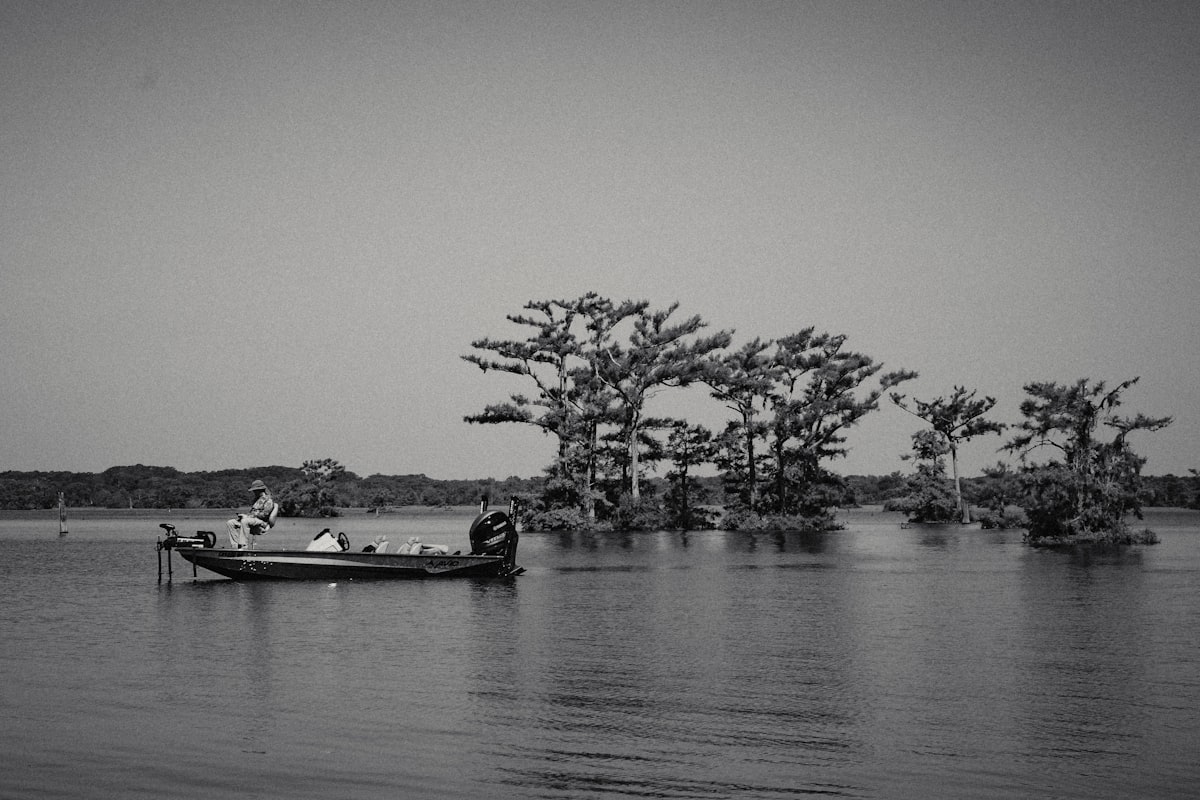

Southwest Louisiana is a quiet giant in the saltwater world. While anglers chase headlines down in Venice and out of New Orleans, the marshes and shallow bays around Lake Charles produce something the rest of the coast can only envy: genuinely enormous speckled trout. Locals call the centerpiece "Big Lake", Calcasieu Lake, and it has a reputation for kicking out trout in the seven- and eight-pound class, fish that would be a once-in-a-lifetime catch almost anywhere else.
If you've never fished saltwater before, this is a forgiving place to learn. The water is shallow and protected, the targets are aggressive, and the same three species, speckled trout, redfish, and flounder, show up across the whole system. This guide walks a first-timer through what to chase, where to chase it, the gear that works, and how to do it all legally.
Louisiana inshore fishing, speckled trout and redfishFirst, the License
Before you wet a line, you need a Louisiana fishing license. Anyone 18 or older fishing recreationally needs the Basic Fishing License, and because you'll be fishing salt and brackish water, you also need the Saltwater License on top of it. Both are sold together online through the Louisiana Department of Wildlife and Fisheries (wlf.louisiana.gov), at sporting-goods counters, and at most bait shops around town.
If you fish with a charter, ask whether the captain carries a license that covers guests. Many do, but confirm it when you book so there are no surprises at the dock. Either way, keep your license on your phone or in your wallet while you fish; wardens do check on the water.
A quick note on rules: Louisiana sets daily limits and (for trout) minimum sizes that have changed in recent years to protect the fishery, and they can differ inside the Calcasieu trophy-trout zone. Always check the current regulations before you go. They're posted on the LDWF site and at every bait shop.
The Big Three: Trout, Reds, and Flounder
Almost everything an inshore angler targets around Lake Charles falls into three buckets. Learn these and you understand 90% of the fishing here.
Speckled Trout, The Main Event
Speckled trout (spotted seatrout) are why serious anglers make the drive to Calcasieu. Most days you'll catch "schoolie" trout in the one- to three-pound range, which are plentiful, fun, and excellent eating. But Big Lake's claim to fame is its giants. The lake's mix of salinity, bait, and oyster structure grows trout to sizes that draw trophy hunters from across the South every winter and spring.
For schoolies, the go-to setup is a popping cork with a soft-plastic shrimp imitation or paddle-tail underneath. You cast it out, give the cork a sharp pop every few seconds, the sound mimics feeding fish and shrimp, and let the lure sink between pops. Trout hammer it. A Matrix Shad or a Berkley Gulp! Shrimp under the cork is about as reliable a trout combo as exists on this coast.
When you're hunting the truly big trout, the game changes. Trophy specks are loners that ambush larger prey. Anglers throw slow-sinking twitchbaits like the MirrOlure MirrOdine, walk-the-dog topwaters like the Heddon Super Spook Jr. at dawn, and, in the cooler months when the real monsters feed, live croaker or large soft plastics fished slowly along channel edges and the Ship Channel ledges.
Redfish, The Reliable Bruiser
If trout can be moody, redfish are the steady paycheck. These copper-colored bulldogs cruise the marsh shorelines, grass edges, drains, and shallow flats, often with their backs out of the water in inches of depth. They're strong, they're everywhere, and they'll eat almost anything put in front of them, which makes them the perfect target for a beginner.
A weedless gold spoon (the Johnson Silver Minnow in gold is the classic) is hard to beat: cast it near the bank and reel it slowly. A soft-plastic paddle-tail on a jighead or that same popping-cork-and-shrimp rig works just as well. In the fall, redfish school up in big numbers and the action can be nonstop. Watch for "pushes", wakes and nervous bait, along the shorelines and cast ahead of the movement.
Flounder, The Fall Bonus
Southern flounder are the third member of the marsh trio and the prize of autumn. These flatfish lie camouflaged on sandy and muddy bottoms near drains, points, and channel mouths, waiting to ambush bait. The fall "flounder run," when they stage to move toward the Gulf, is the best window to load up on them.
Flounder want a lure crawled slowly across the bottom. A Berkley Gulp! Swimming Mullet on a jighead is the deadliest flounder bait going, fish it with a slow hop-and-drag along bottom near current edges. When you feel weight, drop your rod tip, wait a beat, then set the hook firmly.
Where to Fish Around Lake Charles
The Calcasieu system is big and varied, which is great news for a beginner: there's almost always somewhere protected to fish no matter the wind.
Calcasieu Lake ("Big Lake") is the heart of it, a broad, shallow estuary roughly 20 minutes south of town. Its oyster reefs, points, and the deeper Calcasieu Ship Channel running through it hold trout and reds year-round. Calcasieu Point Landing at the lake's north end is a beginner favorite: there's bank-fishing access and a 24-hour boat launch.
Prien Lake, just southwest of downtown, is a brackish, wind-protected spot that holds trout, reds, black drum, and flounder. Because it's sheltered, it's a great cold-weather and windy-day option when Big Lake is blown out.
The Creole Nature Trail, "Louisiana's Outback", runs south through hundreds of thousands of acres of marsh toward the Gulf. The Hackberry marshes and the countless bayous, cuts, and ponds off this corridor are classic redfish country, skinny water where you can pick your way from one pond to the next and stay on fish all day.
The Calcasieu River and Ship Channel offer deeper water that holds bruiser trout around ledges, plus the brackish stretches upriver where you can mix in freshwater species.
Reading the Water and the Tides
The single biggest thing that separates anglers who catch fish here from those who don't is understanding that this is tidal water, and current is everything. Speckled trout and redfish are ambush feeders that stack up where moving water concentrates bait: points, drains where marsh ponds empty, cuts between islands, and the edges of oyster reefs.
A slack tide, when the water isn't moving, usually means slow fishing. A moving tide, incoming or outgoing, turns the bite on. Before you go, check a tide chart for the Calcasieu area and try to fish the hours when the tide is actually running. On Big Lake, wind matters too: a steady wind pushes bait and stains the water along a shoreline, and those wind-blown banks and reef edges often hold the most active fish. A muddy "trout-green" tint where clean water meets stained water is a prime ambush zone.
Pay attention to bait. Slicks (oily spots on the surface from feeding trout), diving birds, and jumping mullet all point to fish. In a place this big, finding the bait is most of the battle, once you do, the species above will usually be right there with it.
How to rig and fish a popping corkWhen to Go
Lake Charles fishes all year, but each season has its own character:
- Spring (March–May): Prime time. Trophy trout move shallow to feed and spawn, redfish are active, and the topwater bite at dawn can be electric. This is when many anglers come specifically chasing a personal-best speck.
- Summer (June–August): Hot and productive early and late. Trout feed at first light on the oyster reefs and current-swept points; reds work the shorelines. Beat the heat by being on the water at sunrise.
- Fall (September–November): Many locals' favorite. The flounder run peaks, redfish school up in huge numbers, and trout feed aggressively before winter. Arguably the most action-packed season for a beginner.
- Winter (December–February): The big-trout specialists' season. Fewer but larger trout hold in deeper channels and the Ship Channel; this is when the true giants get caught by patient anglers fishing slow.
Gear: What a Beginner Needs
You don't need a boatload of equipment to start. A single versatile inshore setup covers trout, reds, and flounder:
- Rod: A 7' to 7'6" medium or medium-light spinning rod with a fast action. The St. Croix Mojo Inshore is a popular, affordable do-it-all choice.
- Reel: A 2500–3000 size saltwater spinning reel. The Penn Battle III 3000 is a workhorse that handles years of salt abuse.
- Line: 10–15 lb braided main line with about two feet of 20–25 lb fluorocarbon leader. Braid casts far and detects bites; the leader resists abrasion and is harder for fish to see.
- Terminal tackle: A handful of popping corks, an assortment of 1/4 oz jigheads, and a few packs of soft plastics, Matrix Shad and Berkley Gulp! in natural and chartreuse colors cover most situations. Add a couple of gold spoons for reds and a topwater plug for dawn.
Round it out with polarized sunglasses (so you can see fish and structure), a hat, sun protection, and a way to keep your catch cold. Louisiana sun is no joke, even in winter.
Learning a Big System
It's worth saying plainly: Calcasieu is a large, intricate system, and it rewards the time you spend learning its moods. The fastest shortcut is a day on the water with someone who fishes it constantly, a local guide supplies the boat, the tackle, and, most valuable of all, the knowledge of which reefs, points, and marsh ponds are producing that week, and you'll pick up more about reading tides and working a popping cork in one morning than in a season of trial and error. But you don't have to start that way. Big Lake is unusually generous to do-it-yourself anglers: the wade-friendly shorelines, the bank access at Calcasieu Point Landing, and the countless protected cuts and ponds mean you can put yourself on fish with nothing but a rod, a box of soft plastics, and a tide chart.
Either way, the real key is repetition. Fish a shoreline, learn how the tide moves across it, note where the bait stacks up, and come back and do it again. Southwest Louisiana rewards anglers who put in the time, and few places give a beginner a better shot at the trout of a lifetime.
Beyond the Big Three
Trout, reds, and flounder will fill most coolers, but the Calcasieu system has more to offer once you start exploring. Black drum, the redfish's bigger, blunter cousin, hang around oyster reefs, bridge pilings, and channel edges, and they're a blast on light tackle. They love fresh dead shrimp fished right on the bottom, which also makes them one of the easiest fish here for a child or a first-timer to land. Sheepshead, with their distinctive black stripes and human-like teeth, school around any hard structure in the cooler months and will eat a small piece of shrimp or a fiddler crab; they're notorious bait-stealers, so set the hook the instant you feel pressure.
Because the upper reaches of the Calcasieu River and its feeder bayous turn fresh, you can also mix saltwater and freshwater fishing in a single day. The brackish-to-fresh stretches hold largemouth bass, crappie (locally "sac-a-lait"), and plenty of catfish. Many anglers start the morning chasing trout on Big Lake, then run up into the river to flip a soft plastic for bass when the saltwater bite slows. That kind of variety, a stone's throw apart, is part of what makes Southwest Louisiana special.
A Day on Big Lake: What to Expect
If it's your first inshore trip, here's roughly how a good morning unfolds so nothing catches you off guard. Plan to be at the launch, Calcasieu Point Landing or one of the Hackberry-area ramps, well before sunrise, because the first-light bite is often the best of the day. The boats that work best here are shallow-draft bay boats built to slip across skinny marsh water.
Read that day's conditions on the run out: where the tide is moving, which shorelines the wind is feeding, where the bait is showing. Expect to make several moves. Inshore fishing is a hunt, you fish a reef or point for a while, and if the bite is slow, you pick up and try the next likely spot rather than sitting on dead water. When you find active fish, things happen fast: trout and reds school, and a good spot can produce fish on nearly every cast.
Bring layers (mornings on the water are cool even in summer), rain gear if there's any chance of weather, a hat, sunscreen, and a small cooler with drinks and snacks. Keep your license and sun protection on you, along with enough ice to keep your catch cold. If you're fishing with a charter, the captain typically handles the rods, bait, ice, and cleaning your catch; on your own, a jighead, a few soft plastics, and a popping cork will carry most of the morning. Either way, bring a willingness to learn, Big Lake will handle the rest.
A Word on Conservation
Calcasieu's trophy-trout reputation exists because the fishery is treated with respect. Louisiana has tightened trout limits and sizes specifically to keep producing those giant fish, and the trophy-trout zone has its own rules, so always check the current regulations before you keep anything. Consider releasing the biggest trout you catch; the eight-pound female that made your day is also the breeder that keeps the lake legendary. Handle fish you intend to release with wet hands, keep them in the water as much as possible, and revive them before letting go. The marsh, the reefs, and the fish are a shared resource, and the anglers who protect them are the reason Big Lake still earns its name.