Fish
Fish Fire
Fire Hike
Hike Bird
Bird

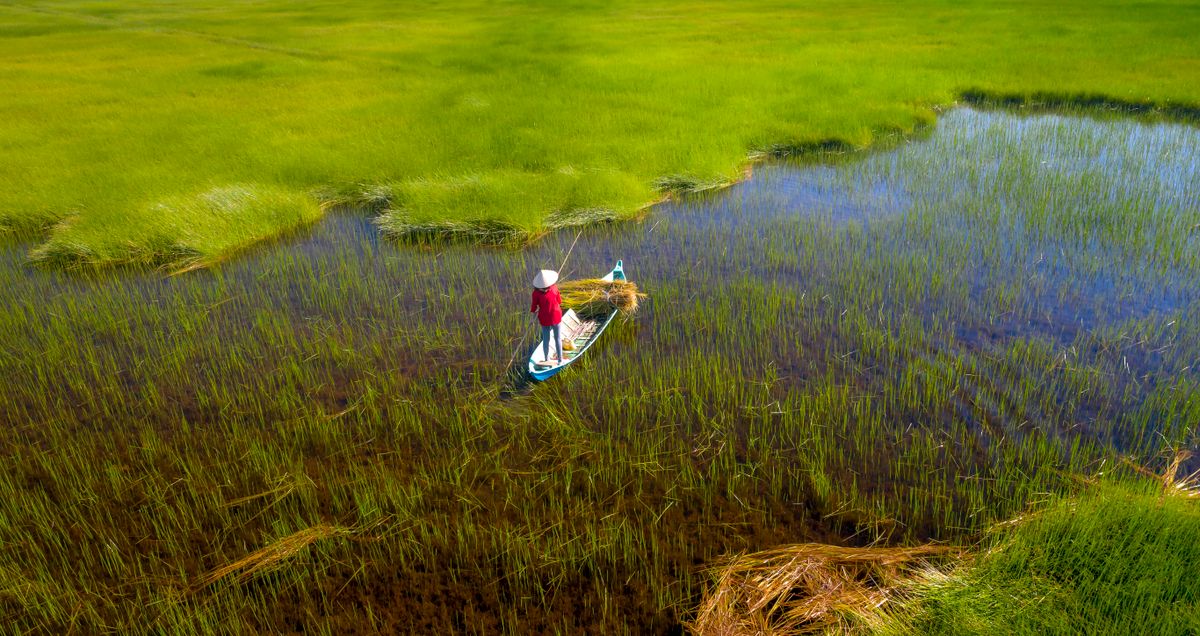

Venice sits at the very end of the road in southeastern Louisiana, literally the last town before the Mississippi River spills into the Gulf of Mexico. There's no downtown, no tourist strip, no beach. What there is: the most productive fishery in the continental United States. The Mississippi dumps billions of tons of nutrient-rich sediment into the Gulf here, feeding a food chain that runs from baitfish to blue marlin. Hundreds of offshore oil platforms within reach of Venice's charter fleet create permanent artificial reef structure that holds yellowfin tuna year-round, something almost no other port in America can claim. And the vast delta marshes spreading in every direction harbor redfish, speckled trout, flounder, and sheepshead in numbers that would seem absurd anywhere else.
Venice is not a convenient destination. It's 75 miles south of New Orleans on a two-lane road through marsh and oil infrastructure. Most anglers fly into New Orleans (MSY), rent a car, and drive 90 minutes south. Lodging is marina lodges and fishing camps, this is a town that exists entirely to serve anglers. But if you want the best shot at big offshore fish without flying to Costa Rica, and you want world-class inshore marsh fishing as a bonus, Venice is the place.
This guide covers the practical how-to for each fishery, offshore tuna, nearshore reef fish, and inshore marsh fishing. For the full destination overview, seasonal calendars, the charter fleet, and trip planning, read our complete Venice fishing guide.
Offshore Tuna: The Main Event
Venice is called Tuna Town for a reason. Yellowfin tuna, 20 to 200+ pounds, can be caught within 5 to 30 miles of the marina, often around offshore oil platforms that hold baitfish and attract pelagics. In most other Gulf ports, you'd run 60 to 100 miles offshore to find tuna. In Venice, you can be on fish in under an hour.
What to Expect on a Charter
As a beginner, you will book a charter. Offshore tuna fishing requires a large center-console or sportfisher (30 to 42 feet), serious tackle, electronics, and knowledge of the rig locations and current patterns. Charter captains provide everything, rods, reels, terminal tackle, bait, fuel, ice, and fish cleaning. Your job is to show up, listen to the captain, and hold on when something big bites.
Full-day offshore charters run $2,000 to $3,500 per boat (not per person) for 4 to 6 anglers, plus fuel (often $400 to $700 depending on how far you run). Some charters quote all-inclusive; others list fuel separately, ask when you book. A 20% tip for the captain and mate is standard on a good day.
What you'll do: The captain runs to oil platforms or the Midnight Lump (an underwater mountain about 50 miles offshore) and sets up using one of several techniques, trolling, chunking, live-baiting, or topwater casting.
GIANT Yellowfin Tuna! Catch Clean Cook (Venice Tuna Fishing)Techniques the Captain Will Use
Chunking at oil rigs: The boat anchors or holds position up-current of a platform. The mate cuts fresh bait (bonito, skipjack, or menhaden) into chunks and tosses them into the current, creating a "chum slick" that drifts back under the rig and attracts tuna. You drop a chunk of bait on a circle hook into the slick and let it drift back with the chum. When a tuna eats, you let it take the bait, then reel tight, the circle hook sets itself in the corner of the jaw. This is the most beginner-friendly technique because the casting is minimal and the hookset is automatic.
Live-baiting: The captain catches live bait (hardtails, blue runners, threadfin herring) using sabiki rigs, then deploys them on heavy tackle around the rigs. Live bait attracts the biggest tuna. The bait swims naturally and a tuna picks it off, you'll feel the rod load up, then the drag starts screaming.
Trolling: Running artificial lures or rigged dead bait behind the boat at 5 to 8 knots between platforms. Effective for covering water and finding scattered fish. When a tuna hits a trolling spread, the rod bends and the reel screams, the mate puts the rod in your hands and you fight the fish.
Topwater casting: When tuna are "blowing up" on baitfish at the surface, a feeding frenzy where the water erupts, the captain positions the boat within casting range and you throw heavy topwater poppers or stickbaits into the mayhem. This is the most exciting technique but requires some casting ability with heavy conventional gear.
Catching Yellowfin Tuna Under Oil Rigs In VeniceFighting a Tuna
Yellowfin tuna are one of the hardest-fighting fish in the ocean, pound for pound. A 40-pounder feels like an 80-pounder. A 100-pounder is a 30- to 60-minute battle that will leave your arms and back sore for days. The captain and mate will coach you through the fight, keep the rod tip up, use your legs and back (not just your arms), reel on the downstroke, and don't let the fish rest. Tuna fight by making long, powerful runs and bulldogging deep. The drag on the reel is set by the captain, trust it.
What you're catching: Yellowfin tuna (year-round, with peaks in spring and fall) averaging 30 to 60 pounds, with fish over 100 pounds possible. Blackfin tuna (smaller, 10 to 25 pounds, year-round). Depending on the season, you may also encounter wahoo, mahi-mahi (dolphinfish), cobia, amberjack, and if you're lucky, blue marlin.
What to Bring Offshore
Pack light but smart. A waterproof bag for your phone and wallet. Dramamine or Bonine taken the night before AND the morning of, even if you've never been seasick, a rocking boat 30 miles offshore in August heat is different from a lake. Polarized sunglasses. Sunscreen SPF 50+ and reapply, the Gulf sun reflecting off the water is brutal. Moisture-wicking long-sleeve shirt and non-marking boat shoes or sandals with grip. A small cooler with water and snacks. The captain provides lunch on most full-day trips, but bring backup. No bananas, it's a fishing boat superstition, but captains take it seriously.
What to Pack for a Charter | Venice, LouisianaNearshore Reef Fish: Red Snapper, Grouper, and Cobia
Venice's nearshore fishery, 10 to 40 miles from the marina, offers excellent bottom fishing over natural and artificial reef structure for red snapper, various grouper species, cobia, and amberjack.
Red Snapper
Season: Federal red snapper season typically runs June 1 through September 15, but dates change annually, check NOAA and Louisiana WLF for current regulations before you book. Louisiana state waters (within 9 nautical miles) often have separate, longer seasons.
Technique: The captain positions over reef structure using GPS and sonar. You drop a heavy bottom rig, typically a chicken rig (two-hook dropper loop setup) with 6/0 to 8/0 circle hooks baited with cut bonito, squid, or live menhaden, in 60 to 200 feet of water. Let it hit bottom, reel up two cranks, and wait. Red snapper are aggressive and competitive, once one bites, others rush in. The challenge is cranking them off the bottom before they dive back into the reef structure. Use the heavy conventional rod the captain provides and crank hard when you feel the bite.
Cobia
Cobia are a Venice bonus species that show up in spring and early summer (April through June). They lurk around rigs, buoys, and structure, often swimming near the surface where you can sight-cast to them. The captain will look for dark brown shapes cruising just below the surface near a platform. When one is spotted, you cast a live eel, large live shrimp, or a heavy bucktail jig in front of its path. Cobia hit hard and fight like a truck, 30 to 60 pounds is common.
Inshore Marsh Fishing: Redfish and Speckled Trout
The Mississippi River Delta is the largest river delta in North America, an endless maze of bayous, channels, marsh grass islands, and shallow bays. This is redfish country. Venice's inshore fishery is world-class and, unlike the offshore, doesn't require a huge budget or a strong stomach.
What to Expect
Inshore charters run $600 to $1,200 per boat for 2 to 4 anglers, half-day or full-day. The boat is a flat-bottom bay boat or flats skiff that can run in less than a foot of water. The captain poles or uses a trolling motor through narrow channels and shallow ponds, putting you on fish that are tailing, waking, or crashing bait against the marsh grass.
Redfish
Redfish, also called red drum, are the signature inshore fish of the Louisiana marsh. They range from 14-inch "rat reds" to 40-inch-plus "bull reds" and can be caught year-round. The delta produces more redfish than arguably anywhere else on earth.
Sight-fishing redfish: In clear shallow water (1 to 3 feet deep), you'll see redfish tailing, their copper-colored tails waving above the surface as they root along the bottom for crabs and shrimp. Cast your bait or lure 2 to 3 feet in front of the fish (not on top of it) and let it sink. When the fish turns and moves toward your offering, get ready. Redfish have a downward-facing mouth, they eat off the bottom.
Marsh Madness | Louisiana Redfish and How To Catch ThemGear (if you're bringing your own): A 7-foot medium-heavy spinning rod with a 3000 to 4000 reel spooled with 20-pound braid and a 25-pound fluorocarbon leader. A Penn Battle III 3000 combo or Shimano Stradic 4000 (if you want to invest) handles everything in the marsh.
Lures: A 1/4-ounce gold spoon (the Johnson Silver Minnow in gold is the Louisiana marsh classic) retrieved with a steady wobble over grass flats is the most effective redfish search bait. Berkley Gulp Shrimp in New Penny on a 1/4-ounce jighead bounced along the bottom near oyster shell and structure. Soft-plastic paddletail swimbaits (4-inch Matrix Shad in golden bream) on a 1/4-ounce jighead. For bull reds in deeper channels, a 3/4-ounce spinnerbait in chartreuse and white retrieved through the current.
Live bait: Live shrimp is the universal marsh bait. Available at Venice marinas ($25 to $35 per quart). Hook under the horn on a 1/0 circle hook with a small split shot 12 inches above. Cast near marsh grass edges, oyster bars, or channel drops. Live mullet (larger bait for bull reds), hook through the lips on a 3/0 to 5/0 circle hook.
Redfish in the Marsh, Venice, LouisianaSpeckled Trout
Speckled trout (spotted seatrout) are the delta's other marquee inshore species. They prefer slightly deeper water than redfish, 3 to 8 feet, around points, channel edges, and grass flat drop-offs.
Technique: Drift-fishing is the standard approach. The captain positions the boat up-current and drifts across a flat or along a channel edge while you cast a Vudu Shrimp or MirrOlure MR-17, a suspending twitch bait in Electric Chicken color, and retrieve with sharp twitches followed by long pauses. Trout hit on the pause. Under a Cajun Thunder popping cork, a live shrimp or a Gulp shrimp at 2 to 3 feet depth is the classic speckled trout rig. Pop the cork, wait five seconds, pop again.
Trout mouths are paper-thin, set the hook gently and use steady pressure. Never horse a speckled trout or you'll rip the hook out.
Flounder
Flounder are a bonus marsh species that lie flat on the bottom near channel edges and ambush bait. Drag a Berkley Gulp Swimming Mullet in pearl white slowly along the bottom on a 1/4-ounce jighead. When you feel a heavy "thump" and the rod loads up, wait one full second before setting the hook, flounder grab the tail first, then turn the bait to swallow headfirst.
Fishing in Venice, Louisiana | Guide's Guide | MeatEaterFly Fishing the Delta
Venice is an increasingly popular fly fishing destination, particularly for sight-fishing redfish on the flats. A 9-weight fly rod with a floating line and a 9-foot leader tapered to 20-pound tippet covers most marsh situations. Flies: Spoon flies (gold or copper epoxy patterns), Clouser Minnows in chartreuse/white, and crab patterns in tan or olive. Strip slowly when a redfish is tracking, they're not fast strikers on fly.
Practical Details
Fishing License: Louisiana requires a recreational fishing license for anyone 16 and older. Non-resident options: basic freshwater/saltwater, 1-day charter passenger license ($5), 3-day trip license ($15). Charter boats typically cover your license, confirm when booking. Buy online at wlf.louisiana.gov or at tackle shops.
When to Come: Venice fishes well year-round, but here's the breakdown:
- Yellowfin tuna: Year-round. Peak numbers in spring (March-May) and fall (September-November). Trophy fish (100+ pounds) in winter (December-February) at the Midnight Lump.
- Red snapper: Federal season June-September (check exact dates). Louisiana state waters often have extended seasons.
- Redfish: Year-round. Bull reds peak in fall (September-November). Sight-fishing is best in summer (June-August) when water is clearest.
- Speckled trout: Year-round. Best fishing spring and fall.
- Cobia: April through June.
Getting There: Fly into Louis Armstrong New Orleans International Airport (MSY). Rent a car. Drive south on LA-23 for about 75 miles (90 minutes). The road narrows to two lanes past Empire, don't speed, there's nowhere to pass. Gas up in Belle Chasse, Venice has limited fuel stations.
Lodging: Venice has several fishing lodges and marina camps, not hotels. Tidewater Lodge, Venice Marina, and Cypress Cove Lodge are popular. Book early during tuna season and red snapper season, Venice is small and beds fill up. Most lodges include boat slips and fish cleaning stations. Expect $150 to $250 per night per person.
What to Wear: Light, moisture-wicking clothing in summer, it's brutal Louisiana heat and humidity. Buff or neck gaiter for sun protection. Rain gear in spring and fall. Rubber-soled shoes with grip for boat decks. Bring bug spray for marsh trips, the mosquitoes in the delta are legendary.
Cell Service: Spotty to nonexistent south of Empire. Don't rely on your phone for navigation or communication on the water. Your captain has marine radio and GPS.