Fish
Fish Fire
Fire Hike
Hike Bird
Bird


Tampa Bay is the largest open-water estuary in Florida, some 400 square miles of shallow grass flats, mangrove shorelines, oyster bars, deep shipping channels, and bridges, all warmed by the Gulf sun and fed by a dozen rivers. It's one of the great inshore fisheries in the country, home to Florida's famous "big three", snook, redfish, and spotted seatrout, plus a world-class tarpon migration, structure-loving snapper and grouper, and a winter sheepshead run. Wrapped by Tampa, St. Petersburg, and Clearwater, it puts trophy saltwater fishing within reach of millions. This whole-bay guide covers the species, the structure, and the seasons, and how to fish them across the entire estuary.
The Inshore Big Three: Snook, Redfish, and Seatrout
The heart of Tampa Bay fishing is the inshore slam. Snook are the glamour fish, sleek, powerful ambush predators that hold tight to the mangroves, docks, seawalls, bridges, and passes, and explode on a live pilchard or a well-placed plug before diving for cover. Redfish roam the grass flats and oyster bars, tailing in the shallows as they root for crabs and shrimp, and pushing in copper-colored schools in the fall. Spotted seatrout are the everyman's fish, blanketing the grassy shallows and the sand potholes and eager to hit a soft plastic under a popping cork. Catch one of each in a day and you've landed the inshore slam, the goal of every Tampa Bay flats angler. Live bait (pilchards, shrimp), soft plastics, topwater at dawn, and popping corks all produce.
Popping Corks for Redfish and TroutTarpon: The Silver King of Tampa Bay
If Tampa Bay has one signature fish, it's the tarpon, the Silver King, a hundred-pound-plus prehistoric giant that leaps clear of the water when hooked. Tampa Bay hosts one of the greatest tarpon migrations on Earth: every year from late spring into summer, huge schools of tarpon pour into the bay and stage along the beaches, the passes, and the deep edges of the shipping channel, and around the towers and rubble of the Sunshine Skyway Bridge. Anglers intercept them with live crabs and threadfins on the strong tides, or sight-cast to rolling and daisy-chaining fish. Hooking, jumping, and finally landing a Tampa Bay tarpon is a bucket-list achievement, and the May-through-July run draws anglers from around the world. Nearly all tarpon are released, a special harvest tag is required even to possess one.
Mangrove Snapper, Grouper, and the Structure Fish
Tampa Bay isn't only a flats fishery. Its bridges, artificial reefs, rock piles, and channel edges hold a rich structure fishery. Mangrove snapper (gray snapper) swarm the bridge pilings, docks, and reefs, and they're smart, line-shy, and excellent eating, a favorite summer target on light leader and live shrimp. The deeper water of the middle bay and the shipping channel holds gag grouper (which move in from nearshore reefs) and traveling cobia that cruise the channel markers and follow rays across the flats. Kingfish and Spanish mackerel blitz bait near the mouth of the bay, and there are flounder on the sandy edges and black drum around the pilings. On any given trip, structure can turn a slow flats day into a full cooler.
Sheepshead and the Winter Fishery
When winter cools the flats and the tarpon are long gone, Tampa Bay's structure fishery keeps producing, and the star of the cold months is the sheepshead. These striped, buck-toothed "convict fish" gather in big numbers around the bridges, docks, seawalls, and rock piles from late winter into early spring to spawn, and they crush fiddler crabs, oysters, and shrimp fished tight to the structure, though their subtle, thieving bite takes some learning to hook. Winter is also prime for big "gator" seatrout on the flats and for redfish and snook holding in the warm-water canals and residential basins on cold days. Tampa Bay truly fishes year-round; you just chase different fish as the seasons turn.
Live Bait and Chumming: The Tampa Bay Way
The signature Tampa Bay technique is fishing live "whitebait", scaled sardines (pilchards) and threadfin herring that the gamefish gorge on. Anglers throw a cast net over the grass flats and channel edges to fill the livewell, then fish these baits on a light circle-hook rig, and few things are more effective. The real trick is chumming: a Tampa Bay guide will anchor up-current of a mangrove point, oyster bar, or bridge and toss handfuls of live and cut whitebait into the water to fire up the snook, reds, and trout, drawing them out of cover and into a feeding frenzy before ever making a cast. When the fish are chummed up and competing, the bite can be ferocious. Learning to throw a cast net and keep bait alive is a rite of passage on the bay, and it opens up the most productive fishing there is. If you'd rather not, artificial lures and live shrimp work fine, but the live-bait, chum-'em-up approach is exactly why Tampa Bay guides are so deadly.
The Bay's Regions
Tampa Bay is really several bays in one, and knowing them helps you plan. Old Tampa Bay, the northwest arm toward Clearwater and the causeways, is a maze of grass flats, bridges, and residential canals, great snook, trout, and redfish water with lots of structure. Hillsborough Bay, the northeast arm by downtown Tampa and the port, is warmer and more industrial but holds snook and reds along its shorelines and power-plant outflows, especially in winter. Middle and Lower Tampa Bay, the wide main body down toward the Skyway and the mouth, has the biggest flats, the deep shipping channel, and the passes, the core of the tarpon, snapper, and grouper fishing. And the Gulf beaches and passes just outside the bay add snook along the sand and tarpon along the beaches in summer. Wherever you launch, there's a lifetime of water within a short run.
Fishing the Flats, Mangroves, and Oyster Bars
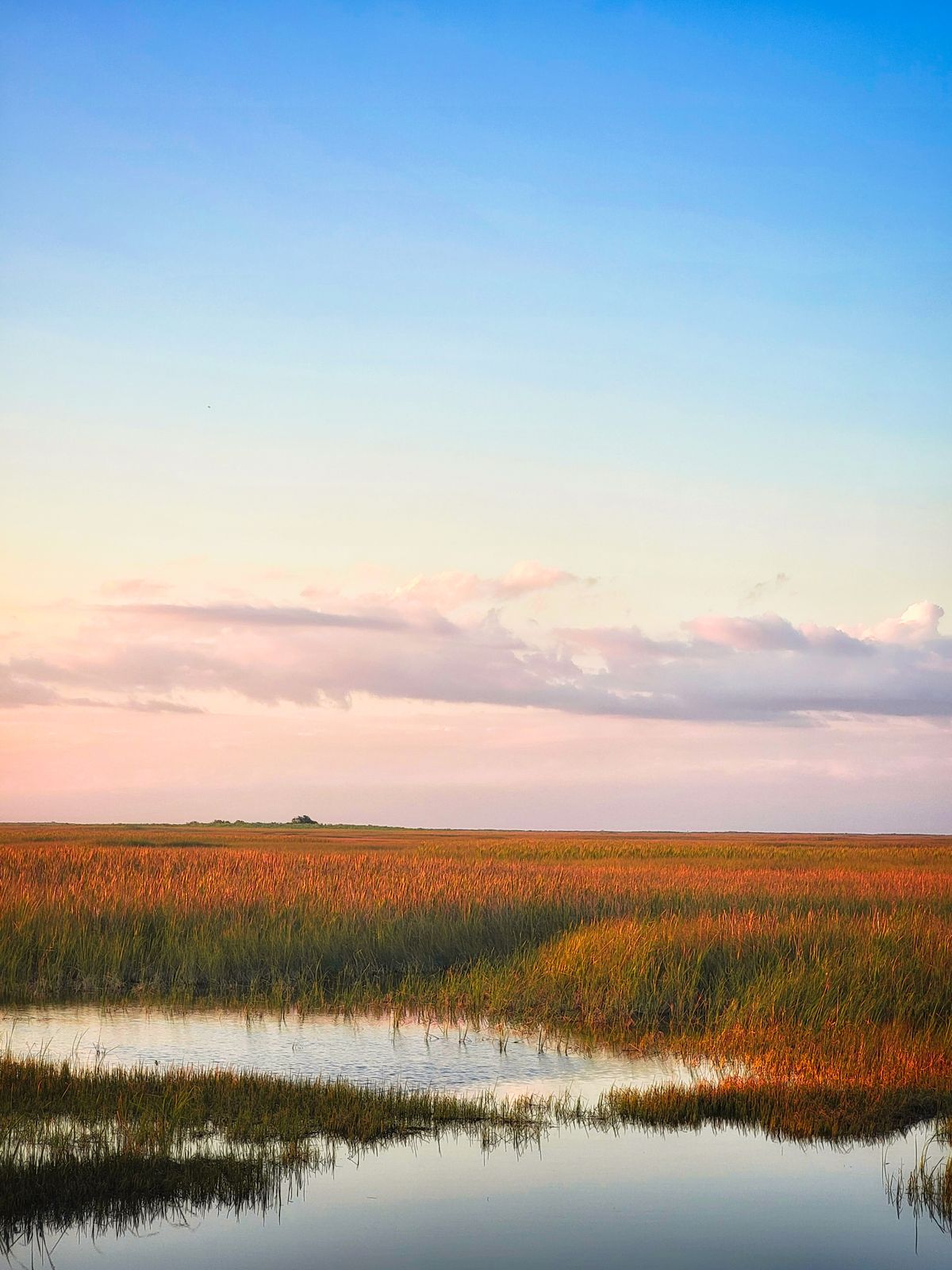
The shallow grass flats are the soul of Tampa Bay. Seagrass meadows grow the shrimp, crabs, and baitfish that feed everything, and the fish relate to the edges and features within them: the bare sand "potholes" where trout and reds ambush prey, the grass lines and drop-offs, the deeper cuts and channels between flats, and the oyster bars that hold redfish and drum. The mangrove shorelines are snook and redfish country, cast tight to the roots and the overhangs, especially on a higher tide when fish push up under the branches. Learn to pole or drift quietly across a flat, read the potholes and the bars, and fish the mangrove edges on the right tide, and you've unlocked the inshore game.
The Bridges, Passes, and Shipping Channel
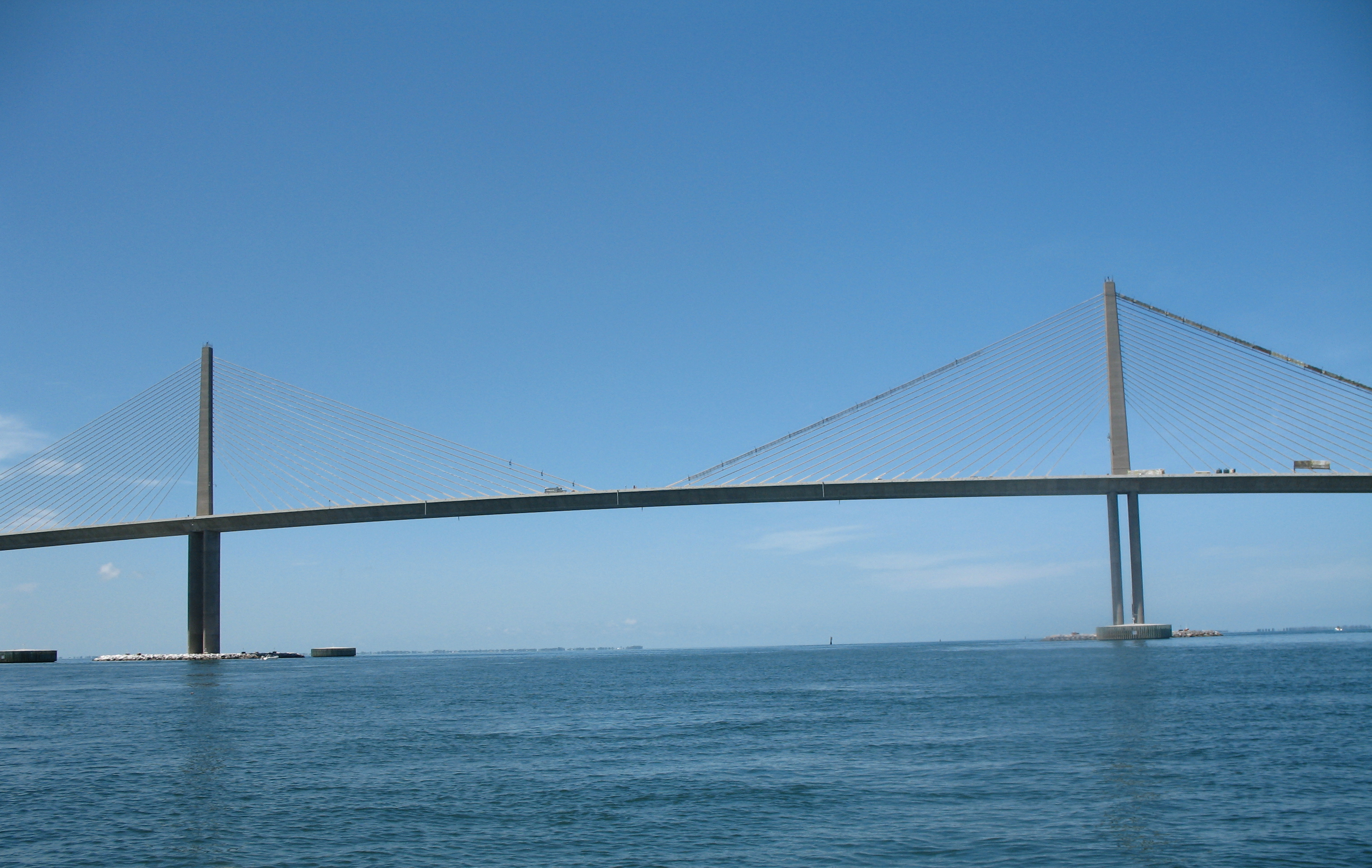
Tampa Bay's man-made and natural structure concentrates fish. The Sunshine Skyway Bridge, with its towers, rubble, and the famous Skyway Fishing Pier (the old bridge, now the world's longest fishing pier), is a magnet for tarpon, snapper, grouper, sheepshead, and more. The bay's passes at its mouth funnel bait and gamefish on the tide, and the deep shipping channel that runs up the middle gives tarpon, cobia, and grouper a highway and a place to hold. Bridges, passes, and the channel all fish best on moving water, when the current sweeps bait past waiting predators. These are the high-percentage spots when the flats are slow.
From Shore, Pier, and Bridge
You don't need a boat to fish Tampa Bay. The Skyway Fishing Pier lets shore anglers reach deep water for tarpon, snapper, grouper, sheepshead, and kingfish. Countless public piers, bridges, seawalls, and beaches around the bay and its passes put you on snook (famous around the lighted docks and bridges at night), redfish, trout, snapper, and sheepshead. Wade fishing the grass flats is a productive, affordable way to chase reds and trout on foot. For a first-timer without a boat, a bridge or pier at the right tide, or a wade on a shallow flat at dawn, is a genuine shot at the bay's best fish.
Reading the Tide
Tampa Bay fishing lives and dies on the tide. The moving water positions bait and turns on the bite: fish set up on the down-current side of oyster bars, potholes, bridge pilings, and pass edges to ambush what the current sweeps past, and the fishing typically fires on a strong incoming or outgoing tide and slows at slack. On the flats, a higher tide lets reds and snook push up into the mangroves and onto the bars; a falling tide pulls bait and fish off the flats into the cuts and channels, concentrating them. In the passes and around the Skyway, timing your tarpon and snapper fishing to the strong tides is everything. Check a tide chart before you launch, plan around the moving water, and you'll fish the bay at its best.
When to Go
- Spring (March–May): Excellent snook, redfish, and seatrout as the water warms and bait returns; the first tarpon arrive by late spring.
- Summer (June–August): Peak tarpon migration at the passes, beaches, and Skyway; strong snook, mangrove snapper on the structure, and morning topwater on the flats.
- Fall (September–November): Some of the most consistent action of the year for redfish (big schools), snook, and trout as fish feed up.
- Winter (December–February): Sheepshead gather on the structure, big gator seatrout on the flats, and reds and snook hold in the warm canals on cold days.
Licenses and Conservation
You'll need a Florida saltwater fishing license from the Florida Fish and Wildlife Conservation Commission (FWC) unless you're fishing from a licensed pier or charter that covers you. Tampa Bay's marquee inshore fish are tightly managed and the rules change, so check current FWC regulations before you keep anything: snook and redfish carry slot limits, seasons, and often catch-and-release-only periods, seatrout have slot and bag limits, and tarpon are effectively catch-and-release, requiring a special tag even to possess one. Handle and release these fish carefully, support the flats fishery that makes the bay special, and always confirm the current seasons, which shift year to year and sometimes close entirely to protect the stocks.
Weather, Wind, and Red Tide
A few natural factors shape the Tampa Bay fishing year. Summer afternoons bring fast, violent thunderstorms, so fish the mornings and keep an eye on the radar and the sky, lightning over open water is no joke. Wind can blow out the flats, so learn to find the protected, fishable shorelines on a breezy day. And occasionally the Gulf Coast sees red tide, a harmful algal bloom that can kill fish and foul the water for a time; when it hits, check local reports and fish another part of the bay or wait it out. None of this should scare you off, Tampa Bay fishes beautifully the vast majority of the year, but a little awareness of the weather and water conditions keeps you safe and on the fish.
How to Tie the Palomar KnotA Beginner's First Trip
The easiest introduction to Tampa Bay is a wade or a light-tackle charter on the grass flats for seatrout and redfish, fish a soft plastic under a popping cork over the grass, and you'll get steady action and a real shot at the inshore slam. If you want structure fishing, drop live shrimp around a bridge or the Skyway pier for mangrove snapper and sheepshead. And if you visit in summer and want the fish of a lifetime, book a tarpon guide for the migration, few things in fishing compare to a hundred-pound Silver King going airborne. Any of these gets you into the bay's fishery fast.
Guides and Gear
A flats guide with a poling skiff or bay boat is the fastest way to learn Tampa Bay's flats, mangroves, and structure. For gear, a 7-foot medium-light spinning rod with 10- to 20-pound braid covers snook, redfish, and trout with live pilchards and shrimp, soft plastics, and popping corks; a topwater walking bait draws dawn blowups. For tarpon, a heavy spinning or conventional outfit with 50- to 80-pound leader and live crabs is the tool. For the bridges and reefs, a medium-heavy rod with knocker rigs and live shrimp handles snapper, sheepshead, and grouper. Bring polarized glasses to spot fish on the flats, plenty of sun protection, and a knot you trust for the abrasion of mangroves and pilings.
Tampa Bay rewards anglers who fish the tide and the structure across its huge, varied water. Chase the inshore slam on the flats, jump a Silver King at the Skyway, or drop for snapper and sheepshead on the bridges, check the FWC rules, mind the seasons, and fish one of the great estuaries on the Gulf Coast. Few places pack this much variety and this much quality into one bay, and with a lifetime of flats, mangroves, bridges, and passes to explore, Tampa Bay never really runs out of new water. For the city-side view, see our how to fish Tampa and how to fish Clearwater guides.