Fish
Fish Fire
Fire Hike
Hike Bird
Bird

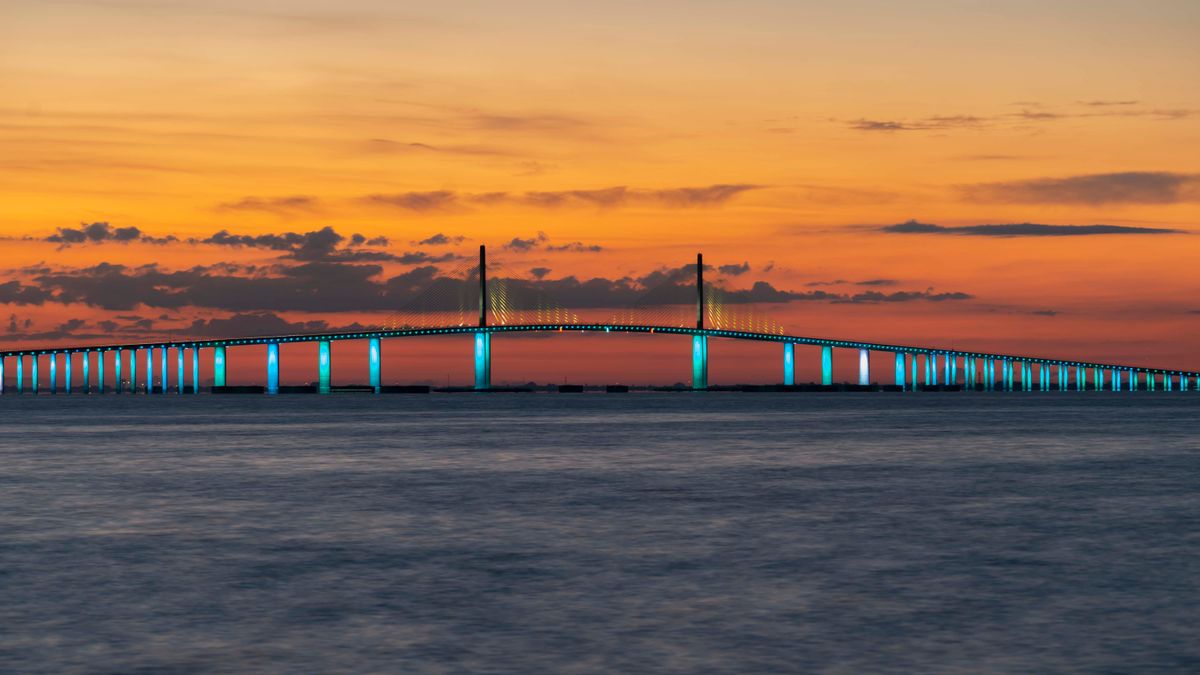

Tampa Bay is the largest open-water estuary in Florida, roughly 400 square miles of shallow grass flats, oyster bars, mangrove shorelines, tidal passes, bridge pilings, and deep shipping channels, all connected to the Gulf of Mexico and all holding fish. More than 200 species live in this system, from the trophy snook under the Gandy Bridge to the schools of redfish tailing across Weedon Island's flats to the tarpon rolling through Egmont Key Pass every May.
That variety is what makes Tampa Bay world-class. It is also what makes it intimidating if you have never rigged a rod. The bay is enormous, the tide matters more here than almost anywhere else in Florida, and showing up at the wrong spot on the wrong tide phase with the wrong rig is a reliable recipe for a fishless afternoon.
This guide breaks Tampa Bay fishing down by water type, flats, bridges and causeways, passes, piers, and nearshore Gulf, with specific gear, rigs, bait, and technique for each one. If you are visiting Tampa and want to catch fish, not just cast into the void, start here.
For a broader overview of Tampa's fishery, the full species calendar, charter options, seasons, and where to stay, read our complete Tampa fishing guide.
The One Thing You Must Understand: Tides Rule Tampa Bay
Before we talk gear, you need to understand one concept that governs every fishing decision in Tampa Bay: the tide.
Tampa Bay has a moderate tidal range, usually 2 to 3 feet, but because so much of the bay is shallow (average depth under 11 feet), that swing transforms the entire landscape. On a high incoming tide, water floods the grass flats and mangrove shorelines, spreading baitfish and predators across thousands of acres of shallow habitat. On a falling tide, all that water, and all those fish, drain off the flats and funnel through passes, channels, and cuts. Fish that were scattered across a mile of flat are suddenly concentrated in a 50-yard channel.
The practical takeaway: fish the flats on an incoming to high tide, and fish the passes, bridges, and channels on a falling to low tide. Get this one thing right and you will outfish anyone who ignores it.
Check the tide tables before every trip. The NOAA station for "Old Port Tampa" gives you the bay's central reference point. Free apps like Tides Near Me or the Fishbrain app work fine.
Gear: One Setup That Covers 80% of Tampa Bay
You do not need a garage full of tackle to fish Tampa Bay. One well-chosen spinning outfit handles redfish, snook, seatrout, sheepshead, jack crevalle, ladyfish, and every other inshore species you will encounter from shore, pier, bridge, or kayak.
The rod: A 7-foot medium or medium-light fast-action spinning rod. The Penn Battle III 3000 combo is the standard recommendation for a reason, it handles saltwater abuse, and pairs a quality reel with a capable rod. The Daiwa BG 3000 combo is an equally strong choice with a smoother drag. Either one will serve you for years if you rinse it with fresh water after each trip.
The line: Spool with 15-pound braided line (PowerPro or Sufix 832). Braid is thinner than monofilament at the same strength, casts farther, and transmits every bump and tap directly to your hand, critical for feeling the soft take of a seatrout on the flats.
The leader: Tie on 3 to 4 feet of 20-pound fluorocarbon leader (Seaguar Red Label is the local standard). Fluorocarbon is nearly invisible underwater and resists the abrasion from oyster bars, bridge pilings, and the razor-sharp gill plates of snook. Connect the braid to the leader with a double uni knot, it is the one knot-to-knot connection every Tampa angler uses, and it slides through rod guides smoothly.
Stepping up for snook and tarpon: If you specifically plan to target big snook around bridges or juvenile tarpon in the passes, bump up to a 4000-size reel with 20-pound braid and 30-pound fluorocarbon leader. The Penn Battle III 4000 or Daiwa BG 4000 handles this duty without being too heavy for all-day casting.
Renting gear: If you are visiting and do not want to buy, several Tampa-area bait shops rent rod-and-reel combos. Gandy Bait & Tackle near the Gandy Bridge, and Tampa Fishing Outfitters on Dale Mabry, both carry rental setups.
3 Great Fishing Knots in 5 Minutes: Improved Clinch, Uni-Knot, and LoopFlats Fishing: Tampa Bay's Signature Experience
Tampa Bay contains more fishable grass flats than any other estuary on Florida's Gulf Coast. Turtle grass, manatee grass, and shoal grass carpet the bottom in 1 to 4 feet of water, creating habitat for shrimp, crabs, and baitfish, which in turn attract redfish, seatrout, snook, and flounder. Flats fishing is the heart and soul of Tampa Bay angling, and it is surprisingly accessible to beginners who are willing to wade or paddle.
Where to Fish the Flats
Weedon Island Preserve (St. Petersburg side), The south and west shorelines of Weedon Island feature classic Tampa Bay flats: seagrass bottom, scattered oyster bars, and mangrove-lined edges. Redfish patrol the oyster bars, seatrout hold over sandy potholes in the grass, and snook tuck into the mangrove pockets. There is a public kayak launch and wade-fishing access. Fish the incoming tide here, as water rises, reds and trout move up onto the flat from the deeper channels.
Cockroach Bay (south Hillsborough County), One of the most pristine estuaries left in Tampa Bay. Extensive shallow flats with oyster bars, grass beds, and minimal boat traffic. This is prime redfish water, schools of reds tail across these flats on high tides, their copper-bronze backs visible in the morning sun. The downside: the shallowness demands precise tidal timing, and the soft bottom can make wading treacherous. A kayak is the better option here.
Safety Harbor Flats (north end of Old Tampa Bay), The flats north of the Courtney Campbell Causeway and around Safety Harbor hold solid populations of seatrout year-round. This is classic popping-cork water, 2 to 4 feet deep over mixed grass and sand. Easy wading access from Philippe Park.
Flats Gear and Rigs
Your standard 7-foot medium setup with 15-pound braid and 20-pound fluorocarbon leader is perfect for the flats.
The Popping Cork Rig (the #1 beginner rig for Tampa Bay)
If there is one rig that defines Tampa Bay fishing, it is the popping cork. A popping cork is a weighted foam or hard-plastic float threaded on a wire with beads above and below. When you snap your rod tip, the cork pops against the surface and the beads rattle, mimicking the sound of fish feeding on shrimp. Seatrout, redfish, and snook come to investigate.
How to rig it: Tie your braided mainline to the top swivel of the cork. Below the cork, attach 3 to 4 feet of 20-pound fluorocarbon leader to a 1/0 Owner Mutu Light Circle Hook. Bait with a live shrimp hooked under the horn (the spike between the eyes), or thread on a Berkley Gulp Shrimp in New Penny color on a 1/8-ounce jighead. The Cajun Thunder popping cork and the DOA Deadly Combo (cork plus pre-rigged shrimp) are both Tampa bait shop staples.
How to fish it: Cast over a grass flat or near an oyster bar. Pop the cork sharply, then let it sit for 5 to 8 seconds. Pop again. Repeat. When the cork disappears underwater, resist the urge to jerk, reel tight and sweep the rod to the side. Circle hooks do the work for you.
How To Rig Live Shrimp Under a Popping Cork for Redfish, Trout & SnookThe Soft Plastic Jig (for sight-fishing redfish)
When you can see redfish tailing or pushing wakes across a flat, a popping cork is too noisy. Switch to a soft plastic jig for a stealthier approach.
Rig a DOA Shrimp in gold glitter or a Berkley Gulp Shrimp in New Penny on a 1/4-ounce jighead tied directly to your fluorocarbon leader with an improved clinch knot. Cast 2 to 3 feet ahead of the fish's path (not on its head, you will spook it), let the jig sink to the bottom, and retrieve with slow, short hops. When you feel a "thump," set the hook.
The Gold Spoon (a Tampa classic)
A 1/4-ounce Johnson Silver Minnow in gold is perhaps the most iconic Tampa Bay redfish lure. It is weedless, cheap, and deadly effective over grass flats. Cast it past the target, retrieve with a steady medium speed so it wobbles just above the grass, and hold on. Redfish crush gold spoons.
Reading the Flat: What to Look For
- Tailing fish: A redfish feeding nose-down pushes its tail above the surface. On calm mornings, you can spot tails from 100 yards.
- Nervous water: Subtle ripples that do not match the wind pattern, a school of fish pushing just below the surface.
- Potholes: Sandy clearings in the grass. Seatrout stage over these potholes and ambush bait that crosses the open sand.
- Mullet activity: If mullet are jumping and scattering, something is chasing them. Cast to the commotion.
- Birds: Pelicans and terns diving on bait schools mark feeding fish below.
Polarized sunglasses are not optional for flats fishing. They cut the surface glare and let you see fish, structure, and bottom contour. The Costa Fantail in copper lens or Smith Guide's Choice in green mirror are local favorites.
Bridge and Causeway Fishing: Tampa Bay After Dark
Tampa Bay's three major causeways, the Gandy Bridge, the Courtney Campbell Causeway, and the Howard Frankland Bridge, are not just transportation corridors. They are linear fish-holding structure that concentrates predators around their pilings, and they offer some of the best free fishing access in the Tampa area. Bridge fishing is particularly productive at night, when lights attract baitfish and the snook move into ambush positions.
Gandy Bridge
The Gandy Bridge (connecting Tampa to St. Petersburg along Gandy Blvd) is arguably the most famous bridge-fishing spot in all of Florida. Snook stack up around the lighted pilings on outgoing tides, facing into the current and picking off shrimp, crabs, and baitfish that wash past. Night fishing under the Gandy during the warmer months (April through November) is a Tampa tradition.
How to fish it: Park at the Gandy Bridge Recreation Area (there is access on both the Tampa and St. Pete sides). Wade out or cast from the shoreline near the bridge pilings. Use a DOA Shrimp in glow or white color on a 1/4-ounce jighead, or a MirrOlure MirrOdine in bone or silver, a suspending twitch bait that mimics the small baitfish congregating under the lights. Cast up-current of a lighted piling, let the lure drift past the shadow line where the light meets darkness, and twitch it erratically. Snook hit on the pause.
For live bait, free-line a live shrimp or pilchard with no weight, letting the current carry it past the pilings naturally. Use a 3/0 circle hook and 30-pound fluorocarbon leader, snook have gill plates that shred lighter leaders.
Courtney Campbell Causeway
The Courtney Campbell runs between Tampa and Clearwater, with a paved recreational trail, parking areas, and wade-fishing access along much of its length. The flats on both sides of the causeway hold seatrout and redfish during the day, and the bridge pilings attract snook at night. It is a reliable fallback spot when other locations are blown out by wind, the causeway provides a wind-protected lee on one side or the other regardless of wind direction.
Howard Frankland Bridge
The Howard Frankland carries I-275 between Tampa and St. Pete and is harder to access on foot, but kayak anglers paddle to the pilings regularly. The deeper water around the Frankland holds sheepshead in winter and cobia in spring. If you are kayak fishing, a live shrimp on a simple knocker rig (1/2-ounce egg sinker threaded on the mainline above a swivel, 2 feet of fluorocarbon leader, 1/0 circle hook) dropped along the pilings is deadly for sheepshead.
Catch More Sheepshead With This Simple Fishing Rig on Tampa BayThe Passes: Where Falling Tides Stack Fish
Tampa Bay connects to the Gulf of Mexico through several passes and inlets, natural choke points where massive volumes of water (and everything living in it) funnel through on each tidal cycle. Fishing the passes on a falling tide is one of the most productive techniques in the entire bay.
Egmont Key and the Main Pass
The mouth of Tampa Bay between Egmont Key and Fort De Soto is the main artery. During tarpon season (late April through July), enormous schools of silver kings roll through this pass on their annual migration. This is boat-access fishing, charter captains position near the channel edges and drift live crabs, threadfin herring, or large pinfish through the tarpon lanes. If you have never seen a 150-pound fish launch completely out of the water 30 feet from the boat, book a tarpon trip out of Fort De Soto or Pass-a-Grille.
For beginners without a boat, Fort De Soto Park offers the next best thing: shore access near the pass with opportunities for snook, redfish, Spanish mackerel, and flounder. The North Beach area and the park's fishing piers are within reach of the pass currents.
Johns Pass (Madeira Beach)
Johns Pass separates Madeira Beach from Treasure Island on the barrier islands west of Tampa Bay. The jetties and seawalls along Johns Pass hold snook, sheepshead, mangrove snapper, and jack crevalle year-round. Walk-up access is free from the Johns Pass boardwalk area.
How to fish Johns Pass: On a falling tide, cast a live shrimp on a Carolina rig (1/2-ounce egg sinker, bead, barrel swivel, 18 inches of 20-pound fluorocarbon leader, 1/0 circle hook) tight against the seawall or rock structure. Let the current sweep the bait along the bottom. Sheepshead love this setup in winter, and snook hammer it in summer. For artificial, a DOA CAL 3-inch shad tail in gold glitter on a 1/4-ounce jighead worked along the rocks is excellent.
Pier Fishing: No Boat Required
Tampa Bay's piers put you over productive water without the cost of a boat or charter. Some are free; others charge a modest fee. All of them produce fish for beginners who show up with the right rig.
Skyway Fishing Pier State Park
The old Sunshine Skyway Bridge was converted into the longest fishing pier in the world, 1.5 miles of concrete stretching into lower Tampa Bay's deepest water. The pier sits over the shipping channel, giving shore anglers access to water 40 to 60 feet deep, depth you normally need a boat to reach.
What you will catch: Sheepshead (winter and spring, around the pilings), Spanish mackerel (spring and fall, on the surface), king mackerel (spring, free-lined live bait), mangrove snapper (summer, near the bottom), gag grouper (fall, near the pilings), and the occasional tarpon, cobia, or shark.
How to rig for the Skyway: For bottom species (sheepshead, snapper, grouper), use a knocker rig: thread a 1-ounce egg sinker on your mainline, add a small bead, tie to a barrel swivel, then attach 18 inches of 25-pound fluorocarbon leader to a 1/0 or 2/0 Owner Mutu Light Circle Hook. Bait with a live shrimp (sheepshead, snapper) or a chunk of cut ladyfish (grouper). Drop it straight down next to a piling and hold on.
For Spanish mackerel on top, use a 1-ounce Gotcha plug in silver or a Clark Spoon behind a trolling sinker. Cast it out and retrieve with a fast, erratic motion. Mackerel hit like an electric shock.
Fees and access: The Skyway Pier charges $4 per vehicle and $2 per person for fishing. Open 24 hours. There is a bait shop at the entrance. You do not need a Florida fishing license to fish from the Skyway Pier, pier licenses cover anglers.
Ballast Point Pier
Located in South Tampa along Bayshore Boulevard, Ballast Point Park's 600-foot pier has historically been one of Tampa's most popular free fishing spots. Important note: The pier sustained major damage from Hurricanes Helene and Milton and has been closed since late 2024. Check the City of Tampa Parks website for reopening status before you plan a trip. When it reopens, it is excellent for seatrout, snook, sheepshead, and small sharks on live shrimp.
Williams Park Pier (Gibsonton)
A lesser-known free pier on the east shore of Hillsborough Bay. Quieter than the Skyway, with good action for seatrout, redfish, and sheepshead on live shrimp under a popping cork or on a knocker rig fished near the pilings.
Bait: What to Use and Where to Get It
Live shrimp are the universal bait of Tampa Bay. They catch seatrout, redfish, snook, sheepshead, flounder, mangrove snapper, and just about everything else that swims. Available at every bait shop in the area. Hook them under the horn (the spike between the eyes) for a natural presentation, or through the tail for a faster sink when fishing deeper structure.
Pinfish are the preferred live bait for larger snook around bridges and structure. You can catch your own with a sabiki rig off any pier or buy them from bait shops. Hook a pinfish through the back (behind the dorsal fin) on a 3/0 or 4/0 circle hook and free-line near pilings.
Whitebait (scaled sardines / pilchards), The premier live bait for summer fishing in Tampa Bay. Charter captains throw cast nets to fill their livewells before the trip starts. If you can get whitebait, use it, nothing outperforms a lively pilchard for snook and seatrout. Most bait shops carry them seasonally, but availability varies.
Cut mullet, Cheap, available everywhere, and effective for bottom fishing on piers and bridges. Cut it into one-inch chunks and fish on a knocker rig.
Artificial lures: The Berkley Gulp Shrimp in New Penny on a 1/8-ounce jighead is the single most versatile artificial in Tampa Bay. Fish it under a popping cork for trout, bounce it on the bottom for redfish and flounder, or drift it past bridge pilings for snook. The DOA Shrimp in root beer gold glitter is the local favorite that has accounted for more Tampa Bay tournament wins than any other soft plastic. For topwater action on calm mornings, a Heddon Super Spook Jr. in bone walked across a flat at first light draws explosive strikes from snook and seatrout.
Species: What You Will Catch and When
Tampa Bay's "Big Three" inshore species, snook, redfish, and seatrout, are present year-round, but each has peak seasons and preferred habitats.
Spotted Seatrout, The most abundant gamefish in Tampa Bay. Found on grass flats in 2 to 4 feet of water year-round, with peak action in spring and fall. They hold over sandy potholes in the grass and ambush passing shrimp and baitfish. A popping cork with a live shrimp or Gulp Shrimp is the classic approach. Winter pushes bigger "gator trout" (over 20 inches) into deeper potholes and channels. Handle trout carefully, their mouths are paper-thin and tear easily.
Redfish (Red Drum), Patrol oyster bars, mangrove shorelines, and grass flat edges. Schools of slot-size reds (18 to 27 inches) tail across flats on high tides and push into channels on falling tides. Year-round residents, with fall producing the biggest schools. Gold spoons, Gulp Shrimp, and live shrimp are all effective. Redfish have a downward-facing mouth, keep your bait on the bottom.
Snook, The glamour fish of Tampa Bay. They ambush prey around structure, bridge pilings, dock lights, mangrove overhangs, and seawalls. The best snook fishing is at night under lighted bridges from April through November. Winter cold fronts push snook into residential canals and power plant outflows (the TECO power plant discharge in Apollo Beach is famous for concentrating snook in winter). Snook have razor-sharp gill plates that demand a minimum 20-pound fluorocarbon leader. Regulations: Snook require a separate $10 snook permit in addition to your fishing license. The slot limit on Florida's Gulf Coast is 28 to 33 inches, with specific open harvest seasons, check the FWC website for current dates, as they can change. Catch-and-release is permitted year-round.
Sheepshead, The winter specialist. From December through March, sheepshead swarm around bridge pilings, pier pilings, rock jetties, and anything else with barnacles and crustaceans growing on it. They are notoriously difficult to hook, they nibble bait with front teeth that look disturbingly human, but incredibly rewarding once you develop the feel. Use a small #1 or #2 Owner Mosquito Hook baited with a piece of fresh shrimp, fished on a light knocker rig tight against structure. When you feel the tap-tap-tap, do not set the hook. Wait for the steady pull. Then set.
Tarpon, The Silver King. Migratory tarpon flood Tampa Bay from late April through July, with May and June being peak months. They roll through the main passes (Egmont Key, Southwest Channel) and feed around bridges and in the deeper bay channels. Catching a tarpon is a bucket-list achievement, these fish average 80 to 150 pounds and fight with acrobatic jumps that will ruin you for all other fishing. A guided trip is strongly recommended for your first tarpon experience. For beginners wanting a taste, juvenile tarpon (20 to 40 pounds) inhabit residential canals and backcountry creeks year-round and are catchable on medium tackle with live bait.
Spanish Mackerel, Fast, aggressive, and fun on light tackle. Schools of mackerel blitz baitfish near the surface from March through November. Fish the Skyway Pier, the passes, or any beach with visible bait activity. A fast-retrieved silver spoon or Gotcha plug is all you need. Use a short length of 30-pound fluorocarbon leader, they have teeth that cut monofilament.
For a deeper dive into Tampa's seasonal fish calendar and the full species list, see our Tampa fishing destination guide.
Four Knots That Handle Everything in Tampa Bay
Learn these before your trip. Practice at home until they are automatic.
Double Uni Knot, Connects braided mainline to fluorocarbon leader. Overlap the two lines by six inches, tie a uni knot with each line around the other (4 wraps for braid, 3 for fluorocarbon), and pull the knots together. This is the most important knot in Tampa Bay fishing because every rig starts with a braid-to-leader connection.
Improved Clinch Knot, Ties your leader to hooks, swivels, and lure eyes. Thread the line through the eye, wrap five times around the standing line, pass the tag through the small loop near the eye, then through the big loop. Pull tight and trim. Fast, reliable, and strong enough for anything inshore.
Palomar Knot, The strongest hook knot, period. Double six inches of line, pass the loop through the hook eye, tie an overhand knot with the doubled line, pass the hook through the loop, pull tight. Use this when targeting heavy fish around structure where you cannot afford a knot failure.
Non-Slip Loop Knot, Creates a small loop at your hook or lure eye, giving artificial lures freedom to swing and swim naturally. Essential when fishing a DOA Shrimp or MirrOlure MirrOdine, the loop knot makes the lure action dramatically more lifelike compared to a cinch knot.
How to Tie the Improved Clinch Knot, The Most Popular Fishing KnotPractical Details
Fishing license: Florida requires a saltwater fishing license for anyone 16 and older. Non-residents can buy a 3-day license or 7-day license ($30) at bait shops, Walmart, or online at GoOutdoorsFlorida.com. You do not need a license to fish from a licensed pier, this includes the Skyway Fishing Pier. Charter boats cover everyone on board. If you plan to keep a snook, you need a separate snook permit ($10).
Tides: Check tides before every session. Fish flats on incoming to high tide. Fish passes, bridges, and channels on falling to low tide. This single piece of knowledge is worth more than any lure in your tackle box.
When to go: Early morning (first light to 9 AM) is the most productive window for flats fishing. Bridge fishing peaks from sunset through midnight. Pier fishing can produce all day, especially on tide changes. The shoulder seasons, March through May and October through November, offer the best combination of comfortable weather and aggressive fish behavior.
What to wear: Light-colored, moisture-wicking long-sleeve shirt (the Tampa sun reflecting off the water is punishing), shorts, non-slip shoes or wading boots if you plan to wade, a wide-brimmed hat, and polarized sunglasses. SPF 50+ sunscreen, applied before you leave and reapplied every two hours.
What to bring: Water (bring twice as much as you think you need, Tampa's heat and humidity are serious), a small cooler with ice if you plan to keep fish, needle-nose pliers for hook removal, a fish-gripping tool, a towel, and bug spray for dawn and dusk sessions near the mangroves.
Where to get bait and local intel: Gandy Bait & Tackle (near the Gandy Bridge), Tampa Fishing Outfitters, Bill Jackson's (Pinellas Park), and The Fishin' Shed (Gibsonton) are all trusted local shops. Tell them where you plan to fish and what tide you are targeting, they will set you up with the right bait and current intel.
Boat ramps: If you bring or rent a boat, public ramps at Williams Park (Gibsonton), Courtney Campbell Causeway, and the Gandy Bridge area provide access to different sections of the bay. Fort De Soto Park has a ramp that accesses the lower bay and passes.
If you are exploring Florida's Gulf Coast beyond Tampa, the fishing only gets better to the south around Fort Myers and Naples, or north to Panama City Beach and Destin. Each destination has its own character, and we have beginner how-to guides for Panama City Beach, Destin, and Gulf Shores, Alabama.
A Beginner's First Day on Tampa Bay: The Plan
If you have one day and no boat, here is what I would do:
Morning (6 AM - 9 AM): Head to the Courtney Campbell Causeway or the Safety Harbor flats. Rig a popping cork with a live shrimp or Gulp Shrimp and work the grass flats on the incoming tide. Target seatrout and redfish. This is your best shot at sight-fishing a tailing redfish in shallow water.
Mid-day (10 AM - 1 PM): Drive to the Skyway Fishing Pier. Rig a knocker rig with a live shrimp and fish the pilings for sheepshead (winter) or mangrove snapper (summer). If you see bait spraying on the surface, switch to a Gotcha plug for Spanish mackerel. Buy lunch at the pier bait shop.
Evening (5 PM - dark): Head to the Gandy Bridge. As the sun drops, rig a DOA Shrimp or MirrOlure MirrOdine on 20-pound fluorocarbon and work the lighted pilings. On a falling tide, snook will be stacked up in ambush positions. Cast up-current and twitch your lure past the shadow line. The bite turns on like a switch once the lights overpower the fading daylight.
That is three distinct Tampa Bay fishing experiences in a single day, flats, pier, and bridge, and you will have covered most of the species the bay has to offer.
Beginners Guide: Rigging, Techniques, and Pro Tips for Catching Florida Tarpon