Fish
Fish Fire
Fire Hike
Hike Bird
Bird

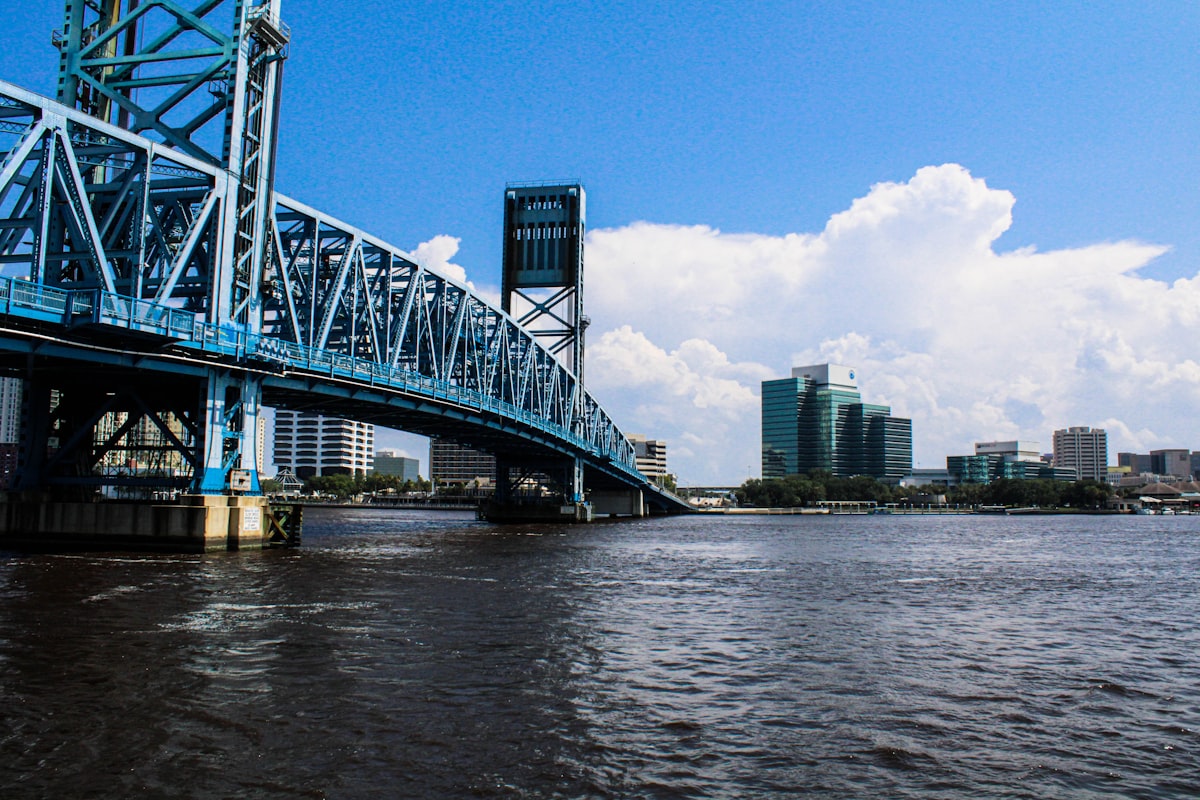

Jacksonville is the largest city by area in the continental United States, and it straddles one of the most versatile fishing ecosystems in Florida. The St. Johns River, one of the few rivers in North America that flows north, runs through the center of the city and empties into the Atlantic Ocean at Mayport. That confluence gives you access to freshwater bass fishing in the upper river, brackish inshore fishing for redfish and seatrout in the middle, saltwater jetty fishing for sheepshead and flounder at the mouth, ocean pier fishing at Jacksonville Beach, and nearshore reef fishing for snapper and cobia, all within a 45-minute drive of downtown.
Jacksonville does not have the beach-vacation profile of Destin or the Keys, which means it is under-fished relative to what it offers. The Mayport Jetties alone would put most towns on the fishing map. Add in the Intracoastal Waterway marsh system, the offshore artificial reef network (over 100 deployed reefs), and the St. Johns bass fishery, and you have a city that quietly rivals any fishing destination in the state.
This guide covers the practical how-to for each fishery. For the full destination overview, seasons, species, charter fleet, and trip planning, read our complete Jacksonville fishing guide.
Mayport Jetties: Jacksonville's Best Shore Fishing
The Mayport Jetties extend from both sides of the St. Johns River mouth into the Atlantic. The north jetty (Huguenot Park side) and the south jetty (Mayport Naval Station side, public access at Jetty Park) create strong tidal current that funnels bait and attracts every inshore and nearshore species in Northeast Florida.
What You'll Catch
Sheepshead are the jetty's signature fish, they live in the rocks year-round and peak November through March. Sheepshead crush barnacles off the rocks with their human-like teeth and are notoriously tricky to hook. Catching one on purpose, not by accident, means you've graduated from beginner.
Redfish patrol the jetty edges on incoming tides, especially in fall (September through November) when bull reds (30+ inches) move through the inlet.
Flounder lie flat on the sandy bottom near the base of the rocks, ambushing bait that the current sweeps past. Best May through October.
Black drum show up in winter alongside the sheepshead. They eat the same baits and fight harder.
Spanish mackerel and bluefish run past the jetties in schools from spring through fall. Fast-moving and fun on light tackle.
Gear
A 7-foot medium-heavy spinning rod with a 4000-size reel handles everything at the jetties. The Penn Battle III 4000 combo is the go-to, it's tough enough for the rocks and has the drag for bull reds. Spool with 20-pound braid (PowerPro Spectra) and a 3-foot leader of 20- to 25-pound Seaguar Blue Label fluorocarbon. The rocks eat line, so check your leader for nicks after every fish.
Rigs and Bait
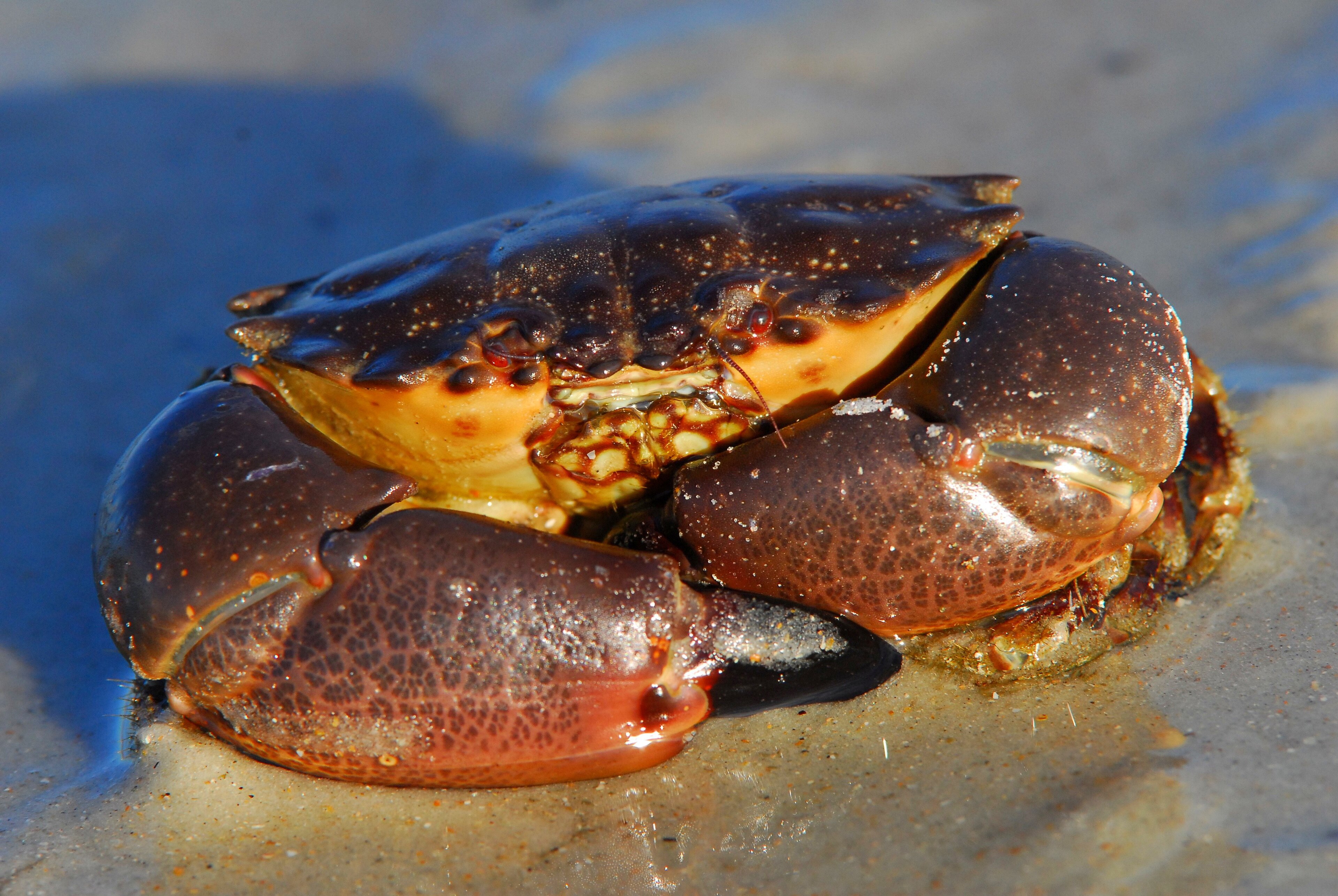
For sheepshead: A #1 or 1/0 Gamakatsu Octopus hook with a small split shot, baited with a live fiddler crab. Drop it straight down against the rocks. The bite feels like a light tap, don't wait, set the hook. Fiddler crabs are available at most local bait shops for $3 to $5 per dozen. No fiddler crabs? Use a small piece of fresh shrimp threaded tightly onto the hook so it won't come off easily.
For redfish and drum: A Carolina rig, 1-ounce egg sinker sliding on the mainline above a barrel swivel, 2-foot fluorocarbon leader to a 3/0 Owner Mutu Light circle hook. Bait with a chunk of fresh-cut mullet, live shrimp, or half a blue crab. Cast along the jetty edge and let the current position the bait near the rocks.
For flounder: Same Carolina rig but baited with a live mud minnow or a 4-inch Berkley Gulp Swimming Mullet in white on a 1/4-ounce VMC jighead. Drag it slowly along the sandy bottom near the base of the rocks.
For mackerel and bluefish: Cast a 1-ounce Kastmaster spoon in chrome or a Gotcha plug past the rocks and retrieve fast. When they're schooling, you'll see birds working and bait showering on the surface.
How to Tie a Carolina Rig for Inshore FishingInshore: Marsh Creeks and the ICW
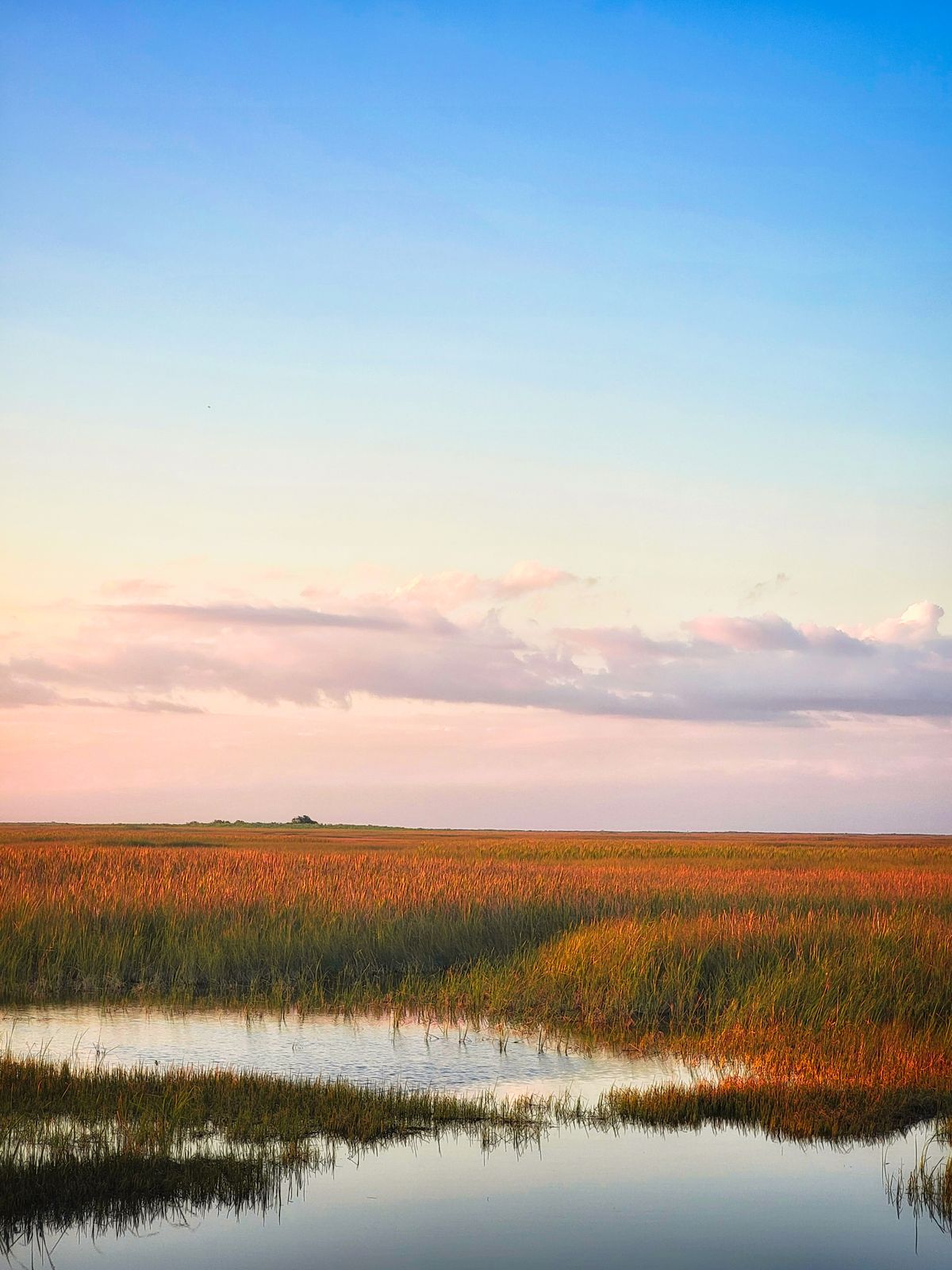
The Intracoastal Waterway (ICW) runs behind Jacksonville Beach and connects a maze of tidal creeks, oyster bars, and grass flats that hold redfish, seatrout, flounder, and jack crevalle year-round. This is the same Lowcountry-style marsh fishing that makes Charleston and Hilton Head famous, but with less boat traffic and less pressure.
Where to Fish
Mill Cove, a large shallow embayment connected to the St. Johns River, is one of the most productive inshore spots in Jacksonville. Redfish, seatrout, and flounder use the grass flats and oyster bars. Accessible by boat or kayak.
Sisters Creek, Clapboard Creek, and Pablo Creek, tidal creeks off the ICW with oyster-lined banks and grass edges that hold redfish and trout. Fish the creek mouths on outgoing tide when bait funnels out.
Nassau Sound, north of the island, Nassau Sound and its tributaries are some of the most productive waters in Northeast Florida. The Nassau Sound Fishing Bridge offers free shore access. Redfish, sheepshead, drum, and flounder.
George Crady Bridge Fishing Pier, on Big Talbot Island, this old bridge has been converted to a fishing pier with free access. Produces redfish, sheepshead, flounder, and drum over oyster bottom.
Tackle
A 7-foot medium spinning rod with a 3000-size reel is the inshore standard. The Shimano Nasci 3000 or Penn Battle III 3000 paired with 15-pound braid and a 15- to 20-pound fluorocarbon leader. Lighter than the jetty setup, you're fishing calmer water for smaller fish.
Popping cork rig: A Cajun Thunder popping cork with a live shrimp on a 1/0 Owner Mutu Light circle hook, suspended 18 to 24 inches below the cork. Pop it along oyster bars and grass edges. The rattling sound attracts redfish and trout from yards away. This is the single most effective rig for Northeast Florida inshore fishing.
Popping Corks for Beginners: The Complete SetupSoft plastics: A 3-inch Berkley Gulp Shrimp in new penny or a DOA CAL Shad in golden bream on a 1/4-ounce VMC jighead. Cast to oyster bars, dock pilings, and creek mouths. Let it sink, twitch, pause. Effective when live bait isn't available.
Gold spoon: A Johnson Silver Minnow in gold (weedless) for redfish on the flats. Cast over grass, retrieve with a steady wobble.
St. Johns River: Freshwater Bass
The St. Johns River is one of the best largemouth bass fisheries in the southeastern United States. The middle and upper river (south of Jacksonville toward Palatka and Lake George) produces trophy bass, especially in winter and spring when fish move to the shallow lily pad fields to spawn.
You can fish the river from Jacksonville, but the best bass fishing is 45 minutes to an hour south. For a quick session close to the city, the lower river near the Buckman Bridge and Orange Park holds bass around dock pilings, seawalls, and creek mouths.
Gear
A 6'6" to 7-foot medium or medium-heavy baitcasting combo is the standard for St. Johns bass. The Lew's Mach Crush SLP combo or Abu Garcia Revo X combo handles everything from worms to topwater. Spool with 15- to 17-pound Berkley Trilene 100% Fluorocarbon.
For spinning, a Shimano Nasci 2500 with a 7-foot medium-light rod and 10-pound braid to 8-pound fluorocarbon leader.
Lures
Texas-rigged soft plastic: A 5-inch Zoom Trick Worm in watermelon red or Senko in green pumpkin on a 3/0 Owner Wide Gap hook with a 1/4-ounce tungsten bullet weight. Flip it into lily pads, around docks, and along grass lines. This is the #1 bass technique on the St. Johns.
Topwater frog: A Booyah Pad Crasher in leopard frog walked across lily pad mats in early morning. When a bass blows up on a frog in the pads, it's the most exciting moment in freshwater fishing.
Spinnerbait: A 1/2-ounce Strike King KVD Spinnerbait in white/chartreuse slow-rolled along grass edges and docks. Covers water fast and catches aggressive fish.
Giant Jacks and Bass, St Johns River JacksonvillePier Fishing: Jacksonville Beach
The Jacksonville Beach Ocean Pier extends into the Atlantic and produces croaker, whiting, bluefish, flounder, pompano, and Spanish mackerel depending on season. Rod rental and bait available on-site. No charter needed, just walk on and fish.
A 7-foot medium rod with a 3000 reel and a bottom rig baited with Fishbites in shrimp flavor or fresh-cut shrimp handles most pier species. For mackerel, cast a Gotcha plug or a 1/2-ounce Kastmaster in chrome past the breakers and retrieve fast.
Nearshore Reefs
Jacksonville's artificial reef system, over 100 deployed structures in 40 to 80 feet of water, holds red snapper (during open season), vermilion snapper, black sea bass, triggerfish, amberjack, and cobia.
Half-day charters ($400 to $700 private, $60 to $100 per person on head boats) run to the nearshore reefs for bottom fishing. Standard chicken rig with cut squid or live shrimp on 3/0 Owner SSW circle hooks. The boats provide all gear and bait.
Cobia (March through May) are the bonus fish, they cruise the surface near buoys and reef markers. Captains spot them and you pitch a live eel or a heavy jig. Cobia are one of the best-eating fish in the ocean and they fight like they're twice their size.
Red snapper season (typically June through August, with specific dates set by NOAA each year) is the highlight of the offshore calendar. Jacksonville's reef system holds excellent numbers of snapper, and during the open window, every head boat and charter runs dedicated snapper trips. The fish bite aggressively, drop a baited rig to the bottom and you'll have one in minutes. The bag limit is typically two per person, and a limit of red snapper fillets is some of the best eating in the ocean. Book these trips early, they fill up weeks in advance during the open season.
King mackerel pass through Jacksonville waters from April through October, with the peak in late spring and early fall. The nearshore artificial reefs concentrate kings, captains troll live bait (blue runners, pogies) and diving plugs along the reef edges. Kings hit hard and run fast, a 30-pound king on medium tackle is a fight you'll remember.
Epic Inshore Fishing Jacksonville FL, Redfish, Trout, Flounder, SheepsheadTides: The Jacksonville Variable
The St. Johns River mouth has a tidal range of 4 to 5 feet, significant for Florida. This drives the entire inshore and jetty fishery.
Incoming tide pushes clean ocean water and bait into the river and marsh creeks. Best for jetty fishing and creek mouths.
Outgoing tide flushes bait out of the creeks, concentrating it at the mouths and in the channels. Best for flounder at the jetties and redfish at creek outflows.
Slack tide (the pause between incoming and outgoing) is generally the slowest period. Plan your trip around the moving water.
Knots You Need
Double Uni Knot, braid to fluorocarbon leader. The most important knot for every setup.
Improved Clinch Knot, hook or lure to leader. Fast and reliable.
Palomar Knot, alternative for braided line connections to jigs and lures.
Snell Knot, for circle hooks on Carolina rigs and popping cork rigs.
Double Uni Knot: How to Tie Braid to FluorocarbonPractical Details
Fishing License: Florida saltwater license required for anyone 16 to 65. Non-resident: $17 for 3 days, $30 for 7 days, $47 annual. Freshwater license separate: same prices. Available at GoOutdoorsFlorida.com, Walmart, or any tackle shop. Charter boats and licensed piers cover you.
Where to Buy Tackle and Bait: Strike Zone Fishing (Mayport) is the local authority for jetty and inshore, live bait, fiddler crabs, and genuine local knowledge. Bass Pro Shops (Regency Square area) has a massive selection of everything mentioned in this guide. Beach Bum's Bait & Tackle (Jacksonville Beach) carries surf and pier gear plus live shrimp. For fiddler crabs, call Strike Zone the day before to make sure they're stocked.
What to Wear: Light, breathable clothing year-round. Long sleeves for sun protection on the jetties and flats. Polarized sunglasses (Costa Del Mar 580G or Smith Chromapop are the Florida guide standard, worth every penny for sight-fishing) are essential. Sturdy shoes on the jetty rocks, not sandals. Bug spray for marsh fishing at dawn and dusk.
Best Times: Early morning (first light to 9 AM) is prime for every fishery. Moving tides beat slack tides, check tides4fishing.com for Jacksonville. Fall (September through November) is the best all-around season, bull reds at the jetties, trout in the creeks, bass on the river, mackerel offshore. Winter is prime for sheepshead and black drum.
For the full rundown of Jacksonville's fishing seasons, charter options, and trip planning, read our complete Jacksonville fishing guide.