Fish
Fish Fire
Fire Hike
Hike Bird
Bird

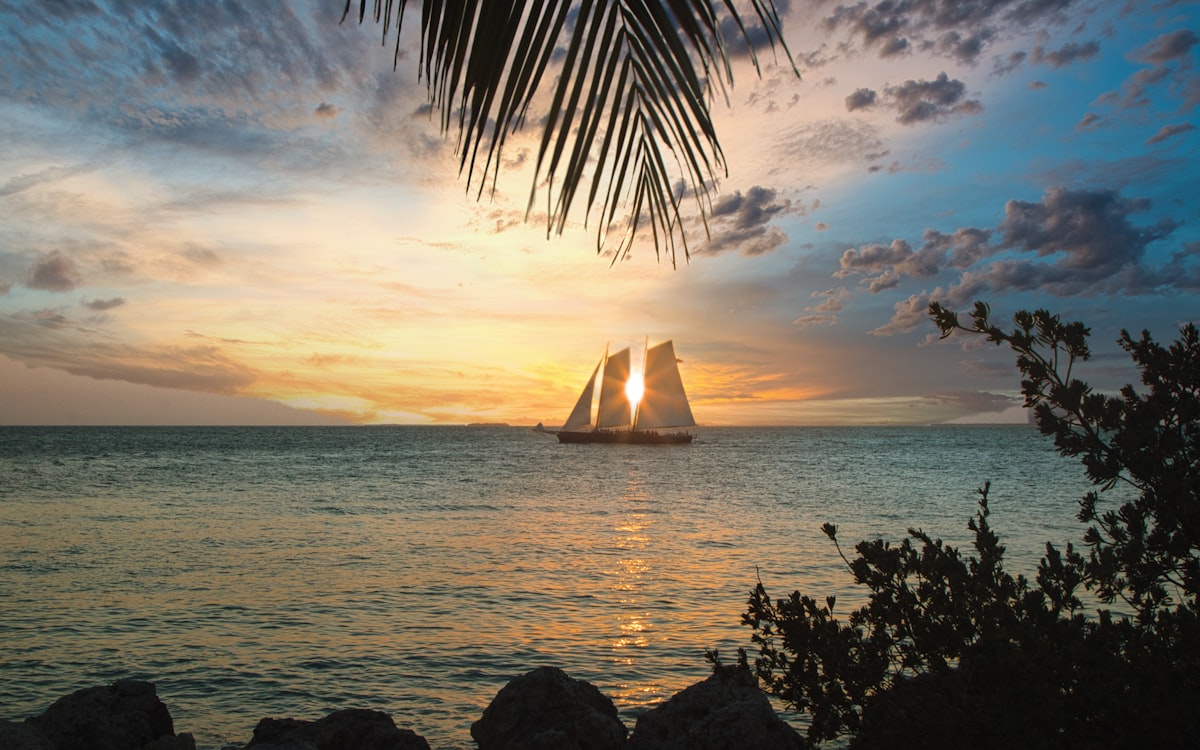

Key West sits at mile marker zero, the very end of the road, where the Gulf of Mexico and the Atlantic Ocean merge across 400-plus square miles of shallow estuary, mangrove-lined backcountry, coral reef, and deep blue water. It is one of the few places on earth where you can chase bonefish on gin-clear flats before breakfast, jig yellowtail snapper off a public pier at lunch, and watch a 150-pound tarpon explode under a bridge at sunset, all without ever leaving the same island chain.
If you are new to fishing, that variety can feel overwhelming. This guide breaks Key West fishing down by the type of water you will actually stand on (or float over), with specific gear, rigging, bait, and local knowledge for each one. No vague "bring a medium rod" advice. Real setups, real spots, real expectations.
For broader destination planning, seasons, regulations, where to stay, and how to pick a charter, see our complete Key West fishing guide.
Understanding the Key West Fishery
Before you buy a single hook, it helps to understand why Key West fishes differently from almost anywhere else in the country. The island sits at the convergence of warm Gulf currents and Atlantic tidal flow. That mixing creates an ecosystem stacked from top to bottom: vast turtle grass flats that hold bonefish and permit, mangrove shorelines that shelter snook and juvenile tarpon, coral heads loaded with snapper and grouper, and the deep edge of the Gulf Stream only about eight miles offshore where pelagic species like mahi-mahi, wahoo, and sailfish patrol.
The water is warm year-round, rarely below 70 degrees even in January, which means there is no true "off season." Fish simply shift locations and feeding patterns rather than disappearing. That warmth also means the flats stay fishable twelve months a year, something the bonefish flats of the Bahamas cannot always claim.
The tides in Key West are subtle compared to the Northeast or Pacific coast. You might see only a foot of tidal swing on a given day, but that small movement is everything on the flats, where a six-inch drop can expose an entire flat and push every bonefish into a narrow channel edge. Pay attention to the tide. It matters here more than almost any other single variable.
Flats Fishing: The Crown Jewel
The flats of the Lower Keys, from Sugarloaf Key down through Boca Chica Channel and into the Key West National Wildlife Refuge, are what put this place on the global fishing map. This is sight-fishing country: crystal-clear water measured in inches, not feet, where you spot the fish before you cast.
What You Are Targeting
The "Big Three" of flats fishing are bonefish, permit, and tarpon. Landing all three species in a single day is called a Grand Slam, and Key West is one of the only places in the United States where it is realistically achievable.
Bonefish, Called the "Gray Ghost" for their ability to vanish over a sandy bottom. They travel in schools on the Lower Keys flats, rarely exceeding ten pounds but pulling far harder than anything their size should. Smaller fish in bigger schools are actually easier for beginners because the competition makes them less selective.
Permit, Larger (up to 40 pounds), pickier, and arguably the most difficult shallow-water fish to catch on the planet. They return to the flats from their offshore spawn in June and stay through fall. Do not expect to catch one on your first trip. Do expect to become obsessed with trying.
Tarpon, The migratory Silver Kings start showing up in March, peak in April and May, and thin out by late June. Resident juvenile tarpon (20 to 60 pounds) are available year-round in backcountry channels and basins. A hundred-pound tarpon on the flats is a realistic goal for a beginner who books a good guide and can make a 40-foot cast.
Gear for the Flats (Spinning)
Most beginners will fish the flats with spinning tackle, not fly gear. Here is the setup your guide will likely hand you, or what you should rig if you are wading on your own:
- Rod: 7-foot medium-light to medium, fast-action spinning rod. The St. Croix Triumph 7'0" Medium-Light is a solid, affordable choice that handles bonefish and small tarpon.
- Reel: A Penn Battle III 3000 or Daiwa BG 3000 spooled with 10-pound braided line (PowerPro or Sufix 832) and a 20-foot leader of 12-pound fluorocarbon (Seaguar Red Label).
- Terminal tackle for bonefish: A 1/8-ounce jighead (Owner Ultrahead) threaded with a Berkley Gulp Shrimp in New Penny color is the simplest, most effective bonefish presentation for beginners. Cast it two to three feet ahead of a cruising school and let it sink to the bottom. When you feel the tick, strip-set, do not lift the rod tip like you would for bass.
- Terminal tackle for permit: A small live crab (blue crab, about silver-dollar size) on a 1/0 Owner Mutu Light Circle Hook with a short 20-pound fluorocarbon leader. Lob it gently ahead of the fish and let it sink naturally. Permit are spooked easily by splashy casts.
- Terminal tackle for tarpon (juvenile): A DOA Baitbuster in silver or a live pilchard on a 4/0 circle hook with 40-pound fluorocarbon leader. For full-size migratory tarpon, you need heavier gear, see the bridge fishing section below.
Gear for the Flats (Fly)
If you fly fish, the flats demand precision casting, not distance. A 7- or 8-weight rod covers bonefish and permit. A 10- or 11-weight handles juvenile tarpon, and a 12-weight is standard for migratory fish over 80 pounds.
A reliable beginner fly setup for bonefish: Redington Vice 8-weight combo with a weight-forward floating line and a 9-foot leader tapered to 10-pound. Tie on a Gotcha fly in size 4 (pearl or pink) or a Clouser Minnow in chartreuse-and-white (see our Clouser Minnow tying guide to tie your own). These two patterns cover 90 percent of Keys bonefishing.
For permit on fly, the standard is a weighted crab pattern, a Merkin crab or Avalon Permit Fly in tan, cast on a 10-weight rod with a 12-pound tippet. It is, objectively, one of the hardest things in fishing. But when it works, nothing else compares.
Florida Keys Flats Fishing: Bonefish & TarponReading the Flat
Your guide will be standing on the poling platform doing most of the spotting, but learning to see fish yourself makes the day dramatically more productive. Here is what to look for:
- Tailing: A bonefish or permit feeding nose-down on the bottom will push its tail above the surface. It is unmistakable once you have seen it, a flickering silver or black fork waving above the water.
- Mudding: A cloudy patch on an otherwise clear flat means fish are rooting around the bottom. Bonefish make light, diffuse muds. Rays make concentrated, darker muds (and often have permit following them to scavenge disturbed crabs).
- Nervous water: A subtle ripple or push on the surface that does not match the wind. This is a school of fish moving just below the surface.
- Shadows: On bright days with a high sun, you will sometimes see the shadow of a fish on the bottom before you see the fish itself. Polarized sunglasses are not optional, they are the single most important piece of gear on the flats. The Costa Fantail or Smith Guide's Choice in copper or green mirror are local favorites.
Pier and Shore Fishing: No Boat Required
Not everyone wants to (or can afford to) book a charter. Key West has some of the best free public fishing access in Florida, and you can catch legitimate gamefish without ever stepping on a boat.
White Street Pier (Edward B. Knight Pier)
This is Key West's longest fishing pier, stretching well into the Atlantic on the south side of the island. It is free, open 24 hours, and holds a surprising variety of fish. The water surrounding the pier is shallow with high clarity, which makes sight-fishing possible, you can often see tarpon, jacks, and barracuda cruising under the pier before you cast.
What to bring:
- Rod: A Penn Pursuit IV 7'0" Medium combo (4000-size reel) with 15-pound braid and a 2-foot 20-pound fluorocarbon leader handles everything from snapper to juvenile tarpon.
- Bait: Live shrimp is king. Hook a live shrimp through the horn (the spike on its head) on a 1/4-ounce jighead and drop it along the pilings. Yellowtail snapper, mangrove snapper, jack crevalle, and snook all feed here.
- For tarpon: If you see tarpon rolling near the pier (they often surface to gulp air), switch to a live pinfish or mullet on a 5/0 circle hook with 50-pound fluorocarbon leader. Free-line it (no weight) and let the current carry it toward the fish.
Timing: The first two hours of light and the last hour before dark are peak feeding times. During mid-day, snapper retreat under the pier structure and become less aggressive.
20 FISH in 2 HOURS! Pier Fishing in Key West with Shrimp White Street Pier Sunrise FishingSmathers Beach and Higgs Beach
Smathers Beach, on the south shore near the airport, has roughly 3,000 feet of fishable beachfront. During incoming tides, bonefish push onto the sandy flats in front of the beach, and you can genuinely wade-fish for them in knee-deep water, one of the few places in the Keys where bonefish are accessible without a boat.
Rig the same way as the flats setup above: a Berkley Gulp Shrimp on a 1/8-ounce jighead with a long fluorocarbon leader. Wade quietly, watch for nervous water or tailing fish, and cast ahead of them. Early morning on an incoming tide is the window.
Higgs Beach has a smaller pier (Higgs Pier) at the west end that is quieter than White Street and good for snapper and small jacks with live shrimp.
How To Fish Smathers Beach, Key West - Tarpon TipsThe Outer Mole Pier
Located at the northwest end of the island near Fort Zachary Taylor, the Outer Mole Pier is less well-known to tourists and fishes well for tarpon, barracuda, mackerel, and snapper. Barracuda are almost always present here and will hit a fast-retrieved silver spoon, a Johnson Silver Minnow 1/2 oz or Acme Kastmaster 3/4 oz cast parallel to the pier and retrieved quickly is the classic rig.
Bridge Fishing: Tarpon Alley
The old highway bridges of the Florida Keys are some of the most productive shore-based fishing structures in the world. Tidal current funnels through the channels beneath them, creating a natural feeding station. The two most famous for beginners to know about are Bahia Honda Bridge and the old Seven Mile Bridge, both within reasonable driving distance of Key West.
Bahia Honda Bridge
From mid-March through mid-June, giant migratory tarpon pour through the Bahia Honda Channel by the thousands. This is arguably the best shore-access tarpon fishery on the planet. The old Bahia Honda Bridge (inside Bahia Honda State Park) gives you a front-row seat.
The rig: This is not light-tackle fishing. You need:
- Rod: A heavy spinning rod, 7'6" or longer, rated for 30- to 50-pound line. The Penn Carnage III 7'6" Heavy handles bridge tarpon well.
- Reel: A Penn Slammer IV 6500 or Daiwa BG 8000 loaded with 50-pound braid and 150 yards of 60-pound monofilament backing.
- Leader: 5 feet of 60- to 80-pound fluorocarbon (Seaguar Blue Label) tied to a 7/0 Mustad Demon Perfect Circle Hook.
- Float: A DOA Clacker float or a small balloon positioned about 3 feet above the hook to keep the bait in the strike zone.
- Bait: A live blue crab, about palm-sized, hooked through the corner of the shell. Crabs are the number-one tarpon bait at the bridges. Second choice is a live mullet hooked through the lips.
Drift the rig with the current and into visible pods of tarpon. When a tarpon eats, do not set the hook immediately, let the fish turn and tighten the line against the reel's drag, then come tight. Tarpon have bony mouths, and a premature hook-set usually results in a lost fish.
Important: Bahia Honda State Park charges an entrance fee (currently $8 per vehicle) and the bridge walkway can get crowded during peak tarpon season. Arrive early.
If the Lower Keys backcountry interests you, the fishing only gets better as you head northeast toward Islamorada, which is considered the Sport Fishing Capital of the World.
Old Seven Mile Bridge (Marathon Side)
The old Seven Mile Bridge, accessible from the Marathon end, is a famous spot for snapper, grouper, and tarpon. Schoolmaster snapper, mangrove snapper, and yellowtail snapper stack up around the bridge pilings, and you can catch them consistently on live shrimp or cut ballyhoo fished on a simple knocker rig (egg sinker sliding on the main line above a swivel, 2 feet of 25-pound fluorocarbon leader, and a 2/0 circle hook).
These Fishing Spots Have SO MANY FISH! Key West Bridge FishingReef and Offshore: When You Are Ready for More
Key West's barrier reef sits about 5 miles offshore and runs parallel to the island chain. Beyond it, the bottom drops sharply toward the Gulf Stream. Both zones are typically accessed by charter, but understanding what lives there helps you decide what kind of trip to book.
Reef Fishing
The reef is loaded with yellowtail snapper (the most commonly caught reef fish in Key West), mutton snapper, mangrove snapper, hogfish, and several grouper species including gag, black, and red grouper. Reef trips are often half-day (4 hours), relatively affordable ($600-$900 for a shared trip), and very beginner-friendly because the captain anchors over structure and you drop bait straight down.
Typical reef rig: A knocker rig with a 1- to 2-ounce egg sinker, 30-pound fluorocarbon leader, and a 1/0 or 2/0 circle hook baited with a chunk of cut squid, ballyhoo, or a live sardine. Your charter captain will provide all of this.
A simple technique called "chumming", dropping small pieces of cut bait into the current, brings yellowtail up from the bottom and into a feeding frenzy. Once the chum line is established, let your baited hook drift back in it without weight. The key is matching your presentation to the freebies floating down. If your bait sinks faster or behaves differently than the chum, yellowtails will ignore it.
Offshore / Deep Sea
Beyond the reef, the Gulf Stream brings warm, blue water loaded with mahi-mahi (dolphin), wahoo, sailfish, blackfin tuna, and occasionally blue marlin and white marlin. These trips are full-day affairs (8 to 12 hours), require a larger boat, and cost $1,200 to $2,500. They are thrilling but physically demanding, long runs, big swells, and intense fights.
For a true beginner, a reef trip is the smarter first charter. Save offshore for your second or third visit once you are comfortable with the basics of boat fishing, fighting fish on heavier tackle, and spending long days on the water.
Essential Gear Checklist (What to Buy Before You Go)
Even if you are booking a charter (which provides rods, reels, and tackle), there are items you should bring yourself:
- Polarized sunglasses, Non-negotiable. Copper or green mirror lenses. Costa Del Mar Fantail 580G in copper is the local standard for sight fishing. Budget option: KastKing Hiwassee polarized in amber.
- Sun protection, Long-sleeve SPF shirt (Huk Icon X or Columbia PFG Terminal Tackle), buff/neck gaiter, wide-brim hat. The Key West sun at 24 degrees latitude is brutal, especially on the water.
- Footwear, Flats boots or wading shoes for wading (Simms Zipit II or Orvis Mesh Flats Hiker). Closed-toe, non-marking soles. Flip-flops are fine on the pier but not for wading, sea urchins, stingrays, and oyster bars are everywhere.
- Pliers and line cutters, A Boomerang Tool Company snip on a retractor attached to your shirt and a pair of Cuda 7.5" titanium pliers cover hook removal, split ring work, and cutting braid.
- Small tackle bag, A few extra jigheads (1/8 oz and 1/4 oz), spare Gulp Shrimp packs, a spool of 20-pound fluorocarbon, and a handful of circle hooks in sizes 1/0 through 5/0 covers pier, beach, and flats fishing.
Where to Get Bait and Tackle Locally
Key West Bait & Tackle at 241 Margaret Street has been open since 1986 and is the go-to shop on the island. They carry live shrimp, pinfish, finger mullet, blue crabs, and frozen options including ballyhoo, pilchards, squid, and cut chum. Call ahead to check live bait availability, pilchards in particular sell out fast during tarpon season.
The staff there are knowledgeable and will rig you up for whatever you are targeting. Tell them where you plan to fish (pier, beach, bridge, or backcountry) and they will put the right setup in your hands. That local advice is often worth more than any article you will read online, including this one.
Knots You Actually Need
You do not need to learn 30 knots. You need three:
- Uni knot, Ties braid to your fluorocarbon leader via a double uni, and ties fluorocarbon to your hook or jighead. One knot, three applications. Learn it before you leave home.
- Loop knot (Rapala or non-slip mono loop), Gives your lure or fly more natural movement. Essential for Gulp Shrimp presentations and any artificial.
- Improved clinch knot, Backup for tying hooks and swivels when the uni gives you trouble on heavier leader material.
Practice each knot 20 times at home with a piece of monofilament and a hook. Tying knots on a rocking boat in direct sun with sweaty hands while a school of bonefish disappears into the distance is not the time to learn.
Tides, Timing, and the Moon
Key West has mixed semidiurnal tides, usually two highs and two lows per day, but with unequal heights. The tidal range is small (often less than 18 inches), but on the flats, those inches are everything.
General rules:
- Incoming tide is better for flats fishing. Rising water pushes bonefish and permit onto the flats to feed. The last two hours of the incoming through the first hour of the high is often prime time.
- Outgoing tide concentrates fish in channels and around structure. Bridge fishing and pier fishing improve as the tide drops and current picks up, funneling baitfish past ambush points.
- New and full moon phases produce the strongest tidal movement. More water moving means more feeding activity, but it also means faster currents at the bridges that can make bait presentation harder.
Download a tide app (Tides Near Me or the FWC Fish|Hunt FL app) and check it obsessively. Matching your fishing location to the tide stage is the single biggest factor in your success.
What to Expect: Honest Advice
Key West fishing is extraordinary, but it is not always easy. A few honest points for beginners:
- You will probably not catch a bonefish on your first flat. The casting accuracy, the stealth, and the ability to see fish all take practice. Do not be discouraged. Book a guide for your first flats day, the learning curve with a good guide is days, not months.
- Tarpon will break your heart. They jump and throw hooks. A 30 percent landing rate on big tarpon is considered excellent. The jump itself, a hundred-plus pounds of chrome exploding out of green water, is the real prize.
- The wind blows. Key West averages 10 to 15 mph of wind most of the year. It is rarely calm. Learn to cast into the wind (sidearm, low trajectory) and accept that some days the flats will be blown out. Those are good reef days.
- Charter guides are worth the money. A half-day with a skilled flats guide will teach you more about sight-fishing and reading water than a year of YouTube videos. Budget for at least one guided trip and treat it as a class, not just a fishing trip.
Catch-and-Release Practices
Bonefish and permit are catch-and-release only in Florida. Tarpon over 75 inches require a $50 tarpon tag if you intend to keep one (for mount purposes only, no one eats tarpon). In practice, virtually all tarpon in Key West are released.
Handle fish properly: wet your hands before touching them, support them horizontally (never hold a tarpon vertically by the jaw), minimize time out of the water, and revive exhausted fish by moving them gently forward in the water until they swim away on their own. The flats fishery is healthy because anglers treat it with respect. Keep it that way.
Your First Key West Fishing Day: A Plan
If you have one day and no boat, here is what I would do:
5:30 AM, Hit White Street Pier at first light with live shrimp from Key West Bait & Tackle. Fish along the pilings for snapper and jacks. Watch for tarpon rolling.
8:00 AM, Drive to Smathers Beach as the tide comes in. Wade the flats with a Gulp Shrimp on a jighead. Look for nervous water and tailing bonefish.
11:00 AM, Take a break. Eat lunch. Key West in the middle of the day is hot and the fishing slows.
4:00 PM, Drive up to Bahia Honda (about 35 minutes from Key West) if it is tarpon season (March through June). Fish the bridge with live crabs until sunset.
Alternative (not tarpon season): Return to White Street Pier or try the Outer Mole Pier for the evening bite. Barracuda and jacks feed aggressively in the last light.
That one day will show you four completely different types of Key West fishing and help you figure out which one you want to spend real time mastering.