Fish
Fish Fire
Fire Hike
Hike Bird
Bird

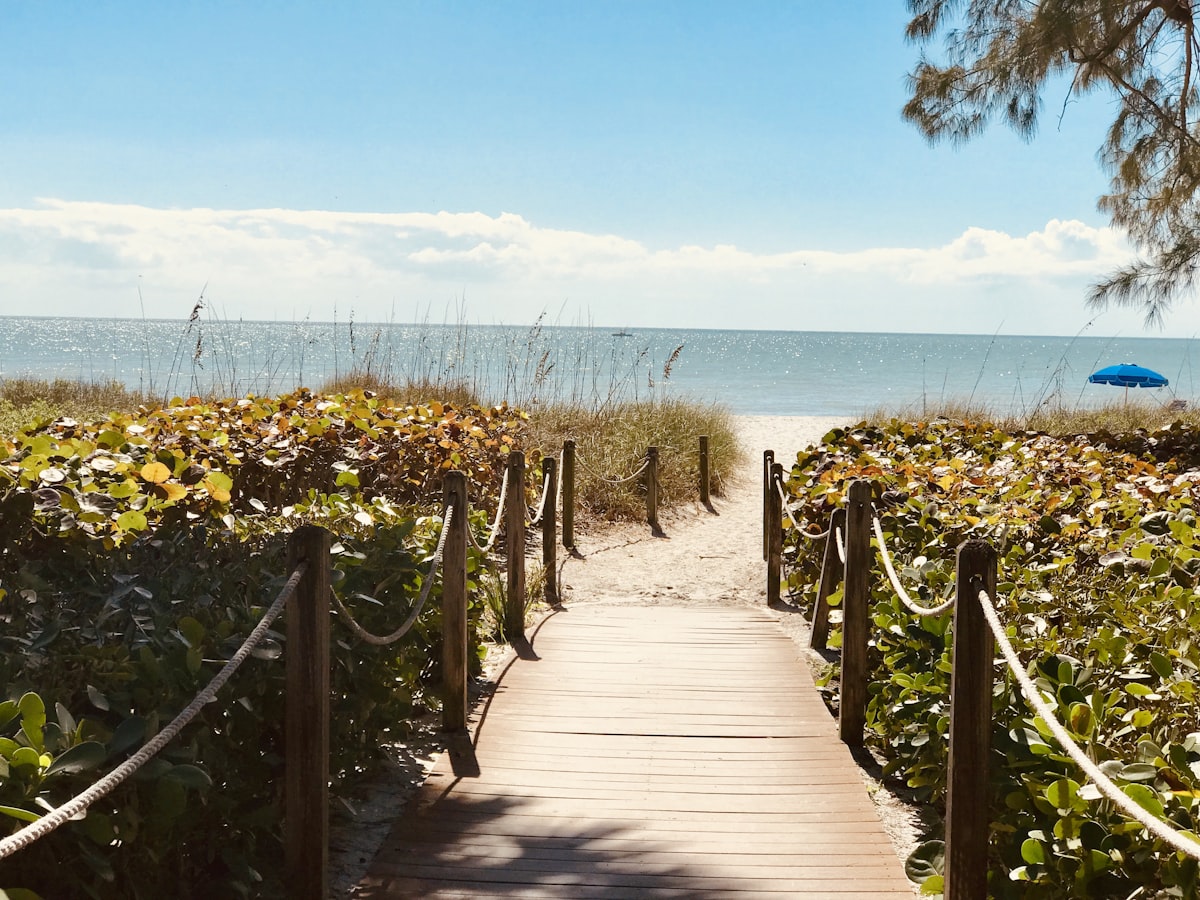

Fort Myers sits where the Caloosahatchee River empties into the Gulf of Mexico, and the water that surrounds it, Pine Island Sound to the north, Estero Bay to the south, the mangrove-fringed shorelines of Sanibel and Captiva Islands to the west, is some of the most productive inshore fishing habitat in Florida. This is not a deep-sea town. This is a mangrove-and-flats town. The fish that made Southwest Florida famous, snook, redfish, tarpon, spotted seatrout, live in two to four feet of water along oyster bars, seagrass beds, and tangled mangrove shorelines that you can see from the road.
The beauty of Fort Myers fishing is accessibility. You do not need a $60,000 flats boat to catch fish here. You can wade the flats at the Sanibel Causeway, cast from the seawall downtown, kayak the backwaters of Estero Bay, or book a half-day inshore charter that has you hooked up within twenty minutes of leaving the dock. The fish are aggressive, the water is warm, and the scenery, dolphins, manatees, ospreys, roseate spoonbills, makes even a slow fishing day feel like a nature documentary.
This guide covers the practical how-to. For the full destination overview, seasons, species calendars, where to stay, and charter options, read our complete Fort Myers fishing guide. For more Southwest Florida fishing, see our Naples guide.
Inshore Fishing: Where the Action Is
Ninety percent of the fishing around Fort Myers happens inshore, in water less than six feet deep, within protected bays, sounds, and estuaries. This is where the snook, redfish, trout, and sheepshead live year-round.
The Best Spots
Pine Island Sound, the large shallow estuary between Pine Island and the barrier islands of Captiva and North Captiva, is the crown jewel. Winding mangrove creeks, vast seagrass flats, and oyster bars hold redfish year-round and snook from spring through fall. The Matlacha Pass area on the east side of Pine Island is especially productive for redfish and sheepshead.
Estero Bay, south of Fort Myers Beach, is a protected estuary with extensive oyster bars and seagrass. It is prime snook, redfish, and spotted seatrout territory. Less boat traffic than Pine Island Sound, which means less pressure on the fish.
Caloosahatchee River, the big river that runs through downtown Fort Myers. Snook stack up along the downtown seawalls, bridge pilings, and residential docks. This is walk-up fishing, you can cast from the river walk and hook a snook while tourists eat dinner thirty feet away. Best from April through October when water temperatures are warm.
Tarpon Bay, inside the J.N. "Ding" Darling National Wildlife Refuge on Sanibel Island, is a protected embayment that holds tarpon, seatrout, redfish, mangrove snapper, and flounder. More than 200 fish species use this habitat. Kayak-friendly and beginner-accessible.
Sanibel Causeway, the bridge and artificial islands connecting Fort Myers to Sanibel Island. The causeway islands have sandy beaches, shallow wading flats, and bridge pilings that hold snook, sheepshead, and jacks. Free parking on the islands. This is the most accessible wade-fishing spot in the Fort Myers area, no boat, no guide, no kayak needed.
Florida Inshore Fishing: Fort Myers & Sanibel IslandGear and Rigs
Rod and reel: A 7-foot medium or medium-heavy spinning rod with a 3000 to 4000 reel is the Fort Myers standard. A Penn Battle III 3000 combo or Shimano Nasci 4000 handles everything from seatrout to snook to juvenile tarpon. Spool with 15- to 20-pound braid (PowerPro Spectra or Sufix 832) and a 20- to 25-pound Seaguar Blue Label fluorocarbon leader, 2 to 3 feet long.
For snook specifically, go heavier on the leader, 30-pound fluorocarbon minimum. Snook have a razor-sharp gill plate that cuts light leaders like scissors.
Popping cork rig: Same as the rest of Florida's Gulf Coast, a Cajun Thunder or MirrOlure popping cork with a live shrimp on a 1/0 Owner Mutu Light circle hook, suspended 18 to 24 inches below the cork. Pop it along mangrove edges, over oyster bars, and across seagrass flats. Catches redfish, seatrout, snook, and jack crevalle.
Free-lined live bait: Hook a live pilchard, pinfish, or shrimp through the nose on a 1/0 to 3/0 circle hook with no weight. Cast it near mangrove shorelines, dock pilings, or bridge shadows and let it swim. This is the single most effective technique for snook in Fort Myers, they ambush live bait along structure.
Soft plastics: A 3-inch Berkley Gulp Shrimp in new penny or DOA CAL Shad in golden bream on a 1/4-ounce VMC jighead. Work it slow, cast to mangrove edges, let it sink, twitch-pause-twitch. Effective when live bait is not available or when you want to cover more water.
Gold spoon: A Johnson Silver Minnow in gold (weedless) is the classic redfish lure on the flats. Cast over seagrass and retrieve with a steady wobble. Weedless design lets it slide over grass without snagging.
Popping Corks for Beginners: The Complete Setup How to Tie a Carolina Rig for Inshore FishingSpecies and Seasons
Snook, the marquee inshore fish of Southwest Florida. Snook live along mangroves, docks, seawalls, and bridges year-round, but the most exciting fishing happens May through September when they move to the Gulf beaches and passes to spawn. Sight-casting to beach snook in the clear surf at Sanibel or Captiva is a bucket-list experience. Snook are catch-and-release only during most of the year (closed season December 1 through end of February, and May 1 through August 31). Slot limit when open: 28 to 33 inches.
Redfish, year-round residents of the flats and mangroves. Best months are October through March when large schools gather on the grass flats and can be sight-fished. Negative low tides push reds into concentrated areas where they are easier to find. Slot limit: 18 to 27 inches, one fish per day.
Spotted seatrout, found over seagrass and around oyster bars. Best from fall through spring. The popping cork rig with live shrimp is the go-to.
Tarpon, the silver king. Migratory tarpon flood the passes (Boca Grande Pass, Captiva Pass, Redfish Pass) from April through July. This is world-class tarpon fishing, 80- to 150-pound fish in clear water. Charters targeting tarpon run $500 to $800 for a half day. Juvenile tarpon (10 to 40 pounds) live in the backcountry creeks and canals year-round and are more accessible for beginners.
Sheepshead, everywhere there is structure with barnacles. Dock pilings, bridge pilings, rock jetties, oyster reefs. Fiddler crabs or live shrimp on a #1 Gamakatsu Octopus hook with a split shot, dropped tight to the structure. Peak season is January through March.
Shore Fishing Without a Boat
Sanibel Causeway, wade the flats on a low incoming tide. Cast soft plastics or live shrimp for seatrout and redfish. Fish the bridge pilings for snook and sheepshead. Free and accessible.
Downtown Fort Myers seawall, the Caloosahatchee riverfront downtown holds snook around the docks, seawalls, and bridge pilings. Fish at night with a live pinfish or shrimp under the lights. The Edison Bridge and Caloosahatchee Bridge are both productive.
Matanzas Pass (Fort Myers Beach), the pass between Estero Island and San Carlos Island has current that funnels bait and attracts snook, jacks, and ladyfish. Fish from the bridge or the seawall on the north side.
Lovers Key State Park, south of Fort Myers Beach, this state park has kayak launches and shoreline access to Estero Bay. Wade or kayak for redfish, seatrout, and snook in the mangrove creeks. The park charges a small entry fee ($8 per vehicle) and has picnic areas, restrooms, and kayak rentals, a solid family option.
Cape Coral canals, the canal system running through Cape Coral (just north of Fort Myers across the Caloosahatchee) holds snook, tarpon, and mangrove snapper. Many canals connect to the river and ultimately to Pine Island Sound. Fish from seawalls and bridges with live shrimp or DOA TerrorEyz jigs in gold/olive. Snook stack up under bridge shadows at night, bring a headlamp and cast to the shadow lines.
Bunche Beach Preserve, a tidal flat preserve near the mouth of the Caloosahatchee, accessible by foot. At low tide, wade the sandy flats for seatrout and small redfish. At high tide, cast along the mangrove edge. The preserve is free and uncrowded. Bring a light spinning setup, 7-foot rod, 2500 reel, 10-pound braid, and small soft plastics or live shrimp under a float.
Nearshore and Offshore
While Fort Myers is primarily an inshore fishery, the nearshore reefs and wrecks 5 to 20 miles offshore produce excellent bottom fishing.
Nearshore reefs (5 to 15 miles): Half-day charters ($400 to $700) target mangrove snapper, lane snapper, gag grouper, hogfish, and sheepshead on natural ledges and artificial reefs. Standard chicken rig with cut squid or live shrimp on 3/0 Owner SSW circle hooks. Bring a Shimano Terez 7-foot medium-heavy or similar bottom rod with a Penn Spinfisher VI 4500 for the reef. The reef fishing is excellent year-round with summer and fall being peak for mangrove snapper.
Offshore (20+ miles): Full-day charters ($1,000 to $1,800) run to deeper wrecks and reefs for red grouper, red snapper (when open), permit, and amberjack. Trolling for king mackerel and cobia on the way out and back. Summer is best.
What to expect on a nearshore charter: The captain runs 30 to 45 minutes to GPS coordinates over known reef structure. You anchor or drift and drop bottom rigs. The crew baits your hooks and shows you how to detect a bite. Mangrove snapper are the most consistent catch, they pull hard, they school thick over structure, and they are excellent eating. Hogfish are the bonus prize, they are notoriously difficult to hook (they nibble bait delicately), but their flesh is one of the best-tasting fish in the Gulf. Gag grouper season (typically June through December, check current FWC regulations) adds a heavyweight fighter to the mix, grouper dive for structure when hooked, so you need to turn them quickly with steady pressure.
Tides: The Key to Fort Myers Fishing
Fort Myers has a modest tidal range (about 2 feet) but it matters enormously for inshore fishing. The general rule: fish the moving water.
Incoming tide pushes clean Gulf water into the bays and sounds, activating bait and predators. Fish the mouths of creeks and passes where bait funnels in.
Outgoing tide drains water off the flats and concentrates fish in channels and deeper holes. Fish the channel edges and creek mouths where bait is being swept out.
Negative low tides, when the tide drops below normal low, are a secret weapon for redfish. The shallow flats drain, forcing reds into small potholes and depressions where they are easy to find and sight-cast to. Check the tide charts for days with strong negative tides (usually during winter full and new moons).
Knots You Need
Double Uni Knot, connects braid to fluorocarbon leader. Essential for every setup.
Loop Knot (Rapala Knot), gives your lure free-swinging action. Use on soft plastics and topwater plugs.
Improved Clinch Knot, fast, reliable for tying hooks and lures to the leader.
Snell Knot, for circle hooks, especially on popping cork rigs. Keeps the hook oriented for a corner-of-the-mouth hookset.
Double Uni Knot: How to Tie Braid to FluorocarbonPractical Details
Fishing License: Florida saltwater license required for anyone 16 to 65. Non-resident: $17 for 3 days, $30 for 7 days, $47 annual. Available online at GoOutdoorsFlorida.com or at any tackle shop. Charter boats cover your license.
Where to Buy Tackle and Bait: Lehr's Economy Tackle (Fort Myers) is the local institution, live bait, frozen bait, and genuine local knowledge. Tarpon Bay Explorers on Sanibel sells bait and rents kayaks for Tarpon Bay fishing. Bass Pro Shops (Gulf Coast Town Center) has general gear. For live pilchards and pinfish, most marinas stock them, Port Sanibel Marina and Getaway Marina are reliable.
What to Wear: Light, breathable clothing year-round. Long sleeves for sun protection. Polarized sunglasses are essential, the sight-fishing on the flats requires them. Bug spray for mangrove fishing (no-see-ums are brutal at low tide). Water shoes or old sneakers for wading, oyster bars will slice open bare feet.
Best Times: Early morning (first light to 9 AM) is prime for all inshore species. Moving tides matter more than time of day, check tides4fishing.com for Fort Myers. Winter (December through March) is peak tourist season and the weather is perfect for fishing, mild temperatures, low humidity, and the sheepshead and redfish fishing is at its best. Summer (June through September) is hot and humid but the snook fishing on the beaches and in the passes is world-class. Tarpon season (April through July) overlaps with the best weather. Fall (October through November) is arguably the best all-around fishing, redfish schools are thick on the flats, snook are moving back into the estuaries, seatrout are active, and the summer crowds have thinned.
Catch and Release: Snook are catch-and-release only during closed seasons (December 1 through end of February, May 1 through August 31). Even during open season, many anglers release all snook, they are the backbone of the fishery and their population took years to recover after Hurricane Ian in 2022. Handle with wet hands, keep in the water for photos, and release quickly.
For the full rundown of Fort Myers fishing seasons, charter options, and trip planning, read our complete Fort Myers fishing guide. For more Southwest Florida, see our Naples guide.