Fish
Fish Fire
Fire Hike
Hike Bird
Bird

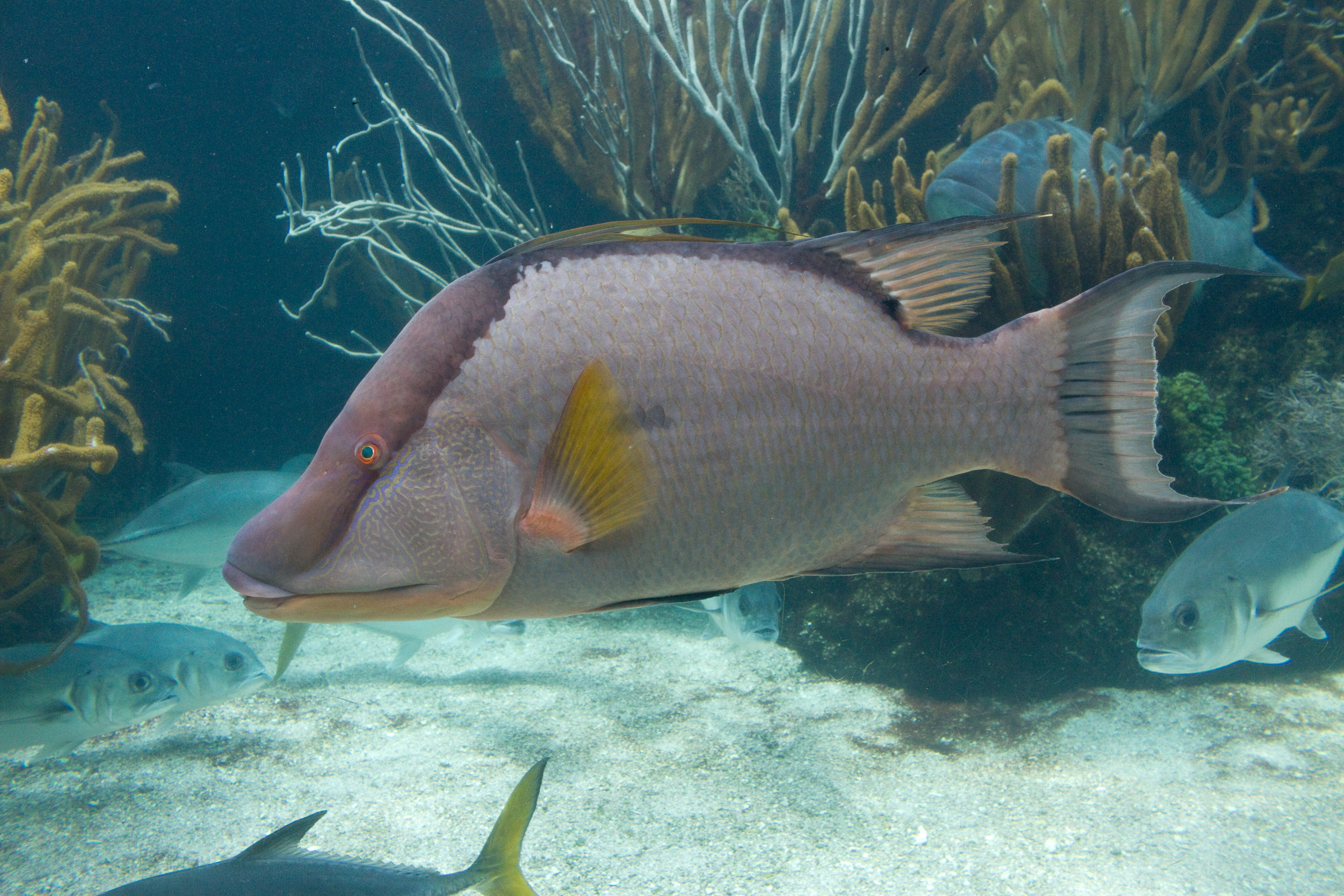

The hogfish, or "hog snapper", is the connoisseur's reef fish: a strange, beautiful, pig-snouted member of the wrasse family that roots through reef and rubble for crustaceans, and that is very widely considered the single best-eating fish in the sea. It's also one of the most challenging to catch on rod and reel. Hogfish are wary, hook-shy, and finicky, with small mouths built for picking crabs and shellfish off the bottom rather than crushing baits, which is why so many are taken by spearfishing, and why hooking one on light tackle is such a satisfying accomplishment. Catching hogfish is a finesse game: light line, small hooks, fresh shrimp, and the right hard-bottom reef. This guide covers what hogfish are, where and when to find them, and every core technique, with step-by-step instruction, to put one of the ocean's finest-eating fish in the box.
Ready to fool a hog? It's a true finesse fishery where working the hard bottom and reefs with the right light-tackle approach makes all the difference. They share the reef with other prized fish, see our guide on how to catch mutton snapper.
Meet the Hogfish
The hogfish (Lachnolaimus maximus) is unmistakable and unlike any other reef fish: a deep, laterally compressed body, a long, pig-like snout it uses to root for food (hence the name), and, on adults, long, trailing filaments at the front of the dorsal fin. Its color is remarkable and changeable, ranging from pale pinkish-white to mottled reddish-brown, with big males developing a dark patch and a striking appearance. Like other wrasses, hogfish are hermaphrodites, starting life as females and changing to males as they grow, so the biggest fish are old males.
Hogfish are a modest-sized but prized reef fish: most run 1 to 5 pounds, a good "hog" is 5 to 8 pounds, and big ones exceed 10 pounds (the record is around 20). They're found in the warm western Atlantic, South Florida and the Keys, the Gulf, the Bahamas, and the Caribbean, living over reefs, hard bottom, rubble, and ledges, where they root for crabs, shrimp, mollusks, and other invertebrates with that specialized snout. Prized above almost all other fish for their sweet, flaky, white fillets, many rank hogfish as the best-eating fish there is, hogfish are managed with size and bag limits (and, in places, seasons) that vary by region, so always check current regulations. Their combination of oddball good looks, wary behavior, and unbeatable table quality gives hogfish an almost cult following among reef anglers and spearos alike, few fish are as coveted for the dinner table.
Where to Find Hogfish
Hogfish are reef and hard-bottom fish that go where their invertebrate food is:
- Coral reefs and reef edges, classic hogfish habitat, especially areas with plenty of live bottom and invertebrate life.
- Hard bottom, rubble, and rocky areas, flat hard bottom with rubble and relief holds hogfish rooting for crustaceans, often in areas that don't look like much.
- Ledges and low structure, hogfish relate to structure and relief but often feed out over adjacent hard bottom and rubble.
- A range of depths, from shallow reef to deeper hard bottom, with bigger fish often deeper.
The key is hard bottom with invertebrate life, hogfish are there to root for crabs and shellfish, so productive spots are often unremarkable-looking hard bottom and rubble rather than obvious high structure. Use your sounder to find hard bottom and reef, and look for the areas with the food hogfish want. Because they relate to hard bottom rather than stacking on a single wreck, finding and marking productive hard-bottom areas, and knowing which hold hogfish, is the foundation of catching them.
Hogfish Structure: What to Look ForThe Light-Tackle Hook-and-Line Game
Catching hogfish on rod and reel is a finesse, light-tackle game, because hogfish are wary and have small mouths. The winning approach is light line, a light fluorocarbon leader, and a small, sharp hook fished on or near the bottom with a natural bait. You want a presentation that lets a cautious hogfish pick up the bait without feeling resistance or seeing heavy tackle, so go as light as conditions allow. A simple knocker rig or a light bottom rig with a small hook and just enough weight to hold the bottom is standard.
Because hogfish root along the bottom, you fish your bait right on the hard bottom or rubble where they feed, and you have to detect a subtle bite, hogfish often pick and nibble rather than slamming a bait. Watch your line and rod tip, feel for the light take, and set into the fish. This finesse, bottom-focused presentation is what separates hogfish anglers from those who just feed them, and it's why hogfish on hook and line are such a rewarding challenge.
How to Catch Hogfish and What Rig to UseRigging and Detecting the Bite
The details of the rig matter with hogfish. Use a small, strong hook (matched to a shrimp bait) on a light fluorocarbon leader, with a knocker rig (an egg sinker sliding to the hook) to keep the bait tight to the bottom, or a light bottom rig with minimal weight. The goal is a natural bait right on the hard bottom that a wary hogfish will pick up, with a hook small and sharp enough to find its small mouth. Going too heavy on leader or hook is a common reason for missed or refused bites.
Detecting the bite is the skill. Hogfish are notorious for subtle, pecking bites as they nibble and root at the bait, and they can strip a hook cleverly. Stay in contact with your bait, watch for the light taps or the line moving, and set the hook when you feel the fish has it, often a steady come-tight rather than a hard swing. Learning the difference between a hogfish picking at your shrimp and other reef fish, and timing your hookset to their subtle take, is a big part of consistently catching them.
Catching Hogfish on Hook and LineBest Baits: Shrimp Is King
For hogfish, shrimp is the number-one bait, it matches their natural diet of crustaceans and is irresistible to a rooting hog. Fresh or live shrimp (and shrimp pieces) account for the vast majority of hook-and-line hogfish, and small crustaceans and shellfish baits also produce. Present the shrimp on a small hook and light leader right on the hard bottom where the fish are feeding, and keep it fresh.
Because hogfish feed on invertebrates rooted from the bottom, matching that natural food is key, a fresh shrimp on the bottom looks exactly like what a hogfish is hunting for. Some anglers tip a small jig with shrimp or fish a shrimp on a light knocker rig; either way, shrimp is the go-to. Keep your baits fresh and natural, present them on the hard bottom, and go light, and you'll tempt far more of these finicky, crustacean-loving fish. A fresh shrimp, well presented, is the single best hogfish offering.
Hogfish 101: Baits and TacticsChumming and Finding Fish
Because hogfish can be scattered over hard bottom and are cautious, chumming and locating the fish are important. A light chum can draw hogfish out and get them feeding, bringing cautious fish into range and firing them up, at which point a well-presented shrimp gets eaten. Combined with the right hard bottom, chumming helps concentrate and activate the fish. Finding the productive hard bottom in the first place, using your electronics and local knowledge (and mapping tools) to locate reef, rubble, and hard bottom with invertebrate life, is half the battle.
The approach is to find the hard bottom, get a chum going to draw and fire up the hogfish, and then present a fresh shrimp on light tackle into the feeding fish. Because hogfish relate to specific hard-bottom areas, building a list of productive spots, and using chum to activate the fish when you're on them, is how you consistently catch them. Locating the right bottom and getting the fish feeding turns a tough, finicky target into a catchable one.
Finding Hogfish Hard-Bottom SpotsSpearfishing for Hogfish
It's worth noting that a huge portion of hogfish are taken by spearfishing, because they're wary and hook-shy but relatively approachable underwater, hogfish are a premier, prized spearfishing target on the reef. Freedivers and scuba spearos hunt them over the reef and hard bottom, and where legal, spearfishing is one of the most effective and popular ways to selectively harvest a good hog. It's a different discipline, but it's a major part of the hogfish story and a great option for those who dive.
Spearfishing lets you selectively target a good-sized fish and is highly effective on these hook-shy reef fish, but it requires the skills, gear, and safety practices of freediving or scuba, and you must follow all spearfishing and hogfish regulations (size limits apply, and there are area and gear restrictions in places). For anglers who dive, spearing a big hogfish over a pretty reef, and bringing home the best-eating fillets in the sea, is a bucket-list experience. For everyone else, the light-tackle hook-and-line game is the way.
Spearfishing for HogfishTackle, Timing, and the Table
Hogfish fishing is a light-tackle finesse discipline: a light spinning outfit with light line, a light fluorocarbon leader, and small sharp hooks is the tool, matched to fishing shrimp on the bottom. On the water, moving water and low-light periods often improve the bite, and fishing the right hard bottom in reasonable conditions (calm enough to hold position and detect the subtle bites) is key. As with other reef fish, being able to stay on the productive hard bottom is important.
For the table, hogfish are the reward, widely considered the best-eating fish in the sea, with sweet, flaky, white fillets that are superb almost any way you cook them. Handle and ice your catch well, and, importantly, follow the size and bag limits (and any seasons), which are in place because hogfish are slow-growing hermaphrodites vulnerable to overharvest. Keep a reasonable number of legal fish, release the rest, and you'll enjoy the finest fillets around while helping the fishery. Between the finesse challenge and the unbeatable table quality, hogfish are a uniquely rewarding reef target.
Common Mistakes to Avoid
Hogfish expose a few common errors. Leader and hook too heavy is the biggest, these wary, small-mouthed fish refuse heavy rigs, so go light on your leader and small on your hook. Bait off the bottom misses fish that feed by rooting the hard bottom; keep your shrimp right down where they hunt. Missing the subtle bite, swinging too early or too late on their pecking take, costs you fish; learn to feel the light nibble and set when the fish has the bait. Stale bait is far less effective than fresh shrimp. Fishing barren bottom instead of hard bottom with invertebrate life puts your bait where the hogs aren't. And ignoring the size and bag limits hurts a slow-growing, vulnerable species. Go light, keep the bait on the bottom and fresh, learn the bite, fish the right hard bottom, and mind the rules, and your hogfish catch climbs.
A Note on Handling and Conservation
Because hogfish are hermaphrodites that grow slowly and change from female to male as they age, the biggest fish are old males, and the population is vulnerable to overharvest, which is exactly why size and bag limits (and seasons in some areas) exist and are worth respecting. Measure your fish carefully, keep only legal fish, and release the rest quickly and gently. Hogfish caught in shallower reef water generally handle release well. Taking a reasonable number of good fish for the table while releasing the rest keeps this uniquely delicious reef fish abundant for the future, and given how prized hogfish are, both by anglers and spearos, that stewardship matters.
Put It All Together
Hogfish fishing is finesse reef fishing for the best-eating fish in the sea: find the hard bottom, rubble, and reef where they root for crustaceans; go light with your line, leader, and hook; present a fresh shrimp right on the bottom; detect and set on their subtle, pecking bite; and use chum to fire up cautious fish, or, if you dive, spear a good hog over the reef. It rewards a light touch, natural bait, and the right bottom, and it pays off with the sweetest fillets in the ocean. When you're ready to fool a finicky hog, put in the time to learn the hard bottom and it will get you on them. And for another prized, wary reef fish that shares the same bottom, read our guide on how to catch mutton snapper next.