Fish
Fish Fire
Fire Hike
Hike Bird
Bird

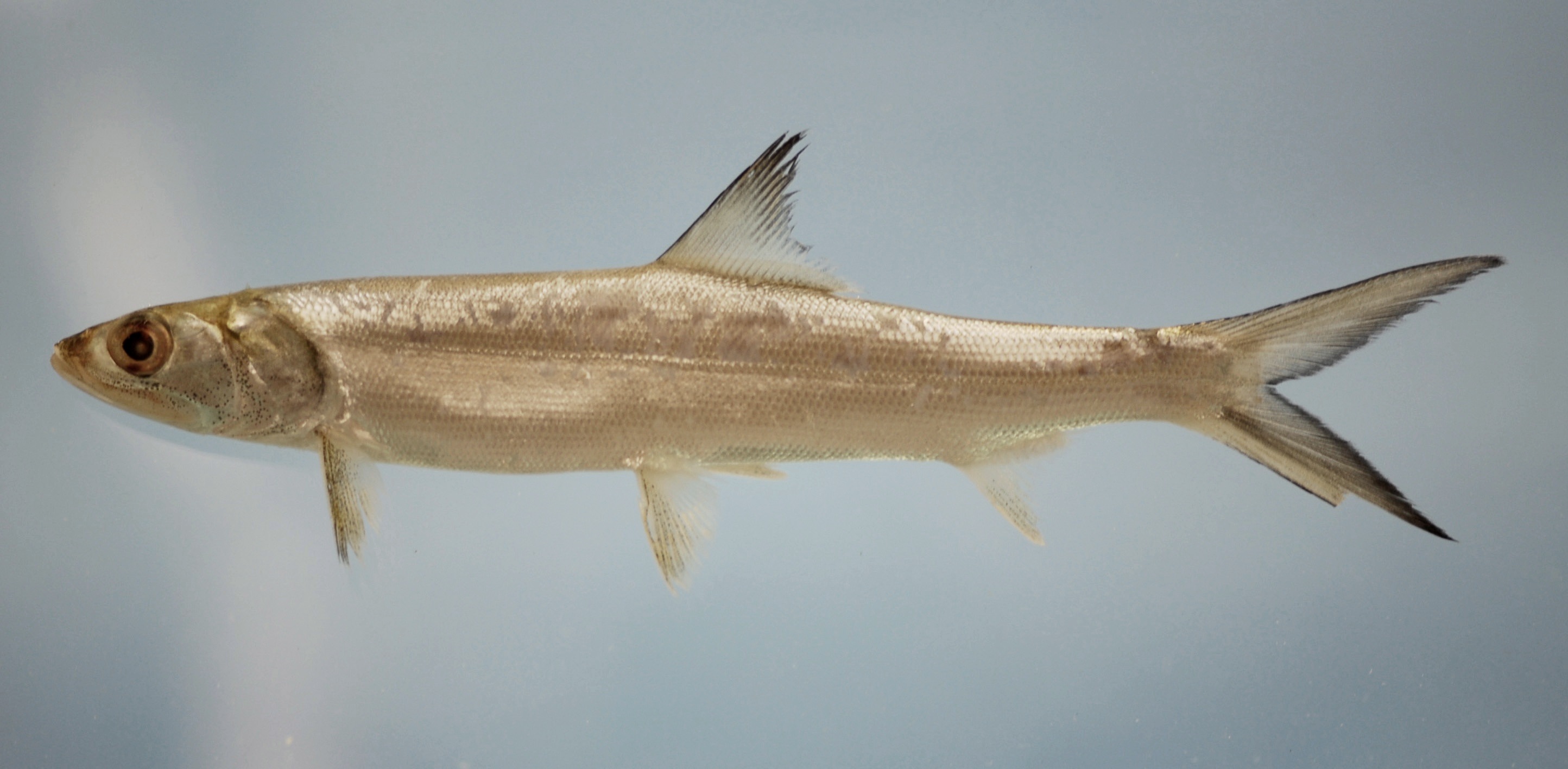

The ladyfish (Elops saurus) is one of the most fun and underrated fish in the inshore ocean, a slender, silvery speedster that hits with abandon, screams off line, and cartwheels through the air like a miniature tarpon. Nicknamed the "poon," "skipjack," or "ten-pounder," the ladyfish is a pound-for-pound brawler that provides nonstop, acrobatic action on light tackle in bays, passes, beaches, and estuaries across the warm coasts. It's not much of a table fish, but as a light-tackle gamefish and as premium cut bait for bigger predators, the ladyfish is hard to beat. When a school of feeding ladyfish is around, the action can be fast and furious. This guide covers how to catch these wild silver rockets.
What Is a Ladyfish?
The ladyfish is a member of the family Elopidae and is closely related to the tarpon, which shows in its bright silver color, big eyes, and spectacular jumping fight. It has a long, slender, streamlined, fully silver body, a small upturned mouth, large eyes, a deeply forked tail, and a single dorsal fin. The scales are small and bright, giving it a chrome, minnow-like shine. Ladyfish are fast, schooling, open-water hunters. They commonly run 1 to 3 pounds and 12 to 24 inches, with bigger ones reaching a few pounds and over two feet, though even a small ladyfish fights and jumps wildly.
For anglers, the defining traits are that ladyfish are fast, aggressive, schooling predators that chase small baitfish and shrimp in the open water of bays, passes, beaches, and estuaries. They hit lures and baits hard and instantly, then explode into a series of jumps, head-shakes, and runs that belie their size, a hooked ladyfish is pure chaos on light tackle. They travel in schools, so where you find one you'll usually find many, and a feeding school can produce cast-after-cast action. They're tolerant of a range of salinities and are common in warm inshore waters. Not prized for the table (the flesh is soft and bony), the ladyfish is instead beloved as a light-tackle sportfish and valued as excellent cut bait for redfish, snook, trout, and sharks. Wild, acrobatic, abundant, and always willing, the ladyfish is a blast.
Where and When to Catch Ladyfish
Ladyfish are found in warm coastal waters of the western Atlantic, and in the U.S. they're common and popular from the Carolinas south through Florida and around the Gulf of Mexico to Texas, with related species worldwide. They're inshore and nearshore fish, so look for them in bays, estuaries, passes and inlets, along beaches and in the surf, around jetties and piers, in tidal creeks and rivers, and over flats and channels. They roam open water hunting baitfish and shrimp, often near current, structure, and bait concentrations. Signs of feeding ladyfish, busting bait on the surface, diving birds, and swirls, are a dead giveaway; when you see the commotion, cast into it. They tolerate brackish water and range well up into estuaries.
The best fishing is generally the warm months, spring through fall, and year-round in the warmest areas like South Florida. Ladyfish feed actively in warm water and can be caught throughout the day, with low-light periods (dawn and dusk) and moving tides often best. Moving water in passes, inlets, and around structure concentrates bait and triggers feeding. Because ladyfish school and roam, the key is finding a feeding school, once you do, the action is fast. They're often caught while targeting other inshore species and are a welcome (if sometimes surprising) bonus. Fish the warm season, watch for feeding activity, and target moving water and bait concentrations for the best ladyfish action.
Small Jigs, Spoons, and Lures
Because ladyfish are aggressive, fast predators, they readily smash small lures, making artificials the most fun and effective way to catch them.
Best Lures for Ladyfish: Spoons vs JigsThe best lures are small jigs (curly-tail grubs, shrimp imitations, and bucktails on jigheads), small spoons, small swimbaits and soft plastics, small topwater plugs, and small hard baits. A jig or a spoon retrieved briskly through a feeding school is deadly, ladyfish chase and hammer moving lures, and a fast, erratic retrieve draws vicious strikes. Because they have small, bony mouths and a habit of jumping and head-shaking, ladyfish throw hooks constantly, so expect to lose some; that's part of the fun. Cast into feeding schools, busting bait, and around passes, structure, and current, and retrieve steadily and briskly. Light spinning gear makes casting small lures fun and turns every ladyfish into an acrobatic thrill. Because ladyfish are tough on soft plastics (they shred them) and terminal tackle, many anglers use durable jigs and a short length of slightly heavier leader. Fast, willing, and explosive, ladyfish on small lures are one of inshore fishing's simplest joys.
Live Shrimp and Bait
For steady action and for anglers who prefer bait, ladyfish readily take live and natural baits, especially shrimp.
Catching Ladyfish on the BeachThe go-to baits are live or fresh shrimp, small live baitfish (like finger mullet and pilchards), and cut bait. Fish them under a popping cork or a float, on a jighead, or on a light bottom or free-line rig, presented in the areas where ladyfish are feeding, around passes, beaches, structure, and current. A live shrimp under a cork drifted through a feeding zone is simple and deadly. Because ladyfish are aggressive and often abundant, bites come fast. As with lures, expect jumps and thrown hooks. Bait fishing for ladyfish is easy and productive, and it's a common way to catch them while targeting other inshore species like trout and redfish. It's also how many anglers catch ladyfish specifically to use as cut bait for bigger predators. Keep the bait in the strike zone, watch your cork or line, and hang on for the acrobatic fight.
Fly Fishing for Ladyfish
Ladyfish are a fantastic and often overlooked fly-rod target, fast, willing, and acrobatic, they're a blast on the fly and great practice for bigger gamefish like tarpon.
Fly Fishing for LadyfishA medium fly rod (6- to 8-weight) with a saltwater setup is ideal. Ladyfish readily take small baitfish and shrimp patterns, Clouser Minnows, Deceivers, small streamers, and shrimp flies, stripped briskly through feeding schools and along beaches, passes, and structure. Cast into the busting bait or feeding activity and strip the fly fast; ladyfish chase and crush a well-stripped fly, then launch into jumps that test your line management. Because they're abundant and willing, ladyfish offer superb fly-rod practice, the eat, the fight, and the jumps mimic tarpon in miniature, which is why many fly anglers cut their saltwater teeth on "poons." Use a short shock or heavier leader tippet since their mouths are bony and they're hard on tackle. Fly fishing for ladyfish along a beach or in a pass, casting to feeding schools, is fast, fun, and rewarding action on the long rod.
Working the Surf, Beaches, and Passes
The single biggest key to consistent ladyfish action is finding feeding schools, and the surf, beaches, passes, and structure are prime places to do it.
Surf Fishing for LadyfishLadyfish roam and hunt in the surf and along beaches, in passes and inlets, around jetties and piers, and over flats and channels, following and corralling baitfish and shrimp. Watch for feeding activity, busting bait on the surface, diving and wheeling birds, and surface swirls, which pinpoints a school, and cast into it. Passes and inlets on moving tides concentrate bait and ladyfish, as do jetties, piers, and beach troughs. In the surf, work jigs and spoons through the troughs and current; along beaches and in passes, cast to visible activity. Because ladyfish school and move, staying mobile and watching for the telltale signs of feeding is the way to stay on them. When you find a hot school, the action can be nonstop, with fish on nearly every cast. Learn to read the water and spot feeding activity, and you'll consistently find fast, furious ladyfish fishing.
Identifying the Ladyfish
Ladyfish are distinctive, though they can be confused with other slender silvery fish and with young tarpon.
Ladyfish (Skipjack) IdentificationThe ladyfish is a long, slender, fully silver (chrome) fish with a small upturned mouth, large eyes, a single dorsal fin, small bright scales, and a deeply forked tail. It looks like a slim, elongated silver rocket. It's closely related to the tarpon (and jumps like one) but is far more slender and much smaller, lacking the tarpon's deep body and the distinctive long last dorsal-fin ray. It can be confused with the bonefish (which has a more rounded, downturned snout and lives on flats) and with young tarpon, but the ladyfish's slim, uniformly silver, big-eyed, small-upturned-mouthed profile is distinctive. Regional names include "skipjack," "ten-pounder," "poon," and "chiro." When you catch a slender, chrome-silver, big-eyed, acrobatic fish that jumps wildly on light tackle in warm inshore water, you've got a ladyfish.
Using Ladyfish as Cut Bait
One of the ladyfish's greatest values to anglers is as premium cut bait for bigger inshore and coastal predators.
Cut Ladyfish for Redfish, Snook, and MoreLadyfish flesh is oily, bloody, and tough, which makes it outstanding cut bait that stays on the hook well and puts out a strong scent trail. Cut ladyfish is a top bait for redfish, black drum, snook, spotted seatrout, sharks, catfish, and other predators, chunks, fillets, or the head fished on a bottom rig or under a float draw plenty of strikes. Because ladyfish are abundant and easy to catch, they're a convenient, effective, and popular bait source; many inshore anglers catch a few ladyfish first, then use them cut up to target bigger, more prized species. If you keep ladyfish for bait, dispatch and ice them to keep the bait fresh. This dual role, a fun light-tackle gamefish and a premium bait source, is a big part of why ladyfish are so valued by inshore anglers, even though they're not a table fish.
Understanding Ladyfish Behavior
Everything about catching ladyfish flows from the fact that they're fast, aggressive, schooling, open-water predators. They chase small baitfish and shrimp in the open water of bays, passes, beaches, and estuaries, hitting lures and baits hard and instantly, then exploding into jumps and runs. This is why fast-moving lures and baits presented into feeding schools work so well, and why finding the school, often given away by busting bait and birds, is the key. They're abundant, willing, and rarely require finesse; the challenge is locating a feeding school and hanging on. Their jumping, head-shaking fight means they throw hooks constantly, so expect to lose some, and their bony mouths and tough behavior are hard on tackle.
Location is about bait and current: ladyfish follow and corral baitfish and shrimp near passes, beaches, structure, and moving water, so target those areas and watch for feeding activity. They school and roam, so stay mobile and follow the fish. Fish the warm months and moving tides, cast into the feeding, and retrieve fast, and these acrobatic silver rockets will provide fast, furious action. Think of ladyfish as inshore fishing's most willing thrill ride, find the school, and the fun rarely stops. Their reliability and eagerness also make them a superb species for kids and beginners to enjoy nonstop action and learn light-tackle skills.
A Note on Handling and Eating
Ladyfish are not prized as a table fish, the flesh is soft, mushy, and full of small bones, so most anglers release them or keep them for cut bait rather than eating. That said, they can be eaten (some smoke them or make fish cakes/patties to deal with the bones), but they're far more valued as sport and bait than as food.
Handle ladyfish with care and a sense of humor: they thrash, jump, and, famously, often relieve themselves all over the angler when handled (earning them a few unflattering nicknames), so be ready. Use wet hands, control the fish, and either release it or dispatch it for bait. If releasing, revive and return the fish promptly. Because ladyfish are abundant and hardy, catch-and-release is easy and common, and keeping only what you'll use for bait is good practice. Watch the small teeth and handle with a rag or glove if you like. Whether you release them or turn them into cut bait, ladyfish are enjoyed primarily for their wild fight, not their fillets, and that's exactly why light-tackle anglers love them. Always follow local regulations.
Bringing It All Together
The ladyfish is inshore fishing's ultimate light-tackle thrill, a slender, chrome-silver speedster that smashes lures and baits, screams off line, and cartwheels through the air like a mini tarpon. Find feeding schools in bays, passes, beaches, and the surf by watching for busting bait and birds, then cast small jigs, spoons, or flies (or a live shrimp) into the fray and hang on for nonstop, acrobatic action. They're abundant, aggressive, and always willing, making them perfect for fast fun, for kids and beginners, and for honing light-tackle and fly skills. And when you want bait for bigger predators, few things beat fresh cut ladyfish. Not a fish for the table, but a fish for the fun, the ladyfish delivers pure inshore excitement every time you find a school.
For more exciting inshore and light-tackle species, see our guides to the spotted seatrout, the jack crevalle, and the tarpon.
Want to find the best inshore waters, passes, and beaches for ladyfish and other light-tackle gamefish? Scout the passes and beaches on a moving tide, keep an eye out for busting bait and diving birds, and get in on the fast, acrobatic action.