Fish
Fish Fire
Fire Hike
Hike Bird
Bird

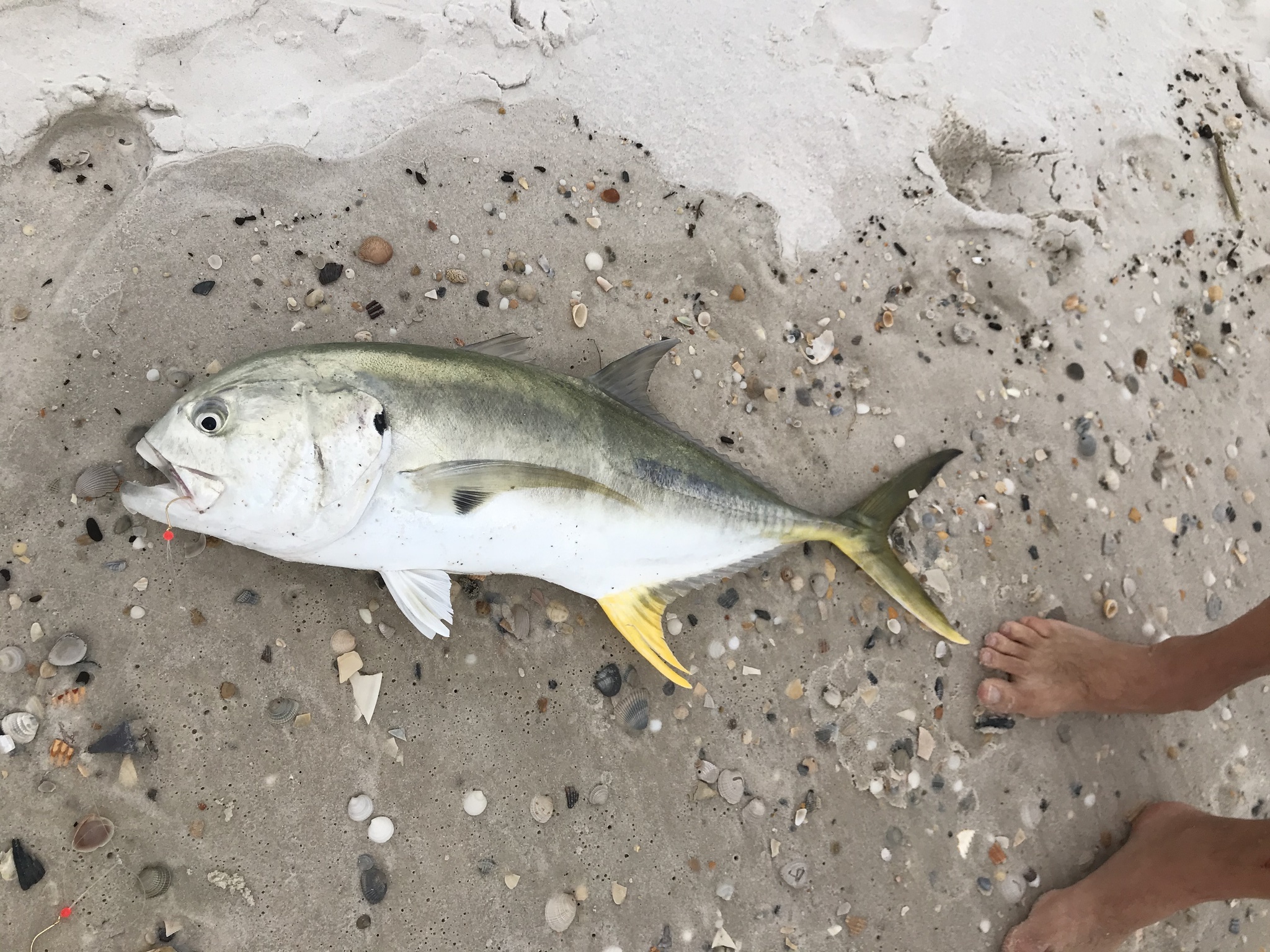

The jack crevalle is the fish that makes you question your tackle, your knots, and your life choices. Pound for pound one of the hardest-pulling fish in the sea, a "jack" hits a lure with reckless violence, then digs in with a broad, muscular body and a tireless, drag-screaming, circling fight that can leave your arms aching and your reel smoking. Jacks aren't prized for the table, they're prized for the pure, brawling fun of the fight. They roam the inshore and nearshore waters of the Atlantic and Gulf in aggressive packs, crashing bait on the surface in blitzes you can hear from a hundred yards, and they'll crush a fast-moving lure with abandon. When you want a guaranteed arm-wrestling match, you want a jack. This guide covers how jacks hunt and where to find them, and every core technique, with step-by-step instruction, to hook one.
Ready for a bulldog battle? Learn to read the water for showering bait and diving birds, and you'll rarely go home without a screaming reel. Jacks share the inshore waters with more table-friendly fish, see our guides on how to catch redfish and how to catch snook.
The Inshore Bulldog
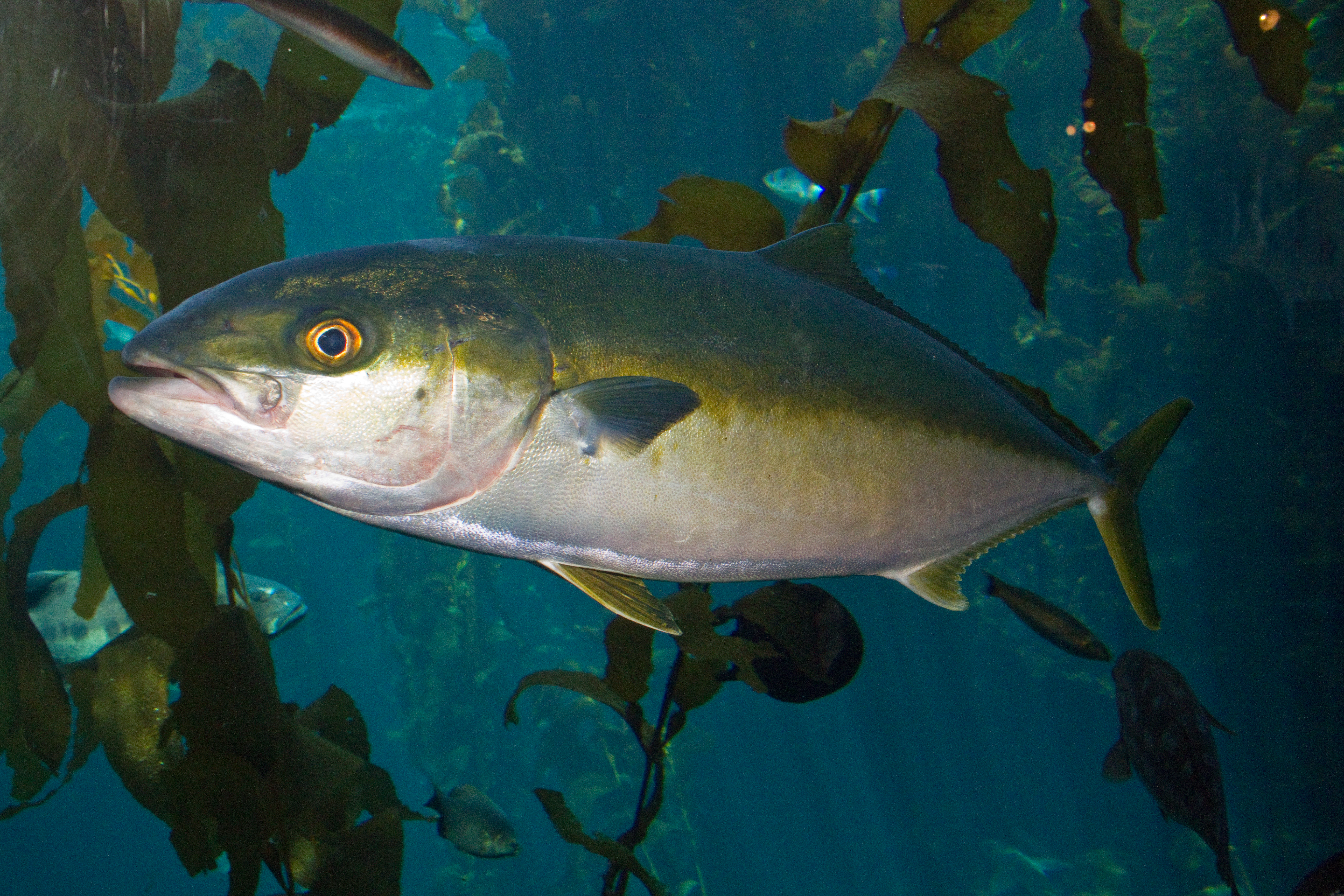
The jack crevalle (Caranx hippos) is a member of the jack family, built for power: a deep, muscular, silvery-to-golden body, a blunt steep forehead, a deeply forked tail, and a hard scaly keel (scutes) at the base of the tail. Two black spots are the giveaways: one on the rear of the gill cover and one on the pectoral fin. Everything about a jack's shape says "swimming muscle."
Jacks range widely in size. Inshore fish commonly run 2 to 10 pounds, but jacks grow to 20, 30, even 40-plus pounds, and a big jack is a legitimate tackle-buster. They're found throughout the warm inshore and nearshore waters of the Atlantic and Gulf, from bays and rivers to the beaches and passes, and around the world in tropical seas. One honest note: jacks are generally not considered good eating (the meat is dark, strong, and bloody), so they're overwhelmingly a catch-and-release sport fish, and what a sport fish they are.
The Ultimate Reaction Predator
Jacks are aggressive, tireless pack hunters, and understanding that is the key to catching them. They roam in schools chasing baitfish, and when they corner a bait ball they attack in a frenzy, a blitz, crashing the surface, sending bait scattering and showering, and creating a commotion you can see and hear from a distance. A jack isn't cautious or picky; it's a reaction machine that will chase down and smash almost anything moving fast, from a topwater plug to a spoon to a fly.
Two practical takeaways. First, jacks respond to fast, aggressive, noisy presentations, burn a lure, work a topwater hard, and trigger their chase-and-crush instinct. Second, find the bait and the blitz. Jacks follow schools of mullet, menhaden, and other baitfish, so look for surface commotion, showering bait, and diving birds, and get a lure into the chaos. Where jacks are feeding, the action is fast and furious. Fish fast, fish loud, and follow the bait.
It's worth adding that this fearless aggression makes jacks a fantastic fish for kids and beginners who just want a hard bite and a screaming reel, no delicate presentation or perfect cast required. When jacks are around and feeding, they're one of the easiest fish to get to eat and one of the most memorable to fight, which is exactly why so many anglers deliberately go looking for them on a slow day.
Where and When to Find Jacks
Jacks are everywhere warm and full of bait. Target:
- Passes, inlets, and beaches, jacks patrol these bait highways and crash bait in the current and along the sand.
- Harbors, jetties, seawalls, and bridges, structure and current that concentrate bait.
- Bays, rivers, and creek mouths, jacks push far up into brackish and even fresh water chasing bait.
- Nearshore and along the beach, big schools of larger jacks roam the coast.
- Anywhere you see a blitz, showering bait, surface explosions, and diving birds mean jacks (or other predators) are feeding.
Timing is mostly about warm water and bait. Jacks are most active and abundant in the warm months (spring through fall in most of the range, year-round in the tropics), and the bite keys on the presence of baitfish more than the tide or time of day, though moving water and low light help. Find the bait and the warm water, and you'll find jacks.
The Techniques That Catch Jack Crevalle
Jacks are the ultimate reaction-strike fish, taken mostly on fast-moving lures and flies. Here are the core methods, how to fish each, and when to use it.
Topwater, the explosive blitz bite
Nothing beats a pack of jacks demolishing a topwater plug, it's one of the most violent, exciting surface strikes in fishing.
How to fish it: Cast a loud walking bait or popper (a Heddon Spook or a chugger) into or ahead of a blitz, or blind-cast it along beaches, passes, and bait-rich areas, and work it fast and aggressively, a hard, steady walk-the-dog or a chugging pop that throws water. Jacks race to crush it, often several fish at once. Keep it moving even after a miss, because they'll come back. The commotion of a topwater is exactly what fires up a jack's chase instinct, making it a top choice when fish are up and feeding.
Monster Jack Crevalle on TopwaterFast-Retrieve Lures and Spoons, burn it
When jacks are blitzing or you need to cover water, a fast-retrieved spoon or swimbait matches the fleeing baitfish and triggers reaction strikes.
How to fish it: Cast a casting spoon (a Krocodile or similar), a paddle-tail swimbait, or a lipless crankbait into or through a school of feeding jacks, and retrieve it fast, jacks want to chase, so a quick, steady, or even burning retrieve draws the most strikes. A flashy spoon ripped through a blitz is deadly. These lures cast a mile (great for reaching schools) and let you cover water to find fish. Hold on when a jack inhales it on the run.
Jack Crevalle Exploding on LuresJigs, reach fish down in the water column
Jigs get down to jacks that are feeding below the surface or holding deeper around structure and passes.
How to fish it: Cast a bucktail jig or a soft-plastic on a jighead to jacks around passes, jetties, bridges, and channels, and work it with a fast, erratic retrieve or aggressive hops, jacks hit a jig ripped through the water column hard. A jig is versatile: you can burn it near the surface for blitzing fish, or count it down to reach jacks feeding deeper. It's an effective, castable option when fish aren't showing on top, and it catches jacks around the structure and current they love.
How to Catch Jack CrevalleSight-Casting to Schools, hunt the packs
Sight-casting to visible schools of jacks, cruising, pushing wakes, or blitzing, is a thrilling, run-and-gun way to target them.
How to fish it: Idle or run the beaches, passes, and bays watching for schools of jacks, dark masses of fish, pushing wakes, or surface blitzes, then get ahead of the school (without running over it), cut the motor, and cast a lure or fly into or just ahead of the fish. Lead the school and retrieve fast across their path. When you drop a lure into a hungry pack of jacks, the strike is instant and violent, often with multiple fish competing. It's an active, visual, adrenaline-filled way to fish, and jacks' aggression makes them ideal sight-casting targets.
Sight Casting to Schools of Jack CrevalleFly Fishing, the ultimate light-tackle test
Jacks are a spectacular fly-rod target, their aggression makes them eager to eat a stripped fly, and their power makes them one of the hardest-fighting fish you can hook on a fly.
How to fish it: With a 9- or 10-weight fly rod, cast a baitfish or popper fly to a blitz, a cruising school, or jacks feeding along a beach or in a pass, and strip it fast to imitate a fleeing baitfish. A popper fished aggressively draws surface blowups. When a jack eats, clear your line and hang on, a big jack on the fly will run you deep into your backing and test every knot. Sight-casting a fly to blitzing jacks, especially along the beach, is a bucket-list light-tackle experience.
How to Catch Beach Jack Crevalle on FlyLive Bait and the Beach Blitz
While jacks are the ultimate reaction-lure fish, live bait shines when you want to tempt the biggest fish or when jacks are around but not blitzing on top. A big live mullet, menhaden (pogy), or other baitfish free-lined or fished under a float in a pass, along a beach, or near bait schools draws savage strikes, and a large lively bait can call up a genuine trophy jack when lures go untouched. Free-line the bait so it swims naturally into the current or the school, and be ready, a big jack inhales a live bait and immediately goes to work.
The signature jack experience, though, is the beach or bay blitz. On the right day, huge schools of jacks corner bait against a beach, a seawall, or the surface and go berserk, bait showering, water exploding, birds diving, and the water literally boiling with feeding fish. When you find a blitz, get within casting range without running over the school, and throw a topwater, spoon, or fly into the chaos; the strike is instant and violent. Blitzes can be fleeting (the school moves) or last for a long, glorious stretch, so make the most of them, and keep an eye down the beach for the next eruption.
Fighting and Landing a Bulldog
Hooking a jack is easy; landing a big one is a workout. A jack's entire strategy is to run hard, then turn its broad, flat body sideways and swim in long, grinding circles, using every ounce of that muscle against you, a fight that can last far longer than you'd expect for the fish's size and leave your arms burning.
Don't try to muscle it in the first minutes; instead, use enough tackle and drag to control the fish, keep steady low-angle pressure, and pump-and-reel to gain line on the circles, taking what the fish gives you. A properly set, smooth drag is everything, a big jack will test it repeatedly, so make sure it's strong but not locked down. Keep the rod loaded and stay patient through those maddening circles near the boat or the sand, where jacks make their last stubborn stand. And because a jack fights itself to exhaustion, land it efficiently and revive it well before release. Beat a big jack, and you'll have earned every inch of line you got back, which is exactly why anglers keep coming back for more.
Gear for Jack Crevalle
Jack gear must survive a fish that pulls far above its weight:
- Spinning/casting combo: A 7- to 7-foot-6 medium-heavy or heavy inshore rod with a 4000–6000-size reel and a strong, smooth drag, jacks will test your drag to its limit.
- Fly setup: A 9- or 10-weight fly rod with a saltwater reel, a strong drag, and plenty of backing.
- Line and leader: 20- to 40-lb braid with a 30- to 50-lb fluorocarbon or mono leader (jacks aren't leader-shy, and the heavy leader survives their abrasive mouth and long fight).
- Terminal tackle and lures: Loud topwater plugs, casting spoons, paddle-tail swimbaits, lipless cranks, and bucktail jigs, all fished fast, plus baitfish and popper flies.
- Bait (optional): Live mullet, menhaden, or other baitfish also draw jacks, but the reaction-lure game is the classic, fun approach.
Sport, Not Supper, Handle and Release
Because jacks aren't good eating, they're almost always released, so handle them for a healthy release. A jack fights so hard it can exhaust itself, so land it efficiently (heavier tackle helps), keep it in or near the water, support a big fish horizontally, avoid the sharp scutes and gill plates, remove the hook quickly, and revive it fully, moving it forward through the water until it swims off strongly, before letting go. If you do keep one (some anglers use them for shark or crab bait, or smoke the meat), bleed it immediately. Treat the bulldog with respect, release it healthy, and it'll be there to battle you again.
Finding the Blitz
The passes, beaches, and bait schools where jacks run and blitz are the key to the kind of nonstop, arm-burning action they're famous for, a blast for anyone who just wants to bend a rod and hang on. Cover water and stay mobile, watch for showering bait and diving birds, and keep the beaches and passes in view; when the surface erupts, get within casting range without running over the school and throw a topwater, spoon, or fly into the chaos. Put in the legwork to find feeding fish, and jacks will reward you with one of the most reliable, memorable battles in the inshore game, the kind you'll come back for again and again.