Fish
Fish Fire
Fire Hike
Hike Bird
Bird

Naples sits on Florida's southwest Gulf Coast where manicured beaches and luxury condos give way, almost immediately, to some of the wildest, most productive inshore fishing in the state. Gordon Pass connects Naples Bay to the Gulf. Rookery Bay, one of the last undisturbed mangrove estuaries in Florida, stretches south into the Ten Thousand Islands and the western edge of the Everglades. This is snook and redfish country, miles of mangrove shoreline, oyster bars, grass flats, and tidal creeks that hold fish year-round in water warm enough to wade in shorts.
The inshore fishery is what makes Naples special. Snook are the primary target, aggressive, line-shy, and spectacularly athletic when hooked. Redfish cruise the flats and oyster bars in schools. Tarpon roll through the passes and along the beaches from April through July. Speckled trout hold on the grass flats. And the Ten Thousand Islands backcountry, accessible by boat from Goodland or Marco Island, offers fishing pressure so low that you may not see another angler all day.
If you have fished Fort Myers or Tampa, the species overlap, but Naples adds the Ten Thousand Islands backcountry that neither city can match. If you have fished Islamorada or the Keys, Naples is the Gulf Coast equivalent, mangrove backcountry sight-fishing with the same species and techniques, minus the tourist crowds.
Snook: The Fish That Defines Naples
Snook are the reason serious anglers come to Naples. They are ambush predators that hold along mangrove shorelines, dock pilings, bridge shadows, seawalls, and pass entrances, anywhere that current pushes baitfish past a piece of structure. They average 24 to 30 inches, with slot-size fish (28 to 33 inches) common and the occasional 40-inch trophy that tests your tackle and your nerves.
Where to Find Them
Gordon Pass: The main pass connecting Naples Bay to the Gulf. Snook stack up along the jetty rocks and channel edges, feeding on the outgoing tide as baitfish flush from the bay. Walk-on access from the south jetty. One of the most productive shore-fishing spots in Naples.
Naples Bay and canals: The residential canal system holds resident snook year-round. Dock pilings, seawalls, and mangrove points along the canals are prime. Kayak or paddleboard access works well, the canals are too narrow for most boats.
Rookery Bay: South of Gordon Pass, Rookery Bay is a 110,000-acre mangrove estuary. Snook hold along creek mouths, mangrove points, and oyster bar edges where tidal current concentrates baitfish. Boat access only.
Ten Thousand Islands: The ultimate Naples snook destination. Remote mangrove backcountry with virtually no fishing pressure. Snook hold on every mangrove point, creek mouth, and oyster bar. Access from Goodland or Port of the Islands. A guide is strongly recommended, navigation is challenging and the tidal creeks are maze-like.
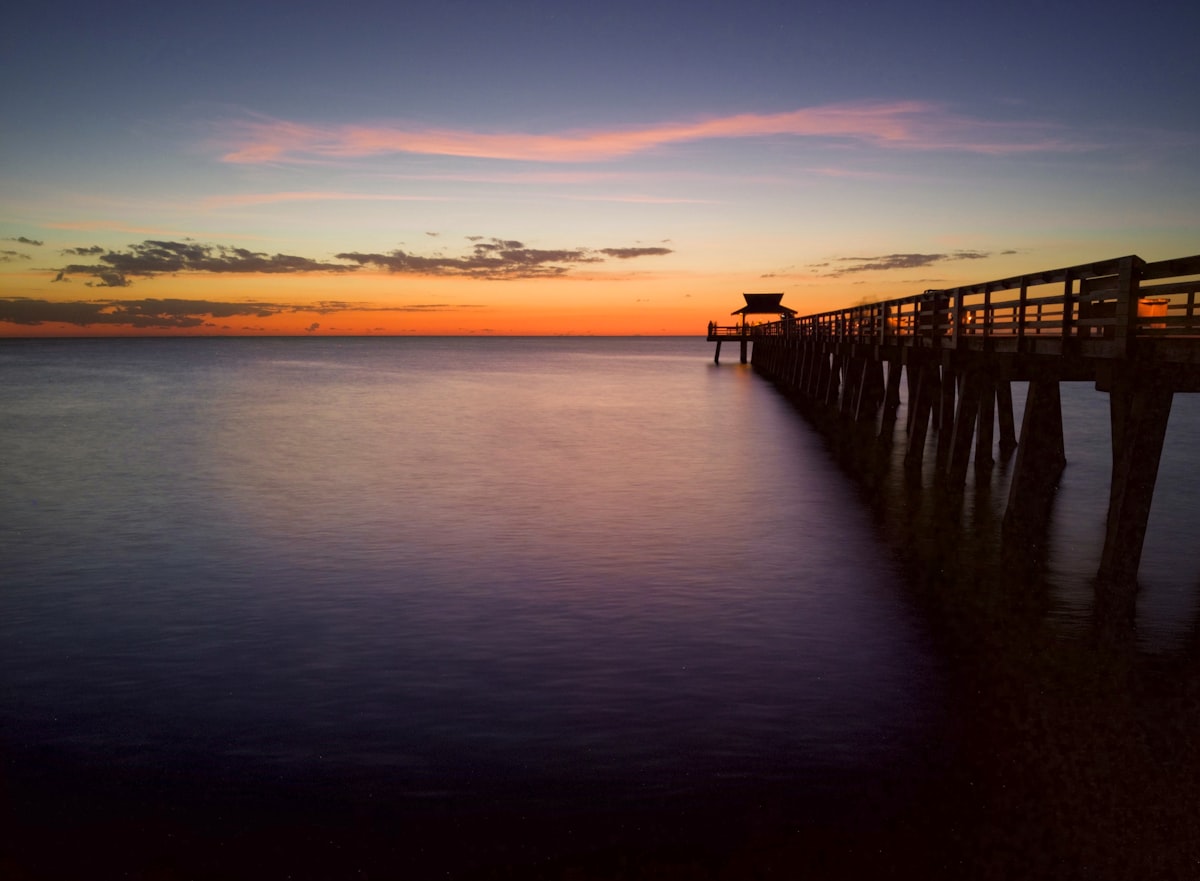
Naples Pier: The 1,000-foot city pier holds snook around the pilings year-round. No license required to fish from the pier. Best at dawn and dusk.
Snook Techniques
Live bait (the king): Live pilchards (scaled sardines) are the #1 snook bait in Naples. Free-line them near mangrove shorelines, dock pilings, or through the pass on the outgoing tide. Hook through the nose or back with a 3/0 circle hook on 30-pound fluorocarbon leader, no weight. The pilchard swims naturally toward structure, and the snook inhales it. Live pinfish and shrimp also work.
Catching pilchards: Throw a cast net (1/4-inch mesh, 8-foot radius) over bait schools that congregate around markers, bridges, and grass flats in the morning. A quality circular cast net and the skill to throw it are essential for Naples fishing.
Artificial lures: DOA CAL Shad (glow or white) on a 1/4-ounce jighead, the Naples standard. Cast it tight to mangrove shorelines and retrieve with a steady swim just below the surface. Rapala X-Rap 10 in olive or ghost for a suspending jerkbait option. At night or low light, a black or dark Hogy 7-inch paddle tail on a 3/8-ounce jighead, slow-retrieved along seawalls and bridge shadows.
Fly fishing: An 8- or 9-weight rod with an intermediate line. Clouser Minnows (chartreuse/white, size 1/0), EP Baitfish (white, size 2/0), and Puglisi Baitfish patterns. Cast tight to the mangroves, literally bouncing the fly off the roots, and strip with sharp, erratic pulls. Snook on a fly rod in the mangroves is one of the great experiences in Florida fishing.
The snap rule: Snook are catch-and-release only during closed seasons (December 1 through end of February, and May 1 through August 31). During open season, slot limit is 28 to 33 inches, 1 per day. Handle with wet hands, keep in the water, and release quickly.
Fishing in Naples Florida for Redfish and Snook Snook Fishing Naples FloridaRedfish: Flats and Oyster Bars
Redfish are the second pillar of Naples inshore fishing. They cruise grass flats, oyster bars, and mangrove shorelines in schools, tailing in shallow water as they root for crabs and shrimp on the bottom. Average 18 to 27 inches (slot size), with bull reds over 30 inches in the passes and along the beaches in fall.
Technique
Sight-fishing the flats: Wade or drift the grass flats on low-to-mid tide, watching for tailing reds, copper-bronze backs and tails waving above the surface. Cast a gold spoon (Johnson Silver Minnow 1/4-ounce in gold), Gulp! Shrimp (new penny) on a 1/8-ounce jighead, or a live shrimp under a popping cork 10 feet ahead of the school's direction of travel. Do not cast directly at the fish, they spook easily in shallow water.
Oyster bar fishing: Redfish hold on the edges of oyster bars, especially on the falling tide as water drains off the flat and concentrates fish along the bar edges. Cast soft plastics or live bait along the bar's drop-off.
Fly fishing: A 7- or 8-weight rod with a floating line. Gold or tan Merkin crab patterns (size 2), Redfish Crack (copper flash, size 2), or small Clouser Minnows in root beer/orange. Lead the fish by 5 feet and let the fly sink to the bottom before they arrive.
Tarpon: The Silver King
Tarpon show up in Naples from April through July, with peak fishing in May and June. Fish average 80 to 120 pounds, with some exceeding 150. They migrate along the Gulf beaches and roll through the passes, staging in the deeper channels before pushing into the backcountry to feed.
Gordon Pass: Tarpon stack in the deep channel of Gordon Pass on the outgoing tide, ambushing baitfish flowing from the bay. Drift live crabs, pinfish, or mullet through the channel on heavy tackle (8000-size spinning reel, 50-pound braid, 60-pound fluorocarbon leader, 7/0 circle hook).
Beach fishing: During the spring migration, tarpon cruise within casting distance of the beach. Sight-cast from the sand or wade out to knee-depth and throw large flies or plugs at rolling fish. A spectacular visual experience, you can see the fish's silver sides flashing in the clear Gulf water.
Backcountry tarpon: Juvenile tarpon (10 to 40 pounds) inhabit the backcountry creeks and bays of the Ten Thousand Islands year-round. Lighter tackle, more acrobatics per pound, and less pressure. Live pilchards or DOA Baitbusters on a medium spinning setup.
Florida Everglades, Sight Fishing Paradise (Tarpon, Snook, Redfish)The Ten Thousand Islands
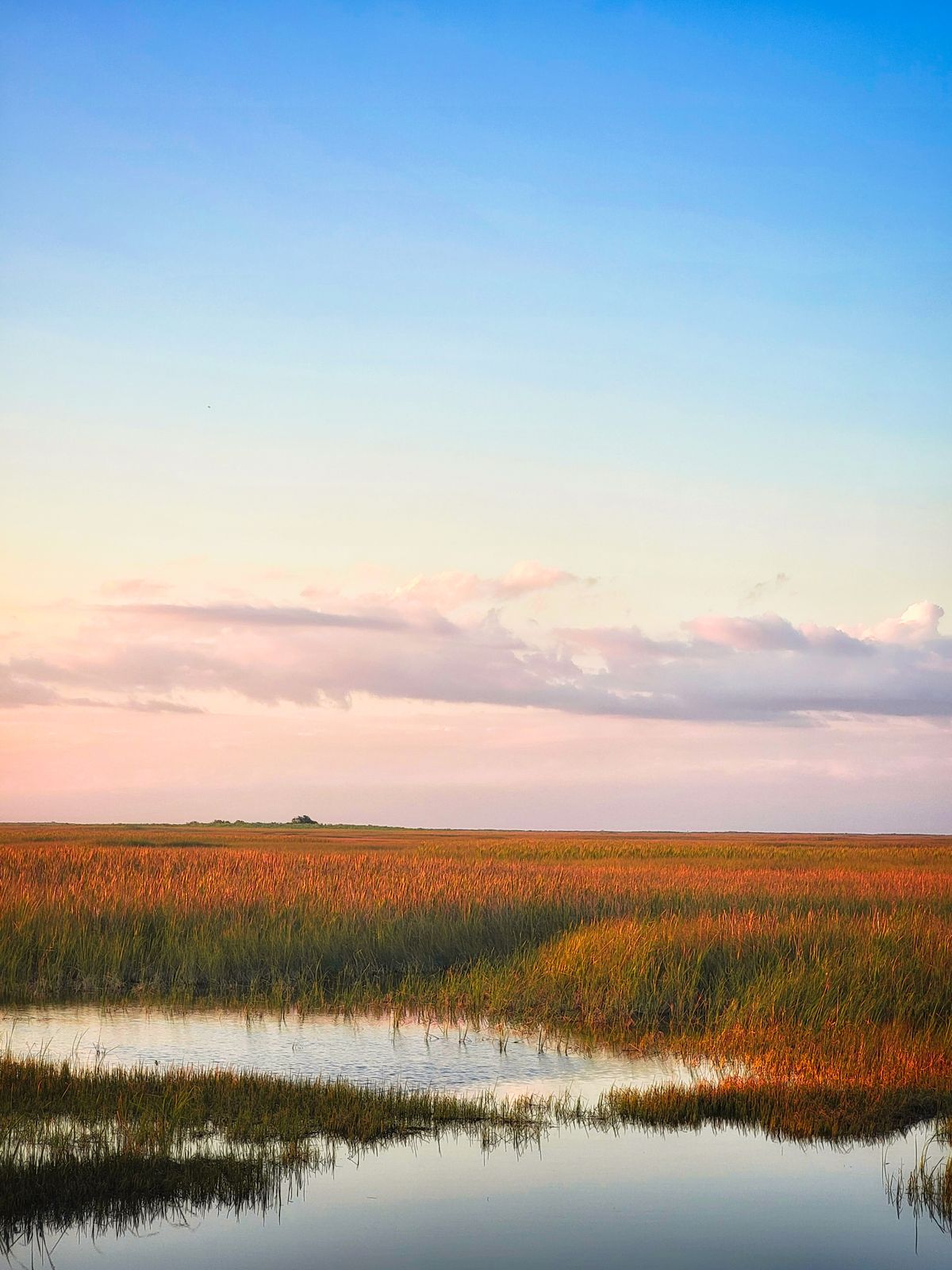
The Ten Thousand Islands is a vast maze of mangrove islands, tidal creeks, oyster bars, and open bays stretching from Marco Island south to the Everglades. It is one of the most pristine backcountry fisheries in North America, minimal development, minimal fishing pressure, and an abundance of snook, redfish, tarpon, speckled trout, jack crevalle, and sharks.
Access from Goodland (south of Marco Island) or Port of the Islands (on US-41). The navigation is challenging, unmarked channels, shifting sandbars, and a featureless mangrove landscape that all looks the same. A GPS with local waypoints or a guide who knows the creeks is essential. Getting lost in the Ten Thousand Islands is not hypothetical, it happens to experienced boaters.
What to expect: Fish every mangrove point, creek mouth, and oyster bar you pass. The tidal flow moves baitfish through predictable channels, and the predators (snook, redfish, tarpon) set up on the ambush points. Fish the last two hours of the outgoing tide for the most concentrated action.
Offshore: Grouper, Snapper, and Kings
The Gulf bottom offshore from Naples holds natural and artificial reefs with red grouper, gag grouper, mangrove snapper, lane snapper, hogfish, and amberjack. Depths range from 30 feet (nearshore) to 100+ feet (the deeper ledges). King mackerel, Spanish mackerel, and cobia migrate through in spring and summer.
Technique: Bottom fishing with cut bait (squid, pinfish, sardines) on a knocker rig or double-drop rig over reef structure. Grouper require heavy tackle (40- to 50-pound braid, 60-pound fluorocarbon leader) and fast hooksets, they dive into the reef instantly.
Charters: Half-day offshore trips from Naples or Marco Island run $600 to $1,000 (up to 4-6 anglers). Full-day trips $1,000 to $1,500. Nearshore trips targeting kingfish and Spanish mackerel on lighter tackle run $400 to $600.
Is Naples Bank Fishing ALWAYS This Easy? Fly Fishing NaplesAccess Points
Naples Pier: Walk-on, no license required. 1,000 feet long. Sheepshead, snook, jacks, and occasional tarpon around the pilings. Metered parking.
Gordon Pass (south jetty): Walk-in access from the end of South Gordon Drive. The best shore-fishing spot in Naples for snook, redfish, and sheepshead. Parking limited.
Bayview Park: Boat ramp on Naples Bay. Access to the bay, Gordon Pass, and the nearshore Gulf.
Goodland: Boat ramp access to the Ten Thousand Islands backcountry. The launching point for backcountry adventures.
Port of the Islands: Further south on US-41, provides access to the southern Ten Thousand Islands and the western Everglades backcountry.
Delnor-Wiggins Pass State Park: Beach access on the north end of Naples. Walk-in surf fishing for snook, pompano, and whiting. $6 vehicle entry.
Fishing License and Regulations
Florida requires a saltwater fishing license for anyone 16 and older. No license needed fishing from Naples Pier or on a licensed charter boat.
| License Type | Cost |
|---|---|
| Resident annual | $17 |
| Nonresident annual | $47 |
| Nonresident 7-day | $30 |
| Nonresident 3-day | $17 |
Snook: Catch-and-release December 1 through February 28 and May 1 through August 31. Open season: slot 28-33 inches, 1 per day. Circle hooks required with live or natural bait.
Redfish: Slot 18-27 inches, 1 per day. No harvest of oversized (bull) reds.
Tarpon: Catch and release only. A $50 tarpon tag is required only if you intend to keep one for a potential state record (virtually no one does).
Trout: 6 per day, 15-20 inch slot (4 fish limit in certain zones, check FWC regulations for your specific area).
When to Come
January-March (Winter/Early Spring): Sheepshead season around pilings and bridges. Redfish active on the flats. Snook in catch-and-release mode. Cooler temperatures, comfortable fishing, dry season (less rain).
April-June (Spring/Early Summer): Tarpon season, the main event for serious anglers. Snook become aggressive as water warms. Offshore grouper season opens. The best all-around fishing period.
July-September (Summer): Snook spawning around the passes (catch-and-release only through August). Juvenile tarpon in the backcountry. Afternoon thunderstorms are daily, fish early morning. Hot but productive.
October-December (Fall): Mullet run brings big snook and bull reds to the passes and beaches. Redfish schooling on the flats. Trout fishing peaks. Sheepshead return in November. Cooler weather, excellent fishing.
Practical Details
Getting there: Naples is on Florida's southwest coast, about 2 hours south of Tampa, 2 hours west of Miami, and 45 minutes south of Fort Myers. Southwest Florida International Airport (RSW) is 30 minutes north.
What to bring: Polarized sunglasses (essential for sight-fishing), sunscreen, rain gear (summer thunderstorms), light clothing. For wade fishing, Crocs or wading boots and quick-dry shorts. Bring or rent a quality circular cast net if you plan to catch your own pilchards.
Guides: Naples inshore guides run $450 to $650 for a half-day (1-2 anglers), including all tackle, bait, and local knowledge. Ten Thousand Islands backcountry trips are $550 to $750 and include the run down from Goodland. For the backcountry, a guide is essentially mandatory, the navigation alone is worth the fee.
Where to stay: Naples has luxury resorts, boutique hotels, and vacation rentals ranging from beachfront to Old Naples. Marco Island (20 minutes south) is closer to the Ten Thousand Islands. Off-season rates (May through November) are significantly lower than winter peak.
The ONLY Inshore Fishing Lures You Need, Snook, Redfish, Tarpon