Fish
Fish Fire
Fire Hike
Hike Bird
Bird

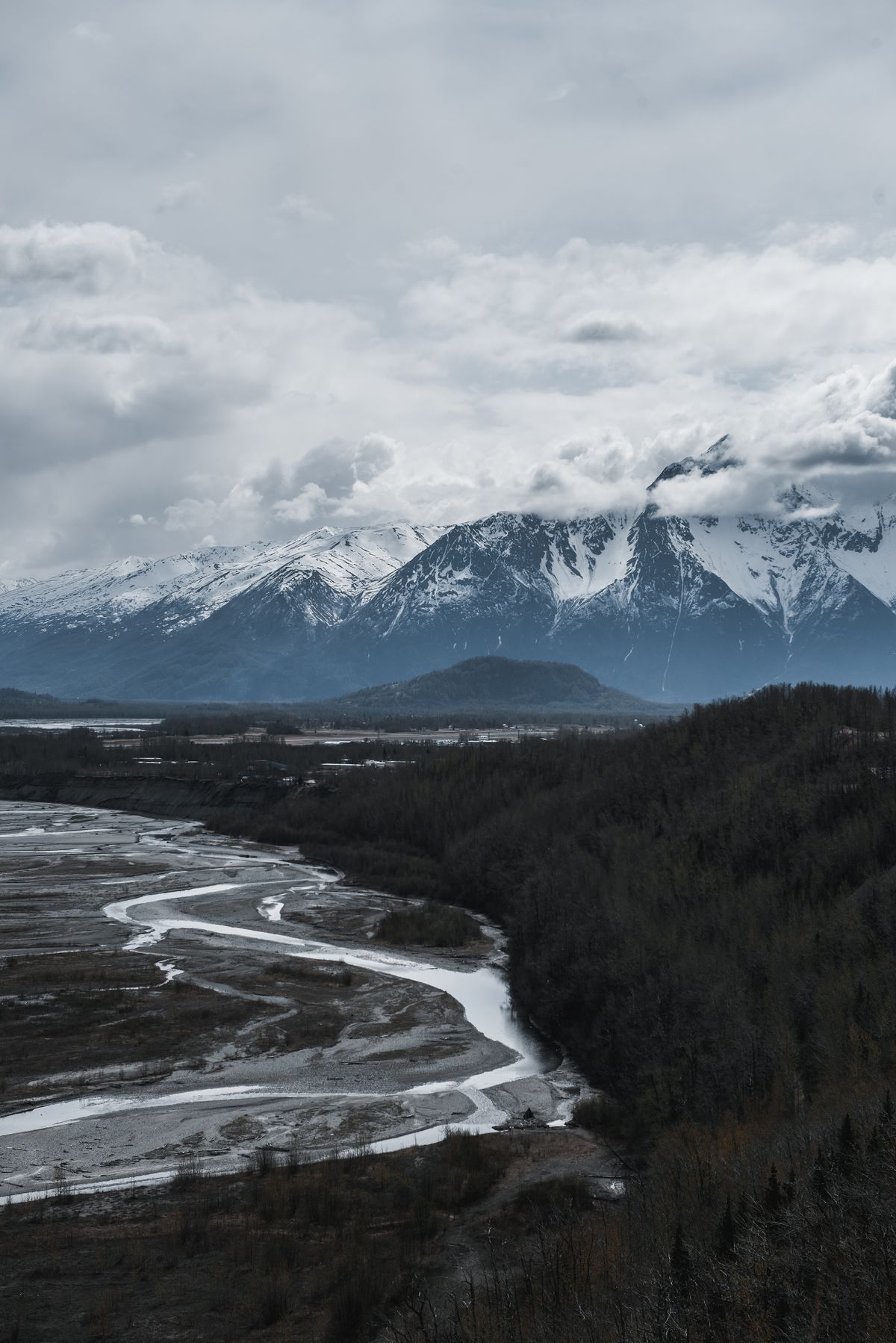
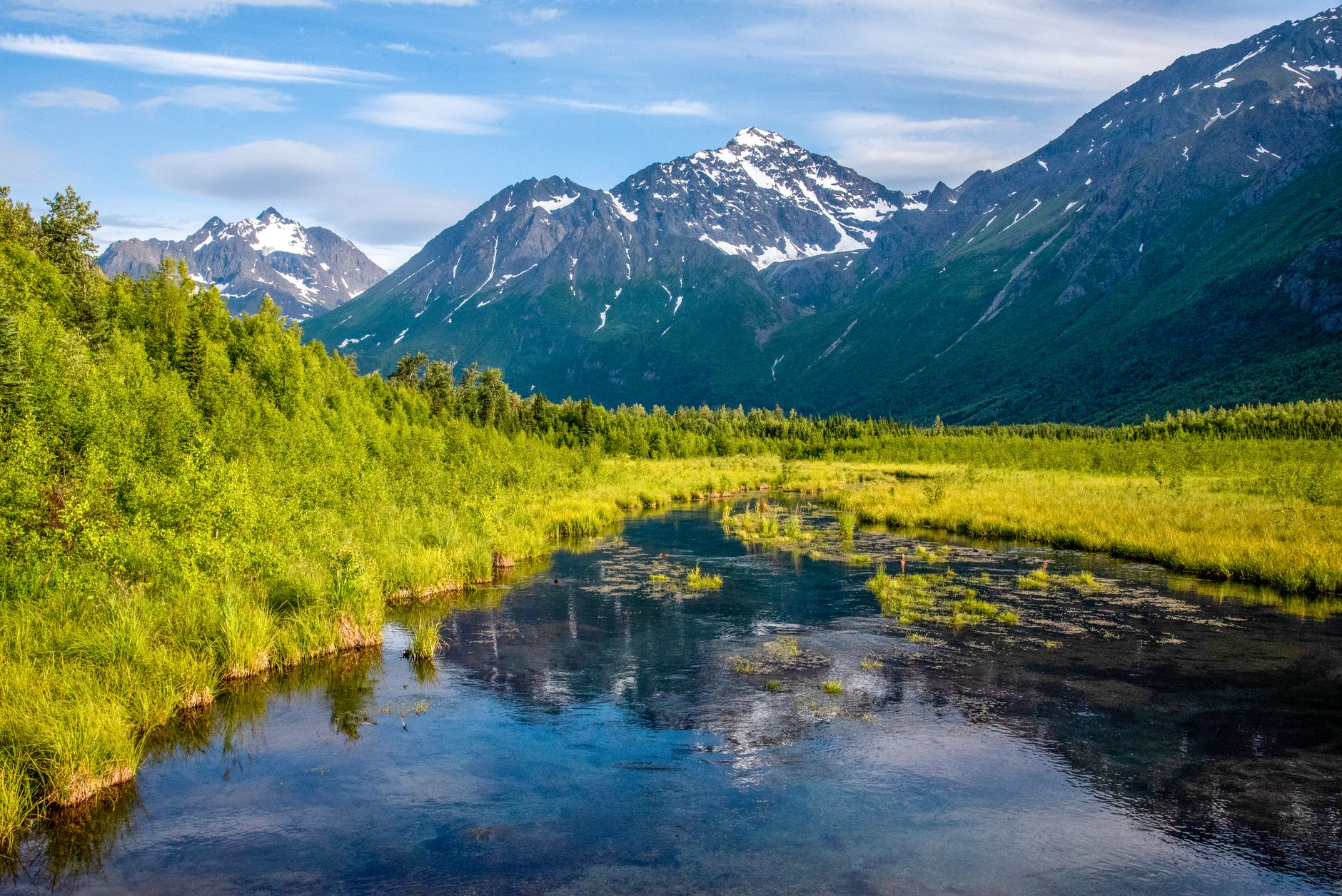
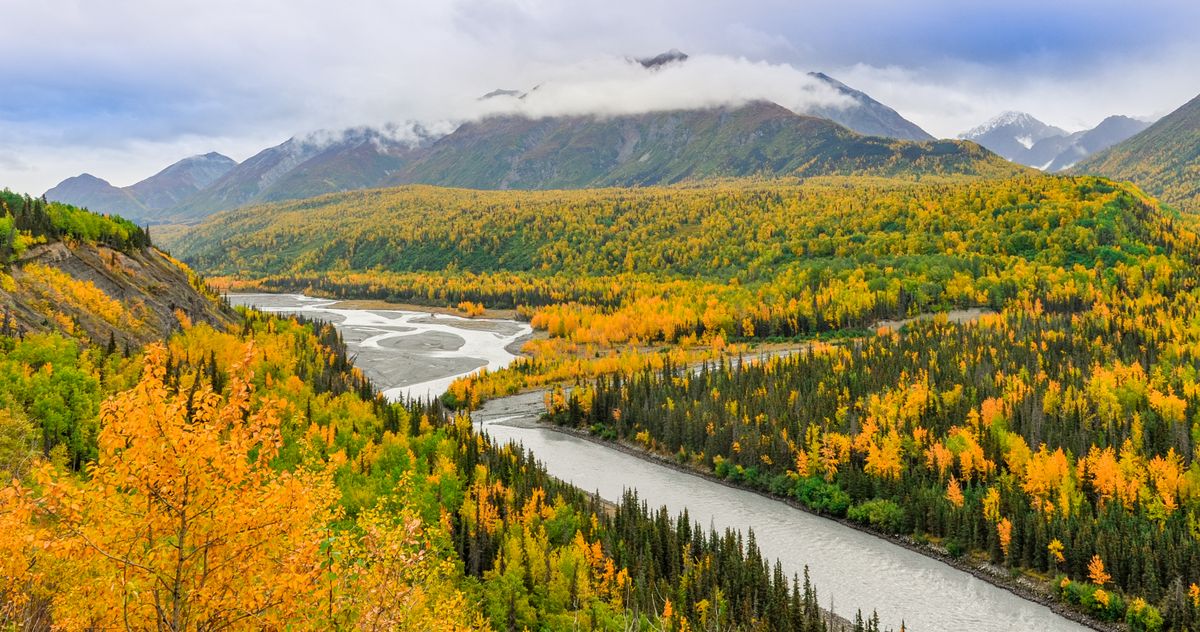
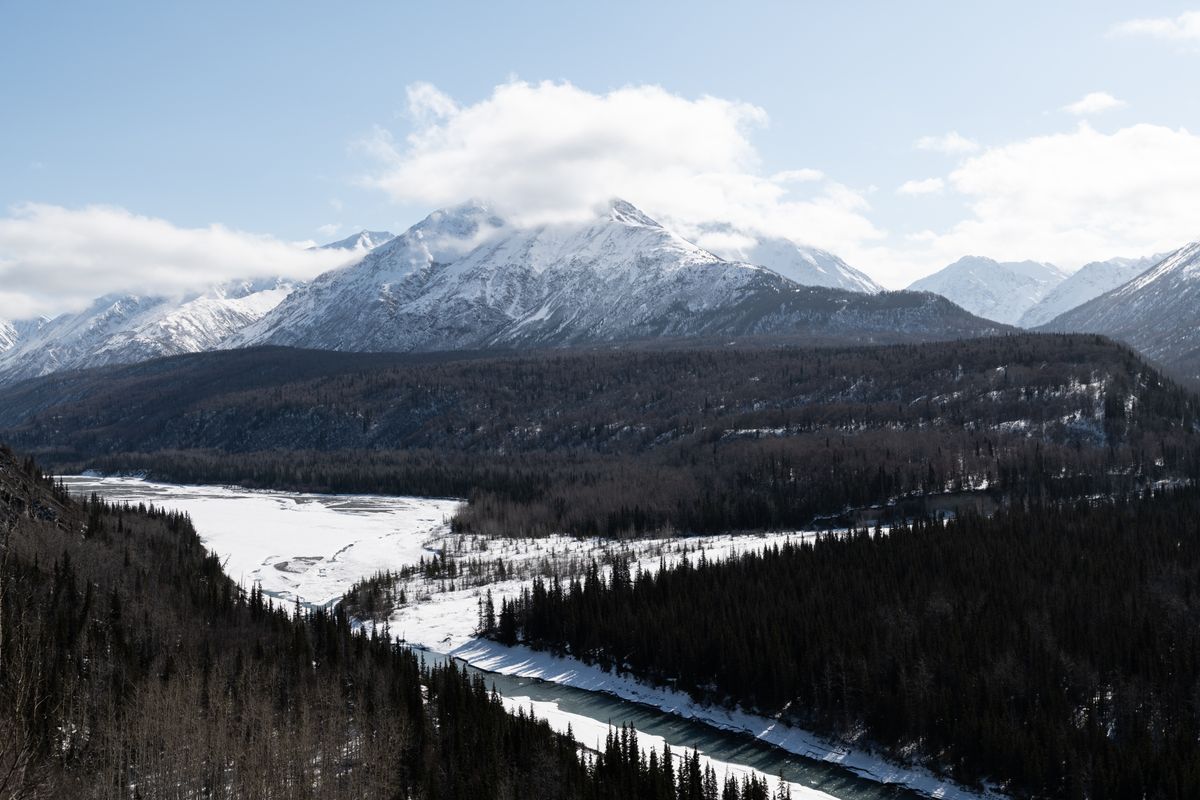
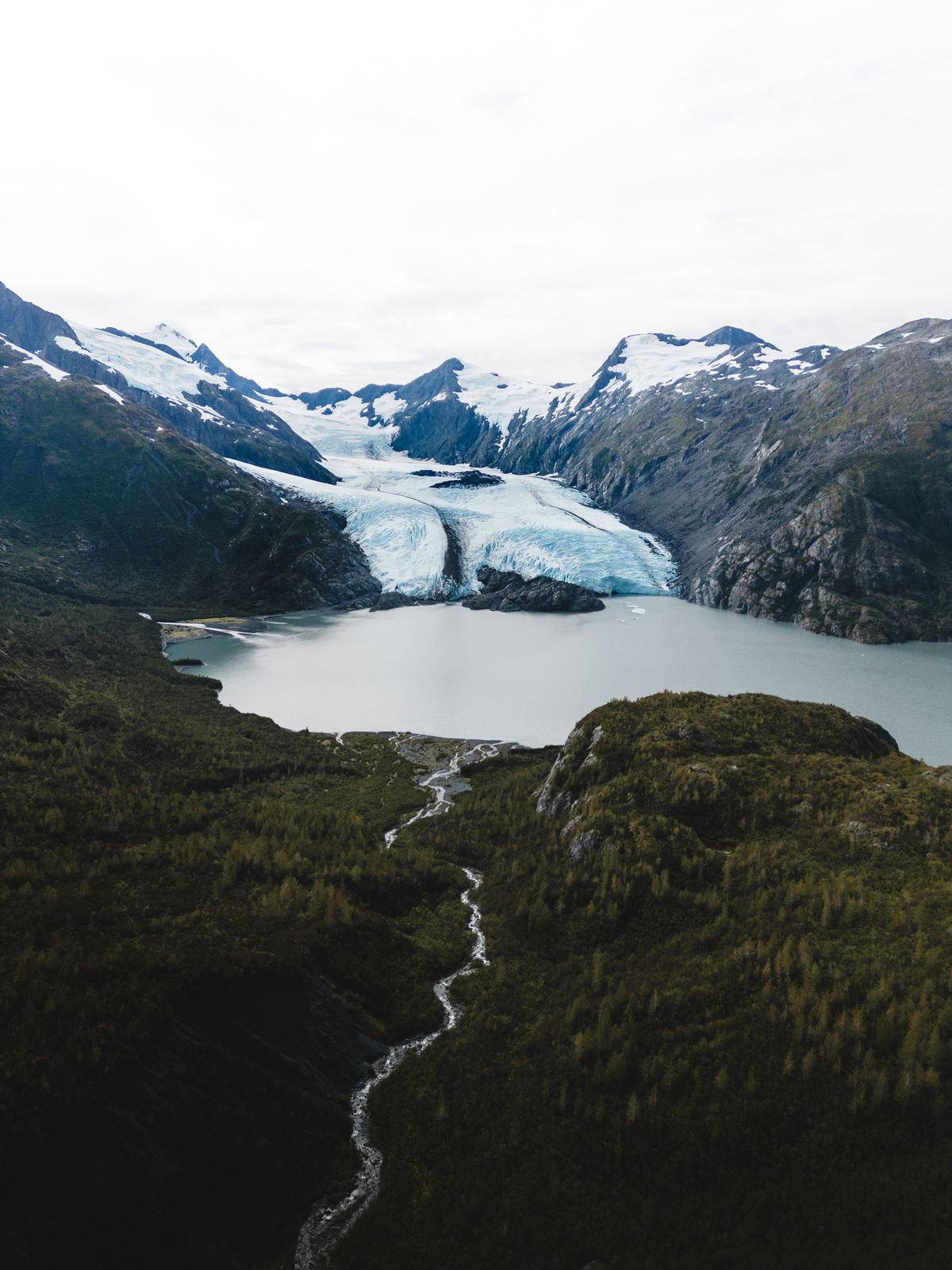
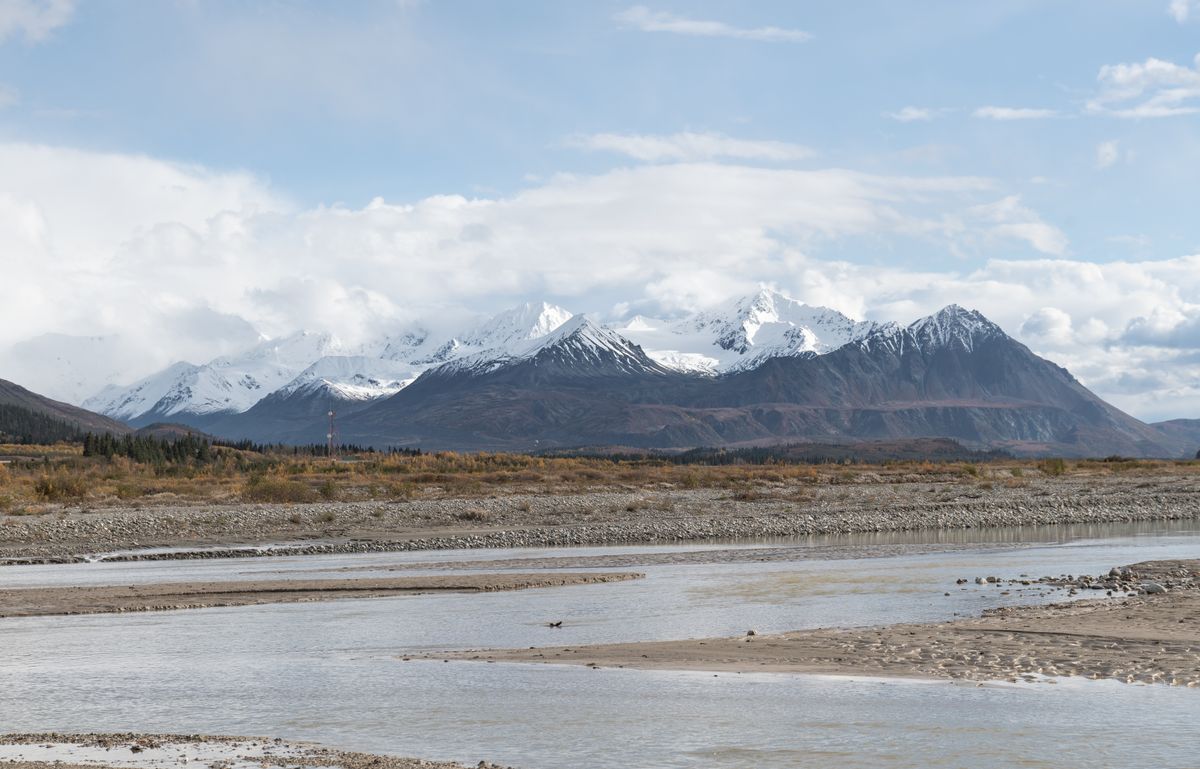
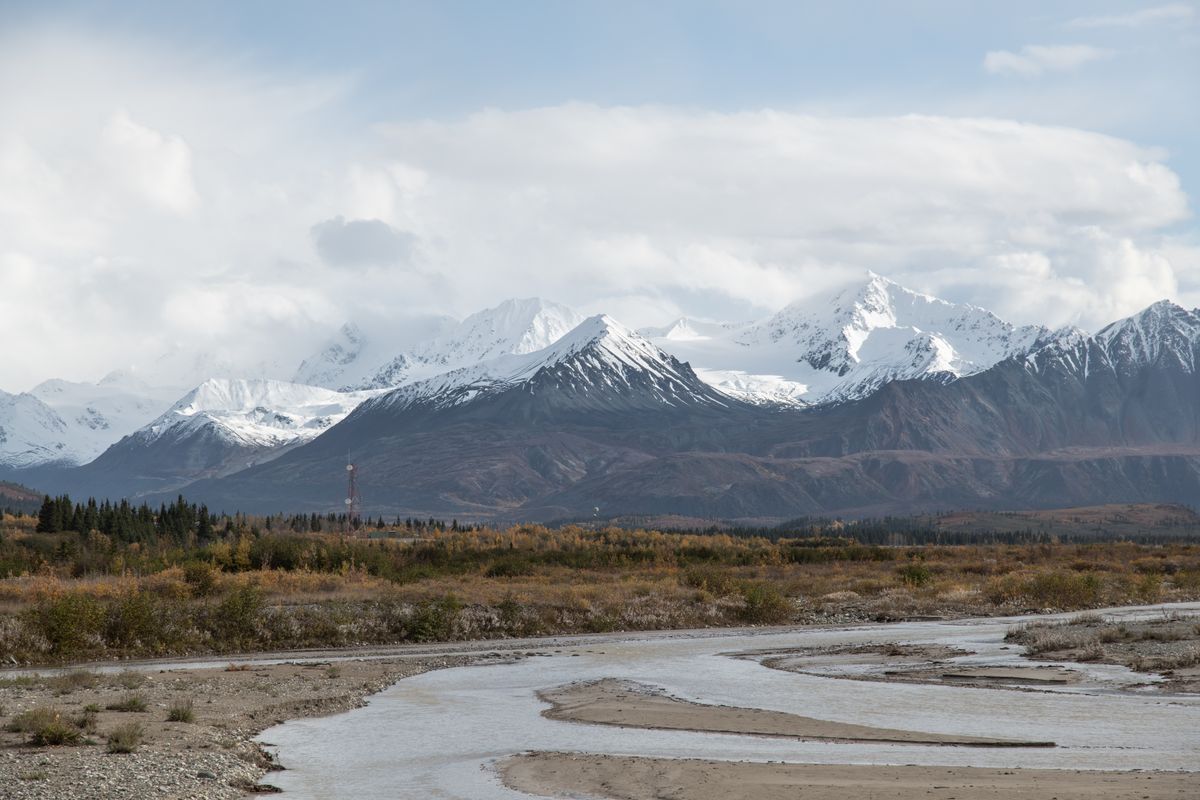
Wrangell-St. Elias National Park and Preserve covers 13.2 million acres of southeastern Alaska, an area larger than nine U.S. states, roughly the size of Yellowstone, Yosemite, and Switzerland combined. It holds the largest concentration of glaciers in North America, four major mountain ranges (the Wrangells, the St. Elias, the Chugach, and the eastern Alaska Range), nine of the sixteen highest peaks in the United States, and the single largest wilderness area in the entire National Park system at over nine million acres. The Malaspina Glacier alone is larger than the state of Rhode Island. The Nabesna Glacier is the longest valley glacier on the planet.
And yet, if you told most fly anglers you were heading to Wrangell-St. Elias to fish, they'd ask you where that was.

That anonymity is the point. Alaska's other famous fly-fishing parks, Katmai, Lake Clark, Denali, have carved out reputations among traveling anglers. Katmai has Brooks Falls and the bear-cam salmon runs. Lake Clark has the fly-out lodges and leopard bows. Denali has the brand recognition. Wrangell-St. Elias has none of that infrastructure, none of that marketing, and none of those crowds. What it has is incomprehensible scale, mountains that dwarf the Rockies, glaciers the size of small countries, rivers that drain watersheds no human has walked through in decades, and fish in almost all of them.
This is not a destination fly-fishing park. There are no lodges on the river, no guided float-trip operations running daily, no hatch charts pinned to the wall of a local fly shop. There is no local fly shop. The fishing at Wrangell-St. Elias is something you build around a wilderness expedition, not the other way around. You come here because you want to stand in a river that flows from a glacier the size of a city, cast to grayling that have never refused an artificial fly, and understand, in your chest, not your head, what Alaska looked like before anybody put roads through it.
Two Roads Into Thirteen Million Acres
The logistics of Wrangell-St. Elias define every aspect of the fishing experience. The park has two roads, and neither of them is paved. That's it. Two gravel roads into an area bigger than Switzerland. Everything else is backcountry, accessed by bush plane, river raft, or your own two feet.
The McCarthy Road
The McCarthy Road begins at Chitina and runs 60 miles east to the Kennicott River, ending at the tiny communities of McCarthy and Kennecott. It follows the old Copper River and Northwestern Railway bed, a rail line built in 1911 to haul copper ore from the Kennecott mines, and it drives like a rail bed that's been neglected for a century, because that's what it is. The gravel is washboarded, potholed, and interrupted by one-lane bridges over canyons that will make a passenger from the Lower 48 grip the dashboard. Allow two hours each way. Carry a full-size spare tire. There is no cell service. There are no services at all between Chitina and McCarthy.
The fishing along the McCarthy Road is limited but real. Strelna Lake and Strelna Creek, accessible via a short walk from the road, hold arctic grayling and small rainbow trout, nothing trophy-class, but serviceable fishing for a half-day if the weather has you grounded. Silver Lake holds larger rainbows but access requires permission and a fee for boat launch. Sculpin Lake is another roadside option for grayling. These are small-water fisheries, belly boats and 4-weights, dry flies and small nymphs, but they offer a legitimate fishing experience without requiring bush-plane logistics.
At the end of the road, the Kennicott River flows milky with glacial flour from the Kennicott Glacier and is largely unfishable in its main stem, the visibility is measured in inches, not feet, and the current is brutal. But the clear-water tributaries feeding into the glacial system hold Dolly Varden and grayling in the smaller pools and runs where the water clears. These are exploratory fisheries, you hike tributary drainages, find clear water, and see what's there. Sometimes you find grayling stacked in a plunge pool that no one else has found. Sometimes you find bear tracks and nothing else.
The Nabesna Road
The Nabesna Road runs 42 miles from Slana on the Tok Cutoff Highway into the northern reaches of the park. It's rougher than the McCarthy Road in places, the last 13 miles can require high clearance and four-wheel drive depending on conditions, but it accesses genuinely good roadside fishing.
Jack Creek at mile 35.3 offers arctic grayling in its clear riffles and pools, plus occasional lake trout and burbot. Tanada Creek crosses the road and holds grayling in its upper reaches. The small lakes visible from the road, Long Lake, Twin Lakes, hold grayling populations that are lightly pressured and responsive to dry flies.
For the more ambitious angler, the hike to Tanada Lake and Copper Lake opens up lake trout, grayling, and burbot fishing in remote alpine settings. Tanada Creek must be crossed on the trail, it can run high and fast during snowmelt, and the trail beyond deteriorates into game paths. But the lakes are stunning, the lake trout can reach 20 pounds or more, and the grayling fishing in the outlet streams is the kind of dry-fly sport that makes you forget you're fishing in a park the size of a European nation.
The Nabesna Road is where the casual angler-explorer will find the most accessible fishing in Wrangell-St. Elias. Bring a 4-weight or 5-weight, a box of dry flies, Elk Hair Caddis #12-16, Parachute Adams #14-18, Stimulators #10-14, and a sense of adventure. The grayling are cooperative and the scenery is absurd.
The Copper River System, Alaska's Most Famous Salmon Highway
The Copper River is the defining waterway of the Wrangell-St. Elias region, and its salmon runs are among the most celebrated in the world. When a restaurant menu in Seattle or San Francisco says "Copper River salmon," they're talking about fish that swam up this river, the same river that flows through the park's western boundary, draining a watershed of over 24,000 square miles.
Copper River sockeye, reds, are the gold standard of commercial wild salmon. The river's 300-mile journey from the Gulf of Alaska to the spawning grounds is one of the most grueling salmon migrations anywhere. The fish must fight powerful currents through narrow canyons and past glacial walls, and they store extra fat to fuel the journey. That fat content, higher than sockeye from virtually any other system, is what makes Copper River reds the most expensive, most sought-after wild salmon on the commercial market. Restaurants bid for the first fish of the season like collectors bid for art.
But the main stem Copper River itself is not great sport fishing water. It's enormous, glacially silted, fast, and dangerous. The sport fishing, and the genuinely world-class fly fishing, happens on the Copper's tributary rivers, several of which are accessible by road from towns just outside the park boundary.
The Gulkana River
The Gulkana River is the clearest, most fishable major tributary in the Copper River system and one of the finest all-around rivers in interior Alaska. Unlike the glacial Copper, the Gulkana runs clear, it's spring-fed from Paxson and Summit lakes, and it's navigable by raft or drift boat for much of its length. This is the river where the Copper River Basin's road-accessible fly fishing reaches its peak.
King salmon enter the Gulkana in June, big fish, 30 to 50 pounds, pushing through the clear water in pods that you can see from the bank. The king run is short and intense, typically peaking in mid-June, and these fish will take swung streamers and Muddler Minnows on a sink-tip line. Sockeye follow from late June through July, stacking in the deeper holes and runs, not the most cooperative fly-rod fish, but catchable on small nymphs, San Juan Worms, and bead patterns dead-drifted through holding water. Silver salmon arrive in August and September, and these are the fly angler's dream, aggressive, willing to chase streamers, and strong fighters in the current.
Between the salmon runs, the Gulkana holds excellent populations of arctic grayling and Dolly Varden. The grayling fishing is outstanding from May through September, these fish rise freely to dry flies, and a #14 Elk Hair Caddis or a #16 Prince Nymph fished through a riffle will produce steady action. Dolly Varden stack behind spawning salmon later in the season, eating eggs with the same enthusiasm as their Lake Clark and Katmai cousins, Copper Johns and egg patterns fished under an indicator are the standard approach.
The Gulkana is a designated Wild and Scenic River, and multi-day float trips from Paxson Lake to Sourdough are one of the classic Alaska river experiences, camping on gravel bars, fishing dawn to dark in the endless summer light, watching moose browse the willows at midnight.
The Klutina River
The Klutina River flows 63 miles from Klutina Lake to its confluence with the Copper River near Copper Center, and it's the other premier road-accessible fishery in the region. The Klutina runs turquoise and glacially tinted, not as clear as the Gulkana, but fishable, through tight canyons and fast rapids.
The Klutina's king salmon run is legendary in interior Alaska. These are big Copper River kings, 30 to 60 pounds, that have already fought 200 miles upriver from the Gulf and still have the power to snap 20-pound tippet without slowing down. The king run peaks from mid-June through early July, and the locals know it, the Klutina gets crowded during peak king season by Alaska standards, which means you might share a bank with four other anglers instead of having the river to yourself.
Sockeye follow the kings, and the Klutina's red run is massive, these fish are heading for Klutina Lake to spawn, and they stack in the lower river in numbers that have to be seen to be understood. The Klutina also produces silver salmon in August and September.
Chitina Dipnetting, The Cultural Experience
At the confluence of the Chitina River and the Copper River, just off the McCarthy Road, the town of Chitina hosts one of Alaska's most iconic fishing traditions: the personal-use dipnet fishery. From June through September, Alaska residents line the banks of the Copper River with long-handled dipnets, scooping sockeye salmon out of the glacial current, up to 25 fish per head of household, plus 10 for each additional family member. This isn't fly fishing. It's subsistence and personal-use harvest, and it's been happening here for thousands of years, first by Ahtna Athabascan people, now by Alaskans from across the state who make the annual pilgrimage to Chitina for their year's supply of red salmon.
For the visiting fly angler, Chitina dipnetting is worth stopping to watch even if you can't participate (it's residents only). The spectacle of hundreds of Alaskans hauling wild Copper River sockeye from glacial water, filleting them on the bank, and packing them in coolers for the drive home is a glimpse into a relationship between people and fish that has no equivalent in the Lower 48.
The Wilderness Interior, Rivers Nobody Else Is On
Everything described above, the McCarthy Road fishing, the Nabesna Road lakes, the Gulkana and Klutina rivers, is the accessible fraction of Wrangell-St. Elias fishing. The roadside fishing. The part that maybe 1% of the park's visitors (the park gets roughly 75,000 visitors per year, a fraction of Denali's half-million) actually do.
The other 99% of the park's fishable water is wilderness, rivers and streams that flow from glaciers and snowfields through valleys no road has ever touched, draining into the Copper River system or the coastal rivers of the Gulf of Alaska. These are rivers that appear as thin blue lines on USGS topographic maps and don't appear at all on most others. Some have been fished by the occasional hunting guide or backcountry pilot. Some have probably never been fished at all.
Accessing this water requires a bush plane. Charter flights out of McCarthy, Gulkana, Chitina, Glennallen, or Yakutat can deliver you to gravel bars, alpine lakes, and backcountry airstrips scattered across the park. A Cessna 185 or a Piper Super Cub drops you on a gravel bar beside a clear-water stream flowing out of a glacier valley, and you're standing in water that the pilot describes as "pretty good grayling water" based on a trip he made three years ago. There are no reports, no hatch charts, no beta from a buddy who fished it last week. You're scouting.
The fish in these wilderness rivers are what you'd expect from unfished Alaska water. Arctic grayling that have never seen an artificial fly and rise to anything that floats, a #12 Stimulator, a #14 Chubby Chernobyl, a #16 Parachute Adams, with the kind of reckless enthusiasm that you only see in fish that have no reason to be cautious. Dolly Varden holding in the deeper pools, bright-colored and fat on salmon eggs if you've timed it with a spawning run. Rainbow trout in some drainages, the Copper River system supports both resident rainbows and anadromous steelhead, and sorting out which tributaries hold which is part of the exploration. Lake trout in the deep alpine lakes, accessible by float plane and targeted with sinking lines and big Woolly Buggers or Clouser Minnows stripped through the cold water.
The steelhead deserve special mention. The Copper River system supports the northernmost steelhead runs in North America. These are not the heavily pressured winter-run fish of the Pacific Northwest, they are wild, remote, and almost entirely undocumented by the sport-fishing community. Finding a Copper River tributary that holds a run of steelhead is the kind of discovery that a serious fly angler might spend years chasing. If you make that discovery, you probably won't tell anyone about it, and nobody would blame you.
The Fish
Arctic Grayling
Grayling are the most reliably available fish in Wrangell-St. Elias and the species that makes the park's fishing genuinely fun for any fly angler, regardless of experience level. They're present in nearly every clear-water stream and lake in the park, tributaries of the Copper, Nabesna Road creeks, alpine lakes, glacier-fed tributaries where the water clears, and they eat dry flies with an aggression that borders on comedy.
A grayling's take is distinctive: the fish rises from the bottom, opens its mouth before it reaches the surface, and engulfs the fly in a swirl that looks like a trout rise but feels different, there's a head-shaking quality to a grayling take that telegraphs through the line. The fight is modest, grayling are not powerful fish, but the dorsal fin, that ridiculous sail-like fin that fans open during the fight and flashes purple-blue-green in the light, is one of the most beautiful things in freshwater fishing.
Most Wrangell-St. Elias grayling run 10 to 15 inches, with fish over 16 inches earning trophy status. They eat Elk Hair Caddis, Parachute Adams, Griffith's Gnats, small Stimulators, and virtually any well-presented dry fly in #14-18. Subsurface, Hare's Ear Nymphs and Pheasant Tail Nymphs #14-18 work consistently. The honest truth is that grayling in unfished water will eat almost anything you throw at them, and the skill is in finding the water, not matching the hatch.
Dolly Varden
Dolly Varden char are the second most common sportfish in the park and the primary target in many of the glacier-influenced drainages where trout are absent. Dollies are beautiful fish, olive-green backs, pink and red spots along the flanks, white-edged fins, and they fight harder than grayling, with a deeper, more bulldog style.
In the pre-salmon months (May-June), Dollies eat aquatic insects and small fish. Pheasant Tail Nymphs, Prince Nymphs, small Woolly Buggers in olive and black, and Muddler Minnows swung through deeper runs all produce. Once salmon arrive and start spawning (July-September), Dollies transition to an egg diet, and egg patterns, Glo Bugs, Unreal Eggs, beads, become the dominant approach. A single egg pattern dead-drifted behind a spawning sockeye redd will catch Dolly Varden with mechanical reliability.
Most Dollies in the park run 12 to 18 inches, with fish over 20 inches possible in the richer drainages.
Salmon
All five species of Pacific salmon, king (chinook), sockeye (red), silver (coho), pink (humpy), and chum (dog), spawn in the Copper River system, and all are available to anglers in the waters around and within the park.
Kings are the trophies, the biggest, the strongest, the most prized. The Gulkana and Klutina king runs in June and early July draw anglers from across Alaska. These fish average 25 to 40 pounds, with some pushing past 50. On a fly rod, you need an 8-weight or 9-weight, a sink-tip line, and the patience to swing large streamers, Muddler Minnows, and Intruder-style flies through holding water over and over until a king decides to eat. When one does, the fight is the most powerful freshwater experience available in North America.
Sockeye are the most numerous and the most commercially valuable, these are the famous Copper River reds that sell for $30 a pound in Seattle fish markets. On a fly rod, sockeye are challenging. They don't actively feed in freshwater, but they will mouth small flies drifted past their faces, San Juan Worms, small Copper Johns, bead patterns, and Zebra Midges in red or pink.
Silver salmon arrive in August and September and are the most fly-friendly of the bunch, they'll chase streamers, eat swung wet flies, and hit Woolly Buggers in purple, pink, and chartreuse with genuine aggression. A fresh silver on a 7-weight in river current is one of the great fights in Alaska fly fishing.
Rainbow Trout and Steelhead
The Copper River drainage supports both resident rainbow trout and anadromous steelhead. The resident rainbows in the Gulkana and its tributaries are wild, beautifully marked fish that average 12 to 18 inches, nothing like the fat 24-inch leopard bows of Lake Clark, but genuine wild trout in legitimate wild water. They eat Pheasant Tail Nymphs, Hare's Ear Nymphs, small streamers, and dry flies during caddis and mayfly hatches.
The steelhead are ghosts. They exist, they're documented, and they're the northernmost steelhead population on the continent. But targeting them specifically is an expedition-level undertaking, the runs are small, the timing is unpredictable, and the rivers are remote. If you find them, you've found something genuinely rare.
Lake Trout
The deep, cold lakes of Wrangell-St. Elias, Tanada, Copper, Ptarmigan, and dozens of unnamed alpine lakes, hold lake trout that can reach 20 to 30 pounds. These fish are targeted with full-sinking lines and big streamers, Clouser Minnows, Woolly Buggers, and articulated baitfish patterns, stripped through the water column in early summer when the lakers are shallow. By midsummer, they drop deep and become difficult to reach on a fly rod.
Lake trout fishing in Wrangell-St. Elias is a niche pursuit, most anglers coming here aren't specifically targeting lakers, but for the angler willing to hike to a remote alpine lake with a 7-weight and a box of big streamers, the opportunity for a genuine trophy in complete solitude is real.
The Fly Box
Wrangell-St. Elias demands a versatile fly box because the fishing is diverse, grayling on dry flies, Dollies on egg patterns, salmon on streamers, rainbows on nymphs. Here's what to bring:
Dry flies (grayling and trout): Elk Hair Caddis #12-16, Parachute Adams #14-18, Stimulator #10-14, Chubby Chernobyl #10-12, Griffith's Gnat #18-20, Royal Wulff #12-16, Black Gnat #14-18, Foam Beetle #14-16
Nymphs (grayling, trout, Dollies): Pheasant Tail Nymph #14-18, Hare's Ear Nymph #12-16, Prince Nymph #12-16, Copper John #14-18, Zebra Midge #16-20, Bead Head Stonefly #8-12
Egg patterns (Dollies and trout behind salmon): Glo Bugs (peach, chartreuse, flame), Unreal Eggs, Egg-Sucking Leech #6-8, San Juan Worm #10-14 (red and pink), Beads (6-10mm, peach, orange, chartreuse)
Streamers (salmon, lake trout, big Dollies): Woolly Bugger #4-8 (black, olive, purple, pink), Muddler Minnow #4-8, Clouser Minnow #2-6, Flesh Fly #4-6, Articulated Leech #2-4, Mouse patterns (Morrish Mouse, Mr. Hankey) #2-4
Salmon-specific: Coho flies in pink, purple, and chartreuse #2-6, Intruder-style king salmon flies #2-4, Pink Pollywog #6 (for pinks)
Gear
Rods: Bring at least two. A 4-weight or 5-weight (9-foot) for grayling and small-water trout, this is your primary dry-fly rod and the one you'll use most often on roadside water. And a 7-weight or 8-weight (9-foot) for salmon, lake trout, and big streamers in the backcountry rivers. If you're specifically targeting kings on the Gulkana or Klutina, bring a 9-weight.
Reels: Your salmon reel needs a strong disc drag and at least 150 yards of backing. Kings and silvers will run, and they'll run into the backing, and the Copper River system's current adds to the fight. Your grayling reel is less critical, any click-pawl or basic drag reel will handle the job.
Lines: Weight-forward floating for the light rod. For the heavy rod, bring both a floating line and a 200-grain sink-tip, you'll need the sink-tip for king salmon, lake trout, and deep-water streamers.
Leaders: 9-foot tapered leaders to 4X or 5X for grayling and trout. 7.5-foot leaders to 0X or 1X for salmon. Fluorocarbon tippet for nymphing; mono for dry flies.
Waders: Bring them. The water is cold, glacially cold, literally, even in August. Breathable chest waders with neoprene booties and felt-soled or studded wading boots. Wading the Gulkana or Klutina without waders is theoretically possible and practically insane.
Seasonal Calendar
- May: Ice-out on most accessible waters. Grayling are aggressive after a long winter. Dry-fly fishing on the Nabesna Road creeks and smaller tributaries. Roads may still be partially impassable.
- June: King salmon enter the Gulkana and Klutina. The most intense big-game fishing of the year. Grayling fishing peaks on dry flies. McCarthy Road typically opens fully. Long days, 20+ hours of light.
- July: Sockeye push up the Copper system in enormous numbers. Dollies and rainbows begin staging behind spawning fish. Egg patterns start producing. The backcountry streams are fully accessible.
- August: Silver salmon arrive, the fly angler's favorite. Sockeye spawning is in full swing, and Dollies and rainbows gorge on eggs. The best month for variety. Weather is warm by Alaska standards (50-65°F days). Mosquitoes are murderous.
- September: Trophy Dollies and rainbows at peak weight on egg and flesh patterns. Silvers still running. Fall colors hit the tundra. Temperatures drop, crowds (such as they are) disappear, and the fishing is excellent for the hardy angler willing to deal with cold mornings and short daylight.
- October: Freeze-up begins. Most backcountry water is done. Some late fishing on the Gulkana for the truly committed. First snow on the mountains, actually, first snow was in August, but serious snow now.
Planning Your Trip
Getting there: Fly to Anchorage, then drive. McCarthy is roughly 5.5 hours from Anchorage via the Glenn Highway, the Richardson Highway, the Edgerton Highway, and the McCarthy Road. Glennallen is the last real town with services (fuel, groceries, lodging). Alternatively, bush planes fly directly into McCarthy from Anchorage, Chitina, or Gulkana. For the Nabesna Road, drive from Anchorage to Slana via the Glenn Highway (about 4.5 hours), then take the Nabesna Road into the park.
Lodging: McCarthy has a handful of small lodges, a hostel, and some vacation rentals, all of which book up during the short summer season. Camping is available at a few primitive campgrounds along the McCarthy and Nabesna roads and at dispersed wilderness sites throughout the park. Copper Center and Glennallen have motels and campgrounds if you're basing out of the Gulkana/Klutina area.
Guides: If you're fishing the Gulkana or Klutina for salmon, local guides out of Copper Center and Glennallen run drift-boat trips and walk-and-wade excursions. For backcountry fly-out fishing, charter operators in McCarthy, Gulkana, and Chitina can put you on remote water. Wrangell-St. Elias does not have the lodge infrastructure of Lake Clark or Katmai, you're more likely to be working with an independent pilot and piecing together your own logistics than booking a week at an all-inclusive operation.
Bears: Wrangell-St. Elias has both brown (grizzly) and black bears, and they're everywhere the salmon are. Carry bear spray. Know how to use it. Store food in bear-resistant containers. Make noise on the trail. The bears here are not habituated to people the way Katmai's Brooks Falls bears are, they're wild animals in genuine wilderness, and your interactions should be conducted accordingly.
Licenses and regulations: A valid Alaska sport fishing license is required. Non-resident licenses run $25/day, $70/week, or $145/year. A king salmon stamp ($30) is required if targeting kings. Regulations are managed cooperatively by the National Park Service and the Alaska Department of Fish and Game, bag limits vary by species, water, and area, and the Upper Copper/Upper Susitna management area regulations can be complex. Check current ADF&G regulations before you go.
Why Wrangell-St. Elias, The Case for the Hard One
The honest comparison between Wrangell-St. Elias and Alaska's other fly-fishing parks is this: if you want the best fishing, go to Lake Clark or Katmai. The rainbow trout are bigger, the salmon access is more concentrated, and the guide infrastructure makes the whole experience smoother. If you want the most dramatic scenery combined with fishing, Denali and Glacier offer easier access to both.
But if you want to feel small, genuinely, physically small in a landscape that is so vast it changes how you think about distance and time and wilderness, then Wrangell-St. Elias is the park. This is where you stand on a gravel bar beside a river that flows from a glacier you can see but can't reach in a day of walking, cast to grayling that have never seen a fly, and look up at mountains that top 16,000 feet and have been climbed by fewer people than have summited Everest. This is where the fishing is part of something bigger than the fishing.
The 13.2 million acres are not scenery. They're not a backdrop. They're the point. The fish are a reason to be there, a way to interact with the water, a connection to the same rivers that have fed Ahtna people for ten thousand years and that produced the salmon runs that built an empire of canneries and railroads and mining towns that are now ruins being slowly consumed by the glaciers they were built beside. The fishing at Wrangell-St. Elias puts you inside that story, standing in that water, holding a rod that feels very small in a place that is very, very big.
Bring your 4-weight. Bring your sense of scale. And bring more flies than you think you need, because there's no place to buy them within a hundred miles.