Fish
Fish Fire
Fire Hike
Hike Bird
Bird

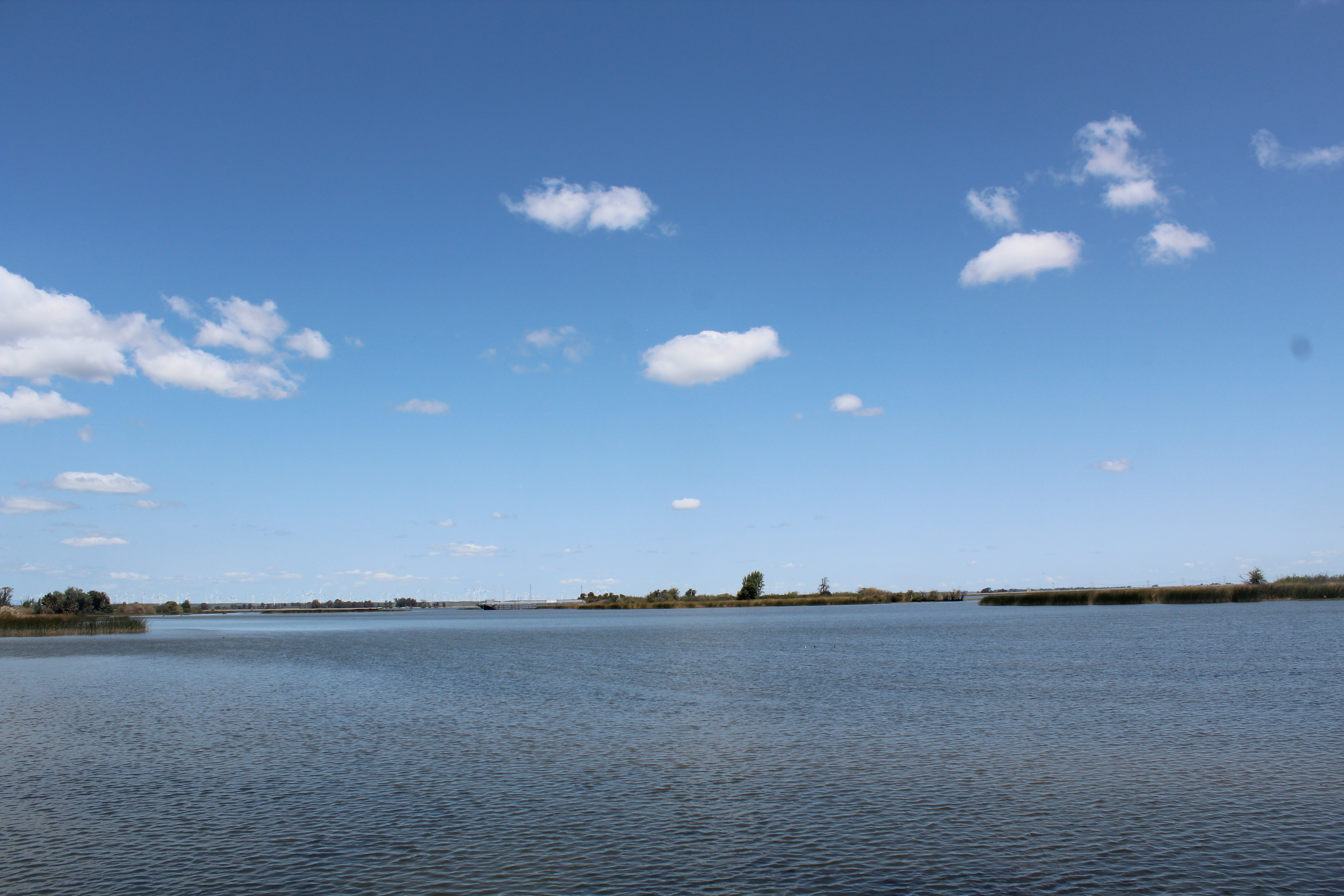

The Sacramento–San Joaquin Delta, known simply as the California Delta, or "the Delta", is the largest estuary on the West Coast, a vast, tidal maze where the Sacramento and San Joaquin rivers meet and braid through more than a thousand miles of interconnected channels, sloughs, and tule-lined islands on their way to San Francisco Bay. It is one of the greatest and most diverse freshwater and brackish fisheries in the American West, famous above all for its world-class largemouth bass and its signature striped bass runs, and loaded besides with giant white sturgeon, smallmouth and spotted bass, catfish, crappie, panfish, and seasonal salmon and shad. This whole-Delta guide covers what swims in the tidal labyrinth, where to find it, how the tide governs everything, and how to fish one of California's true angling treasures.
The West Coast's Great Estuary: A Maze of Sloughs
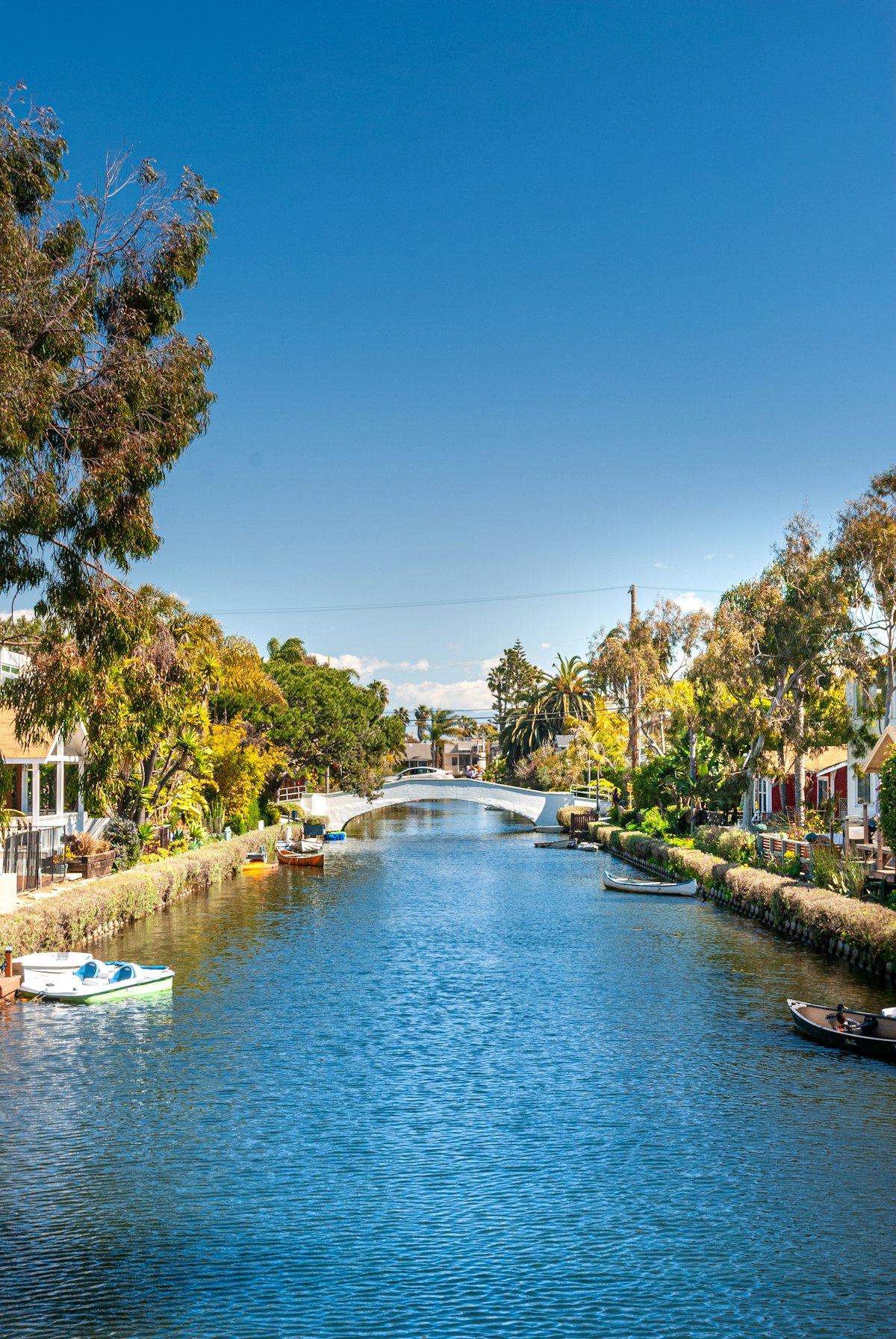
The Delta is unlike almost any other fishery in the country. Reclaimed from marsh into a patchwork of farmed islands ringed by levees, it is a bewildering network of wide rivers, narrow sloughs, dead-end cuts, flooded islands, and tidal flats, fringed everywhere by tule reeds and, in season, thick mats of hydrilla and water hyacinth. Because it's tidal all the way up, the water rises, falls, and reverses direction twice a day, and salinity shifts from fresh in the east to brackish toward the Bay. That combination, endless cover, tidal current, and a fresh-to-brackish gradient, is why the Delta grows such an extraordinary range of fish. It's also why it can overwhelm newcomers: a thousand miles of look-alike sloughs demand that you learn to read cover, current, and tide.
Largemouth Bass: A World-Class Bass Fishery
The Delta is one of the finest largemouth bass fisheries in the country, a nationally renowned tournament venue that grows big, healthy Florida-strain bass in staggering numbers. The endless tule edges, submerged hydrilla, docks, rock, and current breaks give bass unlimited ambush cover, and the tidal current positions them predictably for anglers who learn it. Fishers flip and punch soft plastics and creature baits into the tules and matted grass, throw frogs across the pads, work swimbaits and jigs along the edges, and burn reaction baits on the current. The Delta produces both numbers and genuine double-digit giants, and it fishes well nearly year-round in the mild California climate. For a bass angler, it is simply one of the great destinations in the West.
Largemouth Bass Fishing TechniquesFishing the Tules and Grass: Where the Bass Live
Cracking the Delta's bass fishing comes down to reading its cover and its tide together. Bass relate to the tule-lined banks, the outside grass edges, the dock lines, the rock rip-rap on the levees, and the points and cuts where sloughs intersect, and the tide dictates which of those spots is "on" at any given hour. On a moving tide, current sweeps bait to the fish and positions them on the down-current side of cover; slack tide often means a slow bite. The most successful Delta anglers plan their run around the tide, hitting the right kind of spot on the right stage of the water. Punch the thick stuff when they're buried in it, work the edges when they're feeding, and always factor in whether the tide is pushing or pulling.
Striped Bass: The Delta's Signature Run
If largemouth are the Delta's glamour fish, striped bass are its soul. The Delta is the heart of California's striped bass fishery, sea-run stripers migrate in from San Francisco Bay and the ocean, moving up into the Delta and rivers to spawn in spring and returning through in fall, with resident fish present much of the year. Anglers troll deep-diving plugs, drift and soak bait (like shad, sardines, and pileworms), cast swimbaits and topwater, and work the current seams, deep holes, and rock walls where stripers hunt. A big Delta striper on a fall run is a hard-pulling West Coast classic, and the striper fishery gives the Delta a saltwater-flavored dimension that sets it apart from a typical bass lake.
How to Catch Striped Bass, On-Water DemoWhite Sturgeon: The Winter Giants
The Delta's most awe-inspiring fish is the white sturgeon, an ancient, armored giant that can exceed seven feet and live for decades, cruising the deep holes and channels of the estuary. Sturgeon fishing peaks in the cooler months, especially winter, and often after storms push freshwater and food into the system; anglers anchor and soak bait (like grass shrimp, ghost shrimp, and roe) on the bottom in the deep water and wait for the distinctive rattling bite. Hooking one is an unforgettable, powerful battle, and the fishery is carefully regulated with a strict slot limit and reporting requirements, many fish, including all the biggest, must be released. Landing a Delta sturgeon connects you to a living dinosaur, and it's one of the West's signature big-fish experiences. Sturgeon feed heavily on the tides too, so anglers time their anchor sets to a moving current and often fish the incoming or outgoing water in the deeper channels, marking fish on electronics and waiting patiently for a bite that can come after hours, or in the first few minutes. Few fish in fresh water reward patience so dramatically.
Smallmouth, Spotted Bass, and the Black Bass Mix
Beyond the famous largemouth, the Delta and its connected waters hold other black bass. Smallmouth bass favor the rockier, cleaner, current-swept areas, the rip-rap levees and the cooler flowing water toward the rivers, fighting hard on tubes, drop-shots, and jerkbaits. Spotted bass turn up in some areas as well, especially where the Delta connects to reservoir systems. Having multiple black bass species, plus the striper, means an angler can target several distinct fisheries in one enormous, connected system, adjusting to the water type, tules and grass for largemouth, rock and current for smallmouth. It's one more reason the Delta rewards versatile anglers who can read the water and switch tactics.
Catfish, Crappie, and Panfish
The Delta is also a wonderful place to keep it simple and fill a cooler. Channel catfish and other cats are abundant and grow large, caught on cut and prepared baits fished on the bottom in the sloughs and holes, day or night. Black crappie school around the docks, brush, and marina structure and are a favorite spring target, and bluegill and other sunfish provide easy, fast action for kids and families around the tules and docks. These accessible, delicious fish are a big part of the Delta's appeal, you don't need a bass boat or a sturgeon rod to have a great day, just a slough, some bait, and a little tidal know-how.
Salmon, Shad, and the Migratory Fish
As a river estuary open to the ocean, the Delta is also a migratory highway. Chinook (king) salmon move up through the Delta and its rivers on their fall spawning run, and anglers intercept them in the main channels and toward the Sacramento and San Joaquin rivers (under seasons that are set in-season and heavily regulated). Each spring, the Delta and its rivers also fill with American shad on their spawning migration, providing fast, light-tackle fun on small darts and jigs. Striped bass, sturgeon, and even the occasional steelhead round out the anadromous cast. These seasonal runs add yet another layer to the Delta's remarkable, ever-changing menu of fish. The shad run in particular is a wonderful, accessible way to bend a rod, the fish pour through in huge numbers, hit small darts on nearly every cast when you find them, and pull hard for their size, making them a favorite of light-tackle and fly anglers looking for fast spring action in the moving current.
Reading the Tide: The Key to the Delta
More than any other factor, the tide rules Delta fishing. The entire system rises, falls, and reverses twice a day, and the moving water, not the time of day, is what turns the bite on and off. Current sweeps bait to feeding fish and positions them on structure; slack water at the top and bottom of the tide often shuts things down. Successful Delta anglers live by the tide charts, planning which spots to fish on which stage of the water, and often running long distances to stay on a moving tide as it progresses through the system. Learning how each of your spots fishes on an incoming versus an outgoing tide is the single most important skill on the Delta, and it's what separates those who catch from those who just ride around.
The Towns and Access
The Delta is ringed and threaded with access. Sacramento anchors the north, Stockton the south, and the classic Delta towns, Rio Vista, Isleton, Bethel Island, Discovery Bay, and the old river towns along the levee roads, put anglers right on the water, with numerous marinas, launch ramps, bait shops, and guide services. Countless public and private ramps access the sloughs, and bank fishing is available at parks, levee pullouts, and marinas throughout. Given the system's sheer size and its maze of look-alike channels, a good map or GPS is essential, and planning your launch near the water and species you want to fish, and around the day's tide, makes all the difference.
When to Go
- Spring (March–May): Prime largemouth as bass move shallow to spawn; the striped bass spawning run pushes up the rivers; the American shad run fills the system; crappie fishing peaks.
- Summer (June–September): Excellent largemouth in the tules and grass mats, catfish day and night, and resident stripers, the full warm-water season.
- Fall (September–November): The famous fall striped bass run, strong largemouth as fish feed up, and the Chinook salmon migration through the channels.
- Winter (December–February): Peak white sturgeon fishing in the deep holes, plus dogged largemouth and striper fishing in the mild climate.
Licenses (California)
Fishing the Delta requires a California sport fishing license for anglers 16 and older, available online or from retailers, with one- and two-day short-term options for visitors. Because the Delta hosts anadromous and specially managed fish, additional rules apply: sturgeon require a sturgeon fishing report card and are governed by a strict slot limit, tag, and reporting system (with all oversize fish released); salmon seasons are set in-season and can be short or closed; and striped bass, black bass, and other species carry their own size and bag limits that can change. Some areas and seasons have gear and closure rules too. Always check the current California Department of Fish and Wildlife (CDFW) regulations for your exact water and dates before you fish, especially for sturgeon and salmon.
A Beginner's First Trip
The Delta's size is its biggest challenge for newcomers, so the smartest first move is a guide, a Delta bass or sturgeon guide shortcuts years of learning the tides, the sloughs, and the seasonal patterns, and puts you on fish fast. If you're going it alone, start small: pick one area near a marina, learn a handful of tule edges and dock lines, fish a moving tide, and keep it simple with catfish, crappie, and bluegill while you build confidence. Bank and small-boat anglers can do very well in the sloughs without a big rig. However you begin, get a tide chart and a good map, tell someone your plan, wear a life jacket, and let the great California estuary reveal itself one slough at a time.
Guides and Gear
The Delta's variety calls for a range of tackle. For largemouth, heavy flipping and punching gear with braid, soft-plastic creatures, and frogs handles the tules and grass, plus rods for swimbaits, jigs, and reaction baits on the edges. Stripers take trolling and casting setups with plugs and swimbaits, and bait-soaking rigs. Sturgeon demand heavy rods and stout bottom rigs to anchor and soak bait in the deep holes. Smallmouth call for a medium spinning rod with tubes and drop-shots for the rock and current. Catfish, crappie, and panfish need only simple bait gear. A good map or GPS, a tide chart, and a life jacket are essential on this vast, current-swept, maze-like water.
From the world-class largemouth of the tule edges to the sea-run stripers, the giant winter sturgeon, and the seasonal salmon and shad, the Sacramento–San Joaquin Delta is one of the most diverse and rewarding fisheries in the American West, a thousand-mile tidal labyrinth of sloughs and islands where fresh water meets the sea. Flip a jig into the tules for a Delta largemouth, troll the current for a fall striper, or anchor a deep hole for a dinosaur sturgeon, get a tide chart, check the current California CDFW rules for your water, and learn to fish the great estuary one moving tide at a time. It's a fishery that can take a lifetime to master and reward you every day of it, with a new slough, a new tide, and a new fish always waiting around the next quiet bend of the winding levee.