Fish
Fish Fire
Fire Hike
Hike Bird
Bird

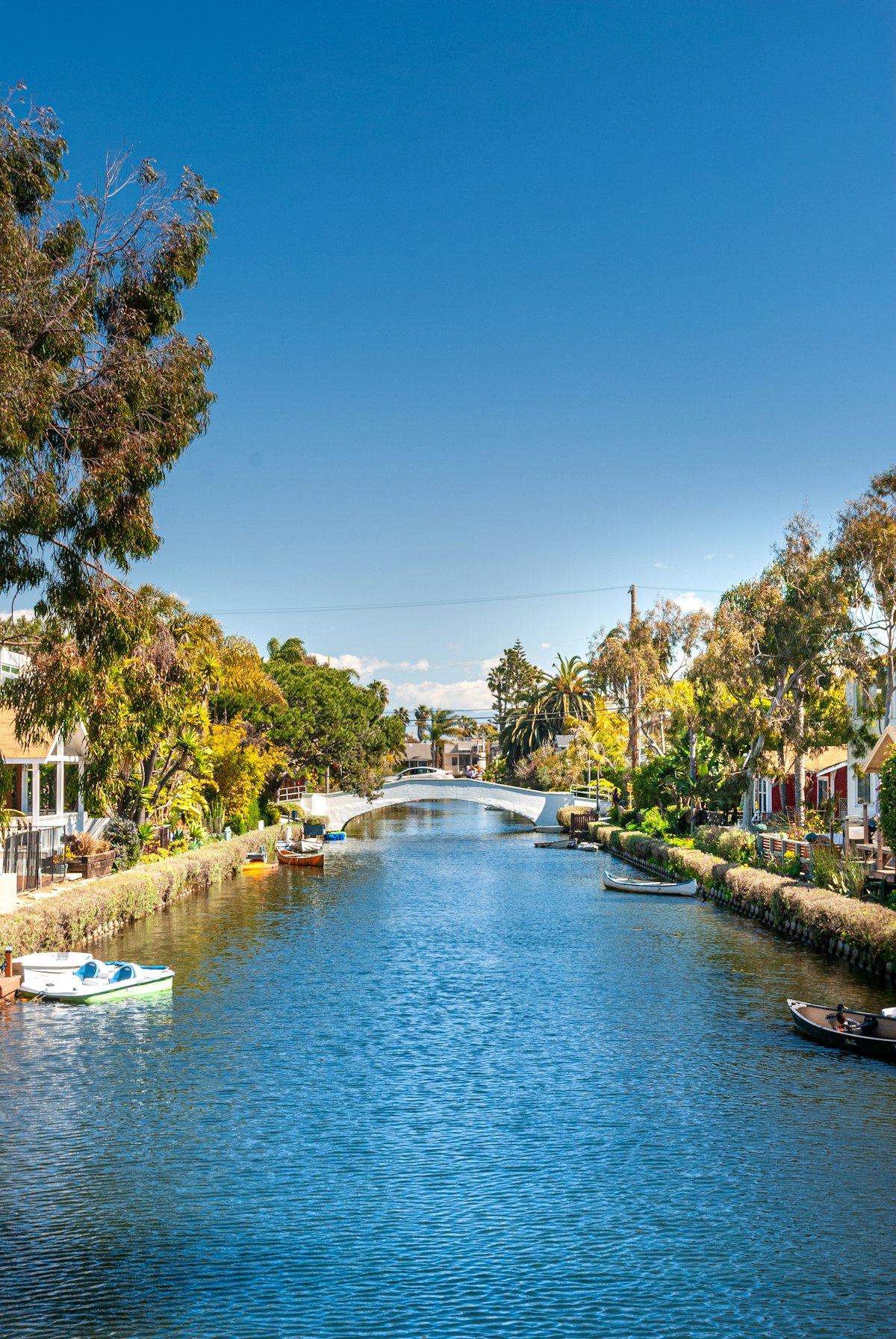

Los Angeles is a city of 4 million people spread across 503 square miles of concrete, asphalt, and strip malls, and somehow, improbably, it has excellent fishing. The LA River, 51 miles of mostly concrete channel running from the San Fernando Valley to Long Beach, holds carp, largemouth bass, tilapia, and catfish in its soft-bottom sections where vegetation has returned. City park lakes scattered across every neighbourhood get stocked with rainbow trout in winter and channel catfish in summer through the state's Fishing in the City programme. And the ocean piers, Santa Monica, Venice, Redondo Beach, Hermosa Beach, put you over productive saltwater without needing a boat, a licence (pier fishing is licence-free in California), or anything more than a rod, a bag of bait, and a willingness to share the rail with tourists.
The fishing in LA is not what you would call pristine. The water is often questionable. The scenery includes freeway overpasses and graffiti-covered bridge abutments. But the fish are real, the catches are surprisingly good, and the contrast between the urban chaos above and the quiet act of fishing below is something you will not find anywhere else.
The LA River: Sewer Salmon and Concrete Carp
The Los Angeles River is the most unlikely fishery in America. For decades it was written off as a drainage ditch, a concrete flood channel moving runoff from the San Fernando Valley to the ocean. But in the "soft bottom" sections where the Army Corps never poured concrete (primarily the Glendale Narrows from Griffith Park to Elysian Valley), riparian habitat has returned. Trees grow along the banks. Birds nest in the willows. And in the slow-moving, warm water, carp grow to 20 pounds and largemouth bass hold in the shade of bridge pilings.
Carp are the main event, locals call them "sewer salmon" with genuine affection. These are common carp, golden-flanked and powerful, feeding on algae, insects, and whatever washes into the river. They are not easy to catch. They are spooky in the shallow, clear sections. They fight like freight trains when hooked. And fly fishing for LA River carp has become a legitimate subculture, guides like Lino Jubilado have been fishing this water for over 40 years.
Where on the LA River
Glendale Narrows / Elysian Valley (Frogtown): The best section. Soft-bottom, vegetation, slow current. Access from North Atwater Park or the bike path along the east bank. Carp, largemouth bass, bluegill, green sunfish, tilapia.
Los Feliz: Park at the Los Feliz Boulevard crossing and walk south along the bike path. Deep pools under the bridges hold carp and bass.
Sepulveda Basin (San Fernando Valley): The wide, shallow section in the valley. Carp and catfish in the slower pools. Access from the Sepulveda Basin Wildlife Reserve.
LA River Techniques
Carp on the fly: A 6- or 7-weight fly rod with a floating line and a long leader (12 feet, 3X). Small nymph patterns, San Juan Worm (red), Woolly Bugger (olive), or a simple bead-head nymph, presented upstream and drifted past feeding carp. Sight-fish: look for carp tailing in the shallows or cruising slowly along the soft bottom. Cast 5 feet ahead and let the fly sink. The take is subtle, a slight tightening of the line.
Carp on spinning gear: Corn on a size 6 bait hook with a split shot, cast to a feeding area and left on the bottom. Or a small dough ball (canned corn mixed with bread) on a hair rig. Patience required, carp inspect bait carefully before eating.
Bass: Small soft plastics (Senko worms, creature baits) or Beetle Spins cast to bridge pilings, overhanging trees, and the deeper pools. The bass are small (1 to 2 pounds) but willing.
Urban Bass Fishing: Los Angeles River Bass on the Fly, Highlights 2024 Carp on the Fly: Los Angeles RiverCity Park Lakes: Stocked Trout and Catfish
California's Fishing in the City programme stocks urban park lakes across Los Angeles with rainbow trout (November through March) and channel catfish (May through September). These are small lakes, 5 to 20 acres, surrounded by walking paths, playgrounds, and parking lots. The fishing is simple, accessible, and surprisingly productive on stocking days.
Stocked Lakes in LA
Echo Park Lake: The most iconic. Right in the heart of the city with downtown skyline views. Stocked with trout in winter and catfish in summer. Also holds largemouth bass, bluegill, and carp year-round. Walk-in from the Echo Park neighbourhood. Free parking along the streets.
MacArthur Park Lake: West of downtown, in the park made famous by the song. Stocked trout and catfish. Smaller and more urban than Echo Park but productive. Metro accessible (Westlake/MacArthur Park station).
Hansen Dam Lake (Lake View Terrace): In the San Fernando Valley. Larger (27 acres) with more room to spread out. Stocked trout, catfish, and also holds largemouth bass and bluegill. Picnic areas and a recreation area nearby.
Lincoln Park Lake (Lincoln Heights): A quieter alternative to Echo Park. Stocked trout and catfish. Walk-in access from Lincoln Park. Less crowded.
Kenneth Hahn State Recreation Area Lake: In the Baldwin Hills, between Culver City and Inglewood. Stocked trout in winter, catfish in summer. Park entry fee applies.
How to Fish Stocked City Lakes
Trout (November-March): PowerBait (chartreuse or rainbow) on a bottom rig, split shot, 18-inch leader, size 12 bait hook. Or a 1/8-ounce gold Panther Martin spinner, cast and retrieved slowly. The stocked rainbows are 10 to 12 inches and hit almost anything on stocking day. Fish within 48 hours of a stocking for the best action, check the CDFW stocking schedule online.
Catfish (May-September): Chicken liver, nightcrawlers, or stink bait on a bottom rig with a 1/2-ounce egg sinker. Cast it out and wait. Channel cats in these lakes run 1 to 5 pounds and bite best at dusk and after dark.
Bass and panfish (year-round): Small soft plastics, Beetle Spins, or live worms fished around structure (docks, fallen timber, lily pads). Ultralight gear.
Fishing A Tiny Urban Pond In Los Angeles, Big BassOcean Piers: No Licence Required
California law does not require a fishing licence to fish from a public ocean pier. This makes pier fishing the most accessible saltwater fishing in Los Angeles, show up with a rod, buy bait at the pier shop, and start fishing.
The Best Piers
Santa Monica Pier: The most famous pier in LA. 2,000 feet long. Pacific mackerel, jacksmelt, topsmelt, surfperch, bonito, halibut (yes, California halibut from the pier), bat rays, and the occasional white seabass. The end of the pier is the best fishing area. Bait shop on the pier sells tackle and frozen bait.
Redondo Beach Pier: In the South Bay. Excellent mackerel fishing year-round. Bonito in summer and fall. Halibut, perch, and the occasional yellowtail. The horseshoe-shaped pier provides multiple angles and depths.
Venice Pier: Shorter than Santa Monica but less crowded. Good mackerel and perch fishing. Walk-on from the Venice Beach boardwalk.
Hermosa Beach Pier: A local favourite in the South Bay. Less touristy, more fishermen. Mackerel, perch, halibut, and sharks. The "T" at the end gives you deeper water.
Pier Techniques
Mackerel: A sabiki rig (6-hook feathered rig with a small weight) jigged vertically near the pilings. Mackerel school around the pilings year-round and hit sabikis aggressively. Use them as live bait for larger species.
Halibut: A live smelt, anchovy, or small mackerel (caught on the sabiki) on a sliding sinker rig, cast to the sandy bottom. Halibut lie flat on the sand and ambush passing baitfish. Let the rod sit, the bite is a slow pull, not a strike.
Surfperch and croaker: Small hooks (size 6-8) baited with mussels, sandworms, or cut squid, fished near the pilings or in the surf zone where the waves break. Surfperch are the most consistently catchable fish from LA piers.
Bonito and barracuda (summer/fall): Live bait (sardines or mackerel) free-lined away from the pier on light line. Or cast metal jigs (Kastmaster, Krocodile) past the surf line and retrieve fast. Bonito hit like rockets.
Los Angeles Pier and Surf Fishing, Sand Bass, Halibut, Surf Perch, MackerelSurf Fishing: The Beach Is Your Spot
The sandy beaches of LA hold barred surfperch, corbina, spotfin croaker, yellowfin croaker, and California halibut. Surf fishing does require a California fishing licence (pier fishing does not).
Where: Any sandy beach. Dockweiler State Beach, Manhattan Beach, El Segundo Beach. The water between the beach and the first sandbar, the trough, is where surfperch and croaker feed.
Technique: A 9- to 10-foot surf rod, 4000-size reel, 15-pound braid. A Carolina rig with a 1-ounce egg sinker, 24-inch fluorocarbon leader, and a size 4 hook baited with sand crabs (mole crabs), bloodworms, or Gulp! Sandworm. Cast to the trough and let it sit. Corbina and surfperch pick up the bait delicately, watch the rod tip for taps.
Fishing Licence and Regulations
Pier fishing: No licence required on public ocean piers in California. This is the law.
All other fishing (surf, lakes, rivers): California sport fishing licence required for anyone 16+. Resident annual $62.90, nonresident annual $170.60. One-day licences available for $19.50.
Stocked urban lakes: Standard CDFW freshwater regulations. Daily trout limit 5. Daily catfish limit (varies by species). Check CDFW for specific lake regulations.
LA River: Open to fishing. No special regulations beyond standard CDFW freshwater rules. Catch and release is strongly encouraged, there are consumption advisories for fish from the LA River.
Ocean species: California halibut minimum 22 inches, 3 per day. Barred surfperch no size limit. Check CDFW for current ocean regulations, they change frequently.
When to Fish
November-March (Winter): Trout stocking season at city park lakes. Best pier fishing for perch and halibut. LA River carp are less active in cooler water but still catchable.
April-June (Spring): City lakes transition from trout to catfish stocking. Surfperch and corbina in the surf. LA River bass become active. Best weather for pier fishing.
July-September (Summer): Catfish stocking at city lakes. Bonito and barracuda at the piers. LA River carp peak activity. Surf fishing for croaker and corbina at dawn.
October-November (Fall): Bonito blitzes at the piers. Trout stocking begins again. Excellent all-around period with fewer crowds and comfortable temperatures.
Practical Details
For a deeper dive into Southern California's coastal fisheries, read our San Diego fishing guide or check out urban fishing in San Diego for pier and Mission Bay action without leaving the city.
Getting there: LA is a car city, but several fishing spots are transit-accessible. Echo Park Lake is walkable from the Echo Park neighbourhood. MacArthur Park is on the Metro Red/Purple line. Santa Monica Pier is the end of the Expo Line. The LA River bike path connects multiple access points.
Gear that travels: A two-piece 7-foot spinning rod and a small tackle bag. For pier fishing, a heavier combo (Penn Pursuit IV 4000, 7' MH) handles bonito and halibut. For city lakes, an ultralight trout setup. The pier shops at Santa Monica and Redondo rent rods and sell bait.
Tackle shops: Turner's Outdoorsman (multiple locations), Fisherman's Spot (San Fernando Valley), Bob Sands Fishing Tackle (Redondo Beach). Pier bait shops at Santa Monica and Redondo sell frozen bait, tackle, and rod rentals.
Eat your catch? Pier-caught mackerel, bonito, and surfperch are generally safe. Ocean halibut and white seabass are excellent eating. LA River fish have consumption advisories, catch and release is the smart move. City park lake fish: check CDFW advisories.
Fly Fishing for Bass, Bluegill, and Green Sunfish in the LA River