Fish
Fish Fire
Fire Hike
Hike Bird
Bird

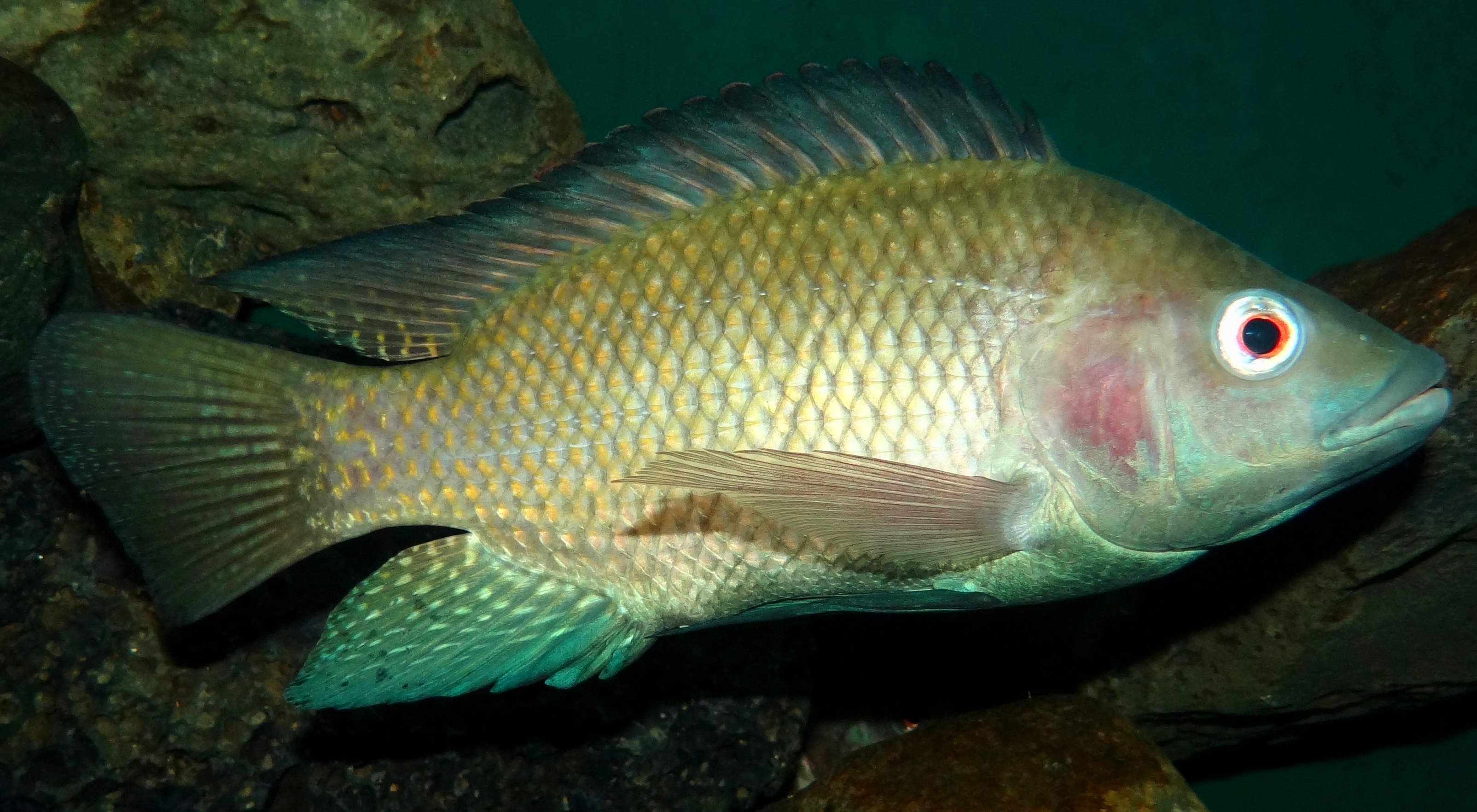

Tilapia are one of the most familiar fish in the world on a dinner plate, but one of the most frustrating to catch on rod and reel, until you understand them. These deep-bodied, hard-fighting cichlids have been introduced across the warm waters of the southern United States (Florida, Texas, the Southwest, and beyond) and much of the tropics, where they thrive in lakes, ponds, canals, and slow rivers. The catch is that tilapia are mostly vegetarian filter-feeders and grazers, so they largely ignore the lures and baitfish that fool bass and panfish. But there's a secret: during the spawn they turn intensely aggressive and territorial, and that's when they become genuinely catchable, even on a fly. This guide covers how to catch wild tilapia by every effective method.
What Is a Tilapia?
"Tilapia" is a common name for several species of African cichlids, most often the Nile tilapia (Oreochromis niloticus), blue tilapia, and Mozambique tilapia, all widely farmed and widely introduced. They're deep-bodied and laterally compressed, a bit like an oversized bluegill, with a long spiny dorsal fin, and range from silvery-gray to olive with faint vertical bars, sometimes flushing pink or red on the fins when spawning. Wild tilapia commonly run half a pound to 2 pounds, with some topping 3 to 5 pounds.
The defining fact for anglers is their diet. Tilapia feed mostly on algae, plankton, aquatic plants, and detritus, filtering and grazing rather than chasing prey. That's why they're so hard to catch on conventional gear most of the year. They're also prolific, warm-water spawners, they build saucer-shaped nests (beds) in the shallows, and many are mouthbrooders that carry eggs and fry in their mouths. Their territorial nest-guarding during the spawn is the single biggest key to catching them. In much of the U.S., tilapia are considered invasive or restricted, which shapes how you can legally target and handle them.
Where and When to Catch Tilapia
Tilapia need warm water, so in the U.S. they're found in the warm South and Southwest, Florida especially, plus Texas, Arizona, California, and other warm waters, including power-plant lakes and canals that stay warm year-round. Look for them in shallow, warm, weedy, or algae-rich water: pond and lake shallows, canal edges, backwaters, and flats, often where you can see them cruising, grazing, or fanning nests.
The prime time is the spawn, which runs through the warm months (spring through summer, and nearly year-round in the warmest waters). When water temperatures climb into the 70s and 80s, tilapia move onto shallow beds, you'll see clusters of light, saucer-shaped nests fanned into the bottom, with fish hovering over them. Spawning tilapia are aggressive and territorial, attacking anything that enters their nest zone, which flips them from nearly-impossible to very catchable. Outside the spawn, tilapia are much tougher, requiring veggie baits and finesse. So the golden rule is simple: fish for tilapia when they're on the beds.
Sight-Fishing the Beds
The most exciting and effective way to catch tilapia is sight-fishing to spawning fish on their beds. Because tilapia spawn in clear, shallow water and guard visible nests, you can often see the fish and cast right to them.
Sight-Fishing for Giant TilapiaMove slowly along the shallows and scan for the pale, dinner-plate-sized beds and the fish hovering over them, then cast a small lure or bait right into or beside the nest. A bedding tilapia will often attack out of territorial aggression rather than hunger, so you're triggering a defensive strike, not a feeding bite. Approach quietly and keep a low profile, because spawning tilapia in clear water spook easily. Make an accurate first cast to the bed, and be ready, the strike can be immediate and surprisingly hard. This visual, hunting style of fishing is what turns frustrating tilapia into a genuinely fun target.
Bed Fishing with Lures and Baits
Once you've found the beds, the right presentation seals the deal. Bedding tilapia respond to small lures and baits worked in the nest zone.
Tilapia Bed Fishing Tips: Best Lures and BaitsSmall soft plastics, tiny jigs, small spinners, and small hooks tipped with bait all draw territorial strikes when placed on the bed. Downsize everything, light line, small hooks, compact offerings, because tilapia have small mouths and are easily spooked. Bright or contrasting colors that stand out on the nest can provoke a defensive reaction. Cast into the bed, let the offering sit or work it slowly right in the nest, and hold on for the aggressive guard strike. Because you're provoking territorial behavior, the exact bait matters less than getting a small, visible offering into the strike zone and keeping it there.
Bread, Peas, and Veggie Baits
Away from the beds, or when you want to catch tilapia the classic way, the trick is to match their vegetarian diet with bread, peas, corn, and other plant baits.
How to Catch Tilapia (Simple Bread Method)Pinch a small piece of white bread onto a small hook (a doughball molded around the hook works well), or use canned peas, kernels of corn, or even algae, fished under a small float or on a light bottom rig. Chumming with bread or other bait to draw grazing tilapia into an area and get them competing can dramatically improve your odds. Fish light: small hooks, light line, and a sensitive float to detect the subtle, nibbling take of a fish with a small mouth. This bread-and-veggie approach is how tilapia are most commonly caught in their native and introduced ranges around the world, and it's the go-to when the fish aren't locked onto beds.
Fly Fishing for Tilapia
Tilapia are a surprisingly rewarding, and challenging, fly-rod target, especially on the beds, where their territorial aggression makes them attack a fly.
Fly Fishing for Tilapia on the BedsSight-cast small flies, small nymphs, tiny streamers, wooly buggers, egg patterns, and even small poppers, to bedding fish, and let their defensive instinct do the rest. A light rod (a 3- to 6-weight) is ideal for these deep-bodied, hard-pulling fish, which fight well above their weight thanks to their broad, flat bodies. Present the fly accurately to the nest, keep a low profile, and watch for the fish to turn and take. Fooling a wary, mostly-vegetarian fish on a fly is a genuine accomplishment, and pound for pound, a hooked tilapia gives a dogged, bulldogging fight that makes light fly tackle sing.
Bowfishing for Tilapia
Because tilapia are often invasive, cruise the shallows, and hold visibly over their beds, they're a popular and legal bowfishing target in many areas, an effective way to take fish that won't bite and to help remove an introduced species.
Bowfishing for TilapiaBowfishers stalk the warm shallows, looking for tilapia grazing, cruising, or hovering over nests, and take them with a bowfishing arrow, pure sight-fishing that rewards stealth and a quick, accurate shot. It's especially productive during the spawn, when fish are concentrated and visible in shallow water. As with all methods, check your state and local regulations first, since tilapia are regulated differently from place to place (some states restrict how they can be caught, transported, or released), and where they're invasive, harvest is often encouraged. Cast netting is another common way to gather tilapia where legal.
Understanding Tilapia Behavior
The whole game with tilapia comes down to working with their biology instead of against it. For most of the year, they're grazers and filter-feeders that simply aren't looking for the moving prey that lures imitate, which is why anglers who treat them like bass go home skunked. The two keys that unlock them are the spawn and the right bait. During the warm-season spawn, their territorial nest-guarding overrides their normal disinterest, turning them aggressive and catchable on small lures, flies, and baits placed on the bed. Outside the spawn, matching their vegetarian diet with bread, peas, and corn, and chumming to get them feeding competitively, is the reliable approach.
Location follows their need for warmth and food: shallow, warm, algae- and plant-rich water is where you'll find them grazing and, in season, bedding. Because they live in clear shallows and spook easily, stealth and accurate casts matter more than with many species. Learn to spot the pale saucer-shaped beds and the hovering fish, approach quietly, and put a small offering right where a territorial fish can't ignore it. Do that, and one of the world's most abundant but hardest-to-fool fish becomes a fun, accessible target.
Identifying Beds and Reading the Shallows
Learning to recognize a tilapia bed is a skill that pays off immediately, because the beds are your map to catchable fish. A tilapia nest is a pale, round, saucer-shaped depression fanned into the bottom of shallow, warm water, often a lighter color than the surrounding substrate because the fish has cleared away silt and debris down to clean sand or hard bottom. Where tilapia are abundant, you'll often find whole colonies of beds clustered together, sometimes dozens in a small area, giving the bottom a honeycombed look. Hovering over or darting around these beds are the fish themselves, frequently showing spawning color, a reddish or pinkish flush on the fins and a darker, more contrasty body.
Use the sun and good polarized glasses to your advantage: fish with the sun behind you and the light high, which cuts glare and lets you see into the water. Move slowly and scan ahead, because once you spook the fish off a bed colony they may not settle back for a while. Wind and chop can hide beds, so calm mornings are ideal for spotting. Note the depth and bottom type where you find active beds and then look for the same conditions elsewhere on the water, tilapia are creatures of habit, and if they're bedding on a hard-bottom flat in three feet of water in one cove, they're likely doing the same in the next.
Tips for Consistent Tilapia Success
A few habits separate anglers who catch tilapia consistently from those who struggle. First, downsize relentlessly. Tilapia have small mouths and are easily spooked, so smaller hooks, lighter line, and more compact offerings almost always outperform bigger tackle. Second, be stealthy. These are clear-shallow-water fish with good eyesight; a heavy footfall, a shadow, or a splashy cast can shut down a whole bed colony, so approach low and quiet and make your first cast count. Third, be patient and precise. Whether you're triggering a territorial strike on a bed or tempting a grazer with bread, keeping a small offering in the exact right spot, on the nest, or in the chum zone, matters more than constant recasting.
Finally, let the fish tell you the pattern. Some days bedding tilapia crush a bright soft plastic; other days they'll only nip a piece of bread or a tiny fly. If one approach isn't producing on visibly present fish, switch baits, colors, and depths until you find the trigger, then repeat it. Because tilapia school and colonize, a pattern that works on one fish usually works on the next several, so once you crack the code you can often catch numbers of them before the bite changes. And don't overlook the middle of the day in the warm months, unlike many gamefish that shut off under a high sun, bedding tilapia stay glued to their nests and remain catchable long after the classic dawn bite has faded, giving you a full day of opportunity.
Cleaning and Eating Tilapia
Tilapia are, of course, one of the most popular food fish in the world, mild, white, flaky, and versatile, and wild-caught tilapia from clean water are excellent eating, often better than the farmed fish most people know.
Tilapia: Catch, Clean, and CookFillet a tilapia as you would any panfish or bass-shaped fish, working along the backbone and ribs for clean, boneless fillets; their deep bodies yield a surprising amount of meat. The mild flesh takes to almost any preparation, fried, blackened, grilled, baked, or made into ceviche and fish tacos. Because tilapia can pick up off-flavors from mucky or algae-heavy water, fish from cleaner water taste best, and icing your catch promptly helps. In many areas tilapia are invasive, so keeping and eating them is both encouraged and delicious, just be sure to follow local rules on harvest, transport, and release, and never move live tilapia between waters.
Bringing It All Together
Tilapia turn from nearly impossible to genuinely fun the moment you stop fishing for them like a bass and start fishing them like what they are: a mostly-vegetarian cichlid that becomes an aggressive nest-guarder in the spawn. Find the warm, shallow water, look for the saucer-shaped beds, and sight-cast a small lure, fly, or bait to the guarding fish, or, off the beds, tempt them with bread, peas, and corn and a light float rig. Add bowfishing where it's legal, keep a few for the table since wild tilapia eat great, and always mind the local invasive-species rules. Master the spawn, and you'll catch one of the most abundant fish on earth on your own terms.
For more warmwater panfish and cichlids, see our guides to the bluegill, the peacock bass, and the common carp.
Want to get better at spotting beds and sight-fishing shallow warmwater flats? Put in the on-the-water time on calm mornings, learn to read the pale saucer-shaped nests, and scout new coves and canal edges, the more warm, clear shallows you cover, the faster tilapia go from a frustration to a reliable, sight-fishing target.