Fish
Fish Fire
Fire Hike
Hike Bird
Bird

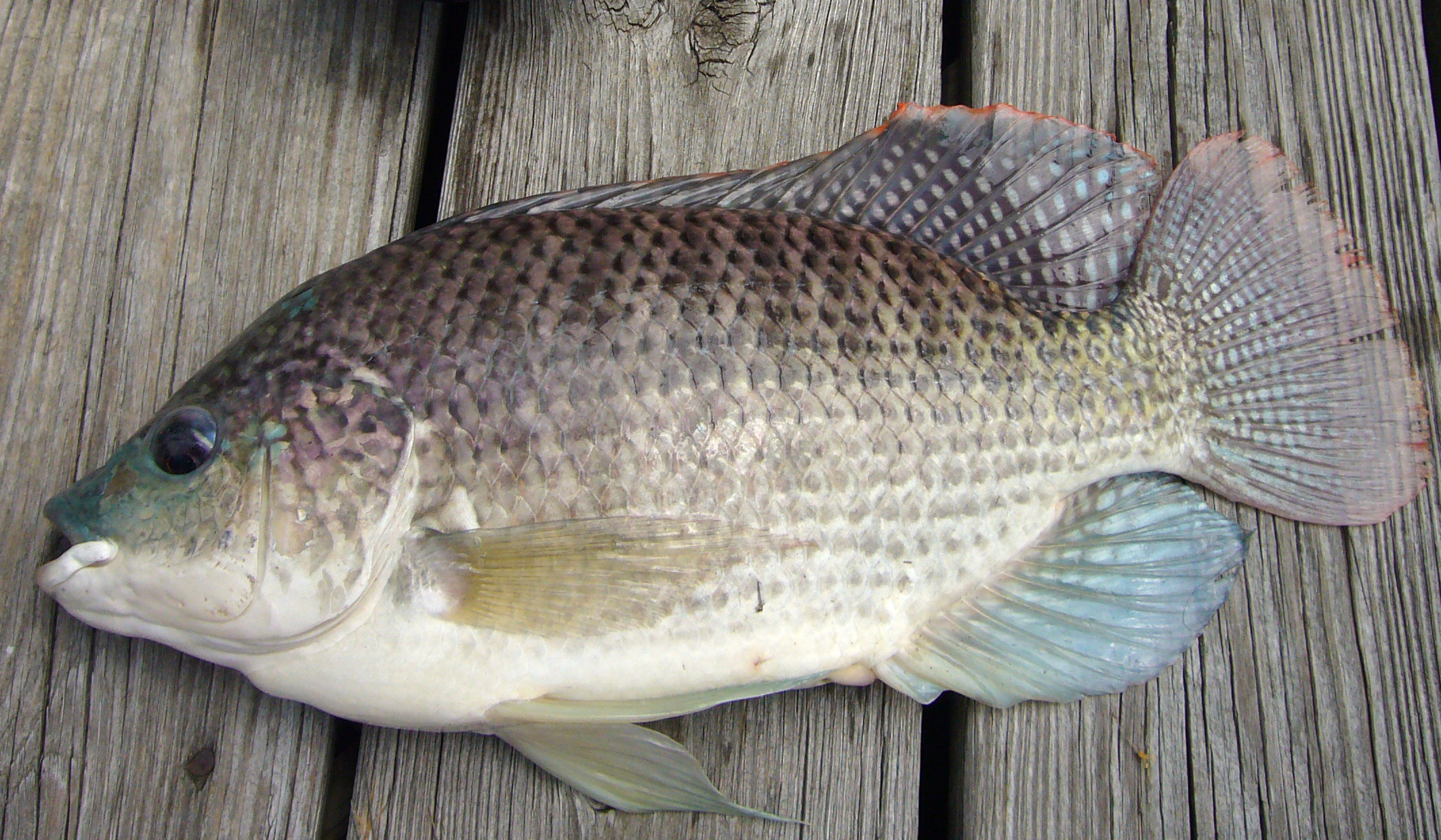

The blue tilapia (Oreochromis aureus) is one of the most widespread and successful invasive fish in the warm waters of the United States, a hardy, prolific African cichlid that has established booming populations across Florida, Texas, Arizona, California, and beyond. It's also one of the most frustrating fish to catch on hook and line: because blue tilapia are primarily plankton and algae grazers, they largely ignore conventional lures and baits, and many anglers who see hundreds of them can't buy a bite. But they can be caught, with the right tiny-bait tactics, by sight-fishing spawning beds, or with a bow, and they fight hard and eat beautifully. This guide covers how to catch blue tilapia, whether you want a fun challenge, a bowfishing target, or a fresh fillet.
What Is a Blue Tilapia?
The blue tilapia is a cichlid (family Cichlidae) native to North Africa and the Middle East, introduced worldwide (including across the warm-water U.S.) for aquaculture, aquatic-plant control, and forage. It's the most cold-tolerant of the tilapias, which is why it has spread so widely in the U.S. It has a deep, laterally compressed, robust body, a blue-gray to steel coloration (often with a pinkish or reddish edge to the dorsal and tail fins, especially on breeding fish), and the long spiny dorsal fin typical of cichlids. Blue tilapia commonly run 1 to 3 pounds, with fish reaching 5 pounds or more where conditions are good; they grow fast and reproduce prolifically.
For anglers, the defining and maddening trait is their diet: blue tilapia are filter-feeders and grazers that eat mostly phytoplankton, algae, and aquatic vegetation, filtering tiny food from the water and grazing on plant matter. This means they rarely chase lures or grab typical baits, which is exactly why they're so hard to catch on rod and reel despite being incredibly abundant. The keys to catching them are tiny baits that match their diet (bread, peas, algae-like offerings), sight-fishing aggressive fish on spawning beds, or non-hook methods like bowfishing. They're also hardy, tolerant of poor water, and, as an invasive species, subject to special regulations in many states, which often encourage or require their removal. Add in a strong, dogged fight and excellent table quality, and the blue tilapia is a worthwhile, if challenging, target.
Where and When to Catch Blue Tilapia
Blue tilapia are established across the warm waters of the southern and southwestern U.S. abundant in Florida, Texas, Arizona, California, Nevada, and other warm regions, in lakes, reservoirs, ponds, canals, rivers, power-plant cooling reservoirs, and spring-fed waters. Because they're tropical fish (though the most cold-tolerant tilapia), they need warm water and concentrate in the warmest available areas, especially in winter, warm-water discharges, springs, and canals hold them when other water gets cold. Look for them in shallow, warm, weedy or algae-rich water, around vegetation, over flats, and near warm-water sources. In spring and summer, they move shallow to spawn, becoming far more visible and catchable.
The best fishing is generally spring through fall, with the spawn (spring into summer, when water warms into the 70s-80s°F) being by far the most productive time, because spawning blue tilapia become aggressive and territorial, guarding nests (round, cleared craters in the shallows) and striking things that intrude, the one time they'll reliably hit a bait or lure. Warm summer months keep them active and shallow. In winter, they pack into warm-water refuges, where they can be caught (and are often netted or speared). Sight-fishing the shallows for bedding or cruising fish is the classic warm-season approach. Cold snaps can kill blue tilapia (they die below about 45-50°F), so they're most catchable in the warm months and in warm-water areas.
Tiny Hooks with Bread and Peas
The most effective way to catch blue tilapia on hook and line is to match their plant-and-plankton diet with tiny baits on small hooks.
How to Catch Tilapia on BaitThe go-to baits are small bits of bread (flake or a doughy ball), canned or thawed green peas, kernels of corn, and dough baits, foods that resemble the plant matter tilapia graze on. Some anglers even use tufts of green yarn or bits of algae-mimicking material. Fish these on a very small hook (size 8 to 12) with light line, often under a small float set shallow, or on a light bottom rig. Present the bait right where tilapia are feeding or bedding, keep everything small and subtle, and be patient, tilapia will often mouth and reject offerings. A tiny hook buried in a small dough or bread ball, or a single pea threaded on a small hook, fished around vegetation, flats, or spawning beds, is the classic tilapia rig. This finesse, match-the-diet approach is what turns a fish that "can't be caught" into a catchable target.
Sight-Fishing Spawning Beds
The single best opportunity to catch blue tilapia is during the spawn, by sight-fishing the beds, this is when normally uncatchable fish become aggressive and vulnerable.
Sight-Fishing Tilapia TacticsWhen blue tilapia spawn, males clear round, crater-like nests in the shallows (often in colonies, creating a "moonscape" of pits on the bottom) and aggressively guard them, driving off intruders. This is the one time they'll reliably strike, not out of hunger but out of territorial aggression. Cruise or wade the shallows looking for the beds and the fish on them, then cast a small bait, a tiny jig or soft plastic, or a fly right into or across the nest. A bedding tilapia will often attack or pick up the offering to move it off the nest. Polarized sunglasses are essential for spotting the beds and fish. Sight-fishing bedding blue tilapia is not only the most productive method, it's also the most exciting, visual, aggressive, and a genuine challenge to trigger a strike from a fish that otherwise ignores everything.
Fly Fishing for Blue Tilapia
Fly fishing is a surprisingly effective and increasingly popular way to target blue tilapia, especially sight-fishing the beds in urban ponds and canals.
Fly Fishing for TilapiaA light to medium fly rod (4- to 6-weight) works well. Because tilapia graze on plants and plankton, small, subtle flies fished slowly are best: small nymphs, tiny soft-hackle or algae-imitating flies, small worm patterns, and small woolly buggers or jig flies, often in green, brown, or drab colors. Sight-fish the beds and cruising fish, dropping the fly right in front of or on the nest and giving it small twitches to trigger a territorial or curious take. Because takes can be subtle, watch the fish and the fly line closely and set on any hint of a pickup. Blue tilapia pull hard on a fly rod, making for a genuinely fun fight. Fly fishing for tilapia in accessible urban waters has become a popular "urban fly" pursuit, a fun, challenging, and rewarding way to catch these tricky invasive cichlids.
Bowfishing and Cast Nets
Because blue tilapia are so hard to catch on hook and line but so abundant, many anglers pursue them with bowfishing, and where legal, cast nets, especially for removal and the table.
Bowfishing TilapiaBlue tilapia's habit of feeding and spawning in shallow water makes them a prime bowfishing target: bowfishers stalk the shallows, looking for fish over flats, around vegetation, and on spawning beds, and take them with a bowfishing arrow. Their abundance and invasive status make them a popular and often encouraged bowfishing species. In some states, cast nets are legal for taking tilapia (rules vary widely, so always check regulations), and because tilapia school in the shallows, a well-thrown cast net can take several at once. Both methods are efficient ways to harvest tilapia for eating and to help remove an invasive species. Because regulations on bowfishing and netting, and on which species may be taken by these methods, vary significantly by state and water, always confirm the rules where you fish. Many states with invasive tilapia actively encourage their removal by these methods.
Identifying Blue Tilapia (and the Invasive Angle)
Correctly identifying blue tilapia matters, both because several tilapia species can occur together and because their invasive status carries special regulations.
Tilapia as an Invasive SpeciesBlue tilapia are deep-bodied cichlids with a blue-gray to steel coloration, a pinkish or reddish margin on the dorsal and tail fins (especially breeding fish), and the long spiny dorsal typical of cichlids. They can be confused with other introduced tilapia (like Nile and Mozambique tilapia) and, superficially, with sunfish or crappie by newcomers, but the deep cichlid body, the single nostril on each side (cichlids have one, not two), and the coloration distinguish them. The key practical point for anglers is that blue tilapia are a non-native, invasive species in the U.S., and many states have specific regulations: some prohibit transporting them live, some require that caught tilapia be killed rather than released, and many encourage or have no limit on their harvest to help control them. Always know and follow your state's tilapia regulations. Removing invasive tilapia (by hook, bow, or net where legal) is generally good for native fisheries, and it puts excellent fillets on the table.
Understanding Blue Tilapia Behavior
Everything about catching blue tilapia flows from the fact that they're abundant, hardy, plant-and-plankton-grazing cichlids that rarely feed like predators. They filter phytoplankton and graze algae and vegetation, so they largely ignore lures and typical baits, which is why they're so hard to catch despite their numbers, and why the successful approaches all work around that diet: tiny plant-like baits, or triggering territorial strikes on the spawn, or non-hook methods like bow and net. They're most catchable when the spawn makes them aggressive and shallow, so timing your fishing to the warm-season spawn is the single biggest key.
Location is about warmth and food: blue tilapia need warm water and concentrate in the warmest, most algae- and plant-rich areas, shallow flats, vegetation, canals, springs, and warm-water discharges. They school and spawn in colonies, so where you find one you'll find many, often on visible beds. Approach the shallows quietly, use polarized glasses to spot fish and beds, and present small, subtle offerings right where the fish are. Blue tilapia are hardy and strong, giving a dogged fight out of proportion to their looks. Think of them as a finesse, sight-fishing, match-the-diet challenge rather than a lure-chasing gamefish, and you'll start catching these tricky, abundant invaders.
Conservation and Handling
Blue tilapia are an invasive, non-native species in the United States, so the "conservation" angle is unusual: rather than protecting them, anglers are generally encouraged to remove them. They compete with native fish, disturb habitat and spawning areas, and can dominate the waters they invade, so many states have liberal or unlimited harvest rules, prohibit their live transport, and in some cases require that caught tilapia be killed. The best thing anglers can do is help control blue tilapia by harvesting them (they're excellent eating) and never moving them to new waters.
That said, follow the rules exactly: tilapia regulations vary widely by state and water, and it's important to know what's legal where you fish, including whether you must kill your catch, what methods (bowfishing, netting) are allowed, and any restrictions. Handle tilapia carefully, watching the sharp dorsal spines. Because blue tilapia are cold-sensitive, large winter die-offs occur naturally in the northern edges of their range. If you catch tilapia, consider keeping them for the table and helping remove an invasive species, it's one of the rare cases where harvesting fish is the conservation-minded choice. Always confirm and follow local regulations.
Cleaning and Eating Blue Tilapia
Blue tilapia are excellent eating, in fact, tilapia is one of the most popular food fish in the world, farmed and consumed globally, and wild-caught blue tilapia are just as good. The flesh is white, mild, flaky, and boneless in the fillet, making it versatile and widely appealing.
Cleaning and Filleting TilapiaBlue tilapia are easy to clean: fillet them like a sunfish or bass, removing the skin, and you get clean, boneless white fillets. Because the flesh is so mild, tilapia takes well to almost any preparation, frying, baking, blackening, grilling, or in tacos and soups. The flavor is best from cooler, cleaner water; fish from warm, murky, or algae-heavy water can occasionally have an "off" or muddy taste, which soaking or careful preparation can reduce. As with all fish, ice your catch promptly for the best quality. Because tilapia are an invasive species that states encourage removing, keeping and eating your catch is both guilt-free and genuinely helpful to native fisheries. A cooler of blue tilapia fillets is a fine reward for figuring out how to catch these tricky, abundant fish. Always follow local regulations on harvest and transport.
Bringing It All Together
The blue tilapia is a paradox, one of the most abundant fish in many warm U.S. waters, yet one of the hardest to catch on hook and line. The secret is to stop fishing for them like a bass and start working around their plant-and-plankton diet: tiny baits like bread and peas on small hooks, sight-fishing the spawning beds where they turn aggressive and territorial, or fly fishing the shallows, plus bowfishing and cast-netting where legal for efficient removal. Time your efforts to the warm-season spawn, hunt the shallow, warm, weedy water where they live, and present small and subtle. Learn to identify them, follow the invasive-species regulations (often requiring or encouraging removal), and enjoy both a genuine catching challenge and some of the best-eating fillets in fresh water. The blue tilapia rewards the angler willing to adapt.
For more hard-fighting warmwater fish and invasive-species targets, see our guides to the tilapia, the common carp, and the oscar.
Want to find the best warm-water lakes and canals for blue tilapia and other invasive gamefish? Scout the map for shallow, algae-rich flats, canals, springs, and warm-water discharges with public access, then take on one of freshwater's trickiest challenges.