Fish
Fish Fire
Fire Hike
Hike Bird
Bird

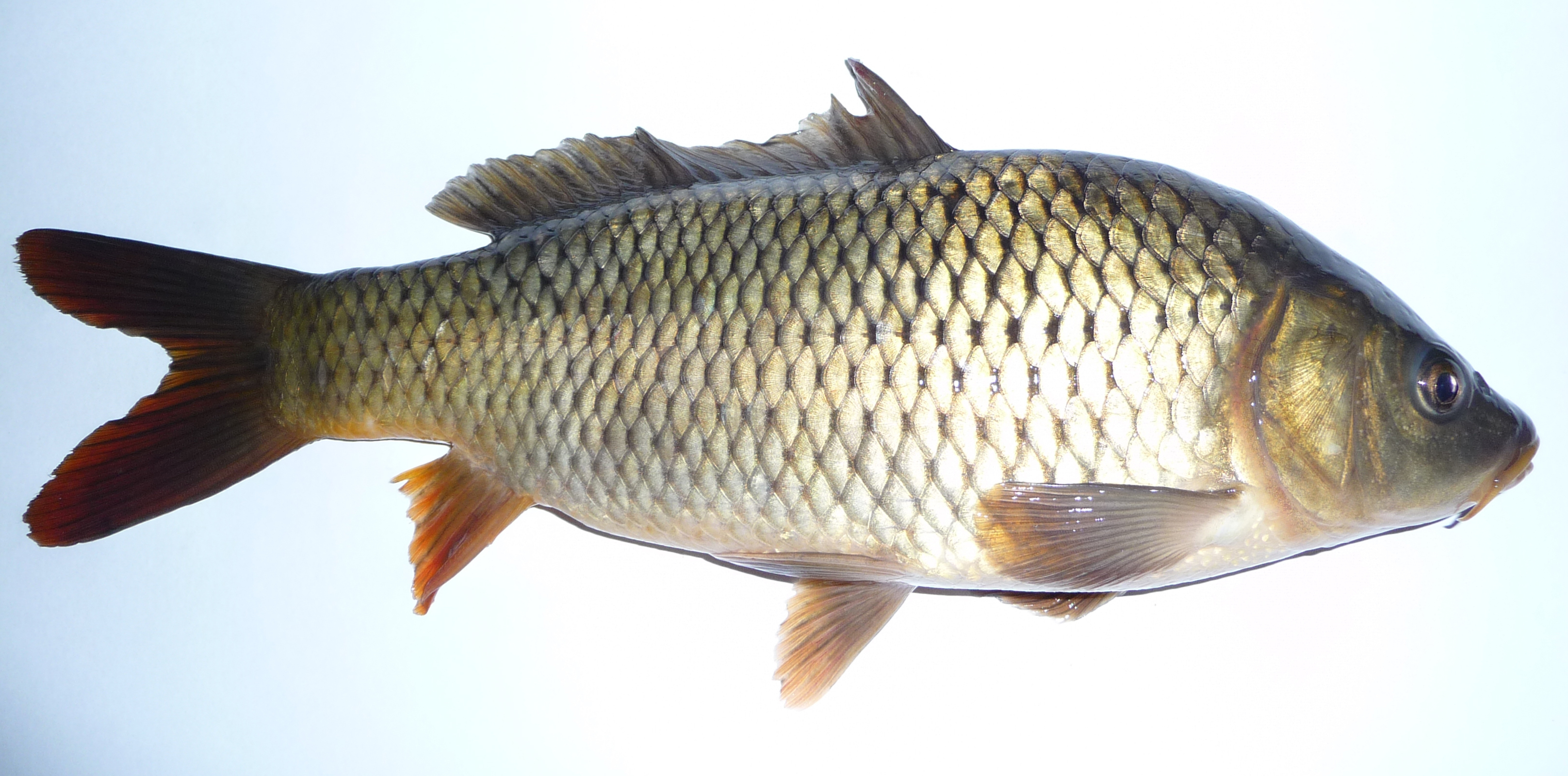

The common carp may be the most underrated big fish in North America, and the most respected almost everywhere else. Across Europe, carp are the number-one freshwater sport fish, the focus of an enormous, sophisticated specialist scene, precisely because they grow huge, fight like bulldozers, and are genuinely difficult to fool. That reputation is finally catching on in the U.S., where anglers are discovering that a hard-fighting 20-pound carp is available in the local pond, river, or reservoir, for the price of a can of corn. Carp reward a thinking angler: they're wary, they learn, and outsmarting them with the right rig and bait is deeply satisfying. This guide covers what makes carp tick, the clever rigs and baits developed to catch them, and every core technique, with step-by-step instruction, to land one.
Ready to tangle with a freshwater heavyweight? Carp are often caught on the same waters and bank-fishing setups as catfish, see our guide on how to catch channel catfish.
The Underrated Giant
The common carp (Cyprinus carpio) is a heavy-bodied member of the minnow family, with large scales, a deep golden-bronze body, a small downturned mouth, and two pairs of barbels at the corners of the mouth. It comes in a few forms prized by anglers: the fully-scaled common, the sparsely-scaled mirror carp, and the nearly scaleless leather carp. Native to Eurasia and introduced worldwide, carp now thrive in lakes, ponds, rivers, and canals across the globe.
Carp get big and pull hard. Most run 5 to 20 pounds, a fish over 20 is a strong carp, trophies exceed 30 pounds, and the giants (especially from Europe's famous waters) top 60 and even 80 pounds. Hooked, a carp uses its heavy body and powerful tail to make long, dogged runs that test your drag and your knots, pound for pound, few freshwater fish fight harder. Add that they're widely available and grow to sizes most freshwater species never reach, and the carp is a genuine trophy hiding in plain sight.
Smart, Strong, and Everywhere
Here's what makes carp such a compelling challenge: they're intelligent and cautious feeders. Carp root along the bottom for bloodworms, mussels, crustaceans, seeds, and vegetation, using those sensitive barbels and a keen sense of taste and smell. On pressured waters they quickly learn to associate hooks and lines with danger, testing and ejecting suspicious baits, which is exactly why the specialist carp scene developed such clever tackle.
The single biggest breakthrough was the hair rig (see below), which presents the bait off the hook so a carp can suck it in freely without feeling the hook until it's too late. Understanding the carp's caution, and beating it with a well-hidden, well-presented bait, is the essence of the game. It's also why finding and feeding the fish (prebaiting) matters so much: get carp confidently feeding on your bait in an area, and you tip the odds in your favor.
Where Carp Live
Carp are adaptable and widespread, but they relate to food, cover, and warmth. Look for them:
- In the margins and near-bank shallows, especially early and late, carp cruise and feed surprisingly close to the bank.
- Around cover and features, reed beds, lily pads, overhanging trees, snags, and gravel bars.
- On silt and gravel beds where they root for food, often betrayed by rising bubbles ("fizzing") and clouding water.
- Near the surface in warm weather, where they cruise, sunbathe, and can be caught on floating baits.
- In rivers and canals, in the slower water, near cover, and in the deeper holes.
Learn to read the signs, bubbling, rolling and jumping fish, clouded water, and moving reeds, to locate feeding carp, then present to them. Watercraft (finding the fish) is more than half of carp fishing.
Baits for Carp
Carp eat a huge range of baits, and bait choice is central to the game:
- Boilies, round, flavored, boiled paste baits, the staple of modern carp fishing, tough enough to resist small fish and available in countless flavors.
- Sweetcorn, cheap, effective, and a perfect starter bait; carp love it.
- Bread, flake, crust, or floating bread for surface fishing.
- Particles and pack bait, cooked tiger nuts, maize, hemp, and packed groundbait balls that create a feeding area.
- Naturals, worms and, where you can gather them, freshwater mussels.
Match the bait to the method and the water, and, crucially, use the same bait to prebait and get the carp feeding confidently.
The Techniques That Catch Common Carp
Carp are caught on clever bottom rigs, feeders, floats, and even the fly. Here are the core methods, how to fish each, and when to use it.
The Hair Rig, the great carp breakthrough
The hair rig revolutionized carp fishing by presenting the bait on a short "hair" beside the hook rather than on it, so a cautious carp sucks in the bait, and the hook, without feeling anything until it tries to eject it and the hook takes hold.
How to fish it: Tie a hair rig, a hook (size 4–8) with a short length of line (the "hair") off the bend, ending in a small loop and a bait stop. Thread a boilie or a few grains of corn onto the hair using a baiting needle, so the bait sits just below the hook. Fish it on a bolt/lead setup (a heavy inline or running lead) so a taking carp bolts against the weight and hooks itself. Cast to your feeding spot, tighten to the lead, set your bite indicator or alarm, and wait, when a carp takes it, the run is unmistakable.
How to Attach a Boilie to a Hair RigThe Method Feeder, a ball of bait around your hook
The method feeder surrounds your hook bait with a compact ball of groundbait, so a carp feeding on the cloud of bait finds your hook bait right in the middle, a hugely effective, beginner-friendly modern tactic.
How to fish it: Load a method feeder with damp groundbait or pellets, press a short hook link and hook bait (a corn grain, a small boilie, or a fake bait) into or onto the ball, and cast it to your spot. As the ball breaks down, it creates a pile of feed with your hook bait in the middle, and a feeding carp sucks it up and bolts against the feeder's weight. It's one of the easiest and most productive ways to catch carp, and deadly on hard-fished waters.
How to Fish the Method FeederSimple Bottom Rigs, corn and bread on a budget
You don't need specialist gear to catch carp. A simple bottom rig with corn or bread on a plain hook catches plenty, and it's how many anglers get started.
How to fish it: On a simple running-sinker or split-shot bottom rig, thread a few grains of sweetcorn or a piece of bread flake directly onto a size 6–10 hook, and cast it to a likely spot, the margins, near cover, or a clear spot you've baited with a handful of corn. Fish a fairly tight line to an indicator and be ready for a strong run. It's cheap, simple, and effective, proving you can catch big carp without a bank full of specialist tackle.
How to Catch Carp with CornFloat and Surface Fishing, visual and exciting
Watching a carp suck down a floating bait or drag your float under is some of the most exciting fishing there is, especially in warm weather when carp cruise the surface.
How to fish it: For surface fishing, free-line or float-fish a piece of floating bread crust, a floating boilie, or a dog-biscuit-style bait to carp you can see cruising or basking near the top, and hold on, the take is a heart-stopping slurp. For float fishing on the bottom or in the margins, present corn or bread under a float set to the right depth, watching for the float to slide away. Both are visual, active, and thrilling ways to catch carp.
Surface Fishing for Carp Made EasyFly Fishing for Carp, the freshwater bonefish
Carp have earned the nickname "the freshwater bonefish" for the fly-rod game of sight-fishing to feeding or cruising fish in shallow water, a challenging, addictive pursuit.
How to fish it: With a 6- to 8-weight fly rod, stalk the shallows and margins looking for feeding carp (tailing, mudding, or cruising), and present a carp fly (a nymph, a small crayfish or worm imitation, or a "carp bug") ahead of a feeding fish, letting it settle and gently moving it into the fish's path. Watch for the subtle take, a flare of the gills or a twitch of the leader, and set. It demands stealth, an accurate cast, and reading the fish, which is exactly why fly anglers have fallen in love with carp.
How to Fly Fish for CarpPrebaiting and Finding Fish, the biggest edge
More than any rig, finding the carp and getting them feeding is the key to consistent success, and prebaiting is the specialist's biggest edge.
How to fish it: Scout your water for signs of carp (bubbling, rolling, cruising fish, clouded water), and prebait a chosen spot over hours or days by regularly introducing small amounts of your hook bait (corn, boilies, or particles). This gets carp confidently feeding in one area and associating your bait with safe food, so when you fish there, the odds swing hugely in your favor. Combine good watercraft (locating fish) with prebaiting, and you'll catch far more carp than rig tinkering alone will ever produce.
How to Prebait Effectively for CarpPack Bait and Particles, build a feeding zone
Pack bait, a moldable ball of groundbait pressed around your weight or hook, and loose particles create a concentrated feeding zone that draws carp in and holds them, a favorite of American carp anglers on rivers and reservoirs.
How to fish it: Mix a pack bait (recipes abound, panko or cornmeal-based groundbait bound with water or creamed corn, often flavored) and mold a firm ball around a bank sinker and a short hook link, with your hook bait (corn or a dough ball) tucked into or beside the ball. Cast it out and let it break down on the bottom into a pile of feed with your hook right in it. Loose particles like corn, hemp, and maize scattered on the spot do the same job. As carp move in and root through the feed, they suck up your hook bait, a cheap, deadly, distinctly American way to catch numbers of carp.
Pack Bait Recipes for Carp FishingWhen to Go
Carp are warm-water fish, and late spring through fall is prime. As the water warms into the 60s and 70s, carp feed aggressively, the pre-spawn period in late spring and early summer is a superb time for big fish, and warm summer days bring surface-fishing opportunities. Early morning and evening are excellent daily windows, and carp often feed well through warm nights. Carp can be caught in cooler water too, but they get sluggish and finicky in the cold, so winter is the toughest time. Warm, stable weather, especially with a bit of wind pushing food and warmth into a bank, is a carp angler's friend.
Gear for Carp
Carp gear ranges from a simple setup to a full specialist kit:
- Simple approach: A 7-foot medium-heavy rod with a baitcasting or spinning reel and 12–20 lb line will land plenty of carp on corn and bread.
- Specialist carp setup: 12-foot carp rods (2.75–3.5 lb test curve) with bait-runner/free-spool reels, rod pods, and electronic bite alarms for hair-rig and method fishing.
- Fly setup: A 6- to 8-weight fly rod for sight-fishing.
- Line and terminal tackle: 12- to 20-lb monofilament or braid, plus hair rigs, method feeders, bolt-rig leads, hooks (size 4–10), baiting needles, and PVA bags.
- Handling gear (important): A large landing net and an unhooking mat to protect big fish.
Handle These Big Fish with Care
Carp grow large and old, and they deserve careful handling, the specialist scene lives by a strong catch-and-release ethic. Always use a large landing net and lay the fish on a wet unhooking mat (never on hard ground), support and handle it with wet hands, keep it out of the water only briefly, and lower it gently back to let it swim off strong. Big carp are a renewable resource that can be caught again and again as they grow, so treat them as the trophies they are. (Note that carp are non-native in North America, so follow local regulations regarding their handling and any transport.)
Go Find Your Carp
Carp fishing has real depth, rigs, baits, watercraft, and prebaiting, and the more you learn to read a water and get fish feeding confidently on your bait, the faster you'll land a personal best. Start simple with corn on a plain bottom rig, add a hair rig or method feeder as your confidence grows, and lean hard on locating fish and prebaiting rather than endless rig tinkering. Scout your local ponds, rivers, and reservoirs for the telltale signs of feeding carp, and you'll find a hard-fighting trophy that has kept anglers hooked for generations hiding in plain sight.