Fish
Fish Fire
Fire Hike
Hike Bird
Bird

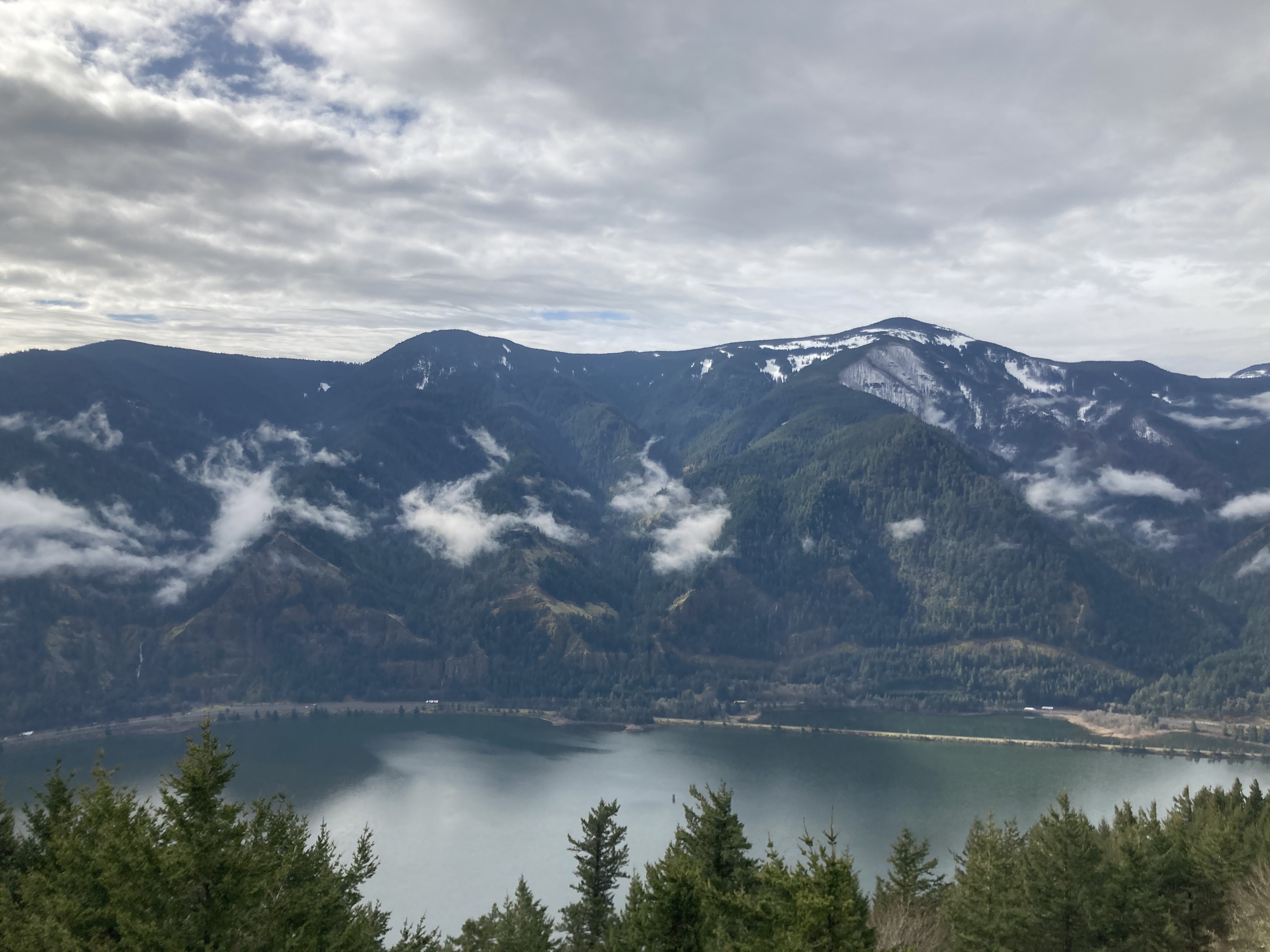
Where the Columbia River carves through the Cascade Range, it creates the Columbia River Gorge, a dramatic, wind-swept canyon on the Oregon–Washington border that is also one of the great inland fisheries of the Pacific Northwest. This is the tailwater Columbia: a staircase of massive dams, Bonneville, The Dalles, and John Day, that turn the wild river into a chain of deep, current-swept pools, and it is in these tailwaters and reservoirs that the Gorge's remarkable fishing happens. Below the dams and through the pools swim prehistoric white sturgeon, the legendary Columbia runs of Chinook and coho salmon and steelhead, a spring flood of shad, and some of the finest walleye and smallmouth bass fishing in the country. This guide covers the Gorge tailwaters from Bonneville up to John Day, what swims there, where, and how to catch it.
The Tailwater Gorge: A Staircase of Pools
To fish the Columbia Gorge, you have to understand the dams. Each one, Bonneville at the gorge's western gateway, then The Dalles, then John Day upstream, backs the river into a long, deep reservoir, or "pool," and concentrates fish and current in its tailrace, the churning water immediately below the dam where salmon, steelhead, sturgeon, and shad all stack up. The pools between the dams are big, structured, current-fed reservoirs that grow walleye, smallmouth, and sturgeon; the tailraces are the migration bottlenecks where the anadromous fish gather. This dam-made structure, combined with the natural gorge current and the fish highway of the Columbia, is exactly what makes the tailwaters so productive. Learn where the current, the structure, and the fish ladders are, and the vast river comes into focus. A helpful way to think about it: the tailraces are where you go for the migrating anadromous fish, salmon, steelhead, shad, and staging sturgeon, while the open pools between the dams are where you go for the resident walleye, smallmouth, and the deep-hole sturgeon. Match your spot to your species and you're already ahead of the game.
Giant White Sturgeon: Living Dinosaurs of the Gorge
The Gorge's most awe-inspiring fish is the white sturgeon, an armored, prehistoric giant that can exceed ten feet and live for a century, cruising the deep holes of the tailwaters and pools. The water below Bonneville Dam and the John Day pool in particular are famous for jumbo, "oversize" sturgeon, and hooking one is like tying into a submarine: a slow, immense, unforgettable battle. The fishery is tightly regulated and largely catch-and-release, with any retention strictly quota-managed and often closed, so this is a fish to fight, admire, photograph, and release. Anglers anchor and soak bait on the bottom in the deep holes for them. Landing a ten-foot Columbia sturgeon is one of the most extraordinary experiences in all of freshwater fishing.
Salmon: The Great Columbia Runs
The Columbia is the salmon river of the West, and its runs surge right through the Gorge on their way upstream. Chinook (king) salmon move through in distinct spring, summer, and fall runs, adults average around 22 pounds, and 40- to 50-pounders are seen every year in the Bonneville fish ladders, staging in the tailraces and pools where anglers anchor, back-troll, and cast for them. Coho (silver) salmon and even sockeye pass through in their seasons as well. The tailrace below Bonneville, the Oregon shore at the mouth of Tanner Creek, and the Washington shore at Hamilton Island are classic salmon spots. Fishing the Gorge during a salmon run, with fish rolling in the current below a towering dam, connects you to one of the greatest migrations on the continent.
Rigging Up to Catch Salmon on the ColumbiaSummer Steelhead: The Gorge Run
Alongside the salmon run the steelhead, sea-run rainbow trout that pass through the Gorge on their long migration to the upper Columbia and Snake basins. Summer-run steelhead move up through the tailwaters through the warmer months and into fall, and they're a prized target as they stage below the dams and hold along the banks and in the tributary mouths. Anglers drift-fish, swing flies, and cast for them, and the Gorge's steelhead fishing draws a devoted following. Landing a chrome, hard-fighting Columbia steelhead, a fish that may have traveled hundreds of miles upriver, is one of the signature catches of the Pacific Northwest, and the tailwaters are among the best places to intercept them. Because the Columbia's steelhead are bound for so many different upstream rivers, the Gorge sees fish moving through over a long stretch of the year, and cooler water temperatures often concentrate them near the mouths of the cold tributaries that spill into the big river, a key spot to know when the main-stem run is spread thin.
The Spring Shad Spectacle
Each spring, the Columbia hosts one of the most staggering fish migrations in North America: the American shad run. From May into August, with the run peaking around mid-June, millions upon millions of shad pour up the river and pile up below Bonneville Dam, where they can be seen streaming through the fish ladders. For anglers, it's nonstop light-tackle fun, small darts and shad jigs fished in the current produce fish after hard-pulling fish, and the shad run is a beloved early-summer tradition for families and light-tackle anglers. Few freshwater fisheries anywhere offer such incredible numbers, and the below-Bonneville shad spectacle is one of the Gorge's great, and most accessible, angling events.
Walleye: World-Record Water
The Columbia Gorge is, improbably to some, one of the best walleye fisheries on earth. The Dalles and John Day pools in particular are nationally significant, world-record-class walleye water, producing giant, trophy fish that draw anglers from across the country chasing a personal best. The big, fertile, current-fed reservoirs and their structure grow walleye to enormous sizes, and anglers troll crawler harnesses and crankbaits and jig blade baits along the ledges, points, and current seams. For a walleye angler, the Gorge is a bucket-list destination, few places offer a more realistic shot at the walleye of a lifetime, and the fishery runs strong through much of the year in the deep, cool water.
How to Troll a Crawler Harness for WalleyeSmallmouth Bass: The Gorge Rock
The same pools that grow giant walleye are loaded with smallmouth bass, and the Columbia Gorge offers superb, and often underappreciated, smallmouth fishing. The rocky shorelines, rip-rap, ledges, points, and current breaks of the reservoirs hold abundant, hard-fighting bronzebacks, and an angler can catch big numbers on tubes, drop-shots, grubs, and crankbaits over the rock through the warm months. The Gorge's smallmouth are a fantastic light-tackle option, plentiful, aggressive, and available all along the tailwaters, and they make a perfect complement to a walleye trip or a great fishery in their own right when the salmon and steelhead runs are between pushes. On a warm summer day, a small boat working the rip-rap and rocky points can turn up dozens of smallmouth, making the Gorge one of the more overlooked bronzeback destinations in the West, big fish, big numbers, and very little pressure compared with its famous salmon and sturgeon.
Fishing Below the Dams: Tailraces and Bank Access
The Gorge is one of the more accessible big-river fisheries in the West, thanks to its dams and highways. Boat anglers anchor in the tailraces below the dams for salmon, steelhead, and oversize sturgeon, and work the pools for walleye and smallmouth. Bank anglers have outstanding options too: the shorelines below Bonneville, the Oregon side at Tanner Creek, the Washington side at Hamilton Island, are premier bank spots for salmon, steelhead, and the June shad run, and rocky bank access throughout the Gorge produces smallmouth and the occasional sturgeon. Because the interstate and state highways run right along both shores, and public access points are numerous, the Gorge rewards anglers with or without a boat.
Reading the Big River: Current, Wind, and the Gorge
The Columbia is enormous and powerful, and two forces dominate: current and wind. The dams control the flow, and the fish relate constantly to current, stacking in tailraces, holding on current seams and structure, and moving with the push. A good graph to find the deep holes, ledges, and structure is invaluable on water this big. And the Gorge is one of the windiest places in the country, the same funnel that makes it a world capital for windsurfing and kiteboarding can build dangerous whitecaps on the river with astonishing speed, especially on a summer afternoon. Watch the wind forecast closely, fish the mornings when it's calm, respect the powerful current near the dams, and treat the big river with the seriousness it deserves.
The Ports and Access
The Gorge is lined with fishing towns on both sides of the river. On the Oregon shore, Cascade Locks near Bonneville, Hood River, and The Dalles are major hubs with ramps, guides, and access. On the Washington side, Stevenson, Bingen, and the towns along State Route 14 open onto the same water. Upstream, the towns around the John Day pool anchor the trophy walleye and sturgeon fishing. The premier bank access below Bonneville Dam, Tanner Creek and Hamilton Island, is famous, and public ramps and shorelines are scattered throughout. Given the river's scale and the wind, planning your launch or bank spot around your target species, the dam pool, and the day's forecast is essential.
When to Go
- Spring (March–June): Spring Chinook push through the tailraces, and the massive shad run builds toward its mid-June peak below Bonneville; walleye fishing is strong.
- Summer (June–September): Summer steelhead and summer/fall Chinook move up, the shad run continues, and smallmouth and walleye fishing peaks in the warm pools.
- Fall (September–November): Fall Chinook and coho run, steelhead fishing stays strong, and walleye feed heavily in the cooling water.
- Winter: Sturgeon in the deep holes and dogged walleye fishing for anglers who brave the cold, wind, and short days.
Licenses (Oregon and Washington)
The Columbia forms the Oregon–Washington border through the Gorge, and licensing is governed by a joint arrangement: an Oregon or Washington fishing license is generally honored on the main-stem Columbia between the states under their concurrent-waters agreement, but the rules are specific, so confirm which license and endorsements (like a Columbia River Basin endorsement, and salmon/steelhead or sturgeon tags) you need for your trip. Salmon, steelhead, sturgeon, walleye, shad, and bass all carry seasons, size and bag limits, and area rules that differ and change frequently, sturgeon retention in particular is strictly quota-managed and often closed, and salmon seasons are set in-season, so always check the current Oregon and Washington regulations for your exact stretch and dates before you fish.
A Beginner's First Trip
The Gorge offers wonderful entry points. For sheer fun and near-guaranteed action, time a June trip to the below-Bonneville shad run and fish darts from the bank, it's simple, cheap, and wildly productive. For a trophy, book a guided sturgeon or walleye trip: the guide handles the big water, the anchoring, and the regulations while you fight the fish of a lifetime. Salmon and steelhead are best learned with a guide too, given the tailrace crowds and the technical anchor fishing. Smallmouth from a bank or small boat are approachable for anyone. However you start, respect the wind and the current, fish the calm mornings, wear a life jacket, and let the mighty Columbia show you why the Gorge is a Northwest treasure.
Tackle and Gear
Matching the Gorge's variety means a range of tackle. Sturgeon demand heavy rods and stout bottom rigs to soak bait in the deep holes. Salmon and steelhead call for anchor-fishing and back-trolling setups with divers, plugs, and bait, plus drift and float gear from the bank. The spring shad run needs only a light spinning rod and a handful of shad darts. Walleye anglers want a jigging and trolling setup with crawler harnesses, crankbaits, and blade baits, and smallmouth take a medium spinning rod with tubes, drop-shots, and grubs. A good graph is essential on this vast river, and, given the Gorge's notorious wind, a life jacket and a close eye on the forecast are simply part of the kit.
From the ten-foot sturgeon of the deep holes to the great salmon and steelhead runs, the staggering shad migration, and the world-record walleye of the pools, the Columbia River Gorge tailwaters are one of the most varied and productive fisheries in the West, a chain of dam-built pools and churning tailraces set in one of the most spectacular canyons in the country. Anchor for a prehistoric sturgeon below Bonneville, jig the ledges for a trophy walleye, or fill a spring afternoon with shad, check the current Oregon and Washington rules for your stretch, respect the wind and the powerful river, and fish the mighty tailwaters of one of the Northwest's most spectacular canyons. For the river beyond the canyon, see our how to fish the Columbia River guide.