Fish
Fish Fire
Fire Hike
Hike Bird
Bird

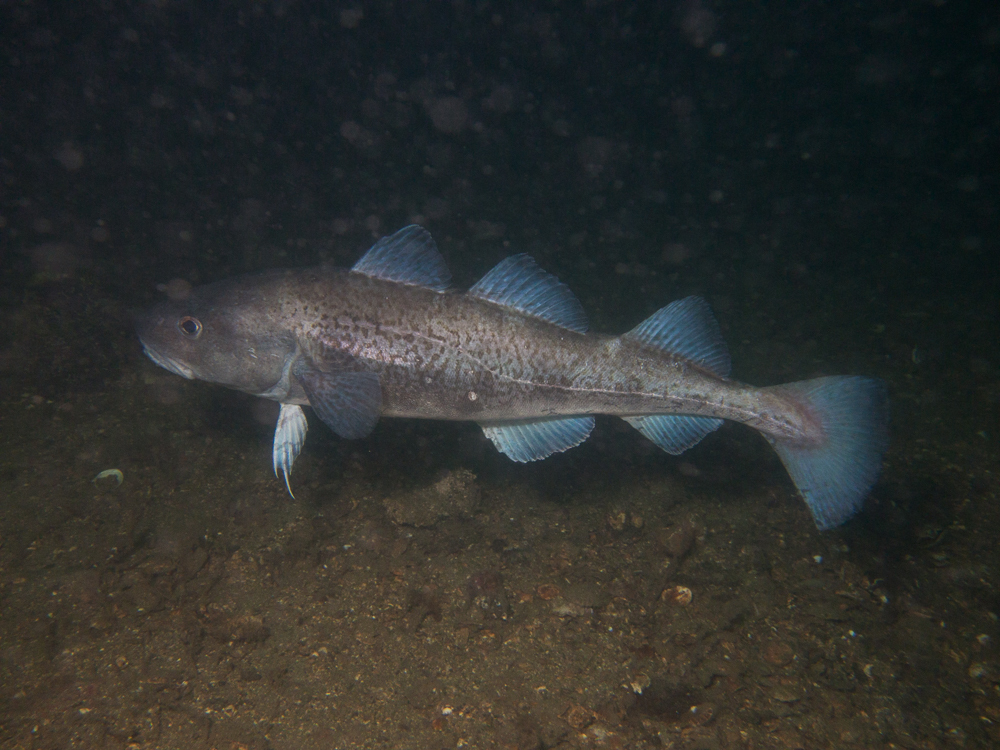

Pacific cod are one of the North Pacific's most abundant, dependable, and delicious bottomfish. Known as grey cod, true cod, or simply "P-cod," Gadus macrocephalus is the West Coast cousin of the famous Atlantic cod, a big-headed, soft-mouthed, bottom-hugging fish that gathers in huge numbers over the right ground and pulls hard on the way up. For anglers from Washington through British Columbia and up into Alaska, Pacific cod offer fast action, easy techniques, and a cooler full of flaky white fillets that are the backbone of fish and chips the world over. Learn where they hold and how to work the bottom, and Pacific cod become one of the most rewarding and reliable species you can chase.
This guide covers everything: how to identify a Pacific cod, where and when to find them, the jigging and bait techniques that fill the box, the tackle and rigs that work in deep water, and how to land and clean your catch.
What is a Pacific cod?
The Pacific cod (Gadus macrocephalus) is a true cod, a member of the Gadidae family alongside Atlantic cod, haddock, and pollock. It has an elongated, slightly compressed body, a large head, three dorsal fins and two anal fins, and, the family giveaway, a single long chin barbel used to feel for food on the bottom. Coloration is mottled brown to grey on the back, fading to a pale, whitish belly, with faint spotting. Most rod-caught Pacific cod run 5 to 15 pounds, though they can exceed 30 pounds in the best grounds.
Pacific cod are schooling, bottom-oriented fish. They roam over sand, gravel, and mud bottoms and around structure at depths from about 60 feet down to several hundred, following food and moving seasonally between shallower and deeper water. They're not fussy eaters, they use that barbel and a big, soft mouth to vacuum up shrimp, crabs, worms, clams, squid, and small fish off the bottom, which is exactly why they're so easy to catch on bait and jigs.
That combination of abundance, aggression, and lack of fussiness makes Pacific cod one of the most beginner-friendly big-water fish you can target. You don't need finesse or perfect presentation, you need to get a jig or bait to the bottom where the fish are, and the cod usually do the rest. This is a big part of why P-cod are a favorite of charter operations and families: on a good day, everyone catches fish, the action is steady, and the reward is a cooler full of premium whitefish. The main challenge isn't getting bites, it's finding the schools and dealing with the depth, both of which this guide will help you with.
What Is a Pacific Cod (True Cod)?Don't confuse the true Pacific cod with lingcod (a greenling, not a cod) or with sablefish ("black cod," which is a different family entirely). The chin barbel and soft, elongated body identify the true cod.
Where and when to find Pacific cod
Pacific cod range across the North Pacific from Southern California (rare in the south) north through Oregon, Washington, British Columbia, and throughout Alaska, where they are extremely abundant. They relate to the bottom over expansive flats and around structure. Focus on:
- Sand, gravel, and mud flats, Pacific cod school over open bottom, often in large aggregations. Vast stretches of featureless-looking bottom can hold huge numbers of fish.
- Structure edges, humps, and drop-offs, Reefs, pinnacles, and depth changes that concentrate bait draw and hold cod.
- Depth by season, Cod move shallower to feed and spawn in the colder months and generally deeper in summer; local knowledge of the seasonal depth is key.
In Alaska, Pacific cod are a staple of the summer bottomfishing season and are often caught alongside halibut and rockfish. Cod feed actively in daylight, and while they bite throughout the day, moving water and low-light periods can improve the action. They can be caught year-round where accessible, but always check local seasons and limits, which vary by region.
Finding the fish is the whole game. Because Pacific cod school over broad, often featureless bottom, a good sounder is your most important tool, watch for cod showing as marks or a "carpet" of fish near the bottom, and drop right on them. When you catch one, note the exact depth and bottom type, because there are almost certainly more; cod rarely travel alone. If you drop and get no bites in a few minutes over likely bottom, move and try again rather than waiting them out, covering ground until you contact a school is far more productive than sitting on empty bottom. On a charter, the captain's knowledge of which flats and depths are holding fish that week is worth its weight in gold, since the schools shift with season and food.
A useful pattern: cod often stack up on the edges where one bottom type meets another, a gravel patch on a sand flat, the base of a hump, or a subtle depth break. These transition zones concentrate the shrimp, crabs, and baitfish cod feed on, so they concentrate cod too. Working the edges of structure rather than the dead center of open flats frequently puts you on the densest schools.
Jigging for Lunker Pacific CodTechnique 1: Jigging
Jigging is the most fun and effective way to catch Pacific cod. Because they hold on or near the bottom in numbers, a metal jig dropped to the bottom and worked with a lift-and-drop cadence draws aggressive strikes.
Drop a heavy metal jig, enough weight to reach and hold the bottom in the depth and current you're fishing, all the way down, then reel up a couple of turns and work it with a rhythmic lift of the rod followed by a controlled drop. Cod often hit on the fall, felt as a sudden slack or weight, so stay in contact and set when you feel the take. Once you find a school, the action can be nonstop, with fish stacking up and competing for the jig. Many anglers add an assist hook or a hootchie (squid skirt) to the jig, or tip it with bait, to increase strikes.
The single most important detail in cod jigging is staying near the bottom. Pacific cod feed down low, so a jig worked in the bottom few feet of the water column gets bit while one fished too high goes ignored. In deep water and current, that means using enough weight to keep your line vertical and dropping back down every few lifts to re-find the bottom, especially as the boat drifts. Colorful jigs, chrome, white, glow, and pink patterns are all proven, help fish find the lure in low light or off-color water. If the bite slows, try changing your cadence: sometimes a slow, gentle lift-and-flutter out-produces an aggressive rip, and other times a fast, erratic jig fires up a competitive school. Let the fish tell you what they want that day.
Jig Gear for Pacific CodTechnique 2: Bait rigs
When cod are less aggressive, or when you simply want to soak bait, a baited bottom rig is deadly. Pacific cod key on scent with that chin barbel, so a chunk of herring, squid, or other cut bait on the bottom is hard for them to resist.
The classic setup is a bottom rig, a sinker heavy enough to hold bottom with one or two baited hooks on droppers or a spreader above it. Bait with cut herring, squid, clam, or shrimp, drop to the bottom, and hold or gently work the rig. Cod will often hook themselves against the weight, but a firm set ensures a solid hookup in their soft mouth. Bait rigs are especially effective from party boats, private boats, and any situation where you're sitting over a school and letting scent do the work.
A great hybrid approach that many North Pacific anglers swear by is to tip a jig with bait, combining the flash and action of a metal jig with the scent trail of cut herring or squid. This gets the aggressive reaction strikes of a jig plus the drawing power of scent, and it's often the single most productive presentation on a slow day. Whether you fish straight bait or a tipped jig, keep your baits fresh; a washed-out, scent-depleted bait draws far fewer bites than a fresh, oily piece, so refresh often. Herring is a top choice precisely because it's oily and puts out a strong scent trail that pulls cod to your hook from across the bottom.
Because Pacific cod have soft, papery mouths, one common mistake is setting the hook too hard or trying to winch a fish up too fast, which can tear the hook free. A firm but smooth hook-set and steady pressure on the retrieve land far more fish. Circle hooks help here too, hooking cod cleanly in the corner of the jaw with a simple steady pull rather than a hard swing.
Catch and Cook: Pacific Cod in AlaskaTackle and rigs
Pacific cod live deep and pull hard, so gear up for bottom fishing:
- Rod: A medium-heavy to heavy conventional bottomfishing rod with enough backbone to work heavy jigs and haul fish up from depth.
- Reel: A conventional reel, manual or electric, with good line capacity for fishing 100 to 300-plus feet.
- Line: Braided main line for its thin diameter, low stretch, and depth control, finished with a heavier leader.
- Jigs: Heavy metal jigs (often 8–16 oz depending on depth and current), with assist hooks and optional squid skirts.
- Bait rigs: Bottom/spreader rigs with strong hooks and a bank sinker heavy enough to hold the bottom.
Because cod have soft mouths, avoid horsing them too hard, steady pressure on the way up keeps the hook from tearing free. Match your weight to the conditions: you want to feel the bottom and stay vertical, not drift far off your line.
A practical note on depth and drift: when you're fishing deep in current or wind, your line angles away from vertical as the boat moves, and a jig that's dragging off at 45 degrees is no longer in the strike zone. Use enough weight to keep your presentation as vertical as possible, drop back to the bottom regularly, and consider a heavier jig or sinker than you think you need in strong drift. Staying in contact with the bottom is the difference between a slow pick and a fast, steady bite, so don't be shy about upsizing your weight to hold the zone.
Landing, handling, and eating
The Pacific cod fight is a strong, steady pull rather than blistering runs, a satisfying haul up from deep water, especially on a good-sized fish. Because they hold in schools, doubles and fast limits are common once you're on them. Use a gaff or net for bigger fish, and be mindful of their soft mouth on the lift.
For the table, Pacific cod are outstanding, mild, flaky, snow-white fillets that are the classic fish-and-chips fish and are superb baked, fried, or in chowder. Bleed and ice your catch immediately; cod flesh is delicate and best when handled cold and cooked fresh.
Care of the catch matters more with cod than with firmer fish, because that delicate, flaky flesh degrades quickly if it warms up. Get your fish onto ice right away, keep them cold all the way home, and fillet them promptly. Pacific cod fillets freeze well too, so a good day's catch can feed you for months, vacuum-seal portions and they'll keep their quality far longer than fish stored in plain bags. Don't overlook the cheeks and collars, which are prized cuts on a big cod. Because Pacific cod are so mild, they're a blank canvas for the kitchen: beer-batter and fry them, bake with lemon and butter, poach for tacos, or simmer into a rich chowder.
As always, check the regulations before you fish. Bag limits, size limits, and seasons for Pacific cod vary by state and region and can change year to year, so confirm the current rules for wherever you're fishing. Pacific cod are generally abundant and considered a sustainable fishery, but responsible harvest, keeping what you'll use and releasing the rest carefully, keeps it that way.
How to Fillet a Pacific (True) CodPreparing Pacific cod is simple, and the mild fillets take to almost any recipe; the video below covers cooking them.
How to Cook Pacific CodWhere to catch them
Alaska is the heart of Pacific cod fishing, with world-class action throughout the Gulf of Alaska, Southeast, and the Aleutians, often on the same trips as halibut and rockfish. British Columbia and Washington also offer good fishing over the right bottom. Because cod relate to specific bottom and move seasonally, local knowledge of the productive flats and depths, your own logged waypoints, or the experience of a captain who fishes the area regularly, is what gets you into fast action while keeping you legal on the current seasons and limits. Focus your search on the sand, gravel, and mud flats and the structure edges the schools favor, watch your sounder for fish stacked near the bottom, and you'll fill the box with Pacific cod and the rest of the North Pacific bottomfish lineup.
If you're fishing the North Pacific bottom, keep building your skills with our guides on how to catch lingcod, how to catch pacific halibut, and how to catch rockfish.