Fish
Fish Fire
Fire Hike
Hike Bird
Bird

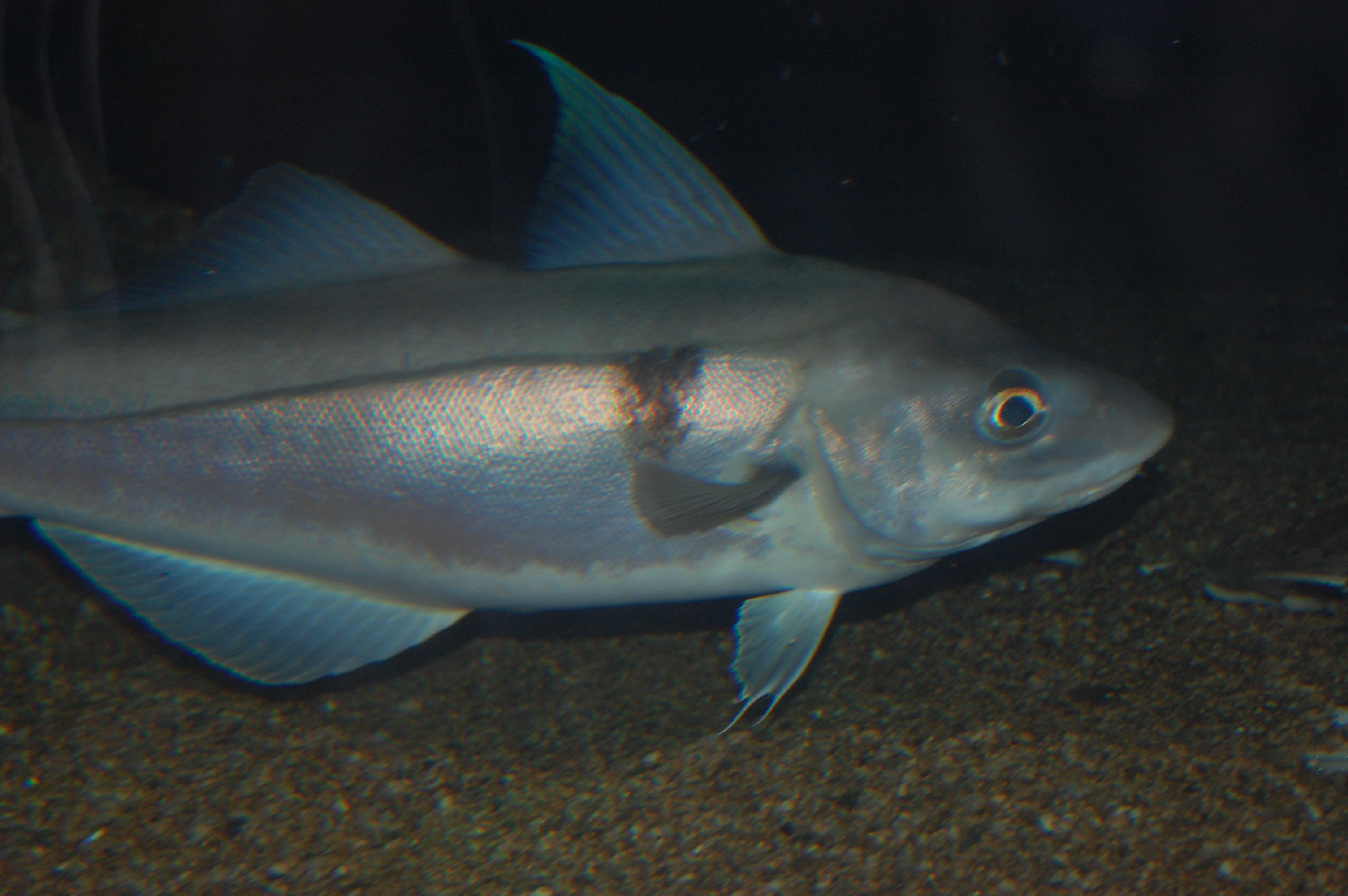

Ask a New England party-boat regular what fills the cooler and the freezer, and the answer is haddock. This handsome member of the cod family is the workhorse of the offshore groundfishing scene, abundant on the banks, willing to bite, respectably strong on the line, and, above all, one of the finest eating fish in the ocean. While its cousin the cod carries the fame and the history, the haddock quietly does the heavy lifting on modern bottom-fishing trips, and for good reason: the fishery is well-managed and healthy across much of its range, so you can catch a legal limit of delicious fillets and feel good about it.
Haddock (Melanogrammus aeglefinus) are easy to identify. They share the cod's general shape but wear a darker, grayer back, a black lateral line (the cod's is pale), and, most distinctively, a dark, thumbprint-shaped blotch above the pectoral fin, known as the "Devil's thumbprint" or "St. Peter's mark." Most haddock you catch run one to four pounds, with bigger "jumbo" fish pushing well into double digits. They school in large numbers over the offshore banks and hard bottom, feeding on worms, small shellfish, crabs, brittle stars, and sand eels, a diet that points straight at the baits and lures that work.
This guide walks through the whole haddock playbook: the deadly clam rig, sand-eel jigging, finding fish on the banks and structure, bait selection, and cleaning your catch. Whether you run your own boat or ride the rail of a party boat, the fundamentals that fill the cooler are the same, and they are all laid out here.
Understanding haddock: behavior and season
Knowing how haddock live makes them far easier to catch. They are a schooling, bottom-dwelling groundfish that gathers in large aggregations over the right hard bottom, which is why fishing is often feast or famine, find the school and the action is fast; miss it and you can drift over barren ground for a long time. That schooling behavior is why staying on productive bottom, and getting your baits down the instant you are over fish, matters so much.
Haddock feed close to the seabed, hunting worms, brittle stars, small crabs and shellfish, and sand eels largely by scent and by picking food off or just above the bottom. Their mouths are relatively small and set low, built for grubbing rather than for chasing big prey, which is why modest hooks, sand-eel-profile jigs, and scent-rich clam baits fished right on the bottom out-produce big, flashy offerings. Keep your presentation in that lowest few feet of water and you are fishing where haddock actually feed.
Season drives the fishing. Haddock move and concentrate with water temperature and the calendar, and most regions have clear peak windows, often spring and fall in New England, when the fish stack on the accessible grounds. Regulations frequently follow the biology, with seasons and limits set to protect spawning and rebuild stocks, so the best fishing and the open season usually line up. Plan your trips around those windows and around a good offshore forecast.
The clam high-low rig: the haddock workhorse
The single most productive haddock setup is a high-low (dropper-loop) rig baited with clam. Two hooks, commonly a size 3/0 to 5/0 baitholder or circle, ride above a bank sinker heavy enough to hold bottom in the depth and current you are fishing, often eight to sixteen ounces on the offshore banks. The clam-tipped hooks hover just above the bottom exactly where haddock forage, and the two-hook setup regularly produces doubles when you are on a good school.
Bait each hook generously with fresh sea clam, threading the tough foot and letting a little of the softer belly trail to release scent. Drop straight to the bottom, then reel up a couple of cranks so the sinker taps bottom and the baits sit in the strike zone. Haddock bites range from a subtle nibble to a solid thump; with circle hooks, resist the urge to swing, just reel steadily and let the hook find the corner of the jaw.
How to tie your own haddock rigsKeep your baits fresh and re-bait often; a picked hook catches nothing, and on a hot bite the angler who re-baits fastest catches the most. Many haddock rigs add a bead or a small glow/green float above each hook to add attraction in the dim light of deep water.
Jigging with sand-eel jigs
Bait accounts for most haddock, but jigging is a deadly and increasingly popular alternative, and it often selects for the bigger fish. Haddock feed heavily on sand eels, so a slim, sand-eel-profile jig worked near the bottom draws aggressive strikes. A jig also lets you drop fast, stay mobile, and feel every take, which makes for more engaged, active fishing than soaking bait.
Match the jig weight to the depth and current so it reaches and holds the bottom, often four to ten ounces or more offshore. Drop to the bottom, then work the jig with a modest lift-and-drop, keeping it in the lowest few feet of water where haddock hold; most strikes come on the flutter down. Many anglers add a teaser (a small soft-plastic or fly) a foot or two above the jig to imitate a second sand eel and double their chances.
Jigging for haddock with sand-eel jigsTip a bare jig hook with a small strip of clam on slow days to add scent without giving up the jig's action. Keep contact with the bottom at all times, a jig fishing ten feet up is fishing empty water, because haddock hug the bottom.
Jig color and size are worth experimenting with. Glow, green, and chrome finishes all have their days, and in the low light of deep water a glow jig charged with a flashlight before the drop can noticeably out-fish a plain one. When the current is ripping, go heavier to keep the jig pinned to the bottom; when it slackens, drop down in weight for a more natural flutter. A slower, more subtle jigging motion generally beats an aggressive rip for haddock, remember these are grubbing bottom feeders, not slashing predators, so a jig that hovers and flutters temptingly near the seabed draws more strikes than one ripped hard through the water column.
Fishing the offshore banks
Haddock are a fish of the offshore banks and hard bottom, Georges Bank, Stellwagen Bank, Jeffreys Ledge, and the many gravel and cobble grounds where their food concentrates. These fish school in huge numbers over the right bottom, so the game is getting to productive ground and staying on it. This is classic party-boat and charter territory, where a captain's knowledge of the numbers and the drift makes all the difference.
Once over a school, controlling your drift is everything: too fast and you blow across the fish, so captains use the wind, the drift, and sometimes a drift sock or the engine to keep baits working through the productive zone. When the boat is on fish, drops come fast and the action can be nonstop; when the drift carries you off the edge, it goes quiet until the captain resets. Pay attention to when in the drift you get bit, it tells you where the school is holding.
Haddock fishing on the offshore banksWeather and season matter offshore. Haddock fishing has clear seasonal peaks (often spring and fall in New England), and the banks demand a seaworthy boat and a good forecast, another reason many anglers fish these grounds aboard a well-run charter or head boat.
If you fish a party or charter boat, a few habits will put you ahead of the crowd on the rail. Get your rig down fast when the captain says the boat is on fish, and reel up promptly when you are off the school so you can re-drop rather than dragging bottom through dead ground. Keep your line as vertical as possible, let out or reel in as the boat swings so your sinker stays under you and does not tangle a neighbor. And keep a supply of pre-cut clam and spare rigs ready, because on a hot bite the fish come over the rail fast and every minute you spend rigging is a minute you are not catching. These small efficiencies add up to a noticeably fuller cooler by the end of the day.
Bait selection and presentation
Clam is king for haddock, but a few details separate good bait fishing from great. Fresh sea clam (skimmer/surf clam) has the scent and the durability haddock want; keep it cold and use plenty of it. Some anglers add strips of squid for durability or a sliver of mackerel or herring for extra scent, and worms take fish too. The key is a generous, natural bait that puts scent in the water and stays on the hook through the drop.
Presentation is mostly about scent and position. Haddock hunt close to the bottom and home in on smell, so keep your bait fresh and right in the strike zone, and refresh it the moment it looks washed out. In deep, dim water, adding a bead, a glow tube, or a small green float above the hook can noticeably increase bites by giving fish a visual target to close on.
Haddock fishing tips for beginnersMatch your hook size to the bait and the fish: big enough to hold a good gob of clam and a jumbo haddock, small enough that the smaller schoolies can get it in their modest mouths. When bites are finicky, a neater, smaller bait often out-fishes a big messy one.
Finding and reading the bottom
Whether you run your own boat or fish a charter, understanding the bottom pays off. Haddock relate to hard, food-rich ground, gravel, cobble, mussel and clam beds, and the edges of banks and ledges where current sweeps food together. A good sounder is essential: look for hard returns and the layer of fish marks holding near the bottom, and note the depth and contour where you find them so you can repeat it.
On your own boat, mark productive spots on the GPS and build a rotation you can work as the drift and tide change. Tide and current position the fish and switch on the feed, so time your best drops around moving water over the best bottom you can find. And because haddock schools can be tight, when you find them, get baits down fast and keep them in the zone.
Bottom fishing for haddock and codDepth is part of the puzzle too, haddock are often caught in fifty to several hundred feet, so bring enough weight to hold bottom and enough line capacity to reach them. The right braid and the right sinker keep you in contact with the fish all day. If you are marking fish but not getting bit, small adjustments usually fix it: freshen your bait, shorten or lengthen your leader, change to a glow bead or a different jig color, or ask the captain to reset the drift so your baits track cleanly through the school. Haddock are willing biters when your presentation is right in front of them, so persistence and small tweaks pay off.
Cleaning and eating haddock
Haddock's reputation rests on the plate, and it is well-earned. The meat is white, mild, tender, and slightly sweet, the classic fish-and-chips and New England chowder fish, and the traditional base for smoked "finnan haddie." A haddock yields two clean fillets that skin easily, and the flesh is forgiving to cook, flaking beautifully whether fried, baked, broiled, or poached.
Filleting is straightforward: cut down along the backbone, over the ribs, and lift the fillet, then run the knife between meat and skin. Bleed and ice your fish promptly to keep the fillets firm and white, quality on the plate starts the moment the fish comes over the rail. Because haddock fillets are thin and delicate, a light hand and a hot pan or oven bring out the best in them.
How to fillet haddockAs always, mind the regulations, haddock carry minimum size limits and bag limits that vary by region and season, and party boats may have specific rules. Measure honestly, keep only legal fish, and release the rest carefully. The healthy state of many haddock stocks is a management success worth protecting.
Bringing it together
Haddock are the everyman's offshore fish: abundant, willing, and unbeatable on the table. Drop a clam-baited high-low rig or a sand-eel jig to the bottom over the right bank or hard ground, keep your bait fresh and your jig in contact with the bottom, and fish a moving tide, and you will fill a cooler. Add a teaser, learn to read the drift, and mark your best bottom, and you will graduate from a good day to a great one. Few fish give back so much quality for so accessible and well-managed a fishery.
Ready to load the cooler? Pick your window in spring or fall, keep an eye on the offshore forecast, and get to the banks when the fish are stacked over hard bottom, do that and the haddock will take care of the rest.
For more North Atlantic bottom targets, see our guides on how to catch atlantic cod, how to catch pollock, and how to catch scup.