Fish
Fish Fire
Fire Hike
Hike Bird
Bird

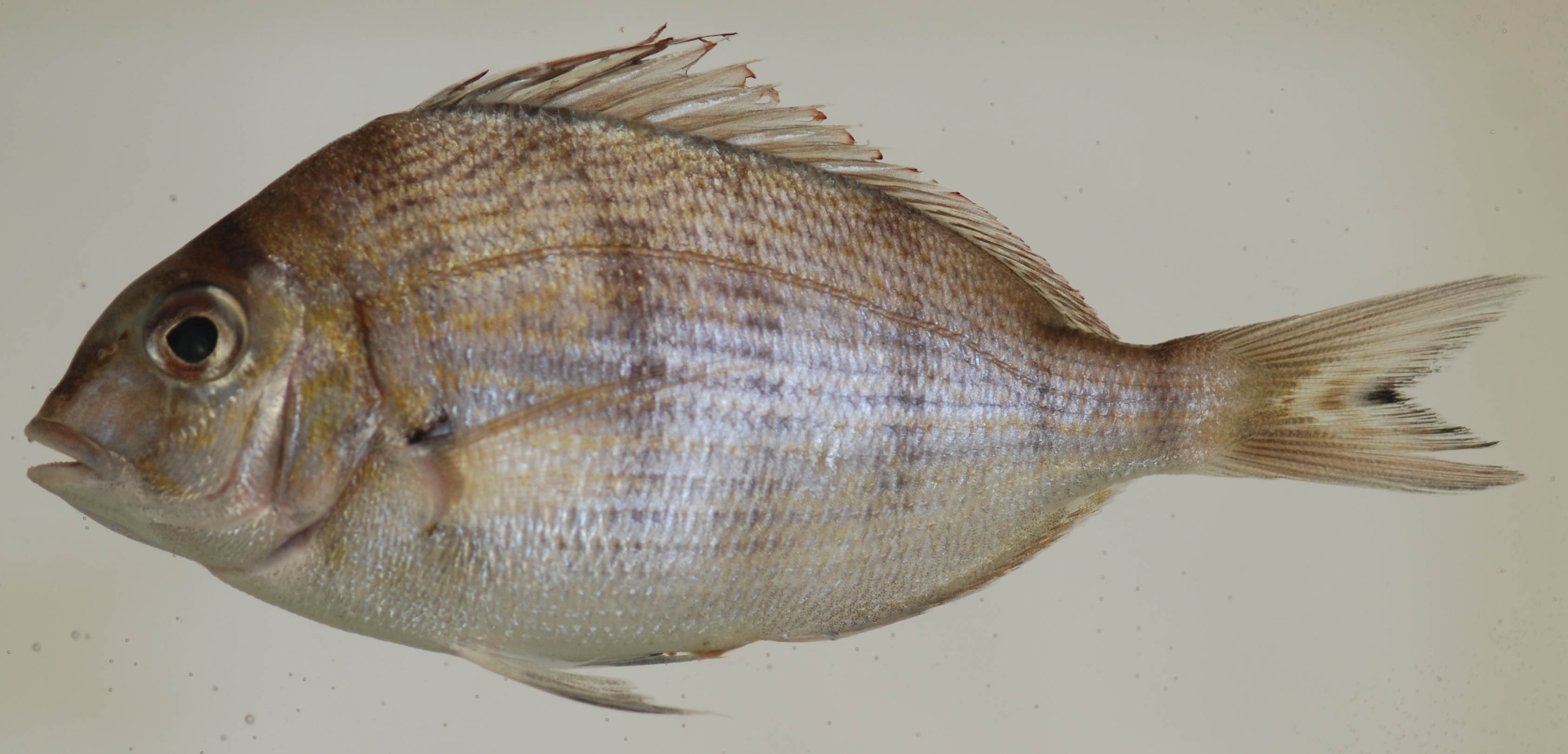

If there is one fish that introduces more people to saltwater angling in the Northeast than any other, it is the scup, known up and down the coast as the porgy. From Cape Cod to New Jersey, scup are the dependable bottom fish that fill a cooler on a summer afternoon, keep kids and first-timers bent over the rail on a party boat, and reward veterans who know how to find the big ones. They are abundant, they bite readily, they pull hard for their size, and they are genuinely excellent eating. For all those reasons, scup are the perfect fish to learn on and a fish that serious anglers never stop enjoying.
Scup (Stenotomus chrysops) are a deep-bodied, silvery member of the porgy family, with a steep forehead, a small mouth full of hard little teeth built for crushing crabs and shellfish, and a spiny dorsal fin that demands respect when you unhook them. Most run half a pound to a pound and a half, but the biggest, the coveted "humpback" or "dinner plate" scup, can top three pounds and fight like a fish twice their size. They gather over structure in big schools from late spring through fall, which makes them both easy to locate and, once you are on them, fast-paced fun.
This guide covers everything you need to catch scup consistently: the rig that does most of the work, the baits they cannot resist, the jigging tactics that fool the bigger fish, and how to find the structure that holds the humpbacks. If you want to fast-track your learning, a day on a local party boat or with a charter that knows the reefs and wrecks can shortcut months of figuring out where the big scup stack up on their own.
Understanding scup: season and behavior
Knowing how scup live through the year makes finding them far easier. Scup are a migratory schooling fish. They winter in deeper water offshore along the edge of the continental shelf, then move inshore in spring as the water warms, typically arriving on the inshore grounds from May into June, depending on latitude. Through the summer they blanket the inshore reefs, rockpiles, and bays in enormous numbers, spawn, and feed heavily. As fall cools the water, they stage on deeper structure and gradually drop back offshore, so late-season scup are often found in deeper water than summer fish.
That migration explains why scup fishing has a rhythm to it. Early in the season the fish are moving and can be scattered; by midsummer they are stacked thick on predictable structure and easy to catch; in fall the biggest fish often bite best as they fatten up before heading out. Water temperature is the master switch, scup follow the warm inshore water in and the cooling water back out.
Scup are bottom-oriented feeders that crush crabs, small shellfish, worms, sand dollars, and small invertebrates with their hard little teeth. That diet is why they hold so tightly to structure and hard bottom where those foods live, and why clam, squid, and worm baits fool them so reliably. They feed in daylight, which makes them a convenient, family-friendly target, no dawn patrol or night trips required to fill a cooler.
The high-low rig: the scup workhorse
The high-low rig, two hooks stacked above a bank sinker, is the standard scup setup for good reason. It presents two baits at slightly different heights just off the bottom, which is exactly where scup feed, and it lets you catch doubles when the school is thick. You can buy pre-tied porgy rigs at any coastal shop, but tying your own from a length of leader with two dropper loops teaches you the rig and lets you tune the hook size and spacing.
Use small, strong hooks, a size 4 to 1 baitholder or a small circle hook, because scup have small mouths and steal bait from anything too big. A bank or dipsey sinker of two to eight ounces holds bottom depending on depth and current. Drop straight down over structure, let the sinker hit bottom, then lift it an inch or two so your baits hover in the strike zone. Scup bite with a quick tap-tap; a small lift of the rod tip sets the hook without yanking the bait away.
Setting up and fishing a high-low porgy rigKeep your baits fresh and your hooks small, and re-bait often, a picked-clean hook catches nothing. On a good day the high-low rig turns into a nonstop rhythm of drop, tap, lift, and reel up two fish at a time.
Best baits for scup
Scup are not fussy, but a few baits stand out. Fresh clam, especially skimmer or surf clam, is the classic porgy bait; a small, tough strip stays on the hook and puts out a scent trail that pulls scup in. Squid, cut into thin strips, is nearly as good and stays on the hook even better, which makes it a favorite when the bite is picky about how neatly it can steal your offering. Sandworms and bloodworms are deadly, especially for the bigger scup, though they cost more and don't last as long.
The key with all scup baits is to keep them small and secure. A scup's mouth is little and its teeth are made for nibbling, so a big gob of bait just gets picked apart around the hook. Thread a compact strip so the hook point sits near the end, and you will hook far more of the fish that bite.
The best baits for scup and porgy fishingWhen the fish are stacked and aggressive, you can tip a small jig or a bare hook with just a sliver of bait and still load up. When they are picky, often the case with the biggest fish, a fresh, natural bait fished on a light leader makes the difference.
Presentation details matter more than most people expect. Scale down your leader when the water is clear and the fish are wary; a lighter, less visible leader can double your bites on the bigger, more cautious scup. Keep a sharp hook, scup have hard mouths, and a dull point costs you fish. And manage your bait supply so you always have fresh, cold bait ready; scup pick a hook clean fast, and the angler who re-baits quickly catches far more than the one who fishes a picked-over strip. On a hot bite, cutting a stack of bait strips before you start keeps you in the water instead of fumbling with a knife while the school moves off.
Jigging for scup
While bait accounts for most scup, jigging is an increasingly popular and effective way to target them, and it often selects for the bigger fish. A small metal jig, a diamond jig, or a bucktail tipped with a strip of squid or a soft-plastic trailer, worked with short hops just off the bottom, draws reaction strikes from scup that might ignore a static bait. Jigging also keeps you mobile and engaged, you feel every tap and every headshake.
Match your jig weight to the depth and current so you can stay near the bottom and feel the lure working; too light and you drift off the structure, too heavy and you lose the subtle action. A slow lift-and-drop, letting the jig flutter down on a semi-slack line, triggers most of the bites, which often come as the jig falls.
Jigging tactics for porgy and sea bassJigging shines when scup are holding tight to a wreck or a rockpile, and it lets you cover the water column to find the size class you want. It is also simply more fun, a big humpback scup on a light jigging rod is a genuine handful.
A useful trick is to combine methods: fish a baited high-low rig on one rod set in a holder while you actively jig with another. The bait rig catches the fish cruising through while the jig picks off the more aggressive, often larger, individuals, and it doubles your read on where the school is holding in the water column. When one approach outproduces the other on a given day, you simply lean into the winner.
Finding structure: where the big scup live
Scup relate to structure, and finding the right bottom is the difference between small "sea porgies" and slab humpbacks. They gather over rockpiles, mussel beds, reefs, wrecks, bridge rubble, and the edges of channels, anywhere that crabs, worms, and shellfish concentrate. Your fishfinder is your best tool: look for hard bottom, sharp contour changes, and the fish-arch clouds that scup schools throw on the sounder.
The biggest scup often hold on the less-pressured, more isolated pieces of structure, a small rockpile away from the crowd, a deeper wreck, a hump that most boats run past. Once you mark a school, anchor or use spot-lock to stay right on top of them, because scup schools are tight and drifting off the edge means drifting off the bite. As the season progresses and water warms, scup move to progressively deeper structure, so follow them out.
Finding and catching big humpback scupTide matters too: moving water positions the fish and turns on the feed, while slack tide often slows the bite to a crawl. Plan your best drops around a running tide over the best bottom you can find.
When you find a spot loaded with small "sea porgies" and want bigger fish, the answer is usually to move rather than to keep grinding. The dinner-plate scup tend to segregate onto their own pieces of structure, often deeper or farther from the crowds, so bounce between marks until you find the size class you want. Marking a few productive numbers on your GPS across a season builds a milk run of spots you can rotate through as the fish shift with the tide and the calendar. And do not overlook the obvious: bridge and pier abutments, jetty rocks, and mussel-encrusted pilings hold scup within reach of shore anglers too, so you don't always need a boat to get on them.
Light tackle and kayak scup
Because scup are willing biters and pull hard for their size, they are a superb light-tackle target, and few things are more fun than a big porgy on a light spinning outfit or a kayak jigging rod. A 7-foot medium-light rod, a 2500–3000 reel, and 10- to 15-pound braid turn a routine bottom fish into a lively fight and let you feel every tap. Light tackle also lets you use lighter sinkers and jigs, which improves your bait presentation and your feel for the bite.
Kayak anglers have embraced scup for exactly these reasons: you can slip quietly over a rockpile, hold position with a stake-out or anchor, and pick apart a school with light jigs. The reduced boat traffic and quiet approach can put you on bigger, warier fish, and the fight is a blast at that scale.
Light-tackle and kayak jigging for scupScale your gear to the fish and the fishing gets better: more bites detected, more fish hooked, and a lot more fun with every fish you bring up. Just keep a rag handy, those dorsal spines are sharp.
Cleaning and eating scup
Scup earn their popularity at the table. The meat is white, mild, and slightly sweet, and while the fish are a bit bony and have tough scales, a properly cleaned scup is one of the best-eating panfish in the ocean. Many people fillet them; others scale and gut them and cook them whole, which is traditional and keeps more of the meat, especially on smaller fish.
If you fillet, a sharp, flexible knife and a firm hand get past the tough scales and rib bones; scaling first and cooking skin-on is another popular route. Larger humpback scup give a thicker, more forgiving fillet, which is one more reason to seek out the big ones. Fried, pan-seared, or grilled whole, scup reward the little bit of extra cleaning effort they take.
How to fillet scup (porgy)As always, respect the regulations, scup have a minimum size and a bag limit that vary by state and season, and party-boat "bonus" limits sometimes apply. Measure honestly, keep what you will eat, and release the rest to keep this outstanding fishery as strong as it is.
Bringing it together
Scup are the friendliest fish in the Northeast: abundant, willing, hard-fighting, and delicious. Drop a high-low rig baited with clam or squid over hard structure on a moving tide, and you will catch fish. Add jigging and light tackle to your toolkit, learn to find the isolated structure that holds the humpbacks, and you will graduate from a cooler of small porgies to a few genuine slabs. Few fish give back so much for so little, which is why generations of Northeast anglers keep coming back to them, and why a slow scup day is still a good day on the water.
Ready to get on the fish? Pick a running tide, load up on fresh clam and squid, and start over the nearest hard bottom or reef you can find, few fish reward a simple plan as readily as scup do.
For more Northeast bottom and inshore targets, see our guides on how to catch black sea bass, how to catch tautog, and how to catch striped bass.