Fish
Fish Fire
Fire Hike
Hike Bird
Bird

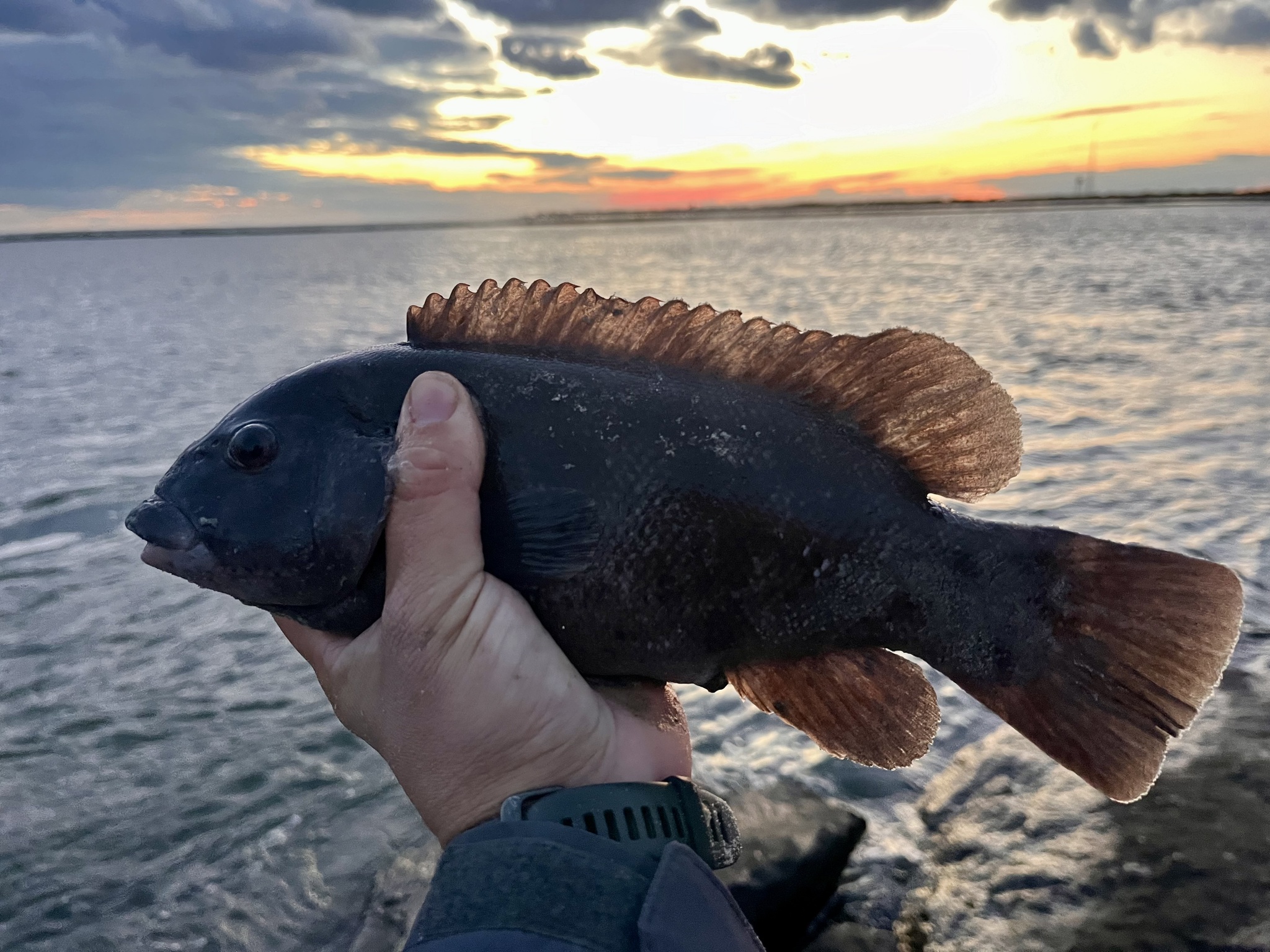

The tautog, or "tog," or "blackfish", is the pit bull of the Northeast bottom-fishing world: a stocky, powerful, buck-toothed brawler that lives in the meanest structure on the coast and eats crabs for a living. Tog fishing is a game of nerve and touch. You drop a crab bait into a jagged wreck, a boulder field, or the base of a jetty, feel a subtle tap through your line, and then win a brief, violent tug-of-war to drag the fish up and out before it dives back into the rocks and cuts you off. Miss the hookset by a half-second and you lose your bait; win it and you have one of the hardest-fighting, best-eating fish in the ocean. This guide covers everything about the tautog, what it is, why it lives glued to structure, and every core technique with step-by-step instruction to put more blackfish in the boat.
Ready to crack the tog code? Everything you need is below. Tog share their crab-crushing, structure-hugging lifestyle with another toothy target, see our guide on how to catch sheepshead.
Meet the Tautog
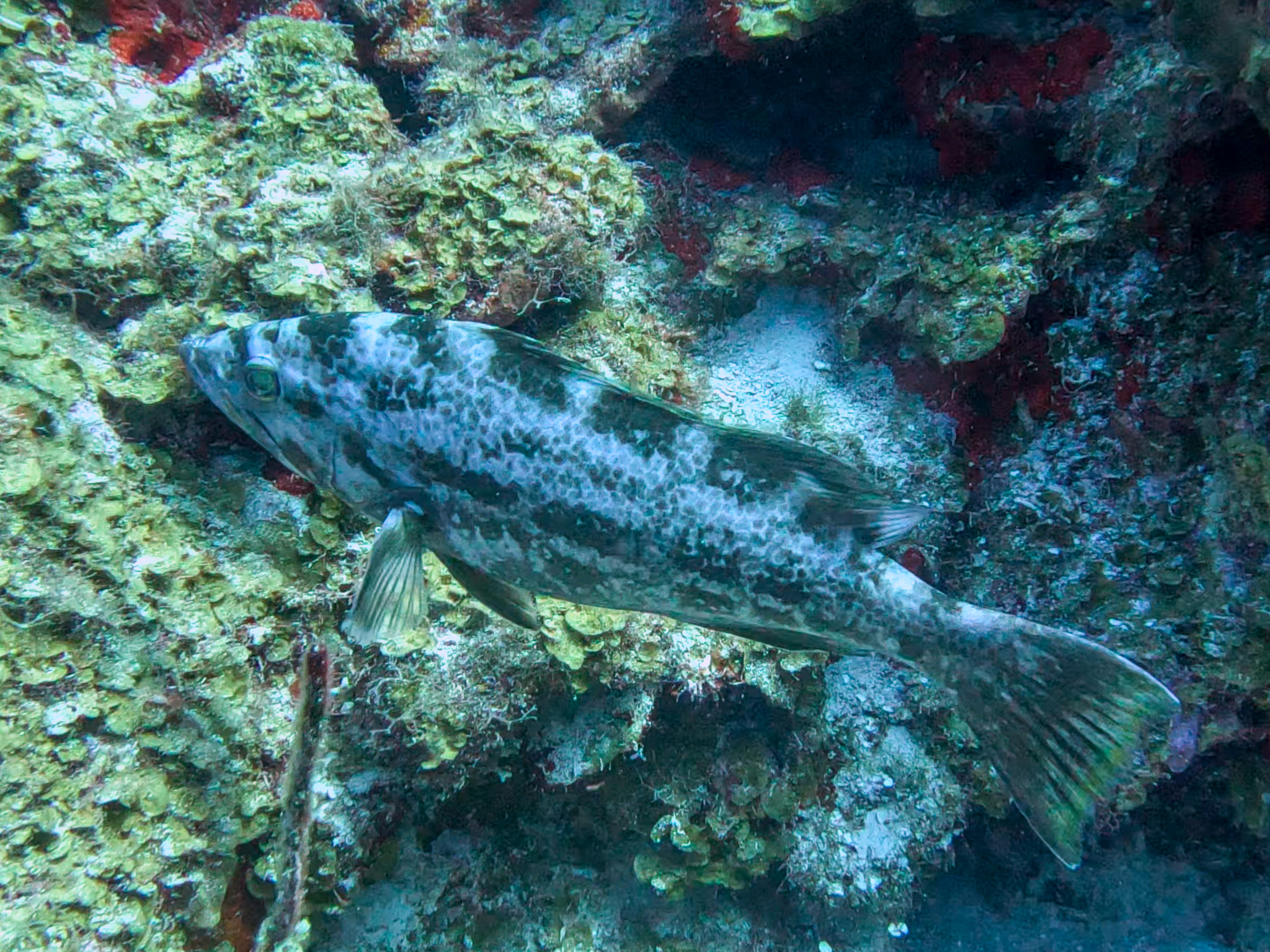
The tautog (Tautoga onitis) is a member of the wrasse family, and it looks the part: a deep, stocky, blunt-headed body covered in a mottled camouflage of dark brown, gray, and black that lets it disappear against rock and reef. Big males often develop a pale white patch or "chin" and a steep, bulging forehead, old bruisers are nicknamed "white chins." Its most important feature is inside its mouth: thick rubbery lips backed by a set of powerful, blunt teeth and a crushing plate in the throat, an arrangement built for one purpose, pulverizing crabs, barnacles, mussels, and other shellfish scraped off hard structure.
Tog range along the Atlantic coast from the Canadian Maritimes to the Carolinas, with the densest fisheries from Massachusetts through New Jersey and the Chesapeake region. Most keeper tog run 2 to 6 pounds; a fish over 8 is a very good one, double-digit "tog of a lifetime" fish exist, and the record is over 25 pounds. They grow slowly and live a long time, which makes them vulnerable to overharvest, tautog seasons and bag limits are tightly regulated and vary by state, so always check current regulations before you keep one. Their firm, sweet, white fillets are prized table fare, adding to their appeal.
Why Structure Is Everything
You cannot understand tautog fishing without understanding one fact: tog live in structure and rarely stray far from it. Wrecks, rockpiles, boulder fields, bridge and jetty rock, mussel beds, and reef are home. The fish tuck into holes and crevices, ambush and scrape food off the hard bottom, and bolt straight back into cover at the first sign of trouble. Everything about catching them flows from this.
Two consequences drive the whole game. First, you must fish your bait right in the rocks, not near them, in them. Tog won't move far to chase; your crab has to be on the bottom, tight to the structure where the fish live. That means constant contact with snaggy bottom and a lot of lost rigs, losing gear is simply the cost of admission. Second, the fight is won in the first two seconds. The instant a tog feels the hook, it powers back toward its hole to "rock you up", wedge into the cover and either break you off or saw the line on the edges. Your job is to hook the fish and immediately crank its head up and away from the bottom before it gets home. Fail, and you are pulling on an immovable rock. This is why tog gear is stout, hooksets are hard and fast, and drags are locked down.
Tog also move with water temperature. They pile onto relatively shallow inshore rocks and jetties in spring and fall when the water is in the comfortable 50s and 60s, and slide out to deeper wrecks and offshore structure as the water warms in summer or chills in deep winter. Match your depth to the season and you will find them.
Crabs Are King: Bait Selection
Tautog are crab specialists, so crab is the bait, full stop. The best all-around choices are green crabs (the standard, cheap and effective) and Asian shore crabs (small and deadly where legal to collect), with white-legger (fiddler) crabs excellent for smaller tog and finicky fish, and hermit crabs, blue-crab chunks, and rock crabs all producing at times. Bigger baits for bigger fish is a real pattern, a whole green crab weeds out the small tog and tempts the giants.
Preparation matters as much as selection. Most anglers remove the legs and the top shell, then cut the crab in half, exposing the juicy interior and creating scent while giving the hook a clean path through the shell. A quartered small crab or a halved larger one is the norm. The exposed meat and cracked shell put scent in the water and make it easy for the tog to get the bait, and the hook, into that crushing mouth.
How to Bait a Green Crab for Blackfish (Tautog)Rigging the Crab on the Hook
How you put the crab on the hook decides whether you feel the bite and whether you hook up. The goal is a compact bait with the hook point riding just under the shell or barely exposed, so a light nibble transmits to your hand and a hookset drives home. A common method: pass the hook through one of the leg sockets, back through the body, and leave the point proud. Use a stout, short-shank hook, Virginia or octopus-style hooks in the 4 to 2/0 range are standard, sharp enough to punch through shell and crab.
Keep the bait small and streamlined enough that the tog inhales it in one go rather than picking at an overhang. Too much dangling crab means the fish steals the soft parts and never gets near the hook. Rig it tight, rig it clean, and check it every drop, tog will strip a hook bare in seconds.
How to Bait and Rig a Green Crab for BlackfishThe Classic Tog Rig
The traditional tautog rig is simple and built for fishing straight down into snags. The standard is a single- or double-dropper "tog rig": a bank sinker on the bottom tied to short, stiff dropper loops holding one or two short-shank hooks a few inches up. The stiff mono droppers stand the hooks off the line and resist tangling, and the sinker-on-the-bottom design means when you snag, you often lose only the cheap sinker and can break free with the hooks intact.
Rig your main line straight to the rig with a heavy leader, tog fishing is a heavy-line game because you are pulling hard against structure. Braid (for feel and no-stretch hooksets) to a stout fluorocarbon or mono leader is the norm, with enough sinker to hold the bottom straight down in the current, a tog rig only works when it is directly below you, in contact with the bottom. Use just enough weight to stay planted, and add more as current or depth demands.
Simple, Effective Tautog RigsJigging for Tautog
In the last decade, tog jigging has exploded, and for good reason. A tautog jig is a compact lead head (often flat or with a spike to hold bait) that you tip with a piece of crab and work with a tight, direct connection to the bottom. Jigging shines in that it gives you unbeatable feel and instant hooksets: because you are in direct contact with a single weighted hook, you sense the lightest tap and can react in a heartbeat, and there is less hardware to snag.
The technique is to drop to the bottom, keep a semi-tight line, and lift-and-drop the jig gently to keep the crab in the strike zone. When you feel the tap, come tight and set hard. Jigging lets you fish more precisely around isolated structure, cover a boulder at different angles, and stay glued to a fish-holding rock, many of today's biggest tog fall to jigs. Match jig weight to depth and current just as you would a sinker: enough to stay vertical and in touch with the bottom.
How to Use Jigs for TogDetecting the Bite and Setting the Hook
This is the heart of tog fishing and where most fish are won or lost. A tog bite is deceptive. Sometimes it is a sharp tap-tap; often it is a subtle mushiness, a soft "tick," or the sensation that your bait has simply become heavier or the bottom "changed." Tog are notorious bait thieves that pick and crush before committing, and beginners routinely mistake the initial taps for the bottom or set on them too early and miss.
The classic advice: feel the "tap-tap," then wait for the load, and set on the weight. You want to feel the fish take the bait and turn, the moment you feel steady pressure or the rod tip load down, set the hook hard and immediately start cranking to pull the fish up and away from its hole. There is no gentle sweep here; it is a firm, committed hookset followed by instant, relentless lifting. The single biggest mistake in tog fishing is setting too soon on the nibble, learn to distinguish the pick from the eat, and your catch rate multiplies.
How to Set the Hook on TautogFishing Wrecks and Reefs
While spring and fall tog cling to inshore jetties and rocks, the wreck and reef fishery is where many of the biggest blackfish live, especially as water temperatures push them off the beach. Fishing wrecks means anchoring or spot-locking precisely over the structure, tog hold so tight that being off by a boat length can be the difference between a limit and a skunk. Boats fish the up-current edge and drop baits right onto the wreck.
Wreck tog run big and pull even harder in deeper water, so beef up your gear: heavier rods with backbone to turn a fish, locked drags, and enough weight to hold the bottom in current. Expect to lose rigs in the iron and rock, bring plenty. The reward is that offshore structure concentrates the largest, oldest fish, and a day on a good wreck can produce the double-digit "white chin" of a lifetime.
How to Catch Tautog on Atlantic Wrecks and ReefsSeasons and Timing
Because tog track water temperature, timing your spots is half the battle. In spring, as inshore water climbs into the 50s, tog move onto shallow rocks, jetties, and bridges to feed and spawn, a prime shallow-water, shore-accessible window. Through summer, as shallows warm, many fish slide to cooler, deeper wrecks and reefs. Fall is the marquee season: cooling water pulls tog back onto inshore structure with a feeding urgency that produces the year's best fishing, right up until the water gets cold. In the depths of winter, tog hold on deep offshore structure and bite slowly but can be caught by those willing to work for them.
Within a day, tog often feed best around the slack-water portions of the tide, when reduced current lets your bait sit naturally in the rocks and the fish move to feed. Strong current can make it nearly impossible to hold bottom and stay in contact, plan your best drops around the more fishable stages of the tide.
Common Mistakes to Avoid
New tog anglers lose fish in predictable ways. Setting too early on the initial nibble tops the list, you must wait for the eat. Not fishing tight enough to structure is next; if you are not occasionally snagging, you are probably not where the fish are. Too light a drag or too soft a rod loses fish that immediately rock you up, lock down and use backbone. Drifting instead of holding over the structure keeps your bait out of the strike zone; anchor or spot-lock precisely. And giving up on a spot too fast, tog can be there but not chewing; work the tide and the exact rock. Fix these and your numbers climb fast.
Table Fare and Handling
Tautog are among the finest-eating fish in the Northeast, firm, white, mild, and sweet, excellent in chowder, fried, baked, or as sashimi from a fresh fish. Their thick skin and tough scales make them a bit of a chore to clean, but the fillets reward the effort. Because tog grow slowly and are easily overharvested, strictly follow your state's size and bag limits and seasonal closures, and consider releasing the biggest breeders. Handle fish you plan to release gently and get them back to the structure quickly.
Put It All Together
Tautog fishing rewards preparation, precision, and nerve: the right crab bait, a rig built for snaggy bottom, a boat held tight over the rocks, the patience to feel out a tricky bite, and the reflexes to hook and lift in the same instant. Get those pieces right and the tog, one of the coast's hardest-pulling, best-eating fish, is yours. Start on the shallow spring and fall jetties and rockpiles where you can reach fish from shore, then work out to the deeper wrecks as you dial in the bite. And if you love the puzzle of crab-crushing structure fish, try our guide on how to catch sheepshead next.