Fish
Fish Fire
Fire Hike
Hike Bird
Bird

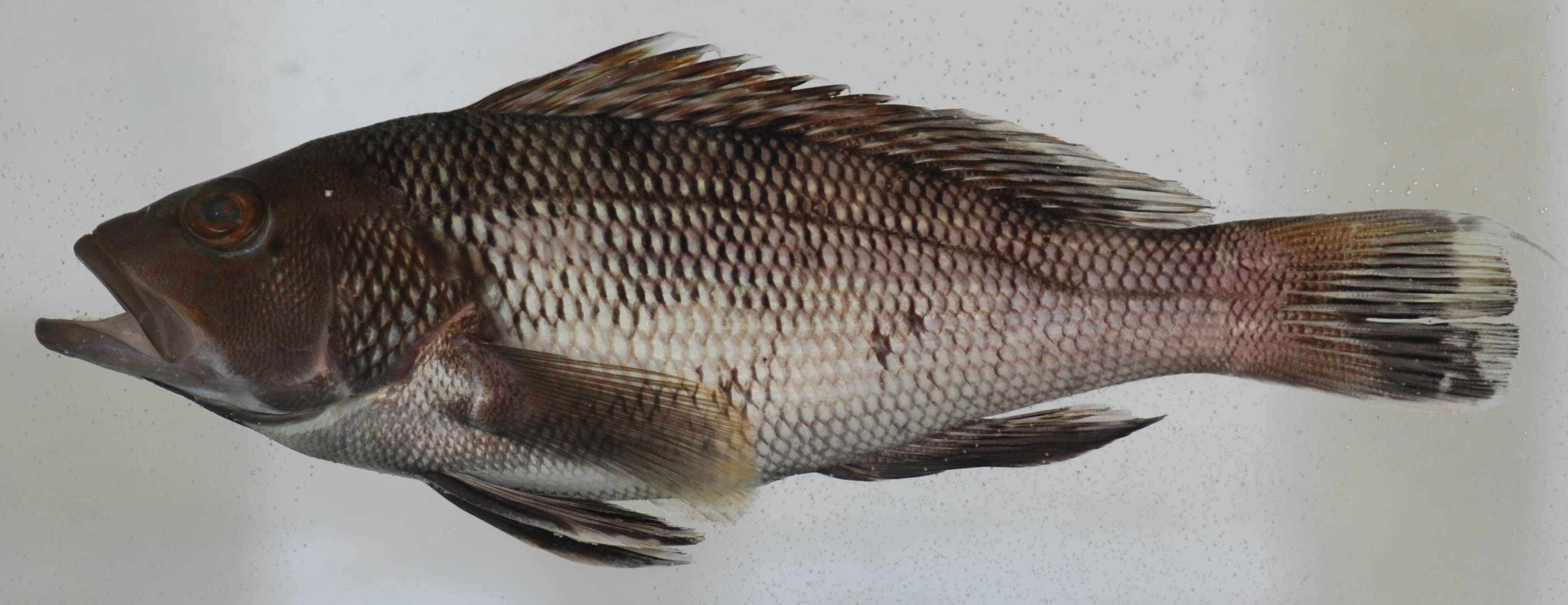

The black sea bass is one of the most beloved bottom fish on the Atlantic coast, and for good reason. It bites aggressively, lives in fishable numbers over any structure you can find, fights above its weight class with dogged pulls, and rewards you with some of the whitest, sweetest, most delicious fillets in the ocean. Better still, sea bass are forgiving: they will hammer a simple bait rig dropped over a wreck or reef, which makes them a fantastic target for newcomers, while the biggest fish, the humpbacked "knotheads", demand enough strategy to keep veterans coming back. This guide covers what black sea bass are, where they live, and every core technique, with step-by-step instruction, to fill a cooler with these tasty bottom bruisers.
Ready to load up on sea bass? The wrecks and reefs where they stack up are scattered all along the coast, and pinpointing that hard bottom is the whole game, the anglers who consistently out-fish everyone are the ones who find the structure and drop right on it. Black sea bass share their structure-loving, bottom-hugging world with another prized Northeast fish, see our guide on how to catch tautog.
Meet the Black Sea Bass
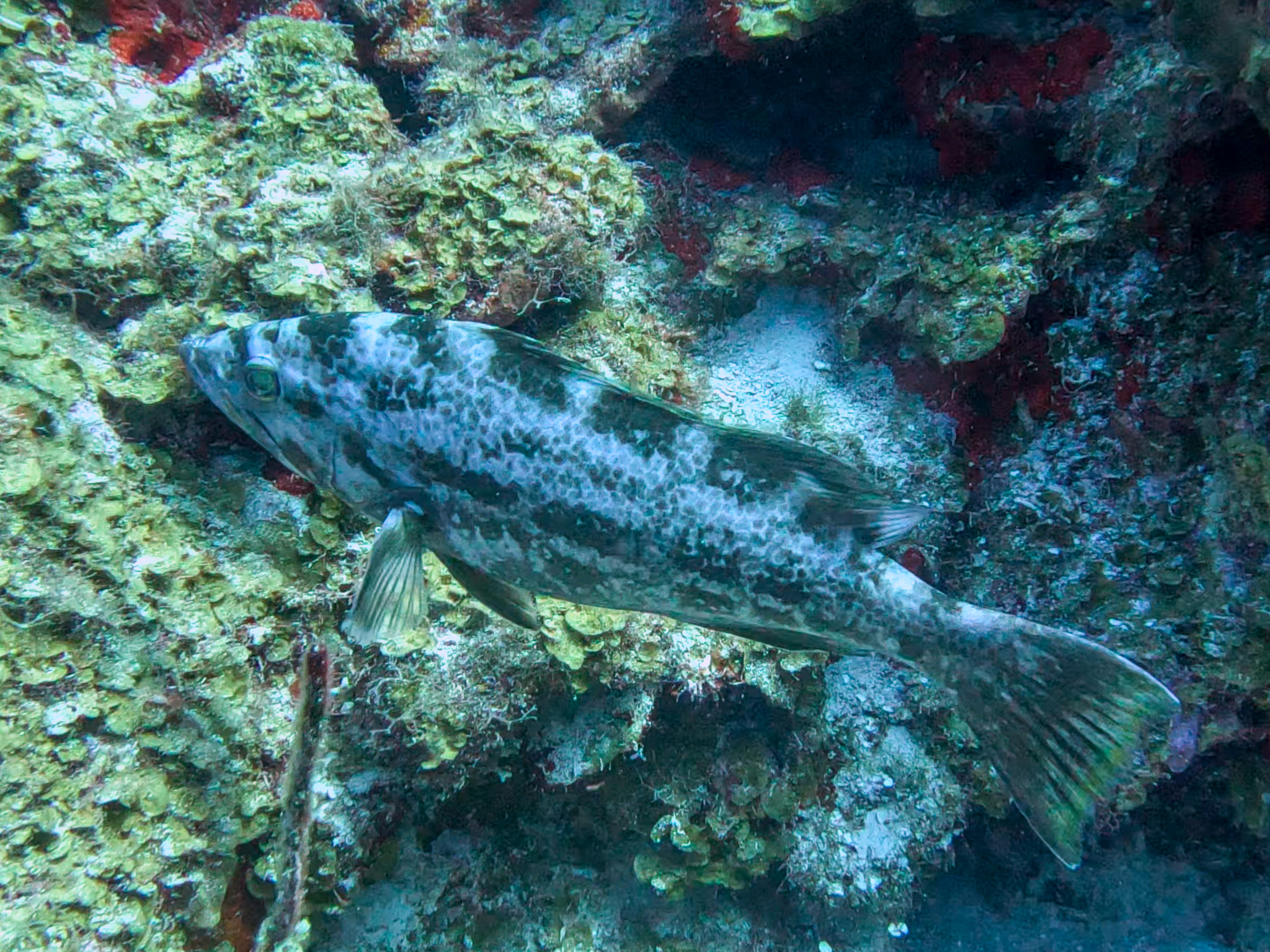
The black sea bass (Centropristis striata) is a member of the grouper and sea bass family, and it shows in its stout, robust build: a deep, heavy body, a large mouth, and long spiny dorsal fin. Color ranges from smoky gray to deep blue-black, with a distinct checkered or netted pattern on the sides where each scale is edged in a lighter shade. Big spawning males develop a striking humped forehead and bright blue-and-white highlights, these trophy fish are affectionately called "knotheads." Interestingly, sea bass are hermaphrodites, beginning life as females and often changing to males as they grow, so the biggest fish are usually old males.
Black sea bass range along the Atlantic coast, with the heart of the fishery from Cape Cod through the Carolinas. Most keepers run 1 to 3 pounds, a fish over 4 is a very good one, and giant knotheads exceed 6 or 7 pounds (the record is around 10). They are managed with seasons, size limits, and bag limits that vary by state and change frequently, so always check current regulations. Their firm, white, sweet fillets are among the very best table fare in the sea, prized by anglers and chefs alike.
Where Black Sea Bass Live
Like their grouper cousins, black sea bass are structure fish through and through. Find hard bottom and you find sea bass. They stack up on:
- Wrecks and artificial reefs, sunken ships, reef balls, and rubble hold huge concentrations of sea bass and are the classic target.
- Natural reefs, rockpiles, and hard bottom, ledges, boulder fields, and live-bottom areas.
- Mussel beds and shell bottom, any change from featureless sand to hard, fouled bottom concentrates fish.
- Jetties, bridge rubble, and inshore structure, smaller fish especially move into accessible inshore rock in the warmer months.
The single most important skill is finding the structure. Sea bass relate so tightly to hard bottom that you must put your bait right on it, a spot 50 feet off the wreck may be barren while the wreck itself is loaded. Use your sounder and GPS to find and stay on the structure. Sea bass also move seasonally with temperature, pushing inshore into shallow reefs and rocks in spring and summer and migrating out to deeper offshore wrecks in fall and winter, so match your depth to the season.
Offshore Wreck Fishing for Black Sea BassThe High-Low Rig: The Workhorse
The classic, deadly-simple sea bass setup is the high-low rig (also called a top-and-bottom or double-dropper rig): a sinker on the bottom with two baited hooks on dropper loops standing off the line above it. It is perfect for sea bass because it presents baits right in the strike zone just off the bottom, lets you catch doubles, and the sinker-on-the-bottom design breaks free from snags more easily.
To fish it: drop straight down to the structure, let the sinker hit bottom, then reel up a turn or two to lift the baits into the fish and keep the sinker from wedging. Sea bass bite aggressively, so you will often feel sharp taps or the rod loading, a firm reel-set and steady lift brings them up. Use enough sinker to hold straight down in the current, since a rig drifting away from the structure catches nothing. The high-low rig baited with cut bait is how the vast majority of sea bass are caught, and it flat-out works.
How to Tie and Fish a Sea Bass High-Low RigBest Baits for Sea Bass
Black sea bass are opportunistic, aggressive feeders that eat crabs, shrimp, small fish, and shellfish, so a wide range of baits produces. The staples are:
- Squid, cut into strips, it is the number-one sea bass bait: cheap, tough on the hook, and irresistible.
- Clam, deadly, especially for bigger fish, though softer and needing re-baiting.
- Cut fish, strips of bunker, mackerel, or other baitfish.
- Crabs and shrimp, natural forage that big knotheads love.
Tip the bait so it stays on the hook and flutters in the current. A squid strip on each hook of a high-low rig is the classic, reliable combo. For bigger fish, a bigger, meatier bait (a whole squid or a chunk of clam) helps weed out the small ones. Keep baits fresh and re-bait often, sea bass strip a hook quickly.
Best Tactics and Baits for Black Sea BassJigging for Sea Bass
While bait rigs account for most sea bass, jigging is increasingly popular, it is more active, often more selective for bigger fish, and a blast. Bucktail jigs, diamond jigs, and metal slow-pitch jigs all take sea bass, fished with or without a bait tip. The technique is to drop to the structure and work the jig with short lifts and drops, keeping it near the bottom where the fish hold. Sea bass smash a jig fluttering down or ripped up off the bottom.
Jigging shines for covering a wreck actively and targeting the larger, more aggressive fish that often out-compete smaller ones for a moving lure. Tipping a bucktail with a strip of squid or a soft-plastic trailer adds scent and action. Match jig weight to depth and current so you stay vertical and in contact with the bottom, the same rule as any structure fishing. Many anglers carry both a bait rod and a jig rod and switch based on what the fish want.
Jigging for Black Sea BassTargeting the Big Knotheads
Catching numbers of small sea bass is easy; consistently catching the big humpbacked knotheads takes a bit more. The keys:
- Fish the biggest, gnarliest structure, the largest fish claim the best spots on a wreck, often the highest-relief or most sheltered parts.
- Use bigger baits, a whole squid, a big clam chunk, or a large jig weeds out the dinks and tempts the trophies.
- Get away from the crowd, on a heavily fished wreck, the big fish get picked off or wary; a lightly pressured or freshly found piece of structure holds more big ones.
- Move if you are only catching shorts, small fish often swarm the edges; reposition to put your baits on the prime part of the structure.
Because sea bass are protogynous hermaphrodites (the big fish are old males), the trophies are relatively few, so finding and fishing the best structure with the right bait is how you connect. A cooler of solid keepers with a knothead or two is a great day.
How to Catch Big Black Sea Bass (Trophy Knotheads)Tackle Setup
You do not need heavy gear for sea bass, but you do need the right setup for fishing structure in current. A 6.5- to 7-foot medium conventional or spinning rod with a sensitive tip (to feel the bite and the bottom) and enough backbone to lift a fish clear of the wreck is ideal. Braided line is a big advantage, its lack of stretch transmits the lightest tap and the feel of the bottom in deep water, and its thin diameter cuts current so you can hold bottom with less weight. Add a short fluorocarbon or mono leader to the rig.
Carry a range of sinker weights so you can match the current and depth and always keep your rig straight down over the structure, too light and you drift off the fish, too heavy and you lose feel. Sharp hooks matter: sea bass have hard mouths, so keep hook points fresh. And bring plenty of rigs, fishing tight to wrecks and rock means you will lose some to snags, which is simply the cost of fishing where the fish are.
Seasons, Depth, and Timing
Black sea bass track water temperature closely, which drives where you will find them. In spring and summer, as inshore waters warm, sea bass move onto shallower reefs, wrecks, rockpiles, and even inshore structure and jetties, a prime, accessible fishery. As water cools in fall, the fish stage and then migrate out to deeper offshore wrecks and hard bottom, where the winter deep-drop fishery targets them in cold months. Matching your depth to the season is half the battle: shallow in the warm months, progressively deeper as it cools.
Sea bass feed actively through the day and are less tide-sensitive than some structure fish, but manageable current helps you hold bottom and stay in contact with the structure. When the current rips too hard to keep your rig straight down, the bite gets tough, plan around the more fishable stages.
Finding Structure With Your Electronics
Because black sea bass live glued to hard bottom, the anglers who consistently out-fish everyone are usually the ones best at finding and staying on structure. Learn to read your sounder: sea bass and their bait show as marks and fuzz stacked around and above hard relief, and the bottom trace itself changes from a thin, clean line over sand to a rough, thick, broken return over rock, wreck, or reef. When you mark that hard bottom and fish holding on it, that is where to drop.
Just as important is staying on the spot. A wreck may be only a boat-length across, so use your GPS, spot-lock, or a well-set anchor to keep your baits over the fish rather than drifting off into barren sand. On calm days you can drift across structure and pick fish, but when the bite is on a specific piece, holding position is everything. Save waypoints on every productive piece of structure you find, over time, a milk run of good sea bass spots is worth more than any single honey hole.
Common Mistakes to Avoid
New sea bass anglers stumble in a few predictable ways. Not being on the structure is the biggest, sea bass hold tight to hard bottom, so if you are not marking fish and structure, you are in the wrong spot. Too little weight lets your rig drift off the wreck and out of the zone. Dull or dirty baits, sea bass strip hooks fast, so re-bait often. Reeling up too far lifts your baits above the fish; keep them just off the bottom. And ignoring regulations, sea bass seasons, size, and bag limits change frequently and are strictly enforced, so know the current rules before you keep fish. Fix these and your catch climbs.
Table Fare and Handling
Black sea bass are prized as some of the finest eating in the ocean, firm, white, sweet, and clean, superb steamed whole, pan-seared, fried, or in chowder. Their spiny dorsal and gill covers are sharp, so handle them carefully when unhooking and cleaning, a glove helps. Because they are managed for sustainability with tight limits, follow current size and bag regulations, measure carefully, and release short fish quickly and gently. Ice your keepers right away for the best table quality, and consider cooking smaller fish whole, the sweet, flaky meat on a pan-fried or steamed sea bass is hard to beat, and the fish's mild flavor takes just about any preparation you like.
Put It All Together
Black sea bass fishing is one of the most rewarding and accessible bottom fisheries on the coast: find the structure, drop a high-low rig with squid or a jig into it, keep your baits just off the bottom, and enjoy the aggressive bite, then work the best structure with bigger baits when you want a knothead. Match your depth to the season and mind the regulations, and you will fill the cooler with some of the best-eating fish in the sea. When you are ready to run the wrecks and reefs, pull up your electronics, mark the hard bottom where the sea bass stack up, and drop straight onto it, that discipline is what separates a full cooler from a slow day. And for another structure-loving bottom bruiser that shares the same rocks, read our guide on how to catch tautog next.