Fish
Fish Fire
Fire Hike
Hike Bird
Bird

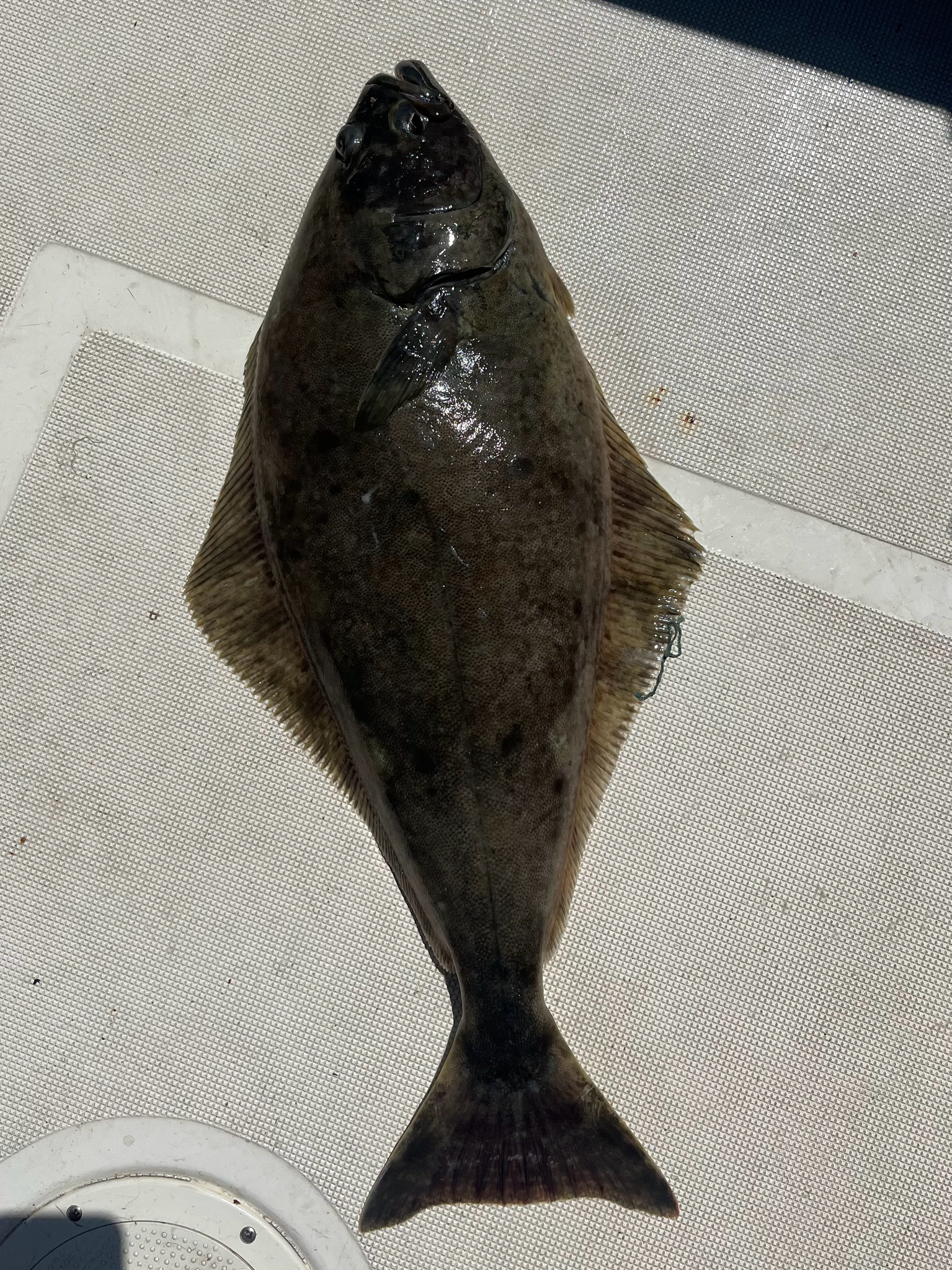

The Pacific halibut is the giant of the flatfish world, a massive, powerful, delicious bottom-dweller that can exceed a couple hundred pounds and fight like a barn door being dragged up from the deep. Prized as one of the finest table fish in the sea and as a bucket-list Alaska and Pacific Northwest gamefish, halibut lie flat on the bottom in cold water, both eyes on their dark upper side, ambushing whatever swims or drifts past. Catching one is a game of getting a big, smelly bait or a heavy jig down to the bottom in deep, cold water, detecting the bite, and then winning a grueling battle to haul a huge, flat, powerful fish up from hundreds of feet. Land a big "barn door" and you've caught one of the most impressive and rewarding fish in cold water. This guide covers what Pacific halibut are, where and when to find them, and every core technique, with step-by-step instruction, to put one in the boat.
Ready to haul up a barn door? It's a bucket-list fishery that rewards heavy tackle, patience, and know-how, and one well worth planning a trip around a good season. Halibut share the cold Pacific bottom with other bruisers, see our guide on how to catch lingcod.
Meet the Pacific Halibut
The Pacific halibut (Hippoglossus stenolepis) is the largest flatfish in the Pacific: a huge, diamond-shaped, flattened body that lies on the bottom, both eyes on the dark, mottled-brown upper side and a white underside. Halibut start life like a normal fish with an eye on each side, then one eye migrates as they mature and they take up a life lying flat on the seafloor. Their camouflaged top side and ambush habits make them efficient bottom predators, and their sheer size and power make them a formidable catch.
Pacific halibut are enormous: "chicken" halibut run 10 to 30 pounds, solid fish are 40 to 80, and true "barn doors" exceed 100 to 200+ pounds (the biggest sport-caught fish top 400). They're found in the cold North Pacific, from California up through the Pacific Northwest, British Columbia, and especially Alaska, the heart of the fishery, living on the bottom in a wide range of depths, often deep. Prized as premier table fare, firm, white, mild, flaky fillets among the best of any fish, Pacific halibut are also tightly managed, with strict seasons, size limits (in places), and daily bag limits that vary by area (especially in Alaska and BC), so always know and follow the current regulations before you fish.
Where and When to Find Halibut
Pacific halibut are bottom fish that relate to the seafloor and its features:
- Sand, gravel, and mud bottom, halibut lie on and hunt over these bottoms, often in flats and channels where current carries food.
- Near structure and relief, edges of banks, humps, drop-offs, and structure that concentrate bait and current, though halibut often hold on the softer bottom near such features.
- Current edges and channels, moving water that carries scent and food concentrates feeding halibut.
- A range of depths, from relatively shallow to very deep, with the right depth varying by area and season.
Finding halibut is about locating the right bottom in the right depth, often broad areas of sand/gravel/mud near structure or current, rather than pinpoint spots. Use your sounder to find suitable bottom and depth, and (in a strong-current area) plan around the tide, since manageable current helps you hold bottom and lets your scent trail work. The season is set by regulation and by weather in these northern waters, the Alaska and BC seasons run through the milder months. Local knowledge of the productive bottom, depth, and timing is invaluable, which is why so many halibut are caught with guides who know the grounds.
How to Target HalibutHalibut Rigs: Circle Hooks and Spreader Bars
Getting a bait to the bottom for halibut takes a stout rig built for deep water and big fish. The two staples are the spreader bar (a wire bar that holds the bait out away from the heavy weight, preventing tangles and presenting the bait cleanly on the bottom) and the sliding-sinker or dropper-loop bottom rig. Both use a heavy weight (often 1 to 3+ pounds, depending on depth and current) to get down and hold bottom, and a large circle hook, circle hooks are ideal for halibut, hooking them in the corner of the jaw for solid hookups and easier release.
The key is a rig that gets your bait to the bottom and holds it there in the current, presents it cleanly (a spreader bar keeps a big bait off the bottom and tangle-free), and uses a strong hook and heavy leader to handle a powerful fish. Because you're fishing deep with heavy weight, everything is scaled up. Rig it stout, use enough weight to hold bottom straight down, and put a big, smelly bait right on the seafloor where the halibut hunt.
Halibut Rigs: Circle Hook and Spreader Bar SetupBest Baits for Halibut
Halibut hunt largely by scent, so big, oily, smelly baits are the ticket. Top halibut baits include whole or cut herring, octopus, squid, salmon bellies and heads, and other oily fish, the smellier and oilier, the better, since the scent trail draws halibut to your bait on the bottom. A big bait also helps weed out small fish and tempt the barn doors. Present the bait right on the bottom on your spreader bar or bottom rig.
The approach is to get a big, scent-heavy bait down to the bottom and let it work, sometimes adding scent or using a chum/scent bag to enhance the trail. Halibut may pick up and mouth a bait before committing, so with circle hooks you often let the fish take it and come tight steadily rather than setting hard. Fresh, oily bait, herring, octopus, salmon parts, presented on the bottom is the foundation of halibut fishing, and matching the smelliest available bait to the conditions is a big part of success.
How to Set Up a Halibut Bait Rig in AlaskaJigging for Halibut
While bait accounts for many halibut, jigging is an active, effective, and exciting way to catch them, especially with heavy leadhead jigs (often tipped with bait) or large metal jigs worked near the bottom. You drop the jig to the bottom and work it with lifts and drops, imitating a wounded baitfish or bottom prey, and halibut pounce on it. Tipping a leadhead jig with a strip of herring or a whole bait adds scent and action, combining the appeal of a jig with the scent of bait.
Jigging lets you actively fish the bottom, cover a spot, and target fish rather than just soaking bait, and the direct, rod-in-hand connection makes for a great fight. Match jig weight to the depth and current so you stay near the bottom and in the strike zone, use a stout jigging outfit, and be ready for a strong take. Many halibut anglers combine bait and jig, soaking a big bait on one rod and actively jigging another, to cover both approaches. On the right bottom, a jig tipped with bait is deadly.
Halibut Fishing With Leadhead JigsDeep Bottom Fishing: Scent and Patience
Halibut fishing over the deep bottom is fundamentally about getting scent down to the bottom and being patient and ready. Because halibut hunt by smell and lie in wait, a big, oily bait (or bait-tipped jig) on the bottom, sending out a scent trail, draws them in, sometimes from a distance. The classic approach is to anchor or drift over productive bottom, get your baits down, and let the scent work, while staying alert for the bite. Some anglers enhance the scent with chum, scent bags, or by chopping bait.
The keys are staying on the bottom (enough weight to hold in the current), maximizing scent (fresh, oily bait), and detecting the bite, a halibut take can be subtle, a mushy weight or a series of thumps, before the fish commits, so watch your rod and come tight steadily on a circle hook. Patience matters: halibut fishing often rewards soaking a good bait on good bottom and waiting for a fish to smell its way to you. Get the scent down, hold the bottom, and be ready.
Halibut Rig: Jig, Bait, and ScentLanding a Barn Door: Safety First
Here's the part everyone underestimates: landing a big halibut is genuinely dangerous and must be done carefully. A large halibut brought to the surface is enormously powerful and will thrash violently, and an out-of-control "barn door" in the boat can injure people and wreck gear. The standard is to subdue a big fish before bringing it aboard, many anglers harpoon, gaff, and/or use a shark hook and even (where legal and appropriate) subdue very large fish before boating them, and always control the fish and clear the area first.
For most keeper-sized fish, a solid gaff shot and a controlled swing into a fish box works, but the bigger the fish, the more caution required. Never bring a green (unsubdued) big halibut into the boat. Have your gaff (and harpoon for big fish) ready, control the fish at the surface, subdue it before boating, and keep everyone clear. This is one fishery where the landing is as important, and as potentially hazardous, as the catch, so learn and follow safe practices, ideally with an experienced guide for your first barn doors.
How to Properly Gaff a HalibutTackle, Regulations, and the Table
Halibut fishing demands heavy, deep-water tackle, stout rods, powerful reels (conventional or even electric for deep fish) with plenty of line and a strong drag, heavy braided line, and stout terminal gear, because you're fishing deep with heavy weight and fighting a big, powerful fish. The fight itself is a grueling grind: halibut don't run far, but they're heavy and pull hard, and hauling a big one up from deep water is a workout. Use proper technique, lift and wind steadily, and settle in.
Pacific halibut are strictly managed, especially in Alaska and BC, with seasons, size limits (such as slot or maximum size limits in places), and daily bag limits that vary by area and change, so know and follow the current regulations, enforcement is serious. For the table, halibut are the reward: firm, white, mild, flaky fillets that are among the best eating anywhere, superb almost any way you cook them. Bleed and ice your fish, follow the rules, and you'll enjoy both a memorable fight and world-class fillets. Because these fish come from cold, clean water and carry firm, thick fillets, a single good halibut can fill a cooler with some of the most versatile eating in the ocean, grilled, fried, baked, or in fish and chips, which is a big part of why anglers travel from all over the world to the Alaska and BC grounds each season.
Common Mistakes to Avoid
Halibut fishing punishes a few common errors. Not enough weight to hold the bottom in the current keeps your bait out of the strike zone and drifting; use enough lead to stay planted straight down. Old or non-oily bait puts out a weak scent trail; use fresh, oily bait (herring, octopus, salmon) for maximum scent. Setting too hard on a circle hook pulls it away; let the fish take the bait and come tight steadily. Fishing the wrong bottom or depth, off the productive sand/gravel/mud or in the wrong water, leaves your bait where the fish aren't; use your sounder and local knowledge. And, most importantly, bringing a green barn door into the boat is dangerous and can hurt someone; always subdue a big fish before boating it. Weight right, use fresh oily bait, come tight steadily, fish the right bottom, and land big fish safely, and your halibut success (and safety) climbs.
Put It All Together
Pacific halibut fishing is deep, cold-water bottom fishing for a giant: find the right sand, gravel, or mud bottom in the right depth; get a big, oily, scent-heavy bait or a bait-tipped jig down to the bottom on a stout circle-hook rig; hold the bottom, let the scent work, and come tight steadily on the bite; and then grind a powerful fish up from the deep, and, above all, subdue and land a big barn door safely. Mind the strict regulations, bring heavy tackle and patience, and you'll be rewarded with one of the great fights and the best fillets in cold water. When you're ready to get on them, put in the time to learn the grounds, the productive bottom, the depth, and the timing, because that local knowledge is what turns a long day of soaking bait into a cooler full of fillets. And for the toothy bottom bruiser that shares the same cold Pacific structure, read our guide on how to catch lingcod next.