Fish
Fish Fire
Fire Hike
Hike Bird
Bird

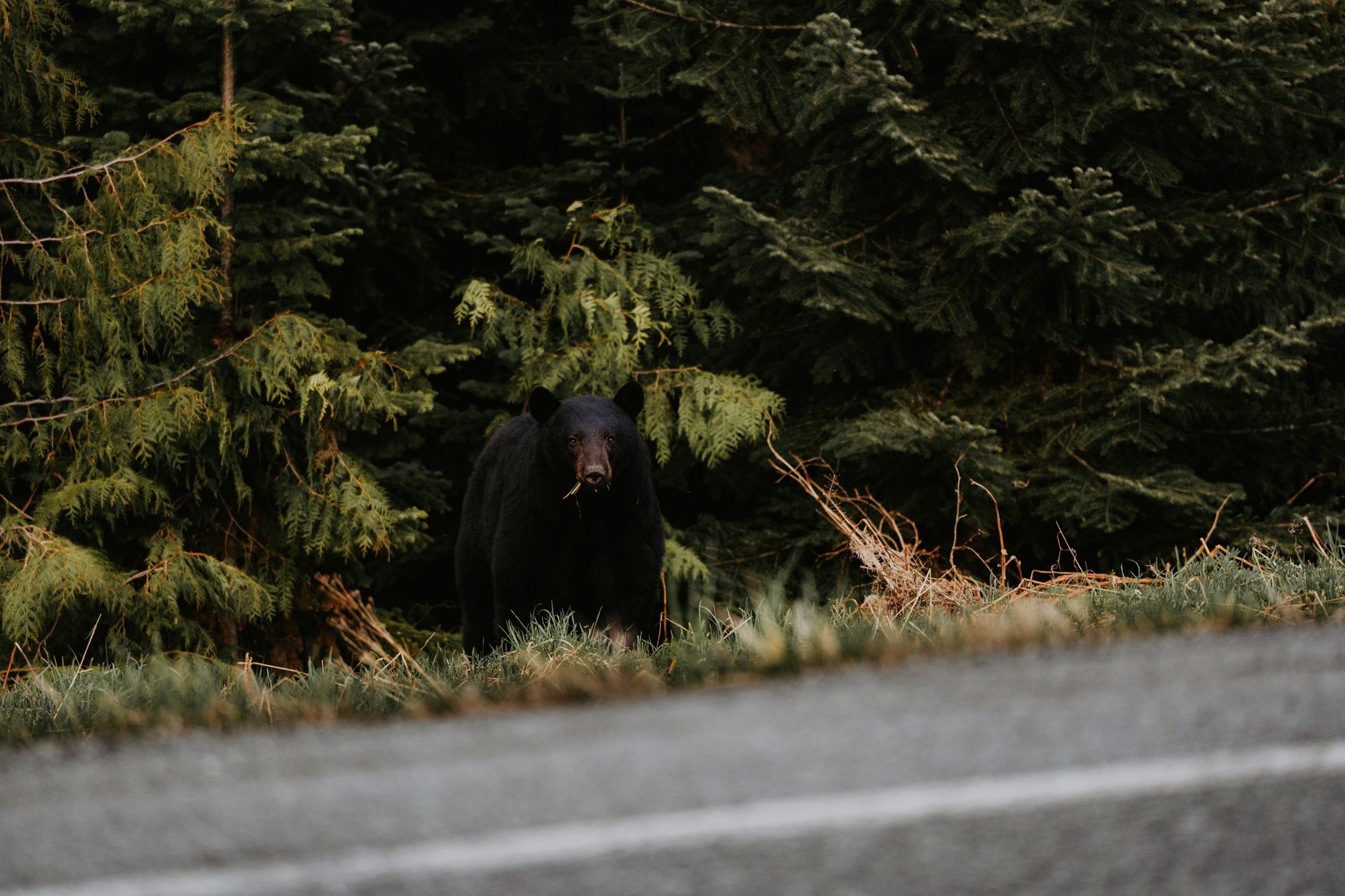

There are two species of bear you can meet on an American trail, they behave differently, the correct response to each is different, and getting them confused is the reason bear advice sounds contradictory.
That is the whole problem in one sentence. Everything else follows from it.
Which bear you are dealing with
Black bears live in 40-odd states, from Appalachia to the Pacific, with adults running 150 to 400 pounds. They are excellent climbers, they are overwhelmingly interested in food rather than in you, and the vast majority of encounters end with the bear leaving. Grizzlies, which are brown bears, survive in the lower 48 only in a few strongholds: the Greater Yellowstone ecosystem, Glacier and the Northern Continental Divide, the Cabinet-Yaak, the Selkirks and parts of the North Cascades, plus all of Alaska. Adults run 300 to 800 pounds and more, and they are far more defensive of space, cubs and carcasses.
Telling them apart is not about color, which is the mistake almost everyone makes. Black bears range from black through cinnamon to blonde, and grizzlies range from dark brown to almost blond. Use the shape instead.
-
Shoulder hump. Grizzlies have a pronounced muscular hump above the shoulders. Black bears do not, and their highest point is the rump.
-
Face profile. Grizzly faces are dished, concave between the eyes and the nose. Black bear profiles are straight.
-
Claws. Grizzly front claws are long, two to four inches, and often visible at distance. Black bear claws are short and curved for climbing.
-
Ears. Black bears have taller, more prominent, rounder ears. Grizzly ears look small against the head.
If you are in the Smokies, Yosemite or the Adirondacks, it is a black bear. If you are in Glacier, Yellowstone or the Bob Marshall, work out which one you are looking at before you decide what to do.
How to Use Bear SprayBear spray works, and the numbers are good
This is one of the few areas of outdoor safety with solid data behind it. Studies of real encounters found red pepper spray stopped the bear's undesirable behavior 92 percent of the time with brown bears and 90 percent with black bears, and better still, 98 percent of people carrying bear spray were uninjured after a close encounter. That is a better record than firearms achieve in the same situations, and it does not demand the accuracy under stress that a firearm does.
Carrying it correctly is most of the value. It goes on a hip belt or chest strap where your hand falls naturally, not in the pack, not in the lid, and not clipped to the outside where it can catch on brush. If it takes more than two seconds to get into your hand, it is decoration. Using it means removing the safety clip, aiming slightly downward at the bear rather than over it, and spraying in a sustained burst when the bear is close enough that the cloud will reach it, often around 30 feet or less depending on the can, the wind and the bear's speed. You are building a wall of aerosol the animal has to run through rather than hitting a target.
Practice the draw without discharging, because most people have never taken the safety off. And note that spray cannot be flown with, so buy or rent at your destination, and check the expiry date, since it loses pressure over years.
Preventing the encounter
Almost all of bear safety is avoidance, and avoidance is mostly noise and food.
-
Make noise. Talk, clap and call out at blind corners, on brushy trail, near running water and anywhere sightlines are short. The single worst outcome is surprising a bear at close range, and noise is what prevents it. Bear bells are widely regarded as too quiet to be useful, and your voice carries better.
-
Travel in a group. Bears are less likely to approach a group, which offers more sound, more scent and a larger apparent mass. Park guidance is emphatic that a party of three or more is far less likely to have a serious encounter, and the risk keeps dropping as the group grows. That is a large enough effect to build trips around, though it is a reduction in risk rather than a guarantee, and grizzlies have injured larger parties too.
-
Hike in daylight, since dawn and dusk are peak bear activity.
-
Store food properly, using canisters where required, hangs where permitted and lockers where provided. This protects future hikers more than it protects you, because a bear that gets human food becomes a problem bear, and problem bears are frequently killed.
-
Keep a clean camp, cook away from where you sleep, and do not bring food into the tent, which includes toothpaste, sunscreen and the wrapper in your pocket.
-
Watch for sign: fresh scat, overturned logs, claw marks, and especially a carcass. If you smell something dead or see ravens circling, leave the area the way you came.
The corresponding list of things not to do is short. Do not approach for a photograph, which is how a large share of injuries happen, and the distance people imagine is safe is not. Do not feed anything at all, including squirrels and jays, because habituation is a chain and it ends with bears. Do not climb a tree to escape a black bear, since they climb better than you do. Do not leave a pack unattended at a viewpoint with food in it. And do not rely on a firearm unless you are proficient, because the data favors spray and a wounded bear is worse than an unwounded one.
What to Do in a Bear Encounter, and How to Avoid OneThe encounter itself
Stop, and do not run, because running triggers pursuit and you cannot outrun either species. Identify yourself by speaking in a low, calm, steady voice, since you want the bear to recognize you as a human rather than as prey. Make yourself large by standing tall with your arms up, and group together if there are several of you. Back away slowly, sideways if you can manage it, so you can watch your footing and appear less confrontational, and never turn your back. Get the spray out and the safety off while you do all of this.
Most encounters end right here, with the bear leaving.
The part worth rehearsing in advance is the bluff charge. A grizzly may run at you, huff, pop its jaws, swat the ground, and then stop short or veer away. This is common and it is not an attack. Holding your ground through one is extraordinarily difficult and it is the correct response, which is precisely why it is worth deciding now rather than then.
If it becomes an attack, and this is where the species matters
Against a defensive grizzly, meaning one that was surprised or is protecting cubs or a carcass, you play dead. Lie face down with your legs apart to make yourself hard to roll, hands laced behind your neck, pack left on to protect your back. Stay still and stay quiet. The bear is trying to neutralize a threat, and once you are no longer one it will usually leave. Remain down until you are certain it has gone.
Against a black bear, in any attack, do the opposite and fight back, concentrating on the face and muzzle with rocks, poles, fists, anything to hand. Black bear attacks are rare, and the ones that do occur are more likely to be predatory than defensive. The same applies to any bear behaving predatorily: an animal that stalks you, follows you persistently, or attacks at night in a tent is not being defensive, and you fight with everything you have.
The reason people get this wrong is that it compresses badly. Defensive grizzly, play dead. Everything else, fight.
Where each rule applies
The Smokies, Shenandoah, the Adirondacks, Yosemite, the Sierra, the Olympics and most of the Cascades are black bear country, where food storage is the main discipline and attacks are very rare. Glacier, Yellowstone, the Bob Marshall, the Absaroka-Beartooth, the northern Idaho panhandle and the North Cascades are grizzly country, where bear spray is standard equipment rather than a precaution and the group-size guidance carries real weight. Alaska has both, plus coastal brown bears, and every rule tightens.
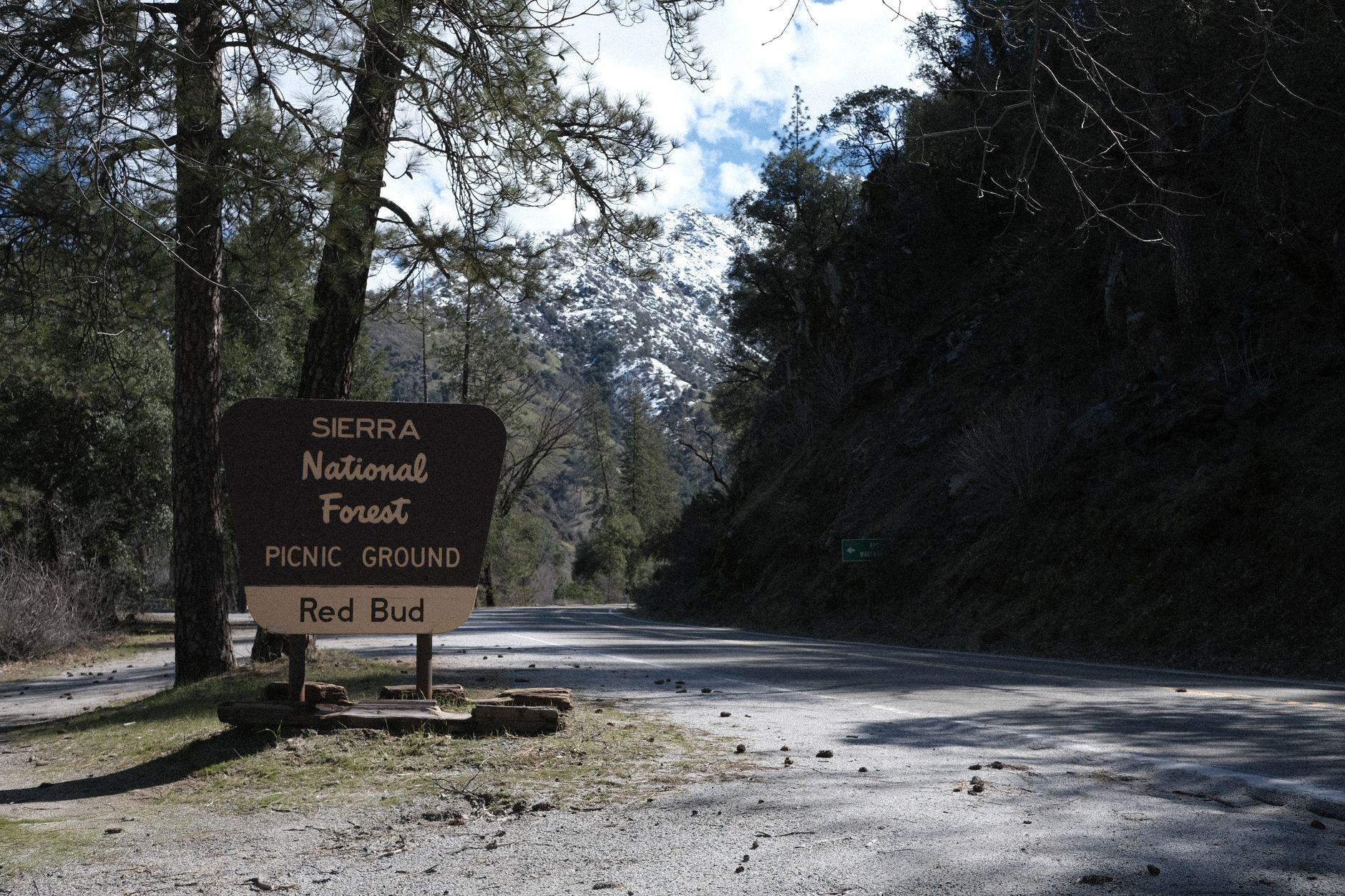
If you are unsure which you are in, the managing agency's website will tell you and so will the trailhead signage. That agency question is not incidental, because the food storage rules, the canister requirements and the dog rules are all set by whoever manages the ground, and they change at boundaries that are invisible on the trail. A canister can be mandatory in a park unit and merely recommended on the national forest it borders. Guidepole Hike carries the managing agency and its rules alongside the ownership layer, which in bear country is how you find out what is required of you before you are standing at the trailhead reading a sign.
Dogs, and why they complicate this
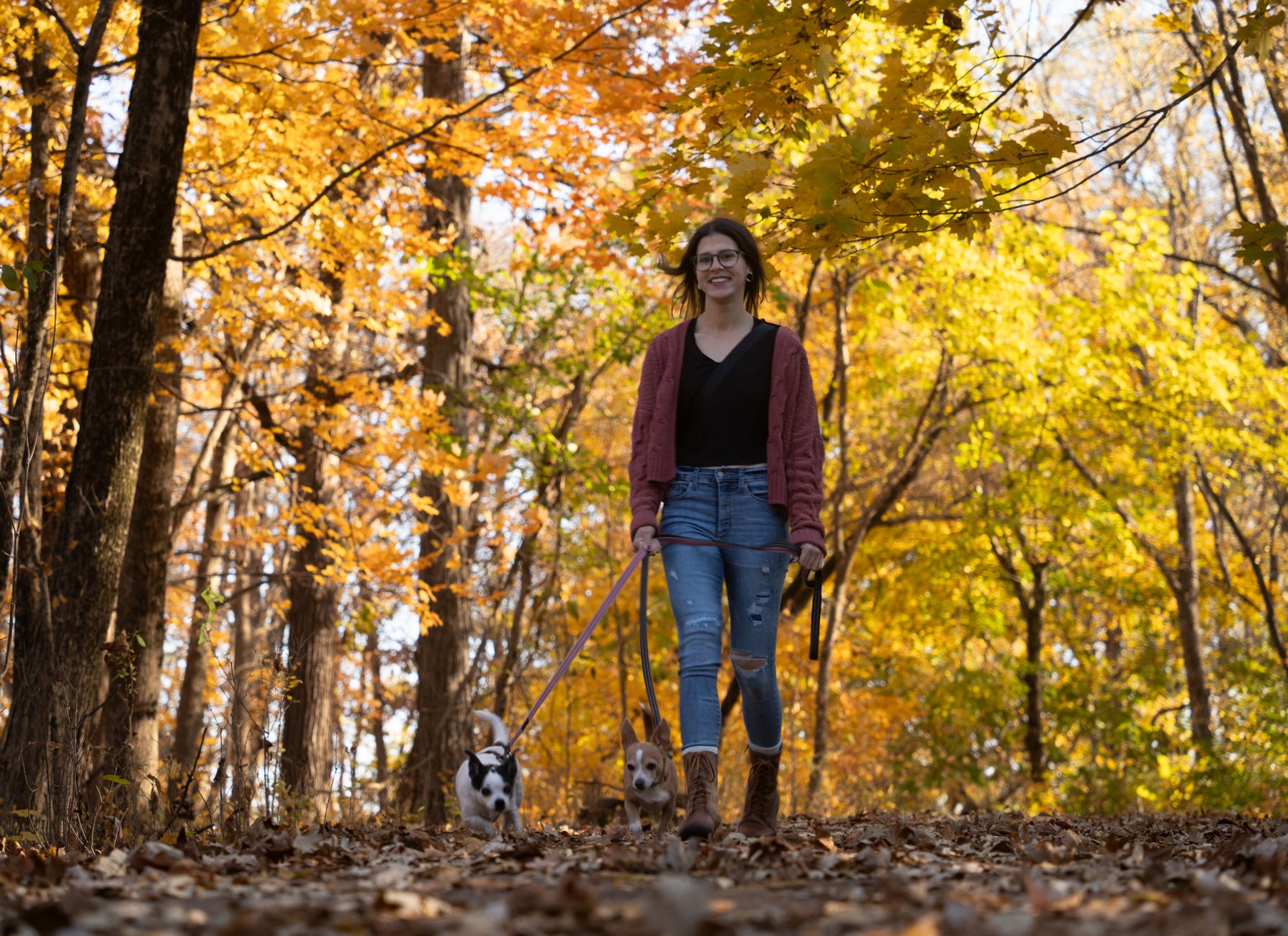
This deserves its own section because it is the most common way people escalate a bear encounter. A loose dog that finds a bear will frequently chase it, fail to intimidate it, and then run back to you, bringing the bear with it. The pattern is well documented and it converts an encounter you would never have had into one at close range with an agitated animal.
In grizzly country this is serious enough that many people simply do not bring dogs at all. Where you do, keep them leashed, which is a legal requirement in most places anyway and a practical one everywhere else. It is also part of why dogs are banned outright on most national park trails, alongside the wildlife-disturbance and scent-marking concerns.
The gear
Bear country gear is short, and the first item on it is the one that has actual evidence behind it.
Bear spray, bought or rented at your destination because it cannot be carried on a plane, and worn on a hip or chest holster rather than stowed. Spray in a pack is spray you will not reach. The field data on effectiveness is genuinely good, considerably better than firearms in the same encounters, and the reason is that it does not require accuracy under stress.
A bear-resistant food canister, which is required in a growing number of places rather than recommended, including much of the Sierra and parts of the Rockies and Cascades. Check the specific unit's rule rather than assuming.
Odor-proof bags inside the canister, which help but do not substitute for it.
A loud voice, which is the single most effective preventive measure and costs nothing. Most bad encounters are surprise encounters at close range, and talking loudly on blind corners and in brush prevents almost all of them. Bear bells are considerably less effective than a human voice.
Trekking poles, which help you look larger and give you something to hold up.
A headlamp, since dawn and dusk are the active hours in both directions.
And rope and a dry bag for a hang where canisters are not required, done properly rather than as a gesture.
Camp discipline in bear country
Day hiking is mostly about encounters. Overnight trips are mostly about food.
-
Use the triangle. Sleep, cook and store food at three separate points, ideally a hundred yards apart, with the tent upwind, because cooking smells linger on the ground and on you.
-
Everything scented goes into storage rather than just the food, meaning toothpaste, sunscreen, lip balm, deodorant, medication, trash, and the clothes you cooked in if they took a lot of splatter.
-
Canisters where required, and they are required in an increasing number of places, including much of the Sierra, the Adirondacks, and parts of Glacier and Yellowstone. Where hangs are still permitted, a proper hang is difficult to execute well and most are too low or too close to the trunk.
-
Never keep food in the tent. Not a snack, not a wrapper, not the emergency bar you forgot about.
-
Choose a camp deliberately: not on a game trail, not beside a berry patch, not near a carcass or a fresh dig, and not at a site where previous parties have obviously fed animals, because habituated bears return.
Keeping it in proportion
Bear advice can read as though the woods are dangerous, so a note on scale is fair. Bear attacks are rare. Vastly more hikers are hurt by falls, dehydration, hypothermia and the drive to the trailhead than by any animal, and in black bear country the realistic risk of a serious encounter on a day hike is very low, with the main practical concern being your food rather than your safety.
What the precautions buy you is not protection from a likely event. They buy a good outcome in an unlikely one, at almost no cost, since noise is free, group travel is pleasant anyway, and spray is a one-off purchase. The behavioral change actually worth making is around food storage, and that is less about you than about the bears, because habituation is the mechanism by which a healthy wild animal becomes a dead one and it runs entirely on human carelessness.
So work out which species you are in before you leave the car. Carry spray on your body where you can reach it in two seconds, and practice the draw. Make noise on blind corners, hike in a group where you can, and store food as though the next hiker depends on it, because they do. Then, if it happens: stop, talk calmly, get big, back away slowly, and hold your ground through a bluff charge.
And remember the one rule that changes with the animal. Defensive grizzly, play dead. Everything else, fight back.
The regions in this library where this matters most are covered in one day in Glacier National Park, the Grinnell Glacier trail, hiking Bozeman and southeast Alaska birding. The reason a dog complicates all of this is in dog-friendly trail rules by agency, and the food-storage rules vary by agency in the way described in state park versus national forest.