Fish
Fish Fire
Fire Hike
Hike Bird
Bird

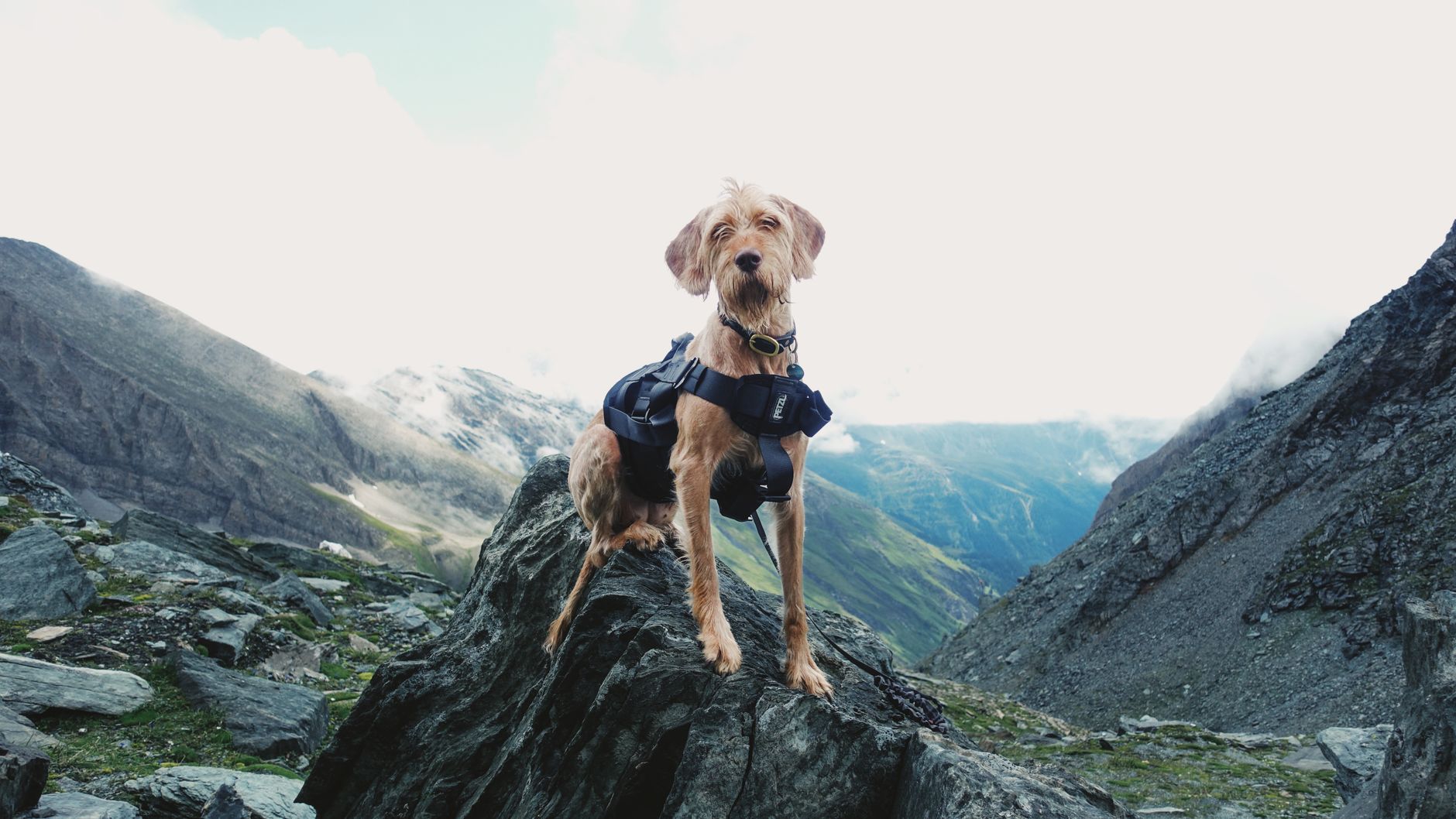

A dog that is entirely legal, off-leash, and welcome on one trail can be illegal on another trail an hour away, and there is often nothing at the trailhead to warn you.
This catches people out constantly, and it is not because the rules are arbitrary. They follow from the fact that federal land is managed by four different agencies with fundamentally different mandates, and each has written pet rules that flow from its own reason for existing.
Once you know the mandate, the rules become predictable.
Why the agencies differ
The Bureau of Land Management and the Forest Service operate under broad multiple-use mandates. Their remit covers recreation, resource extraction, grazing, watershed protection and conservation, all balanced against each other, which makes recreation a legitimate primary use of that land rather than something tolerated at the edges.
The National Park Service and the Fish and Wildlife Service are conservation agencies. The Park Service exists to preserve places and their wildlife unimpaired for future generations, and Fish and Wildlife exists to protect species and habitat. Recreation is permitted where it does not conflict with that mission, and pets frequently do conflict with it. That single distinction predicts almost everything below.
BLM land: the most permissive
The Bureau of Land Management administers roughly 245 million acres, mostly in the West, and it is the most dog-friendly public land in the country. Dogs are generally welcome across most of it, frequently under voice control rather than on leash, and the multiple-use mandate means recreation with animals is an expected activity rather than a grudging exception.
Three caveats are worth carrying. Developed recreation sites, meaning campgrounds, day-use areas and visitor centers, usually require leashes. Specific field offices issue their own orders, so a particular unit may be stricter than the general rule. And BLM land often carries active grazing, which puts livestock and livestock guardian dogs in the picture and creates a real obligation to keep your dog under control. If your priority is walking a dog off-leash on public land, BLM is where to look first.
Hiking with Your Dog in the Deschutes National ForestNational forests: usually fine, with exceptions
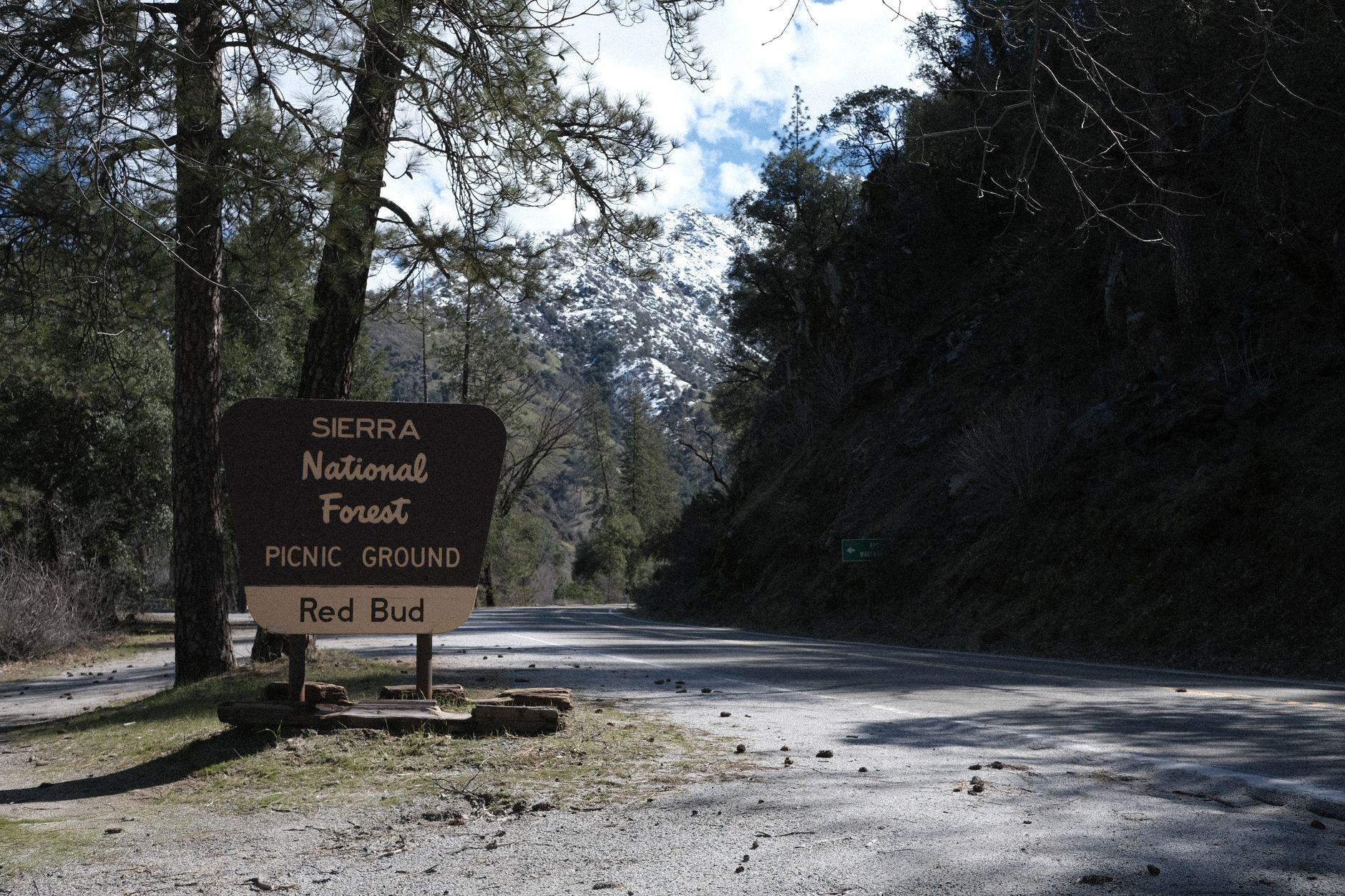
The Forest Service is the middle ground and the place where most American hiking with dogs happens. The general position is that dogs are allowed on national forest trails, often under voice control off-leash, with leashes required in developed recreation areas such as trailheads, campgrounds and picnic sites.
Two things override that general position and both are easy to miss. The first is individual Forest Orders, where a specific forest, ranger district or trail carries its own closure or restriction, posted as an order and used for seasonal wildlife protection, high-use corridors and problem areas. These have the force of regulation. The second is wilderness boundaries: most designated wilderness within national forests does allow dogs, but the rules inside can differ from the surrounding forest, and some wilderness areas impose leash requirements the forest around them does not.
The practical implication is that a trail can begin on ordinary forest land where your dog runs free and cross into a different regime a mile in, marked by nothing more than a small sign on a tree.
National parks: assume no
This is the one that surprises people, and the rule is close to universal. Off-leash hiking is prohibited at all national parks, and beyond that, dogs are typically restricted to developed areas such as campgrounds, picnic areas, paved roads and parking lots, with backcountry trails and designated wilderness inside the park almost always closed to them.
Great Smoky Mountains, the most visited park in the country, bans dogs from nearly every trail. So do Yosemite, Glacier, Mount Rainier, Olympic and the overwhelming majority of the system, with a handful of paved-path exceptions. The reasoning follows the mandate rather than any dislike of dogs: they disturb wildlife, their scent marks alter animal behavior along trails, they can carry disease, and in bear and predator country they can escalate an encounter dangerously.
There are real exceptions. Some national recreation areas, national seashores and national historic sites administered by the Park Service are considerably more permissive than the flagship parks, and Acadia is the well-known outlier among the big ones. But the default assumption for a national park trail should be no.
Refuges, state, and local land
National Wildlife Refuges exist specifically for wildlife and the pet rules reflect that. Many prohibit dogs entirely on trails, some allow them leashed on limited routes, and a few permit hunting dogs in season under specific rules. Refuges vary enormously and there is no useful general rule beyond checking before you go and expecting a no.
Below the federal level it depends entirely on where you are standing. State parks vary by state and often by individual park, with many allowing leashed dogs on trails, some banning them from certain areas, and a few proving more permissive than the federal land nearby. State trust or DNR land, which exists to generate revenue for schools and other beneficiaries, is usually permissive for dogs but carries its own access rules and often a parking pass requirement. County and city open space is frequently the most dog-oriented land of all, with designated off-leash trails and areas, and Boise's Ridge to Rivers system signs off-leash and on-leash trails individually while Seattle and Portland both maintain off-leash areas inside city parks.
Timber company and private land
One category catches people out because it is neither park nor forest. Large industrial timberland in Washington, Oregon and elsewhere is opened to recreation under permit programs, and dogs are usually welcome, but the terms belong to the company rather than an agency, and they can require leashing, restrict seasons, or close the ground entirely for logging and fire danger.
Conservation easements and land trusts vary case by case, and some prohibit dogs outright as a condition of the access agreement. The common thread across all of these is that this is conditional access granted by an owner, and the conditions are specific and revocable. Read them rather than assuming the federal hierarchy applies.
The gear
Hiking with a dog is mostly about carrying for two, and about one habit that is not equipment at all.
A collapsible bowl and water carried specifically for the dog, which is the item people most often get wrong. A dog cannot tell you it is overheating until it is well past the point of being able to cool down, and dogs cool almost entirely by panting rather than sweating.
A six-foot leash, which is the length most agencies actually specify. Longer leads are prohibited on a surprising amount of federal land, and a retractable lead counts as a long lead when it is extended.
Dog boots, introduced at home first, because a dog that has never worn them will not walk in them for the first time on a trail with cut pads.
Waste bags plus a sealed container to carry them out in, since the bag left at the trail junction to collect on the way back is the single most common and most visible failure in dog hiking.
Tick and flea prevention, kept current.
A reliable recall, which is genuinely the most important item on this list. Almost every rule restricting dogs exists because of dogs that would not come back, and a dog with a solid recall is welcome in far more places than one without.
And dog-specific first aid items, particularly tweezers, a tick tool and something to bandage a pad with.
Wildlife, and why the rules exist
It is easy to read pet restrictions as bureaucratic fussiness, and the reasoning is more concrete than that. Scent changes animal behavior, because dogs are predators and they smell like predators, so wildlife alters its movement and feeding patterns along trails where dogs travel regularly, which shrinks usable habitat well beyond the trail corridor itself.
Chasing carries real energetic costs on top of that. An elk or deer forced to flee in winter is burning reserves it cannot replace, and repeated disturbance during calving, nesting or hard weather kills animals that would otherwise survive. Ground-nesting birds are especially vulnerable, since a dog quartering through vegetation destroys nests it never notices. Disease transmission runs both ways between domestic dogs and wild canids. And in predator country a dog can escalate an encounter by chasing a bear or a cougar and then returning to you with it.
None of that means dogs should not hike. It explains why the agencies whose entire purpose is wildlife conservation land in a different place from the agencies balancing multiple uses.
How to Take Pets on National Park TrailsEtiquette, and looking after the dog
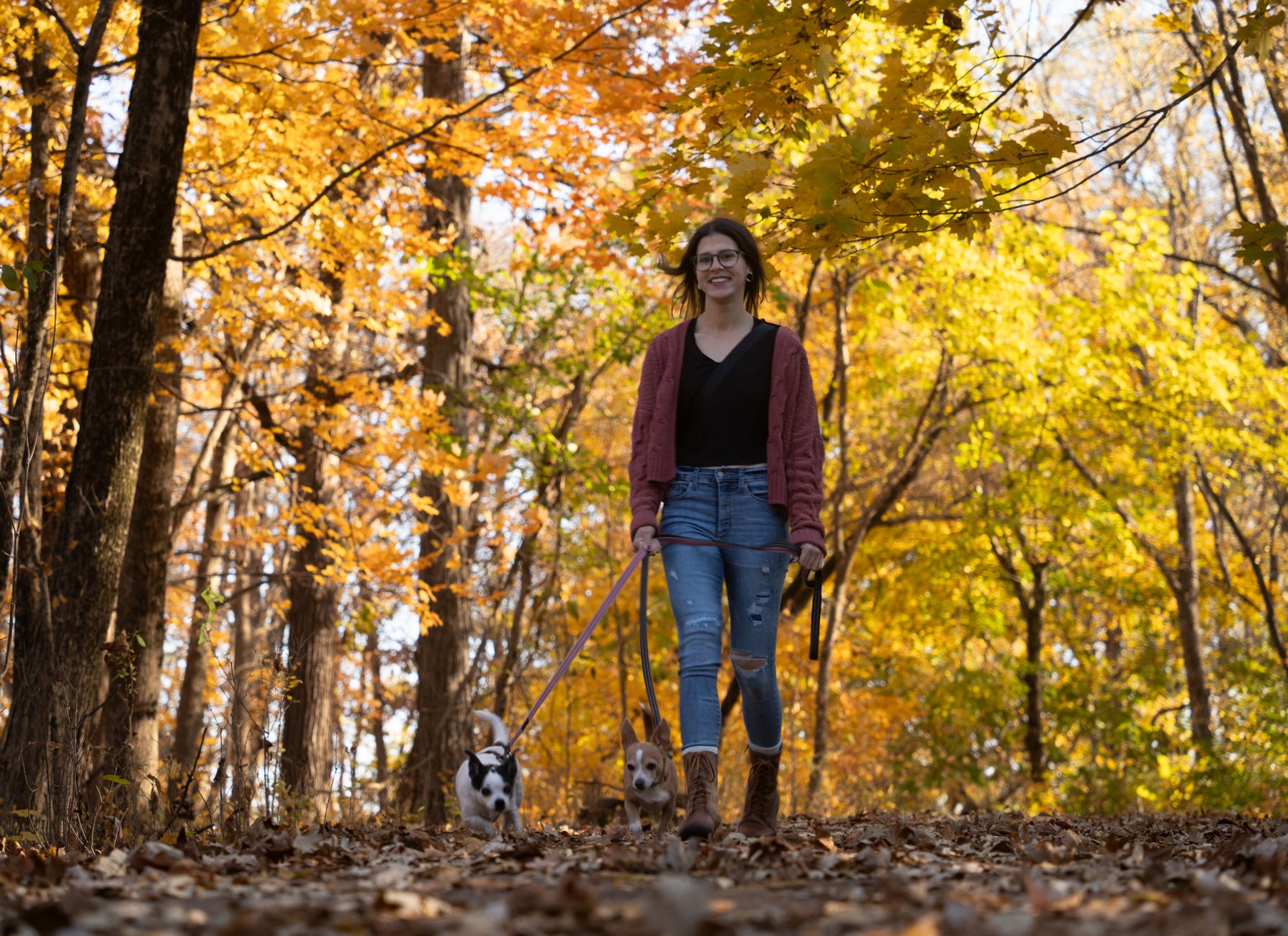
The rules cover legality. Etiquette covers whether other people enjoy sharing a trail with you, and it is where most friction comes from. Leash up when passing regardless of what the regulations permit, because a loose dog approaching a stranger is the single most common complaint about dogs on trails, and step off and hold rather than expecting others to navigate around you, keeping the dog on the downhill side where you can. Horses and pack stock have absolute right of way and dogs spook them badly, so get well off the trail, hold the dog close and speak so the rider knows you are there. Do not let a dog approach other dogs uninvited, on-leash or off, because you do not know their history, and control barking near camp, since sound carries enormously in valleys.
Underneath the etiquette sits an honest question about recall. Most people believe their dog is under voice control and a fair proportion are wrong. The test is whether it returns first time, every time, with a deer in view, rather than whether it usually comes when nothing else is happening. Pack out waste as well, all of it, including on trails where it feels absurd, because dog waste is not equivalent to wildlife waste: it introduces nutrients and pathogens from an outside food source and at trail densities it accumulates visibly.
Then there is the dog's own welfare, where three things get underestimated. Dogs cool inefficiently, panting rather than sweating, so on an exposed climb in summer they overheat faster than you do, and heat stroke on trails is common and it kills, which means carrying water for them explicitly and turning around earlier than you would alone. Paws take real damage on granite, scree, hot sand and lava rock, and on ice and packed snow, so check them and consider boots for rough terrain, introduced at home rather than at the trailhead. And water sources carry giardia while dogs drink from everything, which they can then bring home to you. The general point is that a dog will keep going past the point of harm because you asked it to.
The checking routine
The hierarchy is a starting point rather than an answer. BLM means usually yes and often off-leash. National forest means usually yes, with orders and wilderness boundaries to check. State and local varies, and city open space is often the best of the lot. National park means assume no, and wildlife refuge means assume no. Then check the specific unit rather than trusting the hierarchy, because the exceptions are real and the trailhead sign wins.
Before you drive anywhere with a dog, run through five things.
-
Identify the managing agency for that specific trail rather than the region. This is the whole game, and it is the same question as working out whether a trail is public at all.
-
Check the agency's page for that unit rather than a general policy page, because Forest Orders and park-specific rules live at the unit level.
-
Check whether a wilderness boundary crosses your route, and whether the rules change at it.
-
Check seasonal closures, since wildlife protection closures for winter range, nesting and calving frequently include or specifically target dogs.
-
Read the trailhead sign and take it seriously even where it contradicts what you found online, because it may reflect a newer order.
The first of those is the one that takes the longest by hand, since it means working out which agency owns a given piece of ground and then finding that unit's current orders. Guidepole Hike carries the managing agency and the ownership boundary under the trail, so the question of whose rules apply, and where along the route they change, is visible on the map rather than assembled from four agency websites the night before.
Because the boundary between a trail where your dog is welcome and one where it is illegal is frequently invisible on the ground. Ten minutes before you drive is the difference between a good day and a citation.
The agency distinctions that govern all of this are in state park versus national forest and state natural areas explained. The state-by-state detail is in dogs in state parks, and the access question underneath it is in is that trail public. Why a dog complicates a bear encounter is covered in hiking in bear country, and the wildlife reasoning behind the restrictions is the same one described in nesting and seasonal closures explained.