Fish
Fish Fire
Fire Hike
Hike Bird
Bird

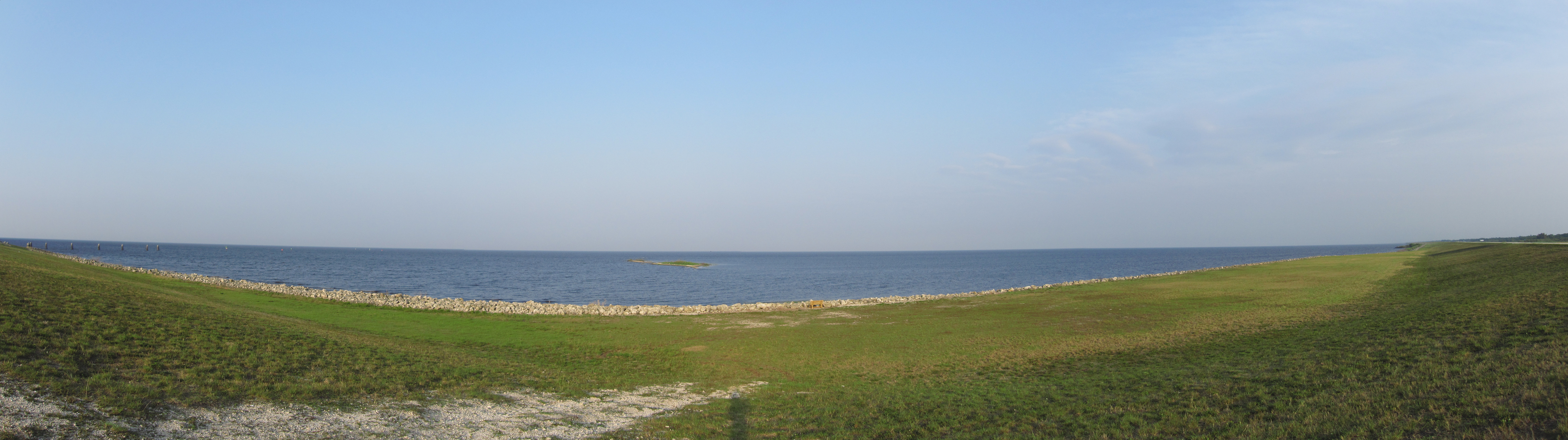

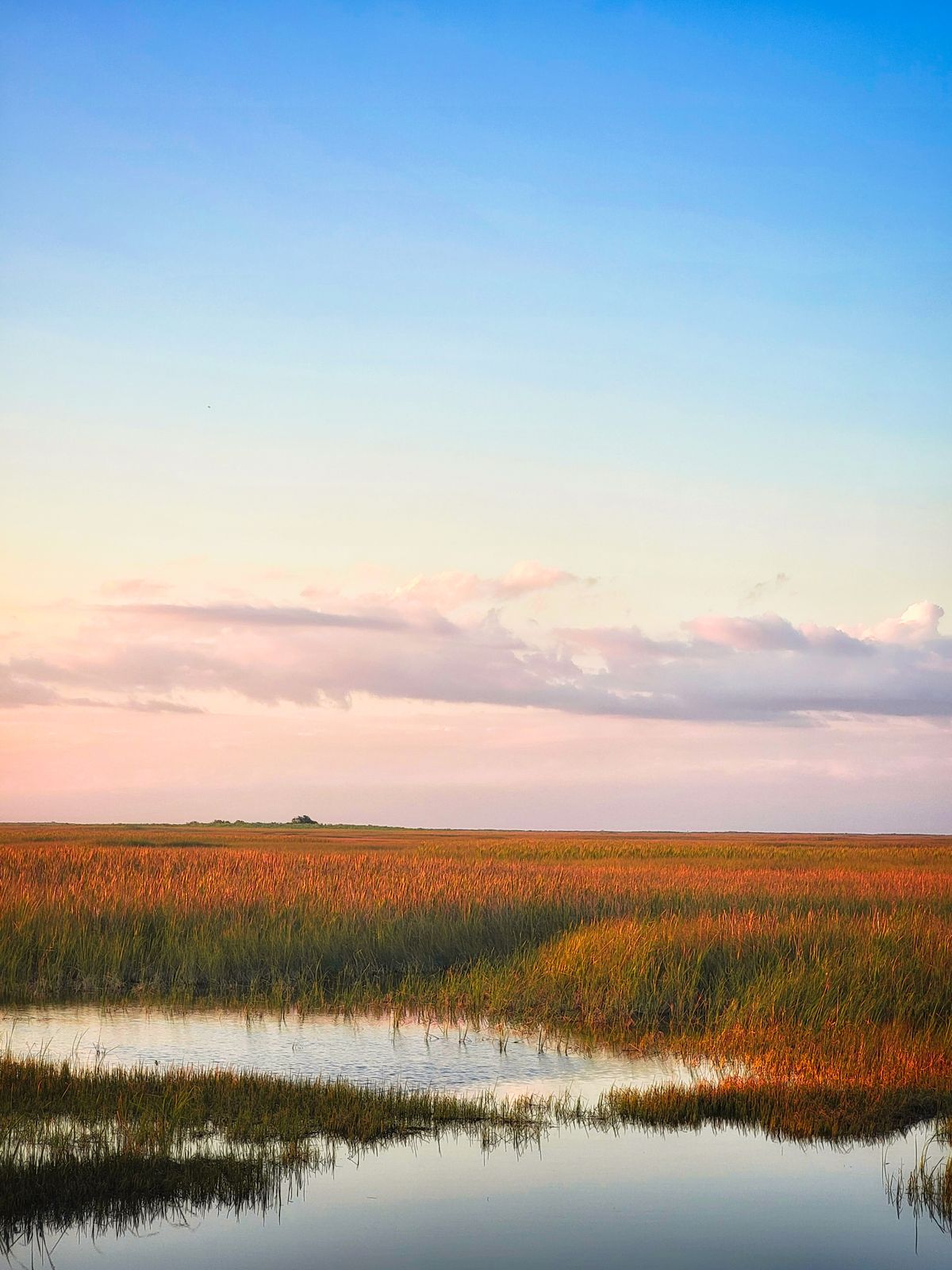
Lake Okeechobee, "the Big O", is the largest lake in Florida and one of the largest freshwater lakes entirely within the United States, a shallow, 730-square-mile inland sea of grass sprawling across the heart of South Florida. Average depth barely reaches nine feet, and the whole vast basin is a maze of hydrilla, eelgrass, lily pads, pencil reeds, cattails, and hyacinth, cover that makes it, quite simply, one of the greatest trophy largemouth bass fisheries on the planet. But the Big O is far more than a bass lake: its warm, fertile water grows giant crappie, slab bluegill and shellcracker, and hard-pulling catfish. This whole-lake guide covers what swims in the grass, where to find it, and how to catch it, from the trophy bass of the pads to the winter speck bonanza.
The Big O: An Inland Sea of Grass
To understand Okeechobee, you have to understand its scale and its shallowness. It's so big you can lose sight of land, yet so shallow that vegetation grows almost everywhere, and that combination, enormous, warm, shallow, and choked with fishy grass, is exactly what makes it so productive. The lake is ringed by the Herbert Hoover Dike and a rim canal, dotted with famous areas like the Monkey Box, Observation Shoal, King's Bar, and the reed-lined shorelines off Clewiston, Okeechobee, Belle Glade, and Pahokee. Vegetation is the whole game here: find the right grass, in the right water, and you find the fish. Learn to read it and the Big O opens up; ignore it and its sheer size will swallow you.
Trophy Largemouth Bass: The Main Event
Okeechobee is, above all, a largemouth bass factory, and it's famous for numbers and size. Fueled by the fast-growing Florida-strain largemouth and a year-round growing season, the lake produces double-digit bass every season and can give up dozens of fish in a day when it's right. Anglers flip and pitch soft plastics and creature baits into the thick cover, throw lipless crankbaits and swim jigs over the grass flats, buzz frogs across the pads, and work the outside grass edges. It's a bucket-list bass destination that draws tournament pros and first-timers alike, and on a good winter day the Big O can serve up the kind of bass fishing anglers dream about all year.
Largemouth Bass Fishing TechniquesFishing the Grass: Where the Bass Live
The key to Okeechobee bass is the vegetation, and each type of cover holds fish in its own way. Anglers punch heavy weights through matted hydrilla and hyacinth to reach bass hiding in the shade beneath, flip the pencil reeds and cattails along the shorelines, work frogs and toads over the lily pads, and burn moving baits across the submerged eelgrass and hydrilla edges. Water clarity, wind, and the health of the grass all shift where the fish set up from week to week, which is why local knowledge matters so much here. The reward for cracking the pattern is bites from big, healthy fish in cover so thick it feels like you're fishing a flooded prairie, an experience unique to lakes like this one. A useful rule of thumb: in cold water look for the thickest, warmest cover and slow way down; in warm water fan-cast the outside grass lines and moving water where bait and oxygen concentrate the fish. And always pay attention to the little details, a slightly deeper hole in the grass, an isolated reed clump, a subtle current line, because on a lake this uniform, those small differences are where the biggest bass set up.
Wild Shiners and the Trophy Hunt
For anglers whose single goal is a true giant, Okeechobee's time-honored method is the wild shiner. Free-lining or float-fishing a big live golden shiner around the outside grass edges and holes in the vegetation is the surest way to tempt a double-digit trophy, and guides across the lake specialize in putting clients on the biggest bass this way. It's a patient, exciting style, watching a cork slide under and then hang on as a heavy fish surges into the grass. Whether you throw artificials for numbers and the thrill of the strike or soak shiners for the fish of a lifetime, Okeechobee gives you both paths to the same green, gold-flanked prize.
A Bass Lake Like No Other
Okeechobee's reputation isn't just talk, it's earned on the biggest stages in the sport. The Big O regularly hosts major national bass tournaments, and its ability to give up giant limits under a spotlight has made it one of the most famous competitive fisheries in the country. But the same qualities that thrill the pros make it welcoming to everyone: there's so much water and so much cover that anglers spread out, and a first-timer flipping a quiet stretch of reeds can catch the fish of their life a mile from the nearest boat. The lake fishes big, but it fishes generous. Few places reward both the tournament veteran running trolling-motor circles around a hydrilla edge and the retiree soaking a shiner off a fish-camp dock, and Okeechobee does both, on the same day, in the same grass. That rare combination of world-class ceiling and beginner-friendly accessibility is exactly why the Big O sits on so many anglers' bucket lists.
Black Crappie: The Winter Speck Bonanza
When the weather cools, Okeechobee turns into one of the South's great black crappie lakes, "specks," as Floridians call them. From November through February the crappie school up in huge numbers, and anglers catch them by the cooler-full, drifting or trolling small jigs and minnows across the open water and picking them out of the grass on the main lake. The speck fishing here is legendary for both quantity and quality, and the cool, comfortable winter weather makes it some of the most pleasant fishing of the year. For families and anglers who love to fill a fish fry, the winter speck run on the Big O is hard to beat, and it runs right alongside the peak trophy-bass season.
Catching Crappie and PanfishBluegill and Shellcracker: Summer Bream
When the bass and crappie fishing slows in the heat, the Big O's panfish take over. Bluegill and shellcracker (redear sunfish) provide incredible light-tackle action through the summer months, especially around the spawning "beds" they fan out in the shallows on the full moons. Anglers catch them on crickets, worms, and small jigs around the reeds and grass, and a good bream bed can produce fast, nonstop action and a delicious mess of fillets. Bream fishing is the perfect way to introduce kids and beginners to the lake, simple, active, and rewarding, and the Big O's warm, fertile water grows them big, thick, and plentiful all summer long.
Catfish and the Rest
Rounding out Okeechobee's menu are its catfish and its oddities. Channel catfish and other cats are abundant, caught on cut bait, worms, and stinkbait around the rim canal and open water, and they support both a fun rod-and-reel fishery and a commercial one. Prehistoric-looking bowfin (mudfish) and Florida gar lurk in the grass and hammer baits meant for bass, giving anglers a hard, toothy surprise. Exotic species and the occasional oddball turn up too, in a lake this big and this fertile. It all adds up to a fishery with something biting in every season, for every angler, on every kind of tackle, which is a big part of the Big O's enduring appeal.
The Rim Canal and the Ports
Access to Okeechobee runs through the towns and the rim canal that circle it. Clewiston, "the sweetest town in America," in the heart of sugar country, is a major hub on the south shore, along with Belle Glade and Pahokee to the southeast. The city of Okeechobee anchors the north shore, and Moore Haven sits on the west. The rim canal, a navigable channel running inside the dike around much of the lake, connects the ports and offers protected fishing and safe passage when the main lake is too rough. Numerous ramps, fish camps, and marinas ring the lake, and because Okeechobee is so vast, planning your launch near the water you want to fish, and knowing how to get back to it through the grass, is essential.
Reading Okeechobee: Water Levels and Wind
Two forces rule fishing on the Big O: water level and wind. Because the lake is so shallow, its level, managed for flood control and swinging with rainfall and drought, dramatically changes where the grass grows and where the fish live from year to year; a high-water or low-water period can reshape the whole fishery. And because it's so large and shallow, wind builds steep, dangerous waves fast and stirs the water to mud, shutting down areas and turning navigation treacherous. Smart anglers check the current lake level, watch the wind forecast obsessively, use the rim canal when the main lake is angry, and never underestimate how quickly this shallow inland sea can turn hazardous. The flip side is that these same forces create the fishery: the shallow, sun-warmed water and the constantly shifting grass are precisely what grow so many big fish so fast. An angler who learns to read the level and the wind, fishing new grass as the water rises, chasing fish to the deeper edges as it drops, and following the calm, protected water on a windy day, turns the lake's biggest challenges into a road map straight to the fish.
When to Go
- Winter (December–February): Peak trophy bass during the pre-spawn and spawn, plus the height of the crappie (speck) run, the Big O's prime season, with comfortable weather.
- Spring (March–May): Excellent post-spawn bass fishing on the grass edges as fish feed up; bream begin bedding.
- Summer (June–August): Slower bass in the heat, but outstanding bluegill and shellcracker action and steady catfishing.
- Fall (September–November): Cooling water reignites the bass bite and the crappie start schooling up on the main lake toward winter.
Licenses (Florida)
A Florida freshwater fishing license is required for most anglers 16 and older to fish Lake Okeechobee, available online, by phone, or from local retailers, with short-term options for visitors. Largemouth bass, crappie, panfish, and catfish all carry Florida's statewide freshwater regulations, bag and size limits, and some special rules, that can change over time, so always check the current Florida Fish and Wildlife Conservation Commission (FWC) regulations before you keep a fish. The lake's trophy bass fishery in particular thrives on catch-and-release, so consider photographing and releasing the big females that make Okeechobee famous, and help keep the Big O producing giants for the next angler.
A Beginner's First Trip
The easiest way onto Okeechobee is with a guide, the lake is enormous, the grass is a maze, and a local captain shortcuts years of learning by putting you straight on fish. A winter trip can chase both trophy bass on shiners and coolers of crappie, and a summer trip can load the boat with bream. If you're going it alone, launch near a fish camp, stay close to the rim canal and the reachable grass edges until you learn the lake, and keep a constant eye on the wind. However you start, the Big O rewards anglers who respect its scale, wear a life jacket, tell someone your plan, and let Okeechobee's incredible fishery do the rest.
Tackle and Gear
For the bass, a heavy flipping stick with braided line, punch weights, soft-plastic creatures, frogs, and swim jigs is the core Okeechobee kit for fishing the thick grass, plus a rod for lipless crankbaits and swimbaits on the edges. Trophy hunters add a shiner rod, a stout rod, float, and big live golden shiners. For crappie, light spinning gear with small jigs and minnows and a trolling setup covers the winter specks. A cane pole or light rod with crickets and worms handles the summer bream, and a medium rod with cut bait takes the catfish. A shallow-running bass boat or mud-motor rig and a good trolling motor help you work the grass, and a life jacket and weather awareness are simply essential on this big, shallow lake.
From the trophy largemouth of the pads to the winter speck bonanza and the summer bream beds, Lake Okeechobee packs a lifetime of fishing into one shallow, grass-filled inland sea. Flip a frog across the lily pads for a double-digit bass, soak a wild shiner for the fish of a lifetime, or fill a cooler with cool-weather crappie, check the current Florida FWC rules, respect the wind and the water level, and fish the greatest of Florida's great bass lakes, a place where a beginner and a pro can both have the day of their lives in the same stretch of grass. It sits at the heart of the same South Florida water we explore in our other Sunshine State how-to guides, and it flows south into the Everglades that define the region.