Fish
Fish Fire
Fire Hike
Hike Bird
Bird

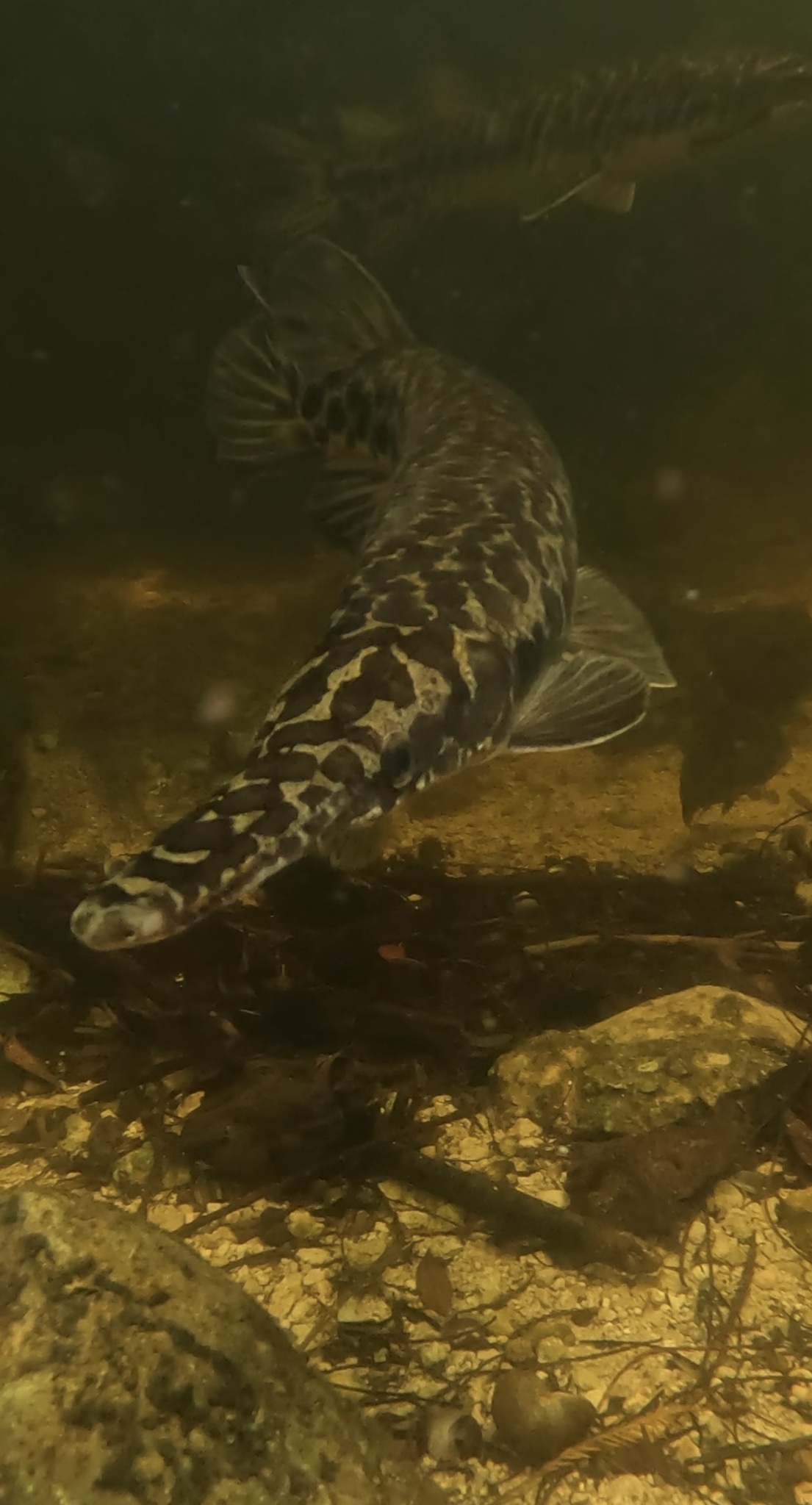
The Florida gar is the prehistoric predator that seemingly every canal, lake, and slough in the Sunshine State is full of. Splashed with bold, leopard-like dark spots over an olive-bronze body, it's a beautiful, hardy, wildly abundant fish, and for anglers cruising Florida's endless network of canals and lakes, it's one of the most reliable, accessible, and fun fish to catch. If you've ever seen long, spotted shapes finning near the surface of a South Florida canal, you've seen Florida gar.
Like every gar, it comes with the classic puzzle: that long, bony, toothy beak is nearly impossible to sink a hook into, a problem solved beautifully by the famous frayed-rope lure that needs no hook at all. This guide covers everything: identifying a Florida gar, the rope trick, the best live baits and rigs, canal and topwater tactics, fly fishing, where and when to find them, and how to handle these gorgeous little dinosaurs.
How to Catch Gar - Fishing TipsMeet the Florida Gar
The Florida gar (Lepisosteus platyrhincus) is a small-to-medium gar named for its home range, covered, like its close cousin the spotted gar, in bold, roundish dark spots across the body, head, and fins. Its snout is of medium length: shorter and broader than the longnose gar's pencil-thin beak, and far slimmer than the alligator gar's massive jaws. Like all gar it's a long, cylindrical fish clad in tough, interlocking, diamond-shaped ganoid scales.
Key facts:
- Size: commonly 1 to 2.5 feet and a pound or two; a big one nears 3 feet. It's a very manageable gar on light tackle.
- Air-breathing: like its relatives, the Florida gar gulps air with a lung-like swim bladder, letting it thrive in warm, weedy, low-oxygen canals and sloughs, and finning or rolling at the surface is a great way to spot them.
- Habitat: it's the quintessential fish of Florida's canals, lakes, sloughs, ponds, and slow streams, especially weedy, quiet, warm water. It's astonishingly abundant across much of peninsular Florida.
- Range: peninsular Florida and a bit of southern Georgia, a limited natural range that makes it a true Florida specialty.
- Ambush predator: it hangs motionless like a floating stick among the weeds and along canal edges, then grabs small fish and invertebrates with a lightning sideways snap.
That combination, beautiful, everywhere in Florida, willing, and small enough to be pure fun, makes the Florida gar a favorite of canal-bank anglers, kids, and anyone who wants to tangle with a prehistoric fish on light gear.
The Rope Lure: Catch Gar Without a Hook
The most effective and entertaining way to catch any gar, Florida included, uses no hook at all, just a lure of frayed nylon rope. When a gar bites the rope, its many tiny backward-slanting teeth tangle in the nylon fibers and it stays stuck as you reel it in. It completely solves the gar's un-hookable beak problem, and it's gentle on the fish since there's no hook to remove.
Gar Fishing With Rope! No Hook Needed!To make and use one:
- Cut a 4-6 inch piece of white or light nylon rope, untwist it, and comb it into a fluffy tangle of fine fibers.
- Attach it to your line, fold it over the line and cinch the middle, letting the ends fray out, adding a small weight for casting if needed.
- Cast to gar you can see finning near the surface, and twitch it slowly like a struggling minnow.
- Do not set the hook when a gar bites, there isn't one. Give it several seconds to chew and tangle, then reel steadily.
- Land the fish, work the teeth free with pliers, re-fluff the rope, and go again.
In Florida's clear canals where you can watch gar hang near the surface, the rope lure is deadly and a total blast.
Best Live Baits and Rigs
Florida gar are fish-eaters, so live and cut bait works well when you'd rather use hooks. The go-to is a lively shiner, minnow, or small cut fish fished under a float so it rides in the upper water column where gar cruise.
Catching a Giant Florida Gar on Live BaitRigging and technique:
- Float rig: a small bobber suspending a live shiner near weed edges, canal banks, and openings, the classic Florida-gar setup.
- Leader: use a heavy fluorocarbon or light wire leader (30-50 lb) to survive the teeth.
- Hooks: small, very sharp hooks, or a treble at the tail of the bait, to catch the few soft spots at the corners and rear of that bony jaw.
- The hookset: as with all gar, wait. Let the gar grab the bait, carry it, and turn it head-first to swallow (often 15-30 seconds) before coming tight with a slow, steady pull instead of a hard snap. Set too soon and you'll pull the bait right out.
Florida gar are constantly caught by accident by anglers targeting bass, peacock bass, and panfish with live shiners, proof of how readily they'll take a well-placed bait.
Canal and Topwater Tactics
Florida's canals are gar factories, and fishing them is often a visual, run-and-gun game. Cruise or walk the banks looking for gar finning near the surface, then present a rope lure, floated shiner, or small lure right to a fish you can see. Florida gar will also chase and slash at artificial lures, small walking baits, spinners, spoons, and shallow jerkbaits worked erratically like a fleeing baitfish draw aggressive swipes.
Bullseye Snakehead and Florida Gar: Tips, Lures & Techniques for Canal FishingThe usual caveat applies, many gar will slash a lure and miss, or fail to get hooks into that bony mouth, so expect misses and repeat casts. Extra-sharp trebles or a small tuft of frayed rope added to the back of a lure improve your hookup odds. Bright, flashy presentations worked along canal edges and weed lines on warm days are the ticket, and gar often share the same canals as bass, peacock bass, and snakehead, so you may catch a mixed bag.
Fishing Aggressive Gar Using Topwater BaitsBecause Florida gar feed up near the surface, topwater is especially exciting for them, a walking bait or popper twitched past a finning fish can trigger a savage, splashy surface strike. Work topwaters slowly and be ready to keep the lure moving through a miss, as gar will often come back for a second and third swipe.
One of the real joys of Florida gar fishing is how visual it is. In the clear water of many canals you can spot your fish before you cast, a long, spotted shape hanging motionless a foot under the surface, or the telltale swirl as a gar rolls to gulp air. This turns bank-fishing a canal into a stalking, sight-casting game: ease along the edge with polarized glasses, pick out a fish, and drop a rope lure, shiner, or fly a couple of feet ahead of it, then work your offering slowly into its path. Gar have sharp eyesight and will often turn and track a good presentation, giving you the heart-stopping sight of the fish following and then slashing. It's an addictive, interactive way to fish that Florida's endless canals make available to anyone with a rod and a bank to walk.
Fly Fishing for Florida Gar
Florida gar are a fun and popular fly-rod target in South Florida, willing to chase a stripped streamer in the clear canal water. Many gar fly anglers use a rope fly, a fly tied from frayed nylon, so the teeth tangle, sidestepping the hookset problem entirely.
Gar on the Fly: Fly Fishing in South FloridaUse a 6-8 weight rod with a wire or heavy mono leader, cast to visible gar finning along canal banks, and strip the fly like a fleeing minnow. Whether they tangle in a rope fly or you give them time to turn a conventional streamer, a hooked Florida gar on a fly rod is a lively, jumping, thoroughly enjoyable fight, and a staple of the South Florida urban-canal fly scene.
Where and When to Find Florida Gar
Location: Florida gar are everywhere in the right water, target the canals, lakes, sloughs, ponds, and slow streams of peninsular Florida, especially warm, weedy, quiet spots. They relate to cover, hanging around weed beds, canal banks, culverts, and vegetation edges where they ambush prey. Watch for gar finning and basking at the surface, which makes them easy to locate and sight-fish. The South Florida canal network, the Everglades and its water-management canals, and countless Florida lakes are all loaded with them.
Timing: Florida's warm climate means gar fishing is good nearly year-round, but the warm months are best. Florida gar feed most actively in warm water, so spring through fall, and warm winter days, are all productive, with the heat of the day and calm conditions ideal for spotting finning fish. Around the spring spawn they gather in shallow, weedy areas in numbers. Only during genuine winter cold snaps do they slow noticeably.
Florida Gar vs. Spotted Gar and Other Look-Alikes
The Florida gar's near-twin is the spotted gar, both wear the same leopard-spot pattern, and they're genuinely hard to separate on looks alone. The technical difference is the length of the bony plate on the underside of the head (shorter in the Florida gar), but the practical answer for almost every angler is geography: within peninsular Florida, a spotted-looking gar is a Florida gar, since the two species barely overlap. Spotted gar dominate the central and Gulf states to the north and west; Florida gar own peninsular Florida.
Distinguishing a Florida gar from the other gars is easier. The longnose gar has a dramatically longer, thinner, pencil-like beak. The alligator gar is far larger, with a short but very broad, alligator-like snout and a double row of upper teeth, and although alligator gar are rare in Florida, knowing the difference matters because they're regulated far more strictly. If your Florida catch is a heavily-spotted, medium-snouted, modestly-sized gar, it's a Florida gar.
Seasonal Patterns
Thanks to Florida's warm, subtropical climate, Florida gar are catchable nearly year-round, one of the great things about targeting them. That said, activity still tracks temperature. Through the long spring, summer, and fall, Florida gar feed hard in the warm water, finning and basking near the surface and readily hitting rope lures, shiners, small lures, and flies along canal edges and weed lines. Around the spring spawn they gather in shallow, weedy, flooded areas in real numbers, offering some of the fastest fishing of the year. Even in winter, warm sunny days keep gar active and finning, and only genuine cold snaps slow them noticeably, after which they bounce right back as the water warms. For the best action, fish the warm, calm, sunny parts of the day when gar are up and visible.
A Florida Icon Worth Respecting
The Florida gar is as much a part of the state's freshwater identity as the largemouth bass or the alligator, and like all gar it deserves better than its old "trash fish" reputation. It's a native, ecologically important predator that helps keep prey-fish populations in balance, and its air-breathing toughness lets it thrive in the warm, weedy, oxygen-poor canals and sloughs that define so much of Florida's water. Its abundance is a feature, not a nuisance, it means there's almost always a gar within casting range, which makes it a fantastic species for kids, beginners, and anyone wanting light-tackle action. Handle them carefully, respect local regulations, release what you don't use, and appreciate the Florida gar for what it is: a beautiful, accessible, living-fossil predator that turns any Florida canal into a window on the age of dinosaurs.
Handling and Eating Florida Gar
Handle any gar carefully, those teeth are sharp, so keep fingers clear of the beak and use pliers to free lures or rope. Florida gar are edible, with firm, white, mild meat, though they're on the smaller side and yield less than a longnose or alligator gar. Cleaning means getting through the armored scales with tin snips or heavy shears to peel the hide and expose the backstraps. One firm rule for all gar: the meat is fine to eat, but gar eggs (roe) are toxic, never eat them.
Go Chase Some Canal Dinosaurs
The Florida gar is the perfect gateway to gar fishing: gorgeous, incredibly abundant across the state, willing to hit rope lures, shiners, small lures, and flies, and small enough to be pure fun on light gear. Find some finning in a warm, weedy canal on a sunny afternoon, tie on a frayed rope lure or float a lively shiner, and enjoy tangling with one of the prettiest, and most accessible, living fossils in North America.
For its relatives, see our guides to the very similar spotted gar, the needle-jawed longnose gar, and the giant alligator gar.
Between Florida's public canal banks, boat ramps, and the levee roads along the Everglades water-management canals, there's more gar water within reach than you could fish in a lifetime, so scout a warm, weedy stretch near you, watch for those spotted shapes finning on the surface, and go get on some fast.