Fish
Fish Fire
Fire Hike
Hike Bird
Bird

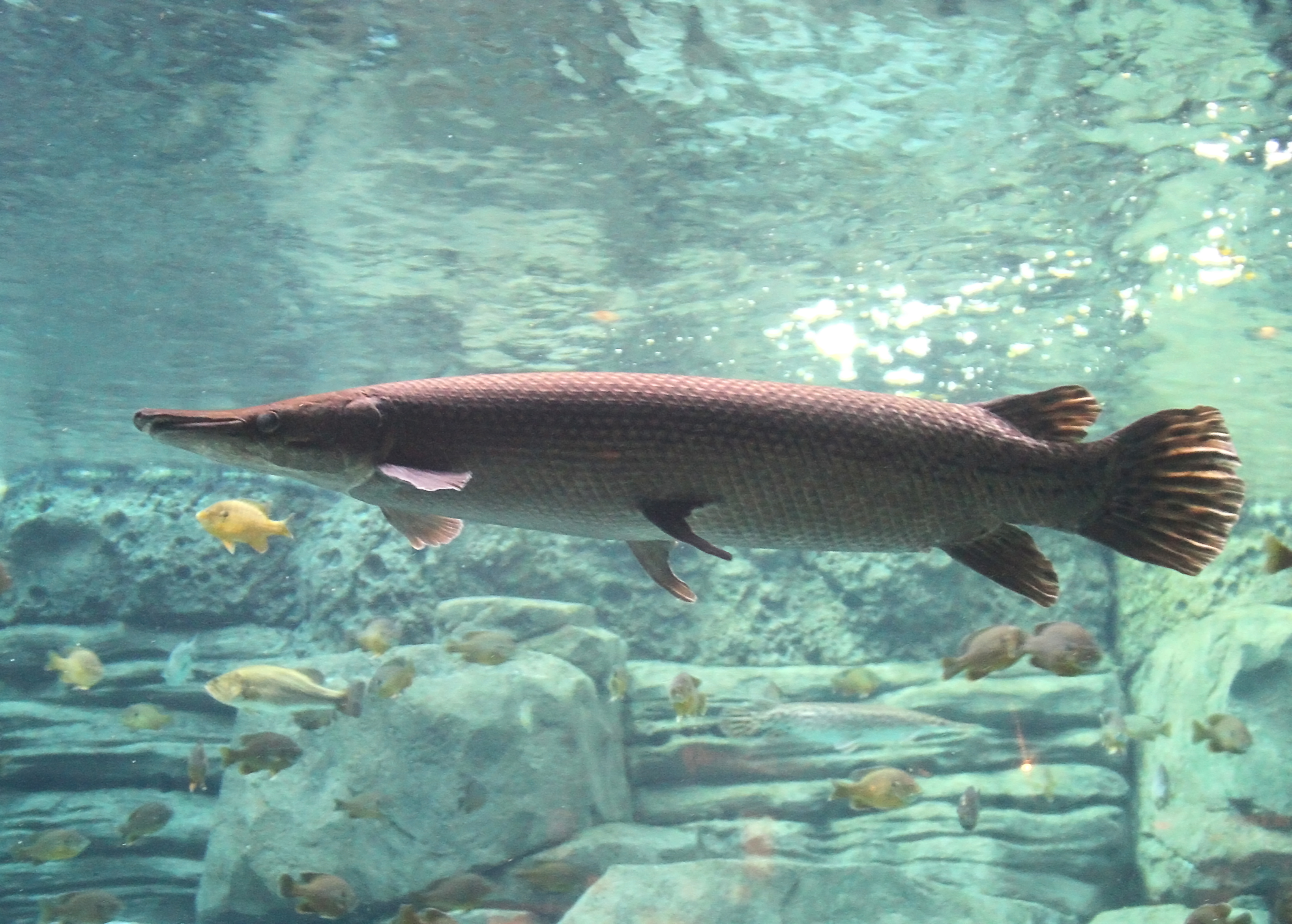

The alligator gar is the closest thing North America has to a freshwater sea monster. It's the largest fish in most of the rivers it swims, a broad-snouted, armor-plated predator that can top 8 feet and 300 pounds, has been swimming essentially unchanged since the age of dinosaurs, and looks, with its wide, toothy, alligator-like jaws, like it belongs in a prehistoric swamp. For anglers who want to tangle with a true giant without leaving fresh water, nothing else in the Lower 48 compares.
Catching one is a genuine big-game pursuit: heavy tackle, big baits, patience, and a real plan for fighting, landing, and releasing a fish that may be older than you are. This guide covers everything, the gear and rigs that hold up to a gator gar, the best baits and locations, the crucial hookset, how to fight and safely handle a giant, and the conservation ethics that every gar angler needs to understand, because these fish are as fragile in population as they are formidable on the line.
The Ultimate Guide to Catching Alligator GarMeet the Alligator Gar
The alligator gar (Atractosteus spatula) is the giant of the gar family and one of the largest freshwater fishes in North America. It's named for its broad, short, alligator-like snout armed with two rows of large teeth (unlike the single row and long thin beak of the longnose gar). Its long, torpedo-shaped body is sheathed in tough, interlocking, diamond-shaped ganoid scales, armor so hard it's difficult to penetrate with a hook or even an arrow.
What sets this fish apart:
- Size: truly enormous. Alligator gar commonly reach 6 feet and 100-plus pounds, with the largest exceeding 8 feet and 300 pounds. The rod-and-reel and bowfishing records are in the 280-330 pound range.
- Age: they are extraordinarily long-lived and slow-growing, big females can be 50 years old or more, and don't even mature until around age 10. This is the single most important fact behind their conservation status.
- Air-breathing: like other gar, they gulp air with a lung-like swim bladder and can survive in warm, stagnant, low-oxygen water, often rolling at the surface, a key way to locate them.
- Range: primarily the South-Central US, the Gulf Coast states, the Mississippi River basin, and especially Texas, Louisiana, and the lower Mississippi, in big rivers, reservoirs, oxbows, bayous, and brackish coastal waters.
- Ambush predator: they eat mostly fish but are opportunistic, taking crabs, waterfowl, and carrion. They hang near the surface or suspend over cover, then grab prey with a sideways slash.
The alligator gar was long persecuted as a "trash fish" and destructive nuisance, and that, combined with habitat loss and its slow reproduction, wiped it out of much of its former northern range. Today it's a prized, carefully managed trophy, and understanding both its size and its fragility is the foundation of fishing for it right.
Gear: Big Tackle for a Giant Fish
You cannot catch an alligator gar on bass gear. This is heavy-tackle fishing:
- Rod: a heavy or extra-heavy saltwater-class rod, 7 to 8 feet, with plenty of backbone.
- Reel: a stout conventional/baitcasting reel (or big spinning reel) with a strong drag and high line capacity, think catfish or light saltwater gear.
- Line: 80 to 130+ pound braid is standard for big fish; heavy mono works too. Gar routinely break undersized line.
- Leader: an absolute must, a wire or heavy (100-200 lb) mono/fluorocarbon leader, because their teeth and abrasive jaws cut through anything lighter instantly. Steel or heavy nylon-coated wire is common.
- Hooks: big, extremely sharp circle hooks (8/0 to 12/0). Circle hooks are strongly preferred, they tend to catch in the corner of the jaw for a cleaner hookup and easier, safer release.
Everything about the setup is oversized because everything about the fish is oversized, including its ability to destroy weak gear.
Best Baits and Rigs
Alligator gar are fish-eaters, so big natural baits are the go-to. The classic approach is a large chunk of fresh cut bait, common carp, mullet, gizzard shad, buffalo, or other locally abundant fish, fished on the bottom or under a large float. Many anglers also use whole or half fish. Fresh, bloody, oily cut bait puts scent in the water and draws gar in.
Alligator Gar Honey Hole! Using Chicken for BaitRigging options:
- Bottom rig: a heavy sliding sinker (Carolina-style) above the leader and circle hook, to hold big cut bait on the bottom in current or a deep hole.
- Float rig: a large bobber or float suspends the bait off the bottom near where gar cruise and roll, deadly in oxbows and backwaters.
- Free-line: in calm water, a weightless big bait near surfacing fish.
Position your rods, set the reels to a loose clicker or free-spool with the clicker on, and wait. Gar often mouth and carry a bait before swallowing.
The Hookset: Patience Is Everything
This is where most alligator gar are lost. When a gar takes the bait, do not set the hook immediately. A gar will grab the bait crosswise in that bony mouth and swim off, sometimes a long way, before it stops to turn and swallow the bait head-first. If you come tight too early, you'll simply pull the bait out of its hard mouth.
The technique:
- When you get a run, let the fish take line and swim, often for 30 seconds to several minutes.
- Wait for it to stop, then start moving again (that second movement usually means it has turned and swallowed).
- Reel down until the line comes tight and let the circle hook find the jaw hinge with steady pressure, do not rear back with a hard hookset.
Patience here is the difference between a hooked giant and an empty hook. It feels agonizing to wait while a monster swims off with your bait, but it's the only way.
Fighting and Landing a Giant
Once hooked, a big alligator gar is a slugging, thrashing, rolling brawl that can last many minutes and often includes violent head-shakes and jumps. Keep steady pressure, let the drag do its work, and don't try to horse a 100-pound fish. Fight it to the boat or bank when it's genuinely tired. A green, un-tired gar boatside is dangerous, it can thrash, roll into the leader, and injure itself or you, so take the extra minutes to let it wear down before you attempt to land it. Keep the rod tip up, follow the fish if it runs under the boat, and be ready for one last surge when it sees the boat.
Alligator Gar of a Lifetime: 227 PoundsLanding and handling a fish this size demands respect and caution, those jaws and teeth are dangerous:
- Use a large net, a lip-gripping tool, or a controlled tail-and-body hold; big fish are often best kept in the water alongside the boat.
- Wear heavy gloves and keep your hands well clear of the mouth.
- Support the fish's body, never hang a heavy gar vertically by the jaw, which can injure it.
- Have your gear (long pliers, hook cutters, camera) ready before you land it so the fish is handled as briefly as possible.
Where and When to Catch Alligator Gar
Location: alligator gar thrive in big, warm, slow water. Target large rivers and their oxbows, backwaters, and sloughs; reservoirs and their river arms; bayous and coastal brackish marshes. Look for deep holes, river bends, and slack water near current, and, as with all gar, watch for fish rolling at the surface to gulp air, which pinpoints where they are. The Trinity River and other Texas rivers, the Louisiana bayous, and the lower Mississippi are the most famous fisheries.
Timing: warm months are prime. Alligator gar feed most actively in the heat of late spring through early fall, when water temps are up. Summer is classic gar season. They also stage and spawn in flooded, grassy shallows in late spring around high water, a time of concentrated, findable fish. In cold water they slow way down.
Bowfishing for Alligator Gar
Because they roll at the surface and cruise shallow, alligator gar are also a premier, and controversial, bowfishing target, especially in Texas and Louisiana. Bowfishers pursue them on shallow flats and in backwaters, often at night with lights.
Bowfishing for Giant Gator Gar (7+ Foot River Monster)Because bowfishing kills the fish, and because big alligator gar are so old and slow to replace, regulations are strict and vary by state, Texas, for example, limits harvest to one gar per day and has special rules and even permit requirements on trophy waters like the Trinity. Know and follow your local laws, respect harvest limits, and never waste a fish.
Conservation: Handle These Giants With Care
This matters as much as any technique. The alligator gar's biology, living 50-plus years, maturing slowly, spawning only in the right flood conditions, makes it extremely vulnerable to overharvest. Once wiped from much of its northern range, it survives today thanks to careful management, and a growing catch-and-release trophy culture is central to its future.
First Alligator Gar: How to Catch & ReleaseIf you catch a big gar, the responsible move is usually to photograph it quickly and release it alive. A single giant female is a decades-old, irreplaceable breeder worth far more in the water than on the bank. Follow all state size and bag limits, use circle hooks for cleaner releases, minimize fight time and air exposure, and treat every trophy as the rare, ancient animal it is. And a table note if you do keep a legal fish: the meat is good, firm, and white, but gar eggs (roe) are toxic, never eat them.
Telling an Alligator Gar From Other Gar
If you're new to gar, it's worth knowing you've actually caught the giant and not one of its smaller cousins. The alligator gar is unmistakable at size, but even smaller ones are identifiable by the snout and teeth. Where the longnose gar has a long, thin, pencil-like beak with a single row of teeth, the alligator gar has a short, broad, alligator-like snout with two rows of large, fang-like teeth in the upper jaw, the feature that names it. Its body is also heavier and deeper than the slender longnose, spotted, or shortnose gar, and only the alligator gar reaches the truly enormous sizes (over 100 pounds); the other North American gars top out at a fraction of that. If you land a broad-snouted, thick-bodied gar with a double row of upper teeth, you've got the real thing.
This identification matters legally as well as for bragging rights, because alligator gar are protected or regulated much more strictly than the common longnose and spotted gar in many states. Knowing which gar is on your line keeps you on the right side of the harvest rules.
The Alligator Gar's Fall and Comeback
Part of respecting this fish is knowing its recent history. For most of the twentieth century, the alligator gar was despised. It was branded a "trash fish" and a destroyer of game fish and commercial nets, and state agencies actively tried to exterminate it, poisoning, netting, and electrofishing gar out of waters where it had lived for millennia. Combined with dams, channelization, and the loss of the seasonally flooded spawning habitat the species depends on, this persecution erased alligator gar from the northern half of its former range, including much of the Midwest where it once thrived.
The turnaround came as biologists recognized both the ecological value of the fish, a native apex predator that helps balance prey populations, not the villain it was made out to be, and the growing economic and recreational value of a trophy gar fishery. States like Texas began managing alligator gar as a prized game species with careful harvest limits, and interest in catch-and-release trophy fishing exploded. Anglers traveling from around the world now come to the Trinity River and the southern bayous for a shot at a fish measured in feet and hundreds of pounds. That shift, from vermin to treasured trophy, is why the fish is still here, and why every angler's handling and release choices matter. Fishing for alligator gar responsibly is, in a very real sense, part of an ongoing recovery.
Chase a Living Dinosaur
The alligator gar offers something almost nothing else in North American fresh water can: a shot at a genuinely huge, prehistoric, hard-fighting giant. It demands heavy tackle, patience on the hookset, respect in the handling, and a conservation-minded release, but the reward is tangling with a living dinosaur that may weigh more than you do. Rig up heavy, find some rolling fish on a hot river, and be ready for the fight of your freshwater life.
For its relatives, see our guides to the needle-jawed longnose gar and the smaller, spotted spotted gar. And for another big, hard-pulling river fish that shares this water and makes great gar bait, see how to catch common carp.
If you're new to trophy-gar water, going out with an experienced local guide who has the heavy gear, the right holes, and the release know-how is one of the fastest ways to put yourself on the fish of a lifetime. But plenty of anglers get there on their own, scout for rolling fish on a hot river, learn a few deep holes and oxbows, rig up heavy, and put in the patient hours, and the giant will come.