Fish
Fish Fire
Fire Hike
Hike Bird
Bird

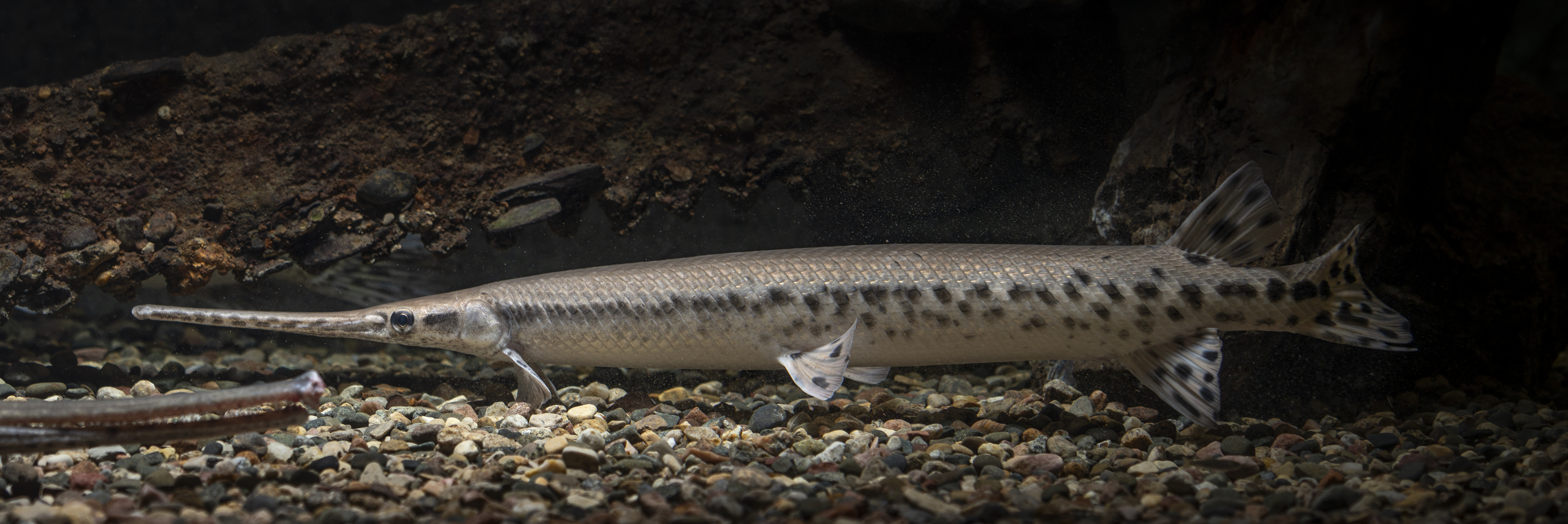

The longnose gar is one of the most fun, frustrating, and downright prehistoric fish you can catch in fresh water. With a body like a living arrow, a long toothy beak, and armor-plated scales unchanged for a hundred million years, it looks like something that should have gone extinct with the dinosaurs, and it fights with a wild, thrashing, cartwheeling energy that hooks anglers for life once they land their first one.
Gar have a reputation for being impossible to hook, and there's some truth to it: that long, bony beak has almost no soft tissue for a hook to bite into. But once you know the tricks, especially the legendary frayed nylon rope lure that needs no hook at all, longnose gar go from an exasperating bycatch to a genuine target that's abundant, hard-fighting, and available all summer long. This guide covers everything: where to find them, the best baits and lures, the rope trick, bowfishing, fly fishing, and even how to clean and eat one.
How To Catch Longnose Gar (Easy & Effective Method)Meet the Longnose Gar
The longnose gar (Lepisosteus osseus) is a long, slender, cylindrical fish with a distinctive very long, narrow snout, roughly twice the length of the rest of its head, lined with rows of sharp teeth. Its body is olive-brown to greenish on top, fading to white below, usually with dark spots on the fins and rear body, and it's covered in tough, interlocking, diamond-shaped ganoid scales so hard that early settlers used gar hide as armor plating and arrowheads.
Key things to know about the fish:
- Size: commonly 2 to 3 feet, but longnose gar regularly reach 4 feet and can exceed 5 feet and 30-plus pounds. They're one of the largest fish many anglers will hook in a small river.
- Air-breathing: gar have a specialized swim bladder they use like a lung, gulping air at the surface. This lets them thrive in warm, stagnant, low-oxygen water that would kill most other fish, and that surface "rolling" is a dead giveaway of where they are.
- Ambush predator: gar hang near the surface or along cover, drifting like a stick, then use a lightning-fast sideways slash of that toothy beak to grab prey, almost always other fish (shad, shiners, sunfish).
- Range: they're widespread across the central and eastern United States, the Mississippi basin, Great Lakes, Gulf and Atlantic drainages, in slow rivers, oxbows, backwaters, reservoirs, and lakes.
Understanding that beak is the whole game: a gar grabs prey sideways and works it around to swallow head-first, which is exactly why conventional hooksets fail and why the specialized techniques below exist.
The Rope Lure: Catching Gar Without a Hook
The single most effective, and most fun, gar technique uses no hook at all. Instead you use a lure made from a bundle of frayed nylon rope. When a gar slashes and bites the rope, its hundreds of tiny backward-pointing teeth tangle hopelessly in the nylon fibers, and you simply reel the fish in as it stays stuck. It sounds absurd; it works incredibly well and hooks nothing but gar, making release easy.
Gar Fishing With Rope! No Hook Needed!To make and fish a rope lure:
- Cut a 6-inch length of white or light-colored nylon rope (three-strand or braided nylon), untwist it, and comb it out into a fluffy tangle of fine fibers with a wire brush or fork.
- Tie or clamp it to your line, many anglers fold it over the line, cinch the middle, and let both ends fray out, sometimes threaded through a small tube or lead head for casting weight.
- Cast it near feeding gar, let it sit or twitch it slowly along the surface like a wounded baitfish.
- When a gar hits, do NOT set the hook, there is no hook. Instead, give it several seconds (even 5-10) to chew and tangle its teeth in the fibers, then start a slow, steady retrieve.
- Land the fish, then patiently work the teeth free of the rope (needle-nose pliers help). Re-fluff the rope and cast again.
The rope lure is the great equalizer for gar fishing, it turns their frustrating anatomy into an advantage.
Best Baits and Rigs for Longnose Gar
If you'd rather use bait and hooks, gar will readily take live and cut fish. The classic approach:
- Bait: a lively or fresh-cut shiner, shad, or other small baitfish. Gar are almost purely fish-eaters, so match the local forage.
- Rig: fish it under a float so the bait rides near the surface or mid-column where gar cruise, or free-line it near surfacing fish. A wire or heavy fluorocarbon leader (30-50 lb) protects against those teeth.
- The hookset secret: gar grab bait crosswise and swim off before swallowing. If you set immediately you'll pull the bait right out of that bony mouth. Instead, feed line and wait, let the gar carry the bait, stop, and turn it to swallow head-first (often 20-60 seconds), then come tight with a firm, steady pull rather than a hard snap. Long-shank or treble hooks, or a small hook rigged at the tail of the bait, improve your odds of finding the small soft spots at the corner and rear of the jaw.
- Terminal gear: because that beak is bone, sharp hooks and patience matter more than power. Many gar specialists actually prefer the rope lure precisely to skip this hookup problem.
A medium-heavy baitcasting or spinning outfit with 15-30 lb line handles most longnose gar; upsize for the big-river giants.
Topwater and Lure Fishing
Longnose gar will absolutely smash artificial lures, and topwater strikes from gar are explosive and unforgettable. Because they feed up near the surface, topwater lures, walking baits, and shallow-running jerkbaits worked erratically like a fleeing baitfish draw savage strikes. The challenge, again, is the hookset, a lot of gar will slash a lure and miss or fail to get a treble into that bony jaw, so expect misses and follow-ups.
Fishing Aggressive Gar Using Topwater Baits (River Fishing)To boost hookups on lures, some anglers swap in extra-sharp trebles, add a short length of frayed rope or a "gar getter" tail to the back of the lure, or simply accept the fun of watching gar chase and swipe. Bright, flashy lures fished fast over gar-holding flats and along weed edges in summer heat are the ticket.
Where and When to Find Longnose Gar
Location is easy once you know the habitat. Longnose gar love warm, slow, and often stagnant water:
- Rivers: slow pools, backwaters, oxbows, eddies behind current breaks, and the surface over deeper holes. In current, look for the slack water.
- Lakes and reservoirs: shallow, warm bays, coves, weed edges, and the surface over open water, especially around baitfish schools.
- The tell: watch for gar "rolling" at the surface as they gulp air, this is the best way to locate them, and it means you're in the right spot. On calm, hot summer days you'll often see dozens breaking the surface.
Timing: summer is prime. Longnose gar are warm-water fish that get most active as water temperatures climb into the 70s and 80s. Late spring through late summer, in the warmth of the day, is when they feed hardest near the surface. Spring is also a great time around the spawn, when gar gather in big, splashy groups in shallow, weedy, or flooded areas, a spectacle that's easy to find and fish. In cold water they go dormant and are much harder to catch.
Bowfishing for Gar
Because gar cruise shallow and roll at the surface, they're a premier bowfishing target, and in many places bowfishing is the most popular way to pursue them. Bowfishers cruise shallow flats and backwaters, often at night with lights, or on sunny days when gar bask near the surface, and shoot fish with a barbed arrow tethered to a reel.
Bowfishing for Gar (and Buffalo) on the SpawnIf you bowfish for gar, know your regulations (gar rules vary by state, and some waters have size or harvest limits, especially for the larger gar species), and have a plan to use or properly dispose of the fish rather than wasting it. Their tough scales make them a challenging, rewarding bowfishing quarry.
Fly Fishing for Longnose Gar
Yes, you can catch gar on the fly, and it's a growing niche because gar are big, aggressive, and willing to chase a stripped streamer. The trick is the same hookup problem in a fly-fishing package: many gar fly anglers use a fly tied from frayed nylon (a rope fly) so the teeth tangle, since setting a hook in that beak is so tough.
Fly Fishing... For Gar?! A How-ToUse an 8-9 weight rod with a wire or heavy mono leader, cast to rolling or cruising gar, strip the fly like a fleeing minnow, and either let them tangle in the rope fly or give them time to turn a conventional streamer before coming tight. A hooked gar on a fly rod is a wild, jumping, unforgettable fight.
Telling the Gar Species Apart
North America has several gar species, and it helps to know which one you've caught. The longnose gar is set apart by its exceptionally long, thin snout, the beak is long and narrow, more than twice the length of the rest of the head and clearly slimmer than any other gar's. Compare it to its relatives:
- Shortnose gar and spotted gar have noticeably shorter, broader snouts; the spotted gar also has bold dark spots on the head and body.
- Alligator gar, the giant of the family, has a short, broad, alligator-like snout with a double row of teeth, and grows to enormous sizes (hundreds of pounds) far beyond the longnose.
- Florida gar is a smaller, spotted, short-snouted southern species.
If the fish in your hands has a long pencil-thin beak and reaches 2-4 feet, you've got a longnose. This matters for regulations, too, some states protect the big alligator gar with strict limits, so correct ID keeps you legal.
Gar Are a Comeback Story Worth Respecting
For generations, gar were dismissed as "trash fish", even actively poisoned and netted in misguided eradication campaigns because anglers wrongly blamed them for eating game fish. We now understand gar are a native, ecologically valuable part of healthy river systems: as top ambush predators they help keep prey-fish populations balanced, and their tolerance for warm, low-oxygen water makes them resilient survivors where other fish can't live. Attitudes have shifted hard in gar's favor, and a whole subculture of anglers now targets them on purpose for their fight, their prehistoric looks, and the pure challenge of hooking one.
That said, the bigger gar species, especially alligator gar, are slow-growing and long-lived, which makes them vulnerable to overharvest, so responsible anglers increasingly release the big ones and follow local rules. Longnose gar remain widespread and abundant, so they're a great, guilt-free species to pursue and even keep for the table where legal. Treating gar as the worthy native gamefish they are, not vermin, is part of modern, ethical fishing.
Handling Gar Safely
Two cautions. First, those teeth are genuinely sharp, handle gar carefully, keep fingers away from the beak, and use pliers to remove lures or free them from rope. Second, a note for the table: gar flesh is edible and good, but their eggs are toxic to humans and other animals, so never eat gar roe. The fish themselves, though, are a firm, white, mild-eating fish once you get through the armor.
Cleaning and Eating Longnose Gar
Cleaning a gar is a rite of passage because those ganoid scales are like armor, a regular fillet knife won't cut them. The traditional method is to use tin snips, heavy kitchen shears, or a sharp knife to cut through the tough hide along the back, then peel the armor back like opening a can to expose the two backstraps of white meat along the spine.
How to Clean a Gar FishThe meat is firm, white, and mild, excellent in a classic Cajun preparation like gar balls (boulettes), fried nuggets, or a gumbo. Just remember the rule: eat the meat, never the eggs. In gar country, a mess of fried gar is a genuine regional delicacy.
Start Chasing Prehistoric Fish
Longnose gar are the perfect summer target: abundant, easy to find rolling on the surface, hard-fighting, prehistoric, and, once you have a rope lure tied on, genuinely catchable. They're a great fish for kids, for hot afternoons when the bass have quit, and for anyone who wants to tangle with a living fossil. Tie up some frayed rope, find some rolling gar on a warm day, and hang on.
For more toothy, prehistoric relatives, check out our guides to the giant alligator gar and the smaller spotted gar. And if you want another hard-fighting rough fish of the same slow, warm waters, see how to catch common carp.
The hardest part is usually just locating the right water, and gar make that easy by rolling on the surface, scout the slow backwaters, oxbows, and warm-water flats near you, watch for that telltale roll on a hot afternoon, and you'll be into rolling fish fast.