Fish
Fish Fire
Fire Hike
Hike Bird
Bird

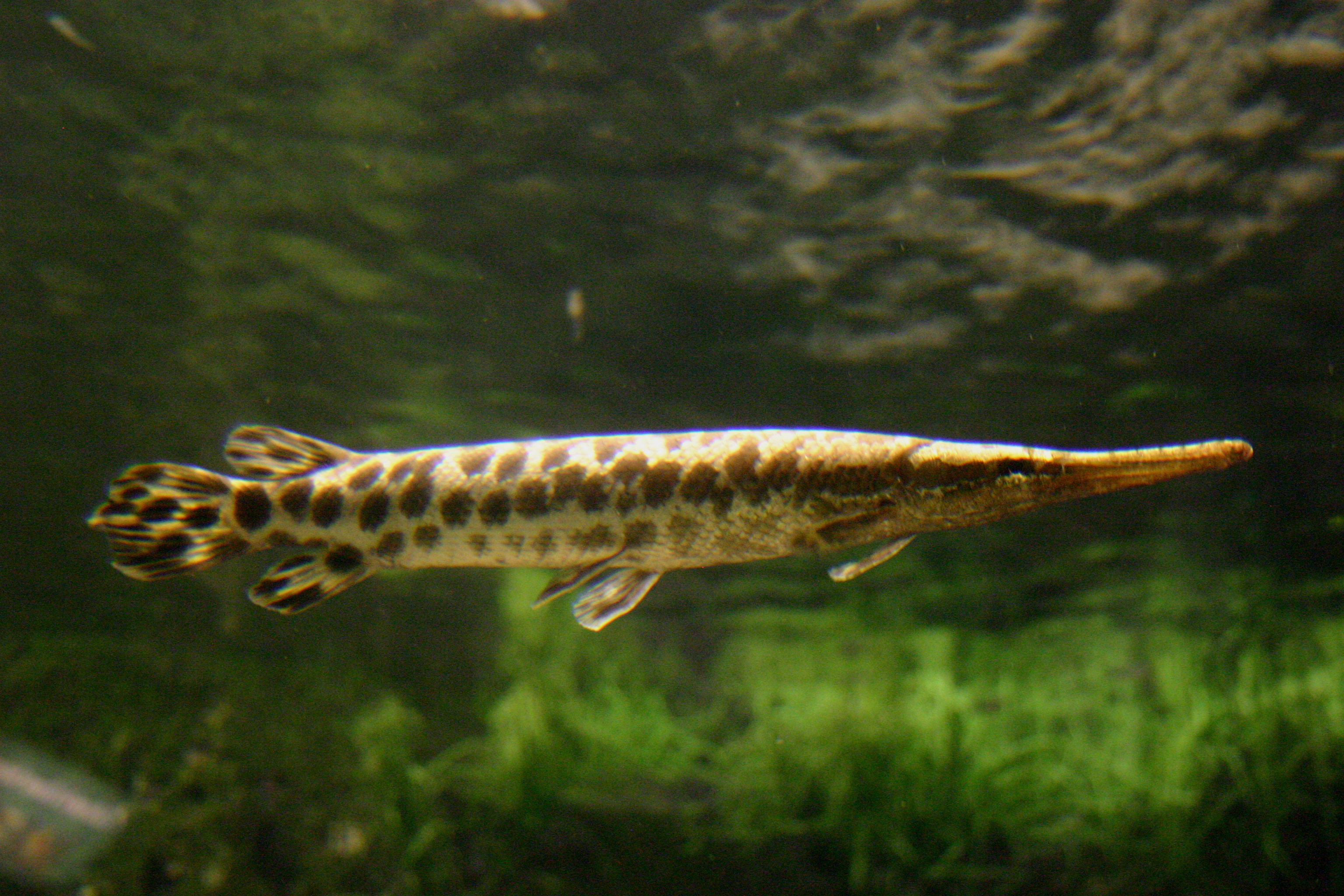

The spotted gar is arguably the best-looking member of the gar family, a slender, prehistoric predator splashed with bold, leopard-like dark spots across its olive-bronze body, head, and fins. Smaller and more manageable than its giant cousin the alligator gar, and prettier than the plain longnose, the spotted gar is a fun, accessible, hard-fighting target that lurks in weedy backwaters, clear lakes, and slow river pools across the southern and central United States.
Like all gar, it comes with the same delightful puzzle: that long, toothy, bony beak is nearly impossible to sink a hook into, until you learn the tricks. Chief among them is the famous frayed-rope lure that needs no hook at all. This guide walks through everything: how to identify a spotted gar, the rope trick, the best live baits and rigs, topwater and fly tactics, where and when to find them, and how to handle these spotted little dinosaurs.
How To Catch GarMeet the Spotted Gar
The spotted gar (Lepisosteus oculatus) is a small-to-medium gar named for the distinctive dark, roundish spots scattered over its body, top of the head, and fins, the easiest way to tell it apart from other gar. Its snout is of medium length: shorter and broader than the longnose gar's pencil-thin beak, but far longer and slimmer than the alligator gar's broad jaws. Like all gar it's a long, cylindrical fish clad in tough, interlocking, diamond-shaped ganoid scales.
Key facts:
- Size: commonly 1.5 to 2.5 feet and a couple of pounds; a big one pushes 3 feet. It's a very manageable gar on light-to-medium tackle.
- Air-breathing: like its relatives, the spotted gar gulps air with a lung-like swim bladder, letting it live in warm, weedy, low-oxygen water, and rolling at the surface is a great way to spot them.
- Habitat: it favors clear, quiet, heavily vegetated water, weedy backwaters, oxbows, sloughs, lake margins, and slow river pools. It's more tied to clear, weedy habitat than the muddier-water longnose.
- Range: the Gulf Coast and lower Mississippi basin, up through the central US to the southern Great Lakes, and across the Southeast.
- Ambush predator: it hangs motionless like a floating stick among the weeds, then grabs small fish and invertebrates with a fast sideways snap of its beak.
That combination, beautiful, widespread, willing, and small enough to be fun on modest gear, makes the spotted gar a favorite for anglers who want to tangle with a prehistoric fish without needing heavy trophy tackle.
The Rope Lure: Catch Gar Without a Hook
The most effective and entertaining way to catch any gar, spotted included, uses no hook at all, just a lure of frayed nylon rope. When a gar bites the rope, its many tiny backward-slanting teeth tangle in the nylon fibers and it stays stuck as you reel it in. It solves the gar's un-hookable beak problem completely, and it's gentle on the fish since there's no hook to remove.
Gar Fishing With Rope! No Hook Needed!To make and use one:
- Cut a 4-6 inch piece of white or light nylon rope, untwist it, and comb it into a fluffy tangle of fine fibers.
- Attach it to your line, fold it over the line and cinch the middle, letting the ends fray out, adding a small weight or tube for casting if needed.
- Cast to gar you can see cruising or rolling, and twitch it slowly like a struggling minnow.
- Do not set the hook when a gar bites, there isn't one. Give it several seconds to chew and tangle, then reel steadily.
- Land the fish, work the teeth free with pliers, re-fluff the rope, and go again.
For spotted gar in clear, weedy water where you can often sight-fish them, the rope lure is deadly and a blast.
Best Live Baits and Rigs
Spotted gar are fish-eaters, so live and cut bait works well when you'd rather use hooks. The go-to is a lively minnow, small shiner, or shad fished under a float so it rides in the upper water column where gar cruise.
Catching a Spotted Gar While CatfishingRigging and technique:
- Float rig: a small bobber suspending a live minnow near weed edges and openings, the classic spotted-gar setup.
- Leader: use a heavy fluorocarbon or light wire leader (30-50 lb) to survive the teeth.
- Hooks: small, very sharp hooks, or a treble at the tail of the bait, to catch the few soft spots at the corners and rear of that bony jaw.
- The hookset: as with all gar, wait. Let the gar grab the bait, carry it, and turn it head-first to swallow (often 15-30 seconds) before coming tight with a slow, steady pull instead of a hard snap. Set too soon and you'll pull the bait right out.
Spotted gar are often caught incidentally by anglers targeting bass, catfish, or panfish with live bait around cover, proof of how readily they'll take a well-placed minnow.
Topwater and Lure Fishing
Spotted gar will chase and slash at artificial lures, and because they feed up near the surface among the weeds, topwater strikes are common and exciting. Small walking baits, poppers, spinners, and shallow jerkbaits worked erratically like a fleeing baitfish draw aggressive swipes.
Fishing Aggressive Gar Using Topwater BaitsThe usual caveat applies, a lot of gar will slash a lure and miss, or fail to get the hooks into that bony mouth, so expect misses and repeat casts. Extra-sharp trebles or a small tuft of frayed rope added to the back of a lure improve your hookup odds. Bright, flashy presentations fished over and along weed edges on warm days work best.
Fly Fishing for Spotted Gar
Spotted gar are a fun fly-rod target, and their willingness to chase a stripped streamer in clear water makes for great sight-fishing. Many gar fly anglers use a rope fly, a fly tied from frayed nylon, so the teeth tangle, sidestepping the hookset problem entirely.
Fly Fishing... For Gar?! A How-ToUse a 6-8 weight rod with a wire or heavy mono leader, cast to visible gar in the shallows, and strip the fly like a fleeing minnow. Whether they tangle in a rope fly or you give them time to turn a conventional streamer, a hooked spotted gar on a fly rod is a lively, jumping, thoroughly enjoyable fight.
Where and When to Find Spotted Gar
Location: spotted gar love clear, warm, quiet, weedy water. Target vegetated backwaters, oxbows, sloughs, and coves; the weedy margins and shallow flats of lakes and reservoirs; and slow, clear pools in rivers. They relate strongly to cover, hang around weed beds, submerged timber, and lily pads, and along the edges where open water meets vegetation. Watch for gar rolling and basking at the surface, especially on calm, sunny days, which makes them easy to locate and sight-fish.
Timing: warm months are best. Spotted gar are warm-water fish that feed most actively as water temperatures rise into the 70s and 80s, late spring through late summer, in the warmth of the day, is prime. Spring around the spawn brings gar into shallow, weedy, flooded areas in numbers. In cold water they slow down and are much harder to catch.
Bowfishing for Spotted Gar
Because they cruise shallow, weedy water and bask at the surface, spotted gar are a common bowfishing target, often taken alongside longnose gar on shallow flats and in backwaters, sometimes at night with lights.
Bowfishing Longnose and Spotted Gar (Arkansas River)If you bowfish for them, know your local regulations (gar rules vary by state, and some waters have restrictions), be sure of your identification, and plan to use or properly handle the fish rather than wasting it.
Spotted Gar vs. Florida Gar and Other Look-Alikes
Spotted gar have a very close cousin, the Florida gar (Lepisosteus platyrhincus), that shares the leopard-spotted look and overlaps in the Southeast, and the two are easy to confuse. The classic distinguishing feature is the length of the bony plate on the underside of the head: the Florida gar has a shorter distance from the front of the eye to the edge of the gill cover, while the spotted gar has a longer one. In practice, most anglers just note the general range, Florida gar are confined to Florida and southern Georgia, while spotted gar range much more widely across the central and Gulf states, and don't worry too much about the split, since both are caught the same way.
More important is not confusing a spotted gar with a young longnose or alligator gar. The spots are the tell: heavy, clear, roundish spots on the top of the bony head point to a spotted (or Florida) gar, whereas a longnose has a much thinner snout and an alligator gar has a broad, short snout with a double row of teeth. Since harvest rules for the big alligator gar are far stricter, being able to rule it out matters.
Sight-Fishing in Clear Water
One of the real joys of spotted gar fishing is that it's often visual. Because these fish live in clear, weedy water and bask and roll near the surface, you can frequently see your quarry before you cast, spotting a gar hanging motionless along a weed edge, then presenting a rope lure, minnow, or fly right to it. This turns gar fishing into a stalking, sight-casting game more like flats fishing than typical bait-soaking.
To sight-fish them, move slowly and quietly along weedy shorelines, backwater edges, and lake coves on calm, sunny days, wearing polarized glasses to cut the glare. Look for the long, stick-like silhouette suspended just under the surface, or for the telltale swirl and roll as a gar gulps air. Make a soft, accurate cast slightly ahead of the fish and work your lure into its path. Gar have keen eyesight and will often turn and track a well-presented offering, giving you the heart-stopping sight of the fish following and then slashing at your lure. It's an addictive, interactive way to fish that the murkier-water gar species rarely allow.
Seasonal Patterns
Spotted gar activity tracks water temperature closely. In spring, warming shallows pull gar up into the flooded, weedy margins, and around the spawn they gather in numbers in shallow, vegetated, and flooded areas, one of the best times to find lots of fish concentrated and willing. Through summer, the peak season, spotted gar feed hard in the warm surface layer, rolling and basking through the heat of the day and hammering rope lures, minnows, and topwaters along weed edges. This is prime time. In fall, as water cools, they remain catchable but gradually slow, feeding to build reserves. In winter, spotted gar become sluggish and deep, feeding little; they're hard to target in cold water, so most gar anglers hang up the rope lures until things warm again. Plan your gar trips for the warm half of the year, and fish the warmest, sunniest parts of the day.
Why Gar Deserve Respect
It's worth saying, as with all gar: the spotted gar is a native, ecologically valuable fish, not the "trash fish" of old reputation. For generations gar were needlessly persecuted, but we now understand they play an important role as mid-level predators helping keep prey-fish populations in balance, and their air-breathing toughness lets them thrive where many game fish can't. Spotted gar remain widespread and reasonably abundant, so they're a great, guilt-free species to target for fun and even keep for the table where legal. Treating them as the worthy, beautiful native gamefish they are, handling them carefully and releasing what you don't use, is part of modern, ethical fishing.
Handling and Eating Spotted Gar
Handle any gar carefully, those teeth are sharp, so keep fingers clear of the beak and use pliers to free lures or rope. Spotted gar are edible, with firm, white, mild meat, though they're smaller than the other gar and yield less. Cleaning means getting through the armored scales with tin snips or heavy shears to peel the hide and expose the backstraps. One firm rule for all gar: the meat is fine to eat, but gar eggs (roe) are toxic, never eat them.
Go Chase Some Spotted Dinosaurs
The spotted gar is the perfect gateway to gar fishing: beautiful, widespread, willing to hit rope lures, minnows, topwaters, and flies, and small enough to be pure fun on light gear. Find some rolling and basking in a clear, weedy backwater on a warm afternoon, tie on a frayed rope lure or float a lively minnow, and enjoy tangling with one of the prettiest living fossils in fresh water.
For its relatives, see our guides to the needle-jawed longnose gar and the giant alligator gar. And if you like fishing weedy, clear backwaters, check out how to catch the largemouth bass that share the same cover.
Want to sight-fish gar in clear water? The hardest part is often just finding the right water and getting to it, scout the clear, weedy backwaters, oxbows, and lake coves near you for public access and a nearby boat launch, watch for gar rolling and basking on a calm, sunny morning, tie on a frayed rope lure or float a lively minnow, and get on some spotted fish fast.