Fish
Fish Fire
Fire Hike
Hike Bird
Bird

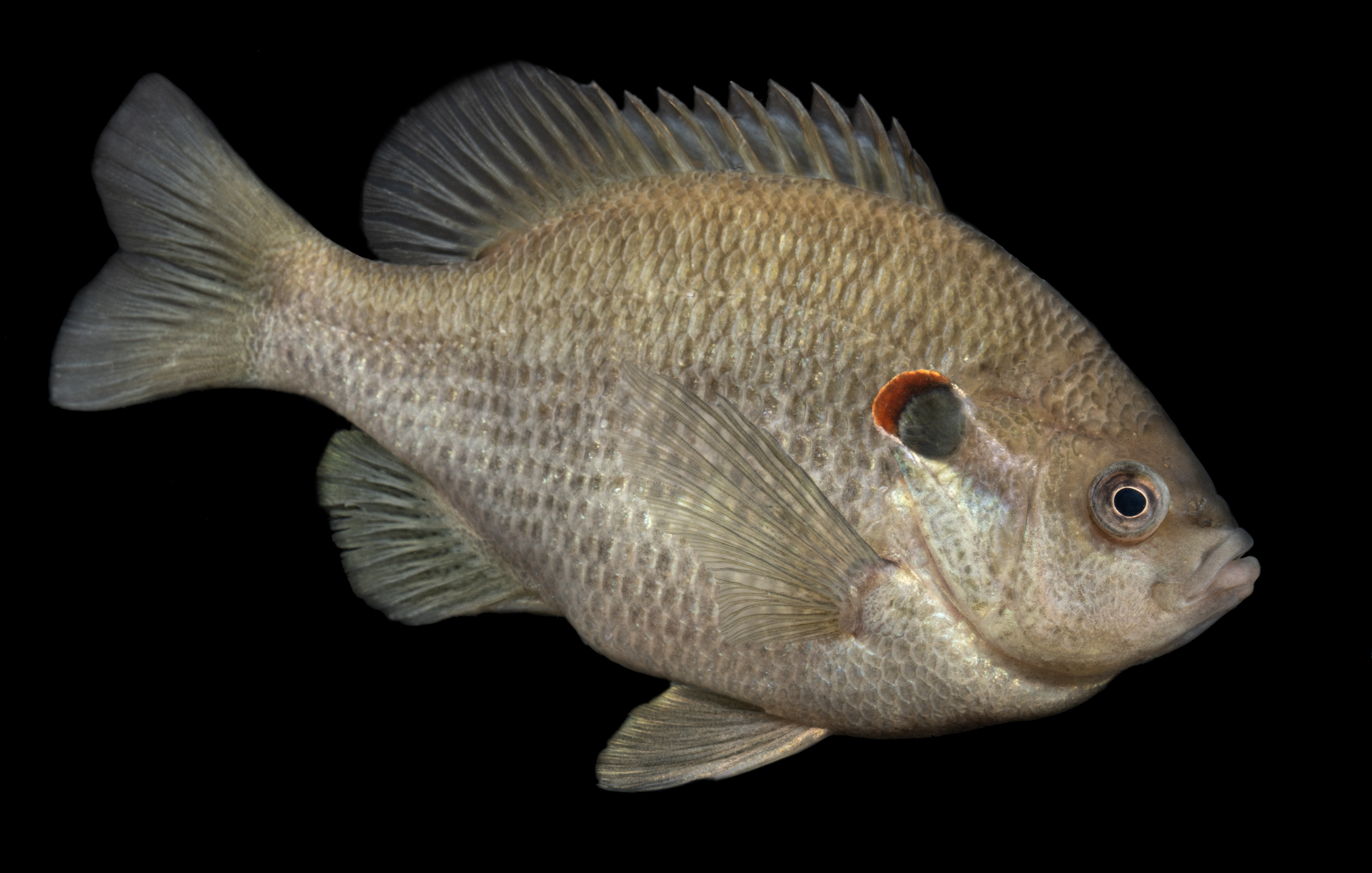

The redear sunfish is the heavyweight champion of the bream world, the biggest, thickest, and hardest-fighting of the common sunfishes, and a fish that inspires genuine devotion among panfish anglers who chase its bulldogging, dinner-plate-sized "shellcrackers." Named "shellcracker" for its remarkable ability to crush snail and mollusk shells with specialized grinding teeth in its throat, the redear sunfish (Lepomis microlophus) is a bottom-feeding specialist that grows far larger than the bluegill it resembles, commonly 8 to 11 inches, with good fish topping a pound and true giants reaching 2, 3, and even 4-plus pounds, sizes that put it among the largest sunfish in North America. A big redear pulls with a stubborn, boring power that will surprise anyone who thinks of "bream" as a kid's fish, and its firm, mild, white flesh is superb on the table.
Prized across the South and increasingly popular wherever it's stocked (California and Arizona have produced world-record giants), the redear is a slightly different challenge from other sunfish: it feeds on the bottom, it's a bit less aggressive toward lures, and it's most reliably caught with bait fished on or near the bottom. But for the angler who dials in its habits, especially during its famous spring spawn, the reward is the biggest, best-eating bream you'll ever catch. This guide covers what a redear is, where to find them, and the proven bottom-fishing techniques that put trophy shellcrackers in the cooler.
What Is a Redear Sunfish?
The redear sunfish is a member of the sunfish family (Centrarchidae), a close relative of the bluegill in the genus Lepomis. It has the classic sunfish shape, a deep, laterally compressed, disc-like body, but grows thicker and heavier than most, and it's identified by its namesake feature: a bright red or orange margin on the black "ear" flap at the rear of the gill cover (males show a vivid red edge; females more orange). Its body is a light olive-to-gold color, often with faint spotting or barring, and, importantly for telling it from a bluegill, it has a small mouth and lacks the bluegill's dark blotch at the base of the rear dorsal fin. The redear's other defining trait is internal: it has specialized pharyngeal (throat) teeth for crushing snails and mollusks, which is where the "shellcracker" name comes from.
How to Catch Shellcrackers: Two Great TechniquesThis snail-crushing specialization drives everything about how you catch a redear. Because their primary food is snails, clams, and other mollusks and invertebrates that live on the bottom, redear are dedicated bottom-feeders that spend most of their time rooting along the lakebed rather than chasing baitfish or rising to insects. They're less inclined to hit lures or surface offerings than bluegill or green sunfish, and far more reliably caught with natural bait presented right on the bottom where they feed. Understanding this bottom-oriented, mollusk-eating behavior is the single biggest key to catching them.
Where to Find Redear Sunfish
Redear sunfish are native to the southeastern United States and have been widely stocked across the South, Southwest, West, and beyond, thriving in warm lakes, ponds, reservoirs, and slow rivers. They favor warm, quiet water with a firm-to-soft bottom that holds snails and mollusks, and they relate to bottom structure and cover. Focus on:
- Bottom areas with snails and mollusks, the redear's food source; hard, gravelly, or shell-strewn bottoms and areas with aquatic vegetation that hosts snails.
- Deeper water than bluegill, redear often hold in slightly deeper water (5 to 15+ feet), along drop-offs, ledges, and channel edges.
- Cover near the bottom, submerged brush, stumps, logs, weed beds, and standing timber, especially near deeper water.
- Spawning flats in spring, firm-bottomed shallows (often 2 to 6 feet, sometimes deeper) where redear fan out beds in colonies.
- Around vegetation and lily pads, which harbor the snails redear feed on.
Redear can be a bit harder to locate than shallow-cruising bluegill because they hold deeper and relate to bottom food sources, so look for the combination of a firm or shelly bottom, nearby deeper water, and cover. The great exception is the spawn, when they pile into predictable shallow flats and become far easier to find, which is why the spawn is prime time.
Red Worms and Bottom Fishing
The single most effective way to catch redear is with red worms (or nightcrawlers) fished on the bottom. Because redear feed on the bottom and love soft-bodied invertebrates, a worm presented right on the lakebed is exactly what they're looking for, and this simple approach accounts for the vast majority of shellcrackers caught.
Catching Shellcrackers with Red WormsFish a red worm, a piece of nightcrawler, or a whole small worm on a hook (size 6 to 8) with just enough weight to hold it on the bottom, a split shot or small sinker a foot or so above the hook, a simple bottom rig, or a Carolina-style slip-sinker rig all work well. Cast it out over a likely bottom, let it settle, keep your line slightly tight, and watch for the subtle tap or a slow pull. Redear bites can be delicate, so pay attention and set the hook on any suspicious movement. Because redear hold near the bottom in the areas where snails and mollusks live, presenting a worm right on that bottom, rather than up under a bobber like you would for bluegill, is the key. Red worms are the classic shellcracker bait for good reason.
Crickets and Other Baits
While red worms are the top redear bait, crickets are another outstanding choice, and other natural baits produce as well. Redear will take a variety of small live baits, and crickets in particular are a Southern bream-fishing staple that shellcrackers readily eat.
Redear Fishing with Crickets Under a CorkFish a cricket on a small hook, either on the bottom like a worm or suspended just off the bottom under a cork (bobber) set deep, near the cover and bottom areas where redear feed. Other effective redear baits include grass shrimp, small grubs, mealworms, wax worms, and, naturally, snails (where legal and available, since they're the redear's favorite food). The trick with any bait is to get it down where the redear are, at or near the bottom, rather than up in the water column. Whether you fish crickets under a deep-set cork or worms on a bottom rig, matching the redear's bottom-oriented feeding is what puts fish on the stringer. Live bait, fished deep and near the bottom, is the shellcracker way.
Fishing the Spawn
If there's a magic time to catch a limit of big redear, it's the spawn. Redear are among the first sunfish to spawn each year (often before bluegill), moving onto firm-bottomed shallow flats in colonies where they fan out saucer-shaped beds, and when they do, they concentrate, get aggressive, and become far easier to catch, offering the year's best shot at numbers of big shellcrackers.
Bank Fishing for Trophy Shellcrackers on the SpawnDuring the spawn, find the bedding colonies, clusters of light-colored, swept-clean circular beds on firm-bottomed flats, often in 2 to 6 feet of water (sometimes deeper), frequently near vegetation, cover, or hard bottom. In clear water you can spot the beds; in stained water, fish likely flats and let the fish tell you. Drop a worm or cricket right into the beds and hold on, bedding redear defend their nests and feed aggressively, and you can often catch fish after fish from a single colony. The redear spawn typically runs from spring into early summer (timing varies by latitude, often around the full moons of April through June), and savvy shellcracker anglers plan their year around it. It's the most productive and exciting redear fishing there is.
Small Jigs and Lures
Redear are less lure-oriented than bluegill or green sunfish, but they can be caught on small jigs and lures, especially during the spawn or when tipped with bait, and it's a fun way to target them for anglers who prefer artificials.
Redear Sunfish Tips and TricksFish a small jig (1/32 to 1/16 oz) tipped with a soft-plastic grub, a bit of worm, or a piece of nightcrawler slowly along the bottom, or vertically over beds and cover. Small soft plastics, tiny tube jigs, and micro baits fished right on the bottom can draw strikes, and a jig tipped with bait combines the appeal of both. Bright colors help in stained water. The key, as always with redear, is to keep the presentation on or near the bottom and to fish it slowly, redear won't often chase a fast-moving lure the way an aggressive green sunfish will. During the spawn, bedding redear become more willing to strike jigs and small baits near their nests. Tipping a jig with a bit of natural bait is the best of both worlds and a reliable way to fool these bottom-feeders.
Tackle for Redear
Because redear grow bigger and fight harder than most bream, you'll want slightly stouter tackle than for other sunfish, but it's still light, fun fishing. A light or medium-light spinning combo with 4 to 8 pound line handles big shellcrackers well, giving you enough backbone to fight a chunky 1-pound-plus fish and to fish bait effectively on the bottom, while keeping the fight sporting. Use small hooks (size 6 to 8) to match their small mouths, and just enough weight (a split shot or small sinker) to hold your bait on the bottom in the wind or current. A slip-sinker or Carolina rig is ideal for bottom-fishing bait. Because redear can bite subtly, a sensitive rod tip and a fairly tight line help you detect the take. Bring pliers for unhooking and a stringer or cooler for the table, a mess of big redear is a prize worth keeping.
Chasing Trophy Redear
For the dedicated shellcracker angler, the dream is a true giant, a redear pushing 2, 3, or even 4 pounds, a fish that dwarfs an ordinary bream and pulls like a small bass. These giants are real: the world-record redear have come from Western reservoirs like Arizona's and California's, where the species was stocked into waters rich with invasive quagga mussels and other food, allowing them to grow to astonishing sizes.
Catching Giant Trophy Redear ShellcrackersCatching trophy redear takes a bit of strategy. First, fish waters known for producing big fish, often deeper, clear, food-rich reservoirs rather than small ponds. Second, be willing to fish deeper than you would for average bream; the biggest redear frequently hold in deeper water (15, 20, even 30-plus feet) along structure, and getting bait down to them is key. Third, use fresh, lively bait, a big nightcrawler, grass shrimp, or a snail, and fish it patiently on the bottom near hard structure, drop-offs, and mussel beds. And fourth, time the spawn, when even the biggest fish move shallower and become catchable. Trophy shellcracker fishing is a patient, bottom-focused pursuit, but the payoff, a bream heavier than most bass an angler catches, is one of freshwater fishing's great thrills.
Where the Redear Fits
The redear sunfish is the giant of the bream family, and knowing its relatives sharpens your panfish game. Its most familiar cousin, the bluegill, often shares the same waters and is caught more readily on lures and shallower presentations, but rarely grows as big as a trophy shellcracker, and the two even hybridize. The gorgeous pumpkinseed is another close, snail-eating relative that shares the redear's fondness for mollusks, and the bold green sunfish rounds out the sunfish clan. Master the redear's bottom-fishing game, and you'll catch the biggest, best-eating bream of them all.
Eating Redear Sunfish
Redear are widely considered among the very best-eating panfish, which, combined with their large size, makes them a prized fish for the table. Their flesh is white, firm, flaky, mild, and sweet, and their larger bodies yield a more substantial fillet than smaller sunfish, so a limit of good shellcrackers makes a genuine meal. Some anglers even consider redear the finest-tasting of all the bream. They're superb pan-fried, in a fish fry, or baked. Because redear are prolific and often stocked specifically as a harvestable panfish, keeping a mess for the pan is perfectly sustainable, within local regulations, and because their snail-eating habits can help control parasite-hosting snails, they're a valued stocking in many waters. Fillet or pan-dress them, bread them in seasoned cornmeal, and fry them crisp for one of freshwater fishing's finest meals.
Put It All Together
Catching redear sunfish comes down to fishing bait on the bottom where these snail-crushing shellcrackers feed: thread a red worm or a piece of nightcrawler onto a small hook, fish it on a bottom or slip-sinker rig over firm, shelly, or vegetated bottom near deeper water, and watch for a subtle tap. Fish crickets and other live baits deep and near the bottom, tip a small jig with bait for a lure-and-bait combo, and, above all, target the spring spawn, when big redear pile onto shallow flats in colonies and offer the year's best fishing. Fish slow, fish the bottom, use tackle with a little backbone for their stubborn fight, and enjoy the biggest, hardest-pulling, best-eating bream in fresh water.
Ready to tangle with a dinner-plate shellcracker? Scout the redear lakes near you, pinpoint the spawning flats, and get your worms down on the bottom near hard-bottomed structure, the biggest bream of your life is waiting where the snails live.