Fish
Fish Fire
Fire Hike
Hike Bird
Bird

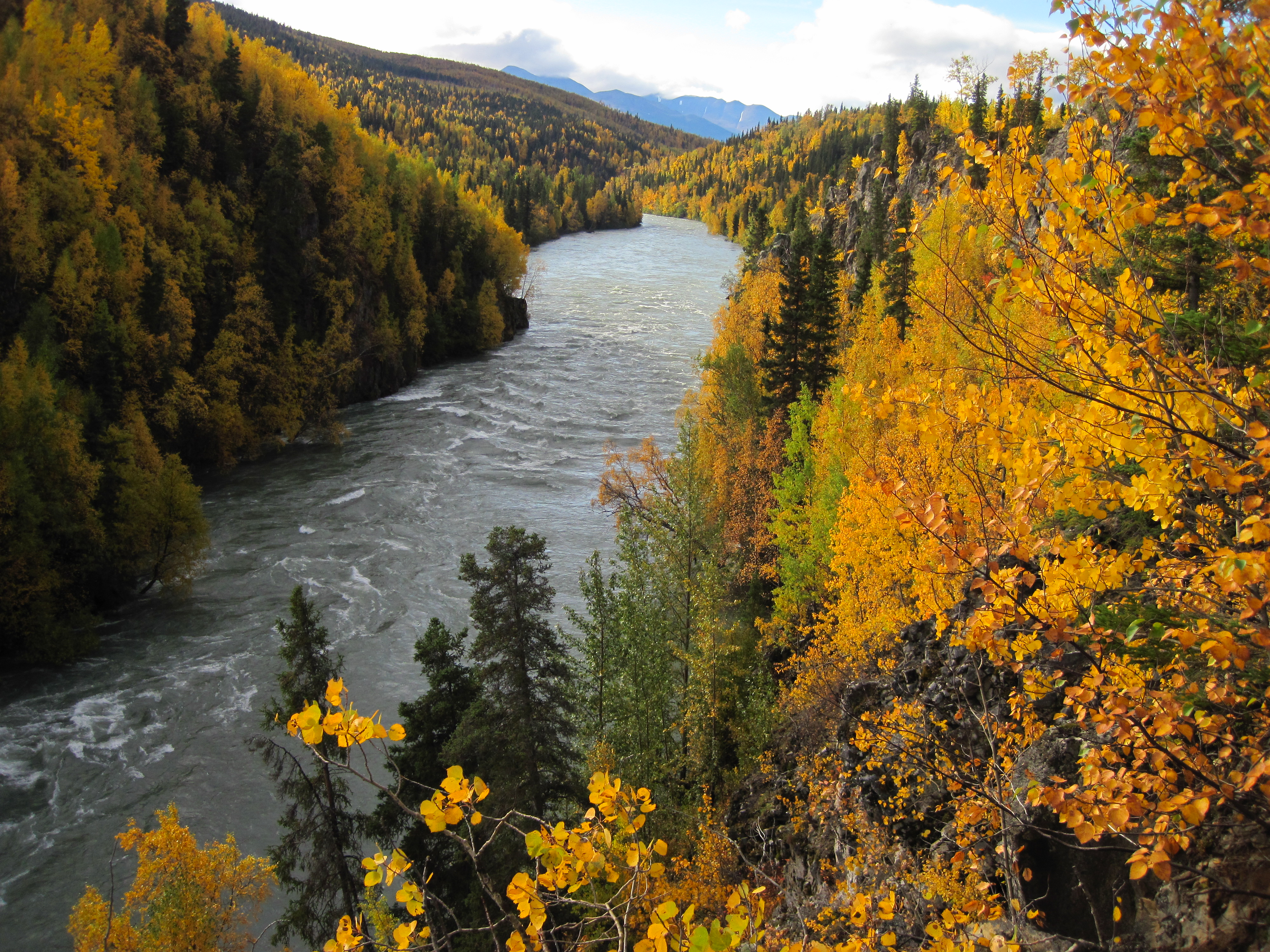

The Kenai River is the crown jewel of Alaska sportfishing, a glacier-fed river of astonishing turquoise water that pours out of the Kenai Mountains, through two great lakes, and down to Cook Inlet on the Kenai Peninsula. It is, quite simply, one of the most famous salmon and trout rivers on earth: the water that produced the world-record king salmon, that turns red each summer with millions of migrating sockeye, and that grows some of the largest rainbow trout in the state on a diet of salmon eggs and flesh. This whole-river guide covers the Kenai from its headwaters to tidewater, the five salmon runs, the trophy trout, the three distinct sections of river, and how, when, and where to fish one of the greatest freshwater fisheries in North America.
The Glacial River of Giants
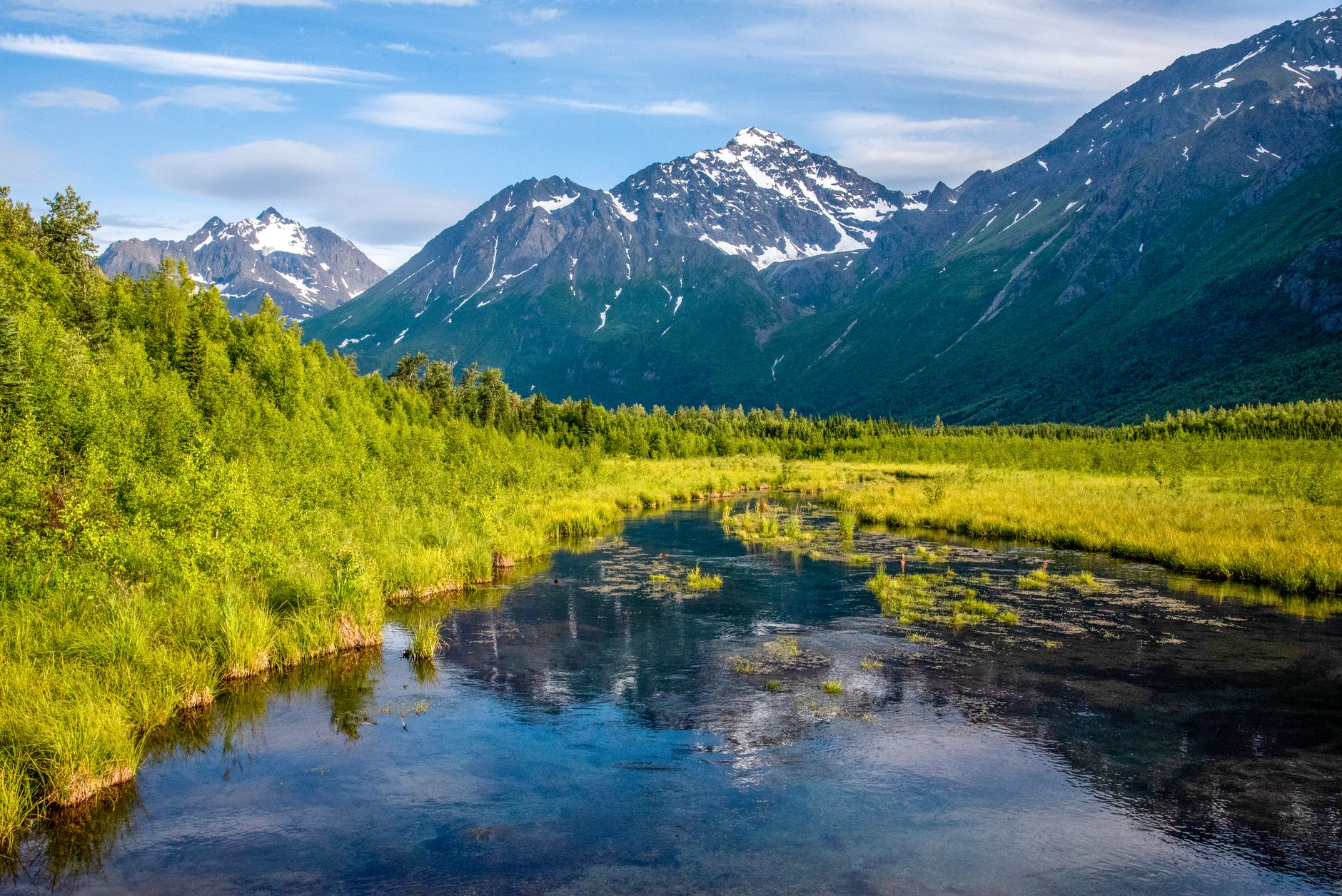
The Kenai's signature is its color: a surreal, milky turquoise born of glacial silt suspended in cold, clear water. It runs about 82 miles from Kenai Lake through Skilak Lake and on to the sea, and along the way it changes character completely, from a clear mountain river up top, to a big, powerful glacial flow below. What makes it so productive is the sheer biomass of salmon that surge in from the ocean: five species run this river, and everything else in it, from the giant rainbows to the Dolly Varden, is fueled by that annual flood of protein. It's a river of giants precisely because it's a river of salmon, and understanding the runs is the key to understanding the Kenai. That turquoise color, by the way, isn't just scenic, it changes how you fish, because the glacial tint reduces visibility in the lower and middle river, favoring scent, vibration, and bright presentations, while the clearer upper water rewards a subtle, natural approach. Read the color and you're halfway to reading the river.
King Salmon: The Kenai's Legendary Chinook
The Kenai is world-famous for its king (Chinook) salmon, the largest king salmon on the planet swam in this river, including the fabled world record of just over 97 pounds. The Kenai gets two king runs, an early run in roughly late May and June and a larger late run in July, and these are enormous, deep-bodied fish that test the heaviest gear. Anglers back-troll and back-bounce bait and lures through the holes from drift boats, and fish from the bank where regulations allow. Crucially, the king runs have declined in recent years and the fishery is heavily and increasingly restricted, often catch-and-release or fully closed to protect the stock, so this is a fish to pursue only within the strict, current rules, and to treat as the precious resource it is.
Sockeye Salmon: The Red Run
If kings are the Kenai's fame, sockeye (red) salmon are its heartbeat. Each summer, millions of sockeye pour into the river in one of the great wildlife spectacles of Alaska, filling it in two runs, a first run in June and a massive second run in July. Sockeye are famous for both their numbers and their table quality (deep-red, rich fillets prized above all other salmon by many), and they're caught with a specialized "flossing" fly technique, bouncing a fly through the migrating fish in the current. When the reds are in, the banks fill with anglers and limits come fast. For anglers who want to fill a cooler with the finest salmon in the world, the Kenai sockeye run is the main event.
Fishing a River Full of SalmonSilver Salmon: The Fall Fighter
As summer fades, the silver (coho) salmon arrive to close out the season. Silvers run the Kenai from August into fall in two runs, and they are the aggressive, acrobatic favorite of many anglers, willing to chase and smash a bait, spinner, or fly with abandon, and to cartwheel across the surface when hooked. They're caught back-trolling and casting spinners, spoons, and bait through the holes and along the banks. The fall silver fishery comes with cooler weather, thinner crowds, and gorgeous autumn color along the river, making it one of the most enjoyable times to fish the Kenai. A bright, chrome silver fresh from the sea is pound-for-pound one of the best fights in the river.
Chasing Trophy Coho in TidewaterPink Salmon and the Even-Year Humpies
In even-numbered years, the Kenai and its neighboring streams fill with pink (humpy) salmon in staggering numbers. Pinks are the smallest and most abundant of the Pacific salmon, and while they don't have the size of a king or the table fame of a sockeye, they run in such huge schools that they provide fast, nonstop, light-tackle action, perfect for kids and beginners, and a blast on a fly rod or small spinner. Their strong even-year cycle means some summers the river is simply thick with them. Along with the occasional chum salmon, the pinks round out the Kenai's full five-species salmon lineup, ensuring there's almost always a salmon of some kind running in the warmer months.
Trophy Rainbow Trout and Dolly Varden
The salmon may be the headline, but the Kenai's resident rainbow trout are a world-class fishery in their own right. Gorged on drifting salmon eggs and decaying salmon flesh, Kenai rainbows grow to enormous sizes, trophy fish well over two feet are a realistic target, among the biggest river rainbows anywhere. They're caught by drifting beads (imitating salmon eggs) and flesh flies beneath an indicator, especially in the clearer upper river and in fall when the trout feed heavily behind the spawning salmon. Alongside them swim sea-run and resident Dolly Varden and Arctic char, beautiful char that follow the salmon and take the same egg and flesh presentations. The Kenai's trout fishing is catch-and-release and tightly protected, and it is spectacular.
The Three Sections: Upper, Middle, and Lower
The Kenai fishes like three different rivers. The upper river, from Kenai Lake through Cooper Landing to Skilak Lake, is the clearest and most scenic, prime water for trophy rainbow trout, Dolly Varden, and the sockeye of the Russian River confluence, much of it fly water. The middle river, from Skilak Lake to Soldotna, is bigger and glacial, a mix of trout, sockeye, and salmon drift-boat water. The lower river, from Soldotna down to Cook Inlet, is the biggest, most powerful water and the historic heart of the giant king salmon fishery, along with strong silver and sockeye runs. Knowing which section suits your target species, and its own specific regulations, is the first step to planning a Kenai trip.
Drift Boats, Bank Fishing, and Combat Angling
There are three main ways to fish the Kenai. Guided drift boats and powerboats are the classic approach, letting you back-troll the holes for kings and silvers and cover the trout water, and a good guide is worth every penny on a river this big and this regulated. Bank fishing is hugely popular and productive, especially for sockeye, from the many public access points, boardwalks, and platforms, though when the reds are running it becomes the famous Alaska "combat fishing," anglers lined up elbow to elbow. And fly fishing, especially in the upper river, is the choice for the trophy rainbows and the Russian River sockeye. Each style has its place, its own etiquette, and its own stretch of river. A common and rewarding approach is to combine them across a multi-day trip: a guided drift day for the trophy rainbows and a shot at silvers, a bank day or two for sockeye when the reds are thick, and an evening or early morning working a quiet run on your own. Mixing the methods lets you experience the full range of what the Kenai offers, from shoulder-to-shoulder combat fishing to solitude on a foggy upper-river riffle.
Conservation and the King Closures
No river rewards respect for the rules more than the Kenai. Its salmon runs, especially the king salmon, are carefully managed and, in the face of declining Chinook returns, increasingly restricted, with emergency orders that can change bag limits, restrict tackle (bait bans, single-hook rules), or close the king fishery entirely, sometimes mid-season and on short notice. The trout and char fishery is catch-and-release with tight tackle rules. This is a river where you must check the current Alaska Department of Fish and Game regulations and any emergency orders before every trip, follow them exactly, and handle released fish with care. The Kenai's fame depends on this fishery surviving, and every angler shares that responsibility.
The Towns and Access
The Kenai is one of Alaska's most accessible great rivers, running right along the road system. Cooper Landing, near the outlet of Kenai Lake and the Russian River confluence, anchors the upper river's trout and sockeye fishing. Soldotna is the hub of the middle and lower river and the historic center of the king salmon fishery, packed with guides, lodges, and public access. The city of Kenai sits at the river's mouth on Cook Inlet, near the famous personal-use dipnet fishery (for Alaska residents) at the river's terminus. Numerous state and federal access points, campgrounds, and boat launches line the river. Because the Kenai is so popular and so regulated, planning your launch or bank spot around your target species and section is essential.
When to Go
- June: The early king run and the first sockeye run; upper-river rainbow trout fishing opens as the season builds.
- July: Peak season, the late king run and the massive second sockeye run overlap, the river's busiest and most productive month (kings subject to current restrictions).
- August–September: Silver salmon fill the river, pinks run heavy in even years, and the trophy rainbow trout fishing turns red-hot behind the spawning salmon.
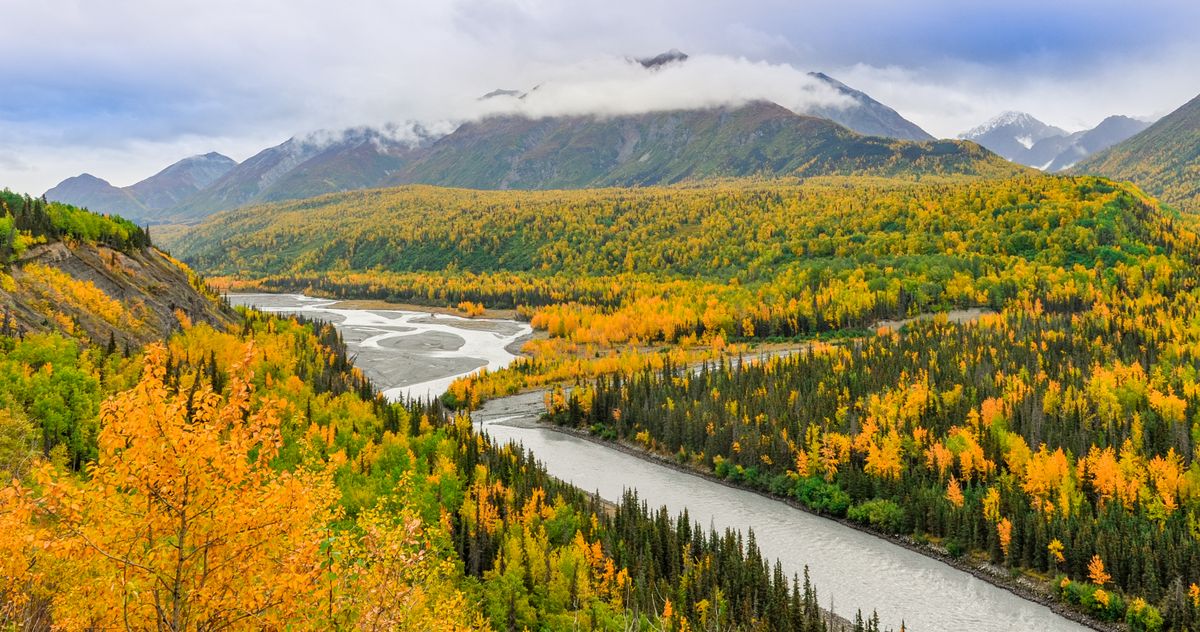
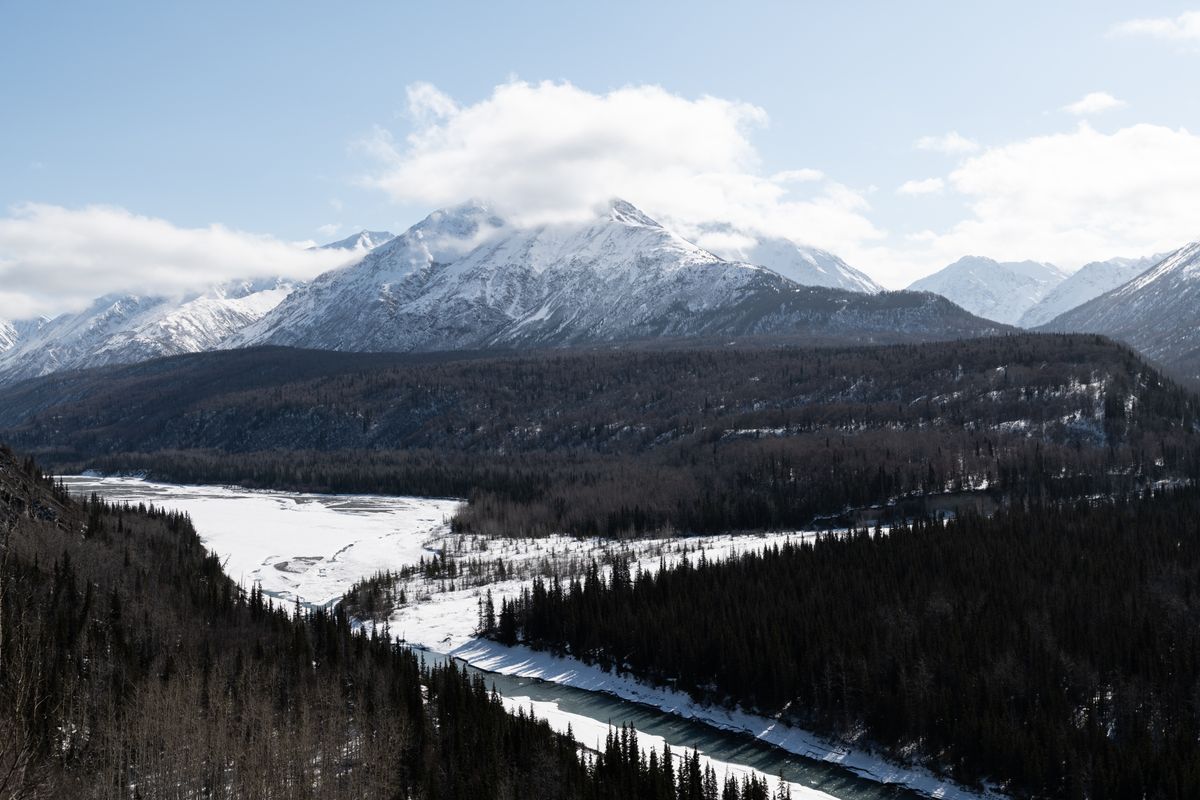
- Fall/Winter: Late silvers, superb fall trout fishing, and quiet, colorful, uncrowded water for those who brave the cold.
Licenses (Alaska)
Fishing the Kenai requires an Alaska sport fishing license, available online or from local vendors, with short-term options for visitors, plus a king salmon stamp if you intend to fish for kings where they're open. Beyond the license, the Kenai is governed by detailed, section-specific regulations and frequent emergency orders, bag and size limits, gear restrictions (single hooks, bait bans), catch-and-release rules for trout, and king salmon closures, that vary by river section and change frequently, sometimes overnight. Always check the current Alaska Department of Fish and Game rules and any active emergency orders for your exact section and dates before you fish. On the Kenai, knowing the regulations isn't optional, it's the difference between a legal trip and a serious violation.
A Beginner's First Trip
For a first Kenai trip, hire a guide, the river is big, glacial, crowded, and heavily regulated, and a knowledgeable guide handles the boat, the rules, and the fish-finding so you can simply fish. A July sockeye trip nearly guarantees action and a cooler of the world's best salmon; a fall silver trip offers aggressive fish and gorgeous scenery with fewer crowds; and a guided upper-river float delivers the trophy rainbow experience. If you go it alone, start with bank sockeye fishing at a public access point, learn the flossing technique, and mind the regulations and your neighbors. However you begin, the Kenai rewards preparation, dress for cold, wet weather, respect the powerful water, and let Alaska's most famous river do the rest.
Guides and Gear
For kings (where open), heavy salmon rods with back-trolling and back-bouncing setups are standard. Sockeye call for a sturdy fly rod or spinning rod rigged for the flossing technique with a weighted fly. Silvers take a medium salmon rod with spinners, spoons, and bait. For the trophy rainbows and char, a fly rod with beads and flesh flies under an indicator is the tool, in the clearer upper river. Chest waders, rain gear, and warm layers are essential in Alaska's cold, wet climate, as are polarized glasses and a good landing net. Above all, bring a copy of the current regulations and emergency orders, on the Kenai, the right knowledge matters as much as the right gear.
From the world-record kings of the lower river to the millions of sockeye that turn it red, the acrobatic fall silvers, and the giant rainbows of the clear upper water, the Kenai River is the pinnacle of Alaska sportfishing, a glacial river of giants running turquoise through some of the most beautiful country on earth. Floss a fly for reds on a July morning, swing for a chrome silver in the autumn color, or drift a bead for a trophy rainbow behind the spawning salmon, check the current Alaska Fish and Game rules and emergency orders for your section, respect the salmon that make it all possible, handle every released trout and king with care, and fish the crown jewel of the Last Frontier, a river whose fame, and whose future, depend on the anglers who love it. It flows through the same wild peninsula we explore in our how to fish Kenai, AK guide.