Fish
Fish Fire
Fire Hike
Hike Bird
Bird

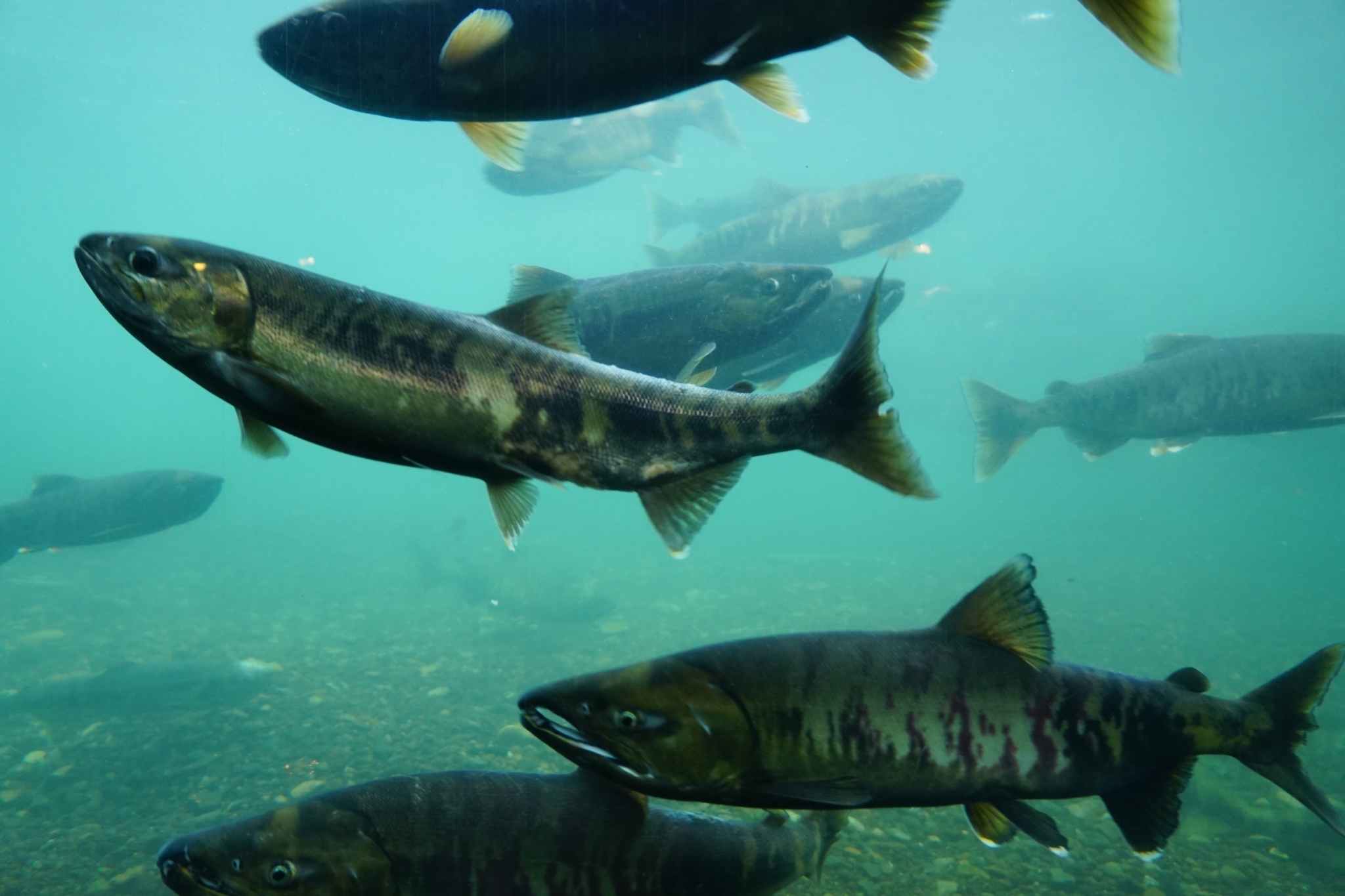

The chum salmon is the Pacific salmon that time forgot, and anglers who know better keep the secret happily to themselves. Long dismissed and saddled with the unflattering nickname "dog salmon," the chum (also called keta or calico salmon) is in fact one of the hardest-fighting, most exciting salmon you can hook. Big, broad, and powerful, commonly 8 to 15 pounds and sometimes much larger, a fresh chum pulls with a dogged, bulldog strength that pound for pound rivals or beats any of its more celebrated cousins. Add in a spectacular spawning wardrobe of purple, green, and maroon "calico" tiger stripes, a set of genuinely fierce, dog-like teeth on the males, and a willingness to absolutely crush a chartreuse or pink lure or fly, and you have a fish that's earned a devoted following among those in the know. When the chum run late in the fall, they offer some of the year's most powerful, accessible salmon fishing.
Catching chum is refreshingly straightforward: fish the run, throw chartreuse or pink, and hold on for a brawl. They're aggressive, territorial biters that respond to a small set of proven techniques, and they're a particular favorite of fly anglers and float fishermen. This guide covers the chum's biology and timing, where to find them, and the bright lures and flies that make them so much fun.
Understanding the Chum Salmon
The chum salmon (Oncorhynchus keta) is one of the larger Pacific salmon, second only to the king in average size in many systems. Ocean-fresh ("chrome") chum are bright silver with a faintly speckled, metallic sheen and no big spots (unlike a pink or a king), fine scales, and a slightly forked tail. As they enter fresh water and approach spawning, they transform dramatically: the sides develop bold vertical bars of purple, green, red, and black, the "calico" pattern that gives them one of their names, and the males grow a hooked jaw (kype) and a fearsome set of enlarged, canine-like teeth (the origin of "dog salmon"). They typically run 8 to 15 pounds, with trophies over 20 and even 30 pounds in the best waters.
The chum is a big, strong, aggressive fish that has historically been underrated because its flesh is leaner and it often runs late, after the more famous salmon. But its fighting quality is superb: a fresh chum uses its broad body and power to bulldog, run, and battle in a way that surprises anglers expecting a pushover. They return to spawn in the rivers and are caught on their run, holding in pools, runs, and current seams and staging in estuaries and along beaches. Understanding that you're fishing for a powerful, bright-lure-loving fish on a late run is the key to targeting them.
How to Catch Chum SalmonThe Magic Colors: Chartreuse and Pink
If pink salmon love pink, chum salmon love chartreuse and pink, and purple and green. For whatever reason, chum are strongly drawn to these bright, hot colors, and dialing in the right chartreuse or pink presentation is often the difference between a slow day and a hookup on every drift. The proven chum lineup:
- Chartreuse and pink jigs, a marabou or plastic jig in chartreuse, pink, or a combination, fished under a float, is a top chum producer.
- Chartreuse/pink spoons and spinners, cast and retrieved through the fish, bright and flashy.
- Chartreuse and pink flies, the famous "chum candy" patterns, tied bright and flashy, are deadly.
- Purple and green accents, chum also respond well to purple and green, so mixing these into your jigs and flies pays off.
Keep it bright, keep it in front of the fish, and be ready, a territorial chum often smashes a hot-colored offering with authority.
Top 5 Chum Salmon TechniquesFloat Fishing: The Go-To River Method
The most popular and effective way to catch chum in the rivers is float fishing a jig, often called "bobber-dogging" or simply drifting a jig under a float. Suspend a bright chartreuse or pink jig under a float, set it to ride at the depth the fish are holding, and drift it naturally through the pools, runs, and current seams where chum stack up. When a chum eats, the float plunges and the fight is on. This method is deadly because it presents a bright, enticing target right in the strike zone and works the soft holding water where traveling chum rest. It's also accessible and beginner-friendly, you can do it from the bank, and the visual float-down bite is a blast. Dial in your depth, keep your jig bright, and cover the holding water thoroughly.
Float Fishing a Jig for Chum SalmonFly Fishing: A Premier Fly-Rod Salmon
Here's something the chum's detractors miss: it's one of the very best fly-rod salmon there is. Big, strong, aggressive, and a sucker for a bright fly, chum salmon are a fantastic target for the fly angler, and dedicated chum fly fishers are passionate about them. The approach is all about the fly: bright, flashy "chum candy" patterns in chartreuse, pink, purple, and green, stripped or swung through the holding water and estuaries. A stout single-hand rod (7- to 9-weight) or a spey/switch rod for bigger rivers, with a floating or sink-tip line, handles the fish and the flies. When a big chum eats a fly and turns its broad body into the current, you're in for a genuine battle. For fly anglers who want a powerful, willing, accessible salmon, the chum is hard to beat.
Tying Chum Candy: The Classic Chum Salmon FlySpoons and Spinners
Chum also readily take spoons and spinners, especially bright ones, making casting hardware a productive and active way to fish for them. Cast a chartreuse or pink (or green/silver) casting spoon or inline spinner across and through the holding water, and retrieve it at a pace that keeps it working in the strike zone. The flash and vibration of a spoon or spinner triggers aggressive, territorial strikes from chum, and it lets you cover water to find willing fish. This is a great approach for river anglers who like to stay mobile and active, working through runs and pools and casting to visible fish. Keep the colors bright and the presentation in front of the fish.
Casting Spoons and Spinners for Chum SalmonWhere to Find Chum Salmon
Chum salmon return to rivers along the Pacific coast from California up through the Pacific Northwest, British Columbia, and Alaska (chum have one of the widest ranges of any Pacific salmon). Target them:
- In the rivers, holding in pools, runs, tailouts, and current seams and soft edges where traveling fish rest on their upstream migration.
- In estuaries and river mouths, where fresh chrome fish stage before entering fresh water, often the best fishing for bright, hard-fighting fish.
- Along saltwater beaches near their home rivers, where staging chum can be intercepted.
- At and below hatchery outlets and known holding water, which concentrate returning fish.
Fresh, chrome or lightly colored fish in the estuaries and lower rivers fight the hardest and are the best quality, so intercepting them early in their run pays off.
River Fishing for Chum SalmonTackle for Chum Salmon
Chum are big and strong, so use gear with real backbone:
- Float/casting: A medium-heavy salmon/steelhead rod (8.5–10.5 feet) with a quality reel and 15- to 30-pound line (or braid with a leader) handles jigs, floats, spoons, and spinners and gives you the muscle to fight a strong fish.
- Fly: A 7- to 9-weight single-hand rod, or a spey/switch rod for big water, with a floating or sink-tip line and stout leader.
- Terminal tackle: Bright chartreuse and pink jigs, spoons, spinners, and flies; floats; and strong hooks, chum have tough mouths and pull hard.
Don't under-gun a chum. These fish are powerful, and hooking a fresh one on light gear can quickly get out of hand. Match your tackle to a big, dogged salmon.
The Fight: Pound for Pound a Bruiser
The single biggest surprise for anglers new to chum is how hard they fight. Don't let the "dog salmon" nickname fool you, a fresh chum is one of the strongest fish in the river. When one eats, it turns its broad, muscular body sideways to the current and uses every ounce of that mass against you, throwing powerful head-shakes, dogged runs, and stubborn, bulldogging surges that test your drag, your knots, and your arms. A big chrome chum hooked in an estuary or lower river can peel line and refuse to come to hand, and more than one angler expecting an easy pushover has been humbled by a fresh keta. That raw power, combined with how aggressively they take a bright lure or fly, is exactly why chum have such a loyal following. Fish stout gear, keep steady pressure, and be ready to work for every fish, and savor the fight, because pound for pound, few salmon pull harder.
Reading the River and Estuary
Locating chum is mostly about understanding where migrating fish rest and stage. In the rivers, chum traveling upstream don't hold in the heaviest current; they tuck into the softer water, the tailouts of pools, the slower seams beside the main flow, the deeper slots and pockets, and the frog water along inside bends. These resting spots are where you want your jig, fly, or spoon. Fresh pushes of fish, often triggered by rain and rising water, move new chum into these lies, so a spot can reload with fish throughout the run. In the estuaries and river mouths, chum stage in numbers before pushing up, often relating to the channel edges, drop-offs, and current lines where the fresh water meets the salt, and this is where you'll find the brightest, hardest-fighting fish. Watch for rolling, finning, and jumping fish that reveal holding schools, fish the moving tides that concentrate them, and target that transition zone for chrome chum at their peak. Reading this holding and staging water, more than anything, puts you on consistent chum action.
Timing: The Late-Season Run
Timing is central to chum fishing, because they're typically the last major salmon run of the year. In much of their range, chum return in the fall into early winter, often October, November, and even December, later than the pinks, sockeye, and often the coho. This late timing is part of why they're underrated (many anglers have hung up their salmon gear by then), but it also means chum offer fantastic fishing when other salmon are done. In the Pacific Northwest, late-fall chum runs are a highlight for those who know. Watch for the run to hit your rivers and estuaries, target fresh fish as they arrive, and enjoy a powerful salmon fishery late in the season when the crowds have thinned.
Are Chum Salmon Good to Eat?
Chum have a reputation as lower-quality table fare, but that's only half the story. Ocean-fresh, chrome chum are genuinely good eating, leaner than a king or sockeye, with a milder flavor and firm flesh that's excellent smoked, grilled, or baked (chum is a classic smoking and canning salmon). The key, even more than with other salmon, is freshness: catch them bright and chrome, bleed and ice them promptly, and they make a fine meal, while dark, spawned-out river fish are poor quality. Chum are also prized for their roe, chum eggs (keta/salmon caviar, or ikura) are large, beautiful, and highly valued, making a bright hen chum a bonus for those who cure roe. Keep the fresh, chrome fish, and check your local regulations for limits.
Common Chum Salmon Mistakes
- Not fishing bright colors. Chum love chartreuse and pink (and purple/green). If you're not getting bit, brighten up.
- Under-gunning your tackle. Chum are big and strong. Use gear stout enough to control a powerful fish.
- Missing the late run. Chum come in fall and early winter, after other salmon. Don't put your gear away too early.
- Keeping dark, spawned-out fish. Chum lose quality fast in the river. Keep the fresh, chrome ones.
- Fishing heavy current instead of holding water. Target the soft pools, seams, and tailouts where traveling chum rest.
Put It All Together
Catching chum salmon comes down to timing, color, and stout gear: show up for the late-fall run, fish the rivers, estuaries, and beaches where chum hold and stage, and throw something bright, a chartreuse or pink jig under a float, a hot-colored fly, or a flashy spoon or spinner, right in front of these powerful, willing fish. Use tackle with enough backbone to handle a big, dogged salmon, target fresh chrome fish for the best fight and table quality, and enjoy one of the Pacific's most underrated gamefish. Hook a fresh chum and you'll quickly understand why those in the know love the "dog salmon."
The chum is one of the Pacific's five salmon, and it often shares the late-season rivers with its cousins. The prized coho salmon (silver) is an aggressive, acrobatic gamefish that overlaps with the early chum run, and the abundant pink salmon (humpy) offers fast, fun fishing earlier in the season. Learn the chum, and you've added the Pacific's toughest sleeper to your salmon repertoire.
Ready to tangle with a dog salmon? Scout the chum rivers, estuaries, and river-mouth beaches near you, find the boat launches and legal bank access that put you within reach of holding and staging fish, and time your trip to the late-fall run, then work the soft holding water with a bright chartreuse or pink offering and hold on for a hard-fighting fresh chum.