Fish
Fish Fire
Fire Hike
Hike Bird
Bird

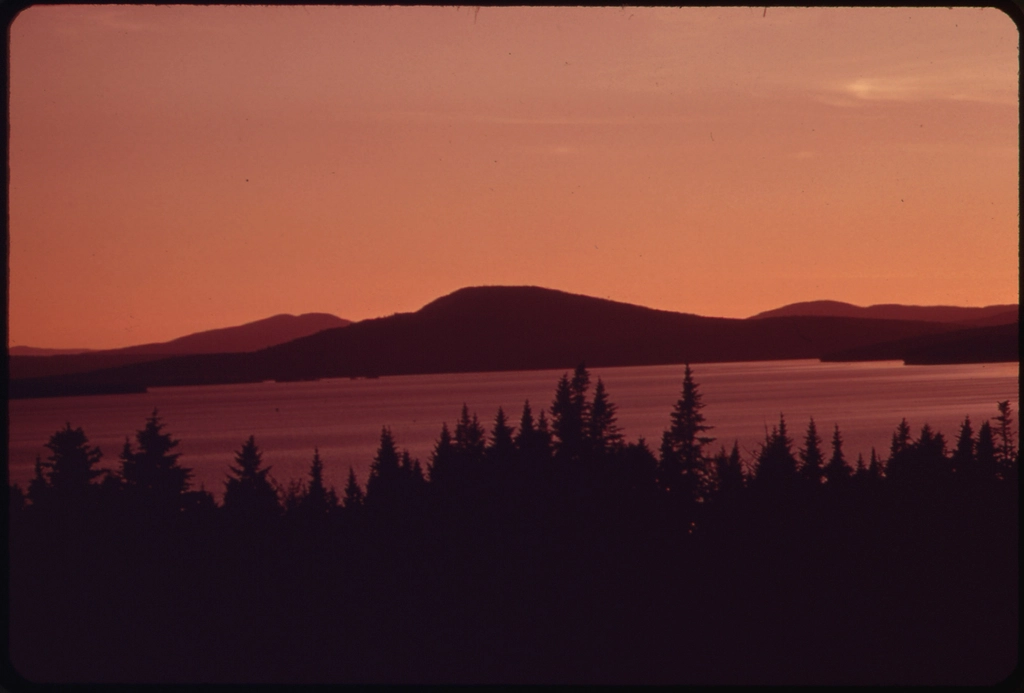

Maine has more places to fish than any other state in the Northeast, and more of them are wild than almost anywhere in the country. Its western mountains hold the largest concentration of native brook trout water left in the United States, its big cold lakes grow trophy landlocked salmon and lake trout, its rivers run striped bass up from the sea every summer, and its rocky coast opens onto a groundfish fishery of cod, haddock, and pollock. You could fish Maine for a lifetime and never repeat yourself.
That range is exactly why a first trip can feel overwhelming. This guide is organized by region, the western mountains, the North Woods, the southern lakes, the central bass water, the big rivers, the coast, and offshore, so you can match where you're headed to what's biting and how to catch it. At the end you'll find how licensing works and how to hire a Registered Maine Guide, the credential that has defined Maine fishing for more than a century.
The Western Mountains and Rangeley Lakes: Brook Trout and Landlocked Salmon
If Maine has a spiritual home for fly anglers, it's the Rangeley Lakes region in the western mountains. Rangeley Lake, Mooselookmeguntic, and the Kennebago waters hold native brook trout, landlocked salmon, and lake trout in cold, clear water ringed by spruce and hardwood ridges. This is where the streamer fly was refined: the legendary Grey Ghost was tied nearby by Carrie Stevens in 1924 to imitate the smelt that salmon and trout chase, and trolling a streamer behind the boat right after ice-out is still the classic way to fish these lakes.
For brook trout, the water gets better the farther you get from the road. Remote ponds reached by logging road or canoe hold wild "brookies" that rise to a dry fly all summer, and the region's small streams stay cold enough to fish through the heat. If you want to understand how to read this water and match a fly, our how to catch brook trout guide breaks down the tactics. Early season, May and early June, right after ice-out, is prime, when salmon and trout cruise the surface chasing smelt.
Fly Fishing for Trout in a Mountain RiverMoosehead Lake and the North Woods: Togue, Salmon, and Fly-In Ponds
North and east of Rangeley, the country opens into the Great North Woods and Maine's largest lake, Moosehead. At roughly 75,000 acres it's an inland sea, and it holds the full cold-water lineup: landlocked salmon, brook trout, and lake trout, called "togue" by Mainers. Moosehead's deep, structured basins are some of the best lake trout water in the state, and its extensive shoals hold smallmouth bass that almost no visiting angler bothers to target.
The North Woods is also where the fly-in tradition lives. Floatplanes out of Greenville carry anglers to remote ponds that hold wild brook trout and see only a handful of fishermen a year, the kind of trip a Registered Maine Guide is often required to run for non-residents. In summer, the salmon and togue slide deep; the most consistent action on the big lakes comes down 35 to 50 feet, where lead-core line, a downrigger, or a lake trout jig gets you into the strike zone.
Trolling a Big Lake for Trout and SalmonSebago Lake and Southern Maine: Trophy Landlocked Salmon
You don't have to drive to the wilderness to catch big fish. Sebago Lake, less than an hour from Portland, is the birthplace of Maine's landlocked salmon fishery and still gives up salmon over ten pounds in spring and fall. Sebago is deep and cold, and it grows both trophy salmon and heavy lake trout. The pattern is classic: troll smelt-imitating streamers and spoons near the surface right after ice-out, then follow the fish down as the water warms through the summer.
Southern Maine's smaller ponds add bass and panfish to the mix, making this the most beginner-friendly corner of the state, plenty of access, plenty of species, and a short drive from either the mountains or the coast.
Central Maine and the Belgrades: Smallmouth Bass
Maine isn't only a trout-and-salmon state. Central Maine, the Belgrade Lakes, Messalonskee Lake, and the lower Penobscot and Kennebec systems, offers some of the best smallmouth bass fishing in the Northeast, and it's wide open from late June through August when the trout waters warm up. Smallmouth here are aggressive and numerous, hitting topwater poppers at dawn, tubes and jigs off rocky points, and soft plastics along the drop-offs. It's the perfect summer complement to Maine's cold-water fishing and a great place to put a first-timer on a lot of fish, start with our how to catch smallmouth bass guide.
The Kennebec and Penobscot Rivers: Striped Bass Run Inland
Every summer, striped bass push out of the Gulf of Maine and run up the state's big tidal rivers. The Kennebec is the marquee striper river, fish move up past Bath and all the way to Augusta, following bait through the estuary from June into September. The Penobscot around Bangor sees the same migration. This is accessible, shore-friendly fishing: work the current seams, rips, and drop-offs on a moving tide with a swimbait, a soft-plastic jerkbait, or a chunk of fresh mackerel or clam. Our how to catch striped bass guide covers the rigs and timing in detail.
Striped Bass Fishing TechniquesThe Coast: Casco Bay to Downeast
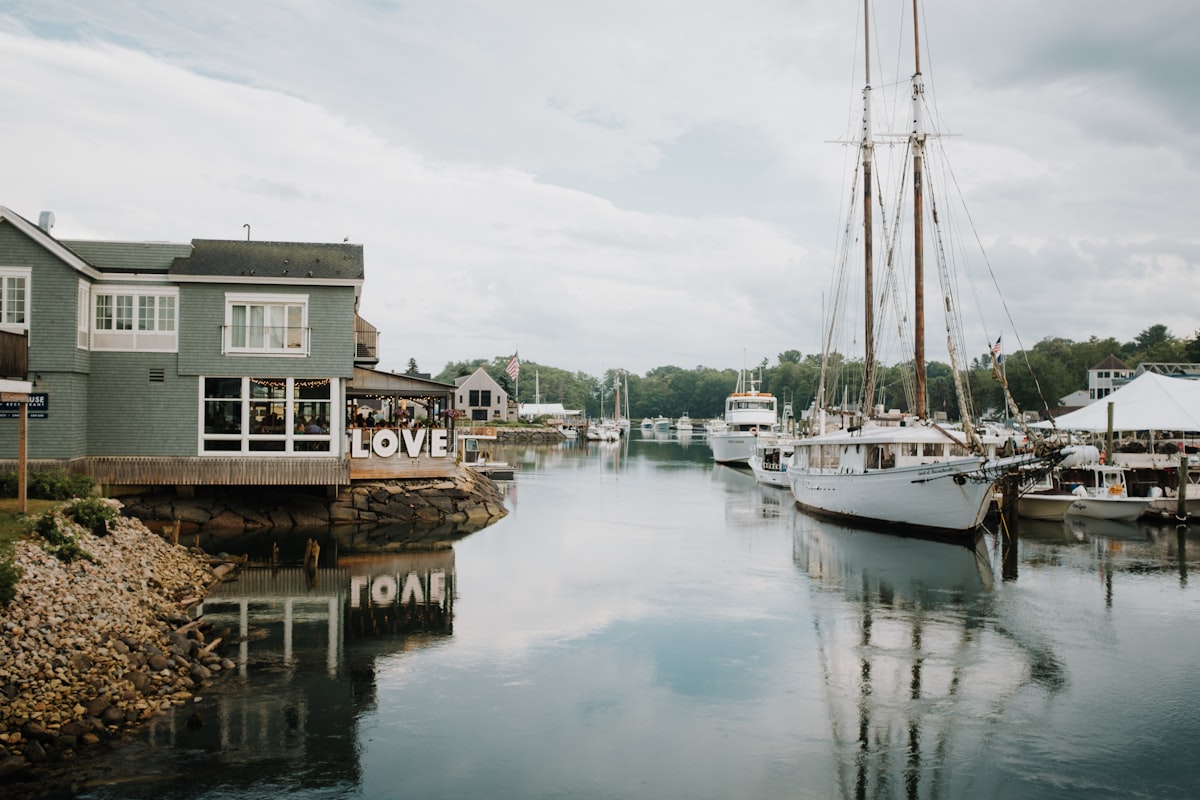
Maine's coast runs thousands of miles of rock, island, and estuary, and striped bass are the headline gamefish from June through early fall. The most productive stretches are in the south, Saco Bay, the beaches and estuaries around Kennebunkport, and the shorelines around Portland and Casco Bay, where stripers chase bait along the sand, the rocks, and the river mouths. Fly and light-tackle anglers sight-fish them on the flats; surfcasters work the beaches at dawn and dusk. If you're basing out of the southern coast, our how to fish Kennebunkport guide zooms in on that stretch, and the local Kennebunkport guide directory lists charters.
Mackerel are the coast's other gift, especially for families and first-timers: from midsummer they swarm the harbors and piers, and a string of small shiny jigs, a "mackerel tree", will catch them by the bucket off almost any dock. It's the easiest saltwater fishing in the state and the best way to get a kid hooked.
Going Offshore: Groundfish Charters
Beyond the beaches, party and charter boats run out of ports up and down the coast for the Gulf of Maine's groundfish, cod, haddock, and pollock, over the wrecks, ledges, and offshore banks. It's straightforward, productive fishing that a complete beginner can do: drop a baited rig or a jig to the bottom, and you're in the game. Cod, haddock, and pollock all carry specific seasons, size limits, and bag limits set by the Maine Department of Marine Resources, and those rules shift from year to year, a licensed charter captain keeps you legal and on fish. Our species guides for cod, haddock, and pollock cover the rigs and jigs that work.
Fishing Maine From Shore
You don't need a boat to catch fish in Maine. In the mountains, the outlet streams and inlet brooks that feed the big lakes concentrate brook trout and salmon within easy wading distance, and dozens of state-stocked ponds have shorebound access and hand-carry launches. In central Maine, the rocky shorelines and public boat landings on the Belgrade Lakes put smallmouth right at your feet on a summer evening. On the rivers, the Kennebec and Penobscot are lined with public access where you can cast to striped bass on foot, and the coast is the most open of all, the beaches around Saco and Old Orchard, the rocks along Casco Bay, and any harbor pier for mackerel. A freshwater license still applies on the ponds and rivers, and the saltwater registry (or fishing aboard a charter) covers you on the coast. Between the tidal rivers, the surf, and the thousands of stocked ponds, shore anglers in Maine are never short of water.
When to Go
Maine's fishing calendar turns hard with the seasons:
- Ice-out to early June: The best trout and salmon window of the year. Troll streamers and smelt imitations near the surface on Rangeley, Moosehead, and Sebago as fish feed in the shallows.
- Late June through August: Smallmouth bass hit their stride in the Belgrades and the river systems; striped bass fill the Kennebec and the southern coast; mackerel swarm the harbors.
- September and October: A second cold-water peak, salmon and brook trout feed hard before winter, and the fall striper run pushes back down the coast.
- Winter: Ice fishing is a Maine institution, with togue, salmon, brook trout, and yellow perch caught through the ice across the state once it's safely locked up.
Ice Fishing: Maine's Winter Season
When the lakes lock up, Maine fishing doesn't stop, it moves onto the ice. Ice fishing is a genuine tradition here, and it's one of the most beginner-friendly ways to catch the state's marquee fish. Anglers set out spreads of tip-ups baited with live shiners for lake trout (togue), landlocked salmon, and northern pike, and jig short rods for yellow perch and brook trout. The flag of a tripped tip-up popping up across a frozen cove is a Maine winter ritual. Popular hardwater destinations include Sebago, Moosehead, and Rangeley, plus countless smaller ponds. A few ground rules make it safe and legal: confirm the ice is thick enough (four inches of clear, solid ice is a common minimum for foot travel), check which waters are open to ice fishing and what the live-bait rules are, some trout ponds are closed or restricted in winter, and dress for real cold. Renting an ice shack or hiring a guide for your first outing takes the guesswork out of finding fish under the ice.
Licenses and Regulations
Inland (freshwater) fishing in Maine requires a license from the Maine Department of Inland Fisheries and Wildlife (IF&W). Residents and non-residents can both buy online, and non-residents can choose short-term licenses, a single day, three days, a week, or the full season, which makes a quick vacation trip easy. Anglers under 16 fish free.
Saltwater is separate: recreational saltwater anglers register with the Maine Saltwater Recreational Fishing Registry through the Department of Marine Resources, unless you're fishing aboard a licensed charter or party boat, in which case the captain's license covers you and no registration is needed. Some of the best trout and salmon waters carry special rules, fly-fishing-only, artificial-lures-only, or catch-and-release stretches, so always check the current IF&W lawbook for the water you're fishing before you keep anything.
Hiring a Registered Maine Guide
Maine invented professional guiding. The state has licensed Registered Maine Guides since 1897, the oldest guide-licensing program in the country, and the patch still means something: a guide who has passed written and oral exams on fishing, safety, navigation, and the law. For a first-timer, hiring one is the single fastest way to get onto fish, especially on the big lakes where boat control and depth matter, or on the remote fly-in ponds of the North Woods where a guide is often required for non-residents anyway.
A good guide supplies the boat, the gear, and, most valuable of all, the local knowledge of where the fish are holding this week. Look for a Registered Maine Guide who specializes in the water and species you're after, whether that's trolling Moosehead for togue, chasing brook trout in the Rangeley backcountry, or running the striper coast out of Portland.
Gear for Maine
Match your kit to the region, but a few things cover most of the state:
- For trolling the big lakes, a medium-action trolling rod with a line-counter reel and lead-core line, or a downrigger, to get streamers and spoons down to the fish.
- A classic smelt-imitating streamer like the Grey Ghost or a Sutton spoon for post-ice-out salmon and trout.
- A 9-foot 5- or 6-weight fly rod for brook trout on ponds and streams; step up to a 7-weight for salmon.
- A medium-power spinning combo like a St. Croix Triumph rod on a Shimano Sedona 2500 reel for smallmouth and river stripers.
- For smallmouth, a Ned rig plus a pack of tubes and topwater poppers.
- For the coast, a 9-foot surf rod with Storm WildEye Shad swimbaits for stripers and a set of small chrome jigs for mackerel.
- Layers and real rain gear, Maine weather turns fast in every season.
Wherever you point the truck, the western mountains, the North Woods, the southern lakes, or the coast, Maine rewards anglers who match the season to the water. Pick the region you're visiting, get the right license, and if you want to shortcut the learning curve, put a Registered Maine Guide in the boat.