Fish
Fish Fire
Fire Hike
Hike Bird
Bird

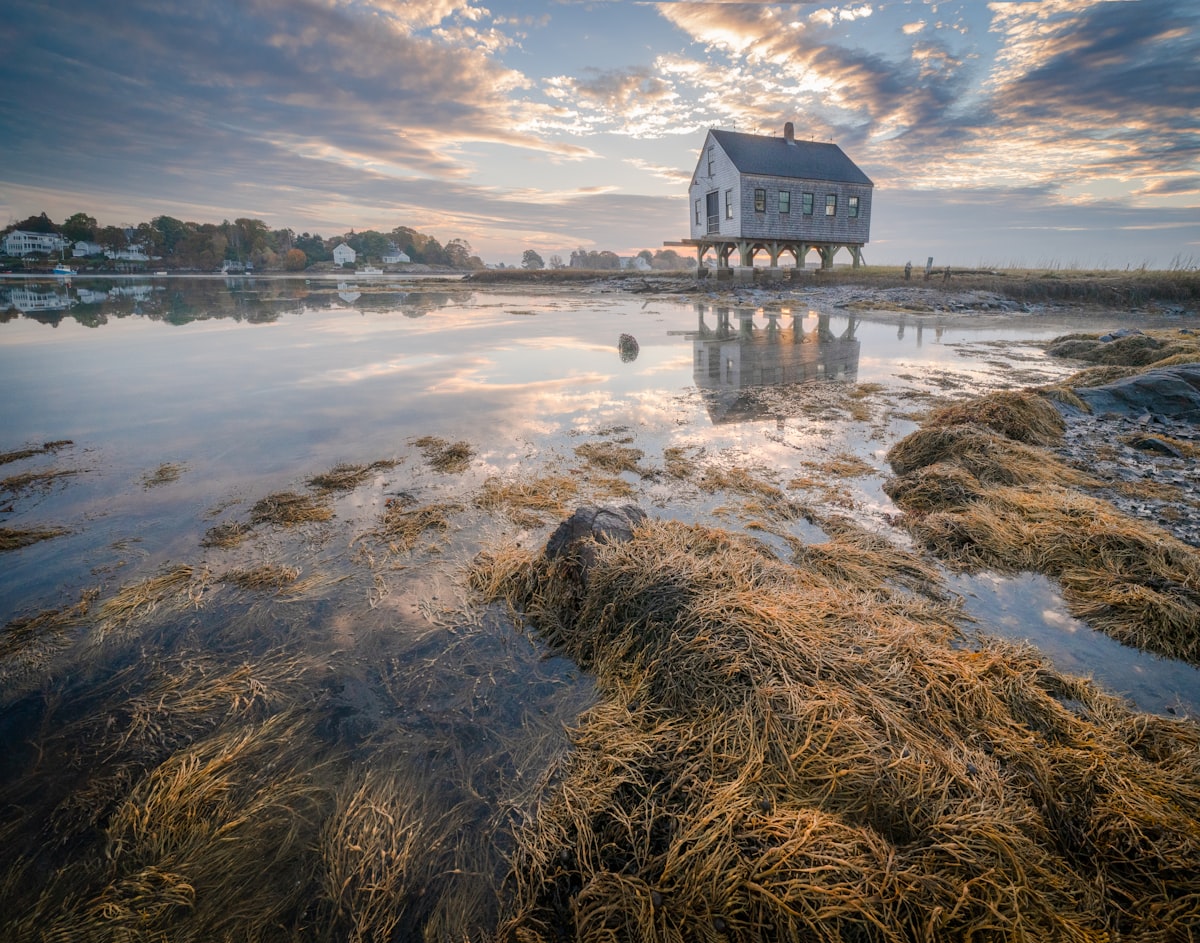

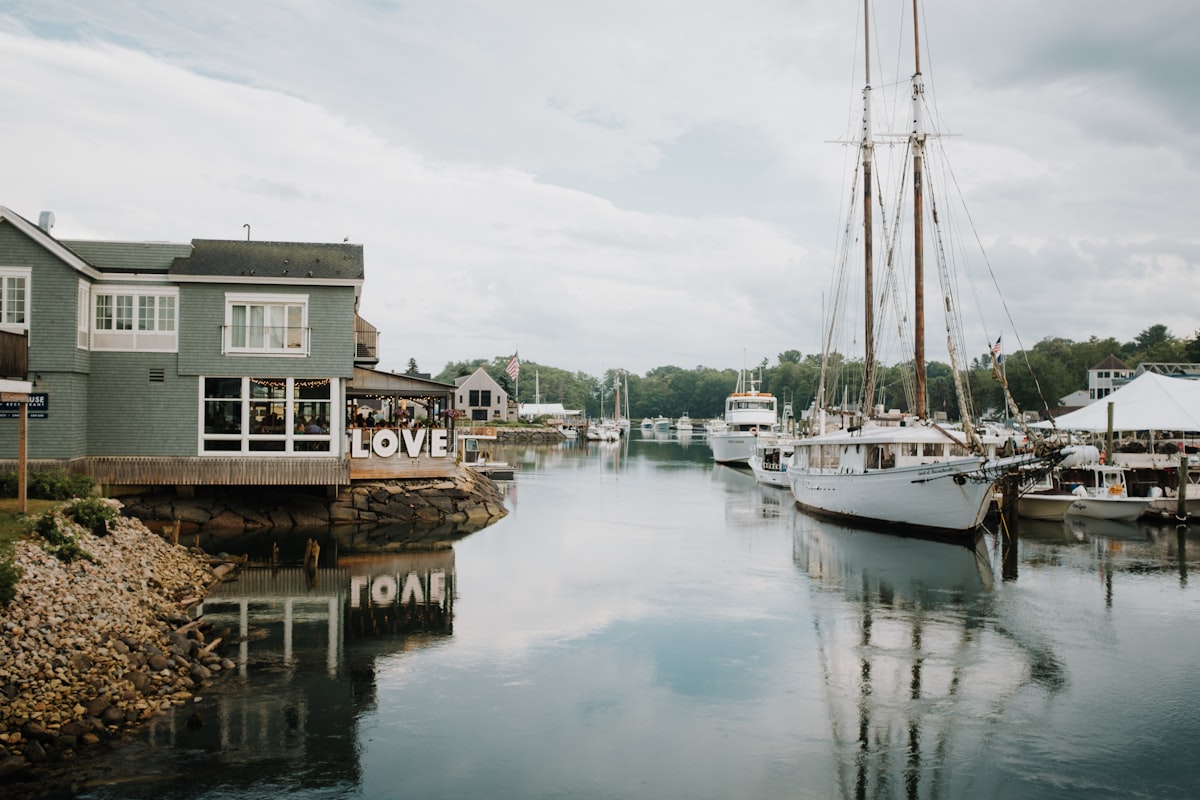
Kennebunkport sits on the southern Maine coast where the Kennebunk River empties into the Atlantic, creating the kind of habitat that striped bass, bluefish, and mackerel have been drawn to for centuries. Rocky jetties guard both sides of the river mouth. Sandy beaches stretch north to Goose Rocks and south toward Kennebunk. Tidal estuaries and salt marshes, including the Rachel Carson National Wildlife Refuge, provide nursery habitat that fuels the inshore food chain. And 20 miles offshore, the Gulf of Maine's deep, cold water holds bluefin tuna that have turned this stretch of coast into one of the Northeast's most exciting offshore fisheries.
This is not a flashy destination. There are no neon charter fleets or crowded piers. Kennebunkport's fishing is quieter, a dawn striper session off the jetty with a handful of locals, a fly rod on the river flats at sunset, a small-boat offshore run for tuna in August. The fishing is excellent precisely because the town hasn't been overrun by it.
If you have fished Montauk or Cape Cod, the species overlap, stripers, blues, tuna, but the Maine coast adds cold-water species like pollock and mackerel, and the crowds are a fraction of what you find further south. If you are coming from inland, this is as accessible as New England saltwater fishing gets.
Striped Bass: The Main Event
Stripers arrive on the southern Maine coast in late May and stay through October, with peak fishing from mid-June through September. The fish migrate north from the Chesapeake Bay and Mid-Atlantic spawning grounds, following baitfish (herring, menhaden, mackerel, sand eels) up the coast. By the time they reach Kennebunkport, the schools include fish from schoolies (18 to 24 inches) to slot-size keepers (28 to 35 inches) to the occasional cow over 40 inches.
Where to Find Them
Kennebunk River mouth and jetties: The two rock jetties at the river mouth are the most productive shore-fishing spots in town. The outgoing tide pushes baitfish from the estuary past the rocks, and stripers stack up along the jetty edges to feed. Fish the last two hours of the outgoing tide and the first hour of the incoming for the best action. The east jetty (Colony Beach side) is easier to access and has more fishable structure.
Goose Rocks Beach: A long sandy beach north of Kennebunkport with a rocky section at the south end. Stripers cruise the trough between the sandbars, especially at dawn and dusk. Best on a mid-tide, high tide pushes them too close to shore to cast to effectively, low tide leaves the troughs dry.
Kennebunk Beach: The town beach south of the river. Good striper surf fishing near the jetty and around the rocky sections. Less crowded than Goose Rocks but parking requires a permit during the day.
Cape Porpoise Harbor: A small working harbor east of Kennebunkport. The rocky shoreline and tidal current around the harbor entrance hold stripers, especially on the outgoing tide. Kayak fishing from Cape Porpoise is excellent, paddle out to the ledges and islands and fish the rocky structure.
The Kennebunk River estuary: Above the Route 9 bridge, the river becomes a tidal estuary with grass flats, oyster bars, and deep channels. Fly anglers wade the flats on low tide casting Clouser Minnows and Deceiver patterns to stripers cruising the shallow water. This is sight-fishing at its best, polarized glasses, quiet approach, accurate casts.
Striper Techniques
Surf casting: A 9- to 10-foot medium-heavy rod with a 4000- to 5000-size spinning reel, 30-pound braided line, and a 30-pound fluorocarbon leader. Cast SP Minnows, Daiwa Salt Pro Minnow, or Yo-Zuri Hydro Minnow in pearl or mackerel patterns. Work them with a slow, steady retrieve. At night or low-light, switch to black or dark-colored soft plastics, a 6-inch Hogy Original in black rigged on a 1-ounce jighead cast along the jetty rocks.
Bait fishing: Chunk mackerel or live mackerel on a fish-finder rig with a 4-ounce pyramid sinker, 5/0 circle hook, and 40-pound leader. Cast it off the jetty or from the beach and let it sit. Clams (salted or fresh) fished on the bottom produce stripers when nothing else works, particularly early in the season before the baitfish arrive.
Fly fishing: An 8- or 9-weight fly rod with a floating or intermediate sinking line. Clouser Minnows (chartreuse/white, size 2), Lefty's Deceiver (white, size 1/0), and Surf Candy patterns in sand eel colors. Wade the river flats on low tide or cast from the jetty rocks. Strip with quick, erratic pulls to mimic fleeing baitfish.
Maine Striper Fishing, Coastal Fly Angler Maine Surf Fishing, Catching Striped Bass From the BeachBluefish: Summer Chaos
Bluefish arrive in July and stay through September, following the same baitfish schools the stripers are eating. Blues in Maine run 2 to 8 pounds, smaller than the New Jersey or Long Island fish, but pound-for-pound the most violent fighters in the Northeast. They travel in schools, feed in frenzies, and will destroy soft plastics, cut through monofilament leaders, and straighten hooks.
Where: The same jetties and beaches that hold stripers. When bluefish are in, you will know, the water erupts as they slash through baitfish schools at the surface, gulls dive overhead, and every cast gets hit.
Technique: Wire leader or heavy fluorocarbon (40-pound minimum) is mandatory, bluefish teeth shred everything else. Metal lures, Kastmaster 1-ounce in chrome, Swedish Pimple, or Hopkins Shorty, are the go-to. Cast them into the feeding frenzy and reel fast. Topwater poppers (Gibbs Polaris Popper, Stillwater Smack-It) work when blues are busting on the surface. Fly anglers use wire-tipped leaders with bright Clouser patterns.
Mackerel: Easy and Everywhere
Atlantic mackerel show up in June and provide non-stop action through August. They school in the harbors, along the jetties, and anywhere baitfish concentrate near structure. Mackerel are small (12 to 16 inches) but aggressive, beautiful, and excellent bait for everything else.
Technique: A sabiki rig (6-hook feathered rig with a small weight) dropped from the jetty or a boat and jigged vertically. Or cast a 1/4-ounce Kastmaster or small metal jig and reel fast. Mackerel hit anything shiny that moves. Use an ultralight rod for maximum fun, they pull hard for their size.
As bait: Live mackerel on a fish-finder rig is the top bait for large stripers and bluefish from the jetty. Hook them through the back just behind the dorsal fin and let them swim.
Offshore: Bluefin Tuna
The Gulf of Maine is one of the premier bluefin tuna fisheries in the world, and Kennebunkport provides access to it. Bluefin move into the gulf from June through November, following schools of herring and mackerel. Fish range from school-size (30 to 60 inches, 20 to 100 pounds) to giant bluefin over 500 pounds. The deep-water ledges and banks 15 to 40 miles offshore concentrate bait and tuna.
Charter fishing is the only practical option for tuna. The boats, electronics, tackle, and knowledge required are specialized. A tuna charter out of Kennebunkport or nearby Cape Porpoise runs $1,500 to $2,500 for a full day (6-8 anglers). Half-day trips for school tuna run $800 to $1,200.
Techniques: Chunking (anchored over structure, chumming with cut herring, fishing chunks on circle hooks at various depths) is the primary method for giant bluefin. Trolling with spreader bars, cedar plugs, and skirted ballyhoo covers more water and targets school tuna. Jigging with heavy vertical jigs (200 to 300 grams) over structure produces when fish are deep.
Season: August and September are peak. Permits and regulations for bluefin tuna are managed by NOAA, a federal Highly Migratory Species permit is required in addition to your Maine license. Catch limits change frequently during the season. Your charter captain handles the permits and regulatory compliance.
Fishing in Maine, Jetty Fishing for StripersOther Species Worth Targeting
Pollock: Available year-round from the jetties and nearshore structure. Cast metal jigs or soft plastics along the rocks. Pollock are aggressive, fight well, and are excellent eating. 2 to 5 pounds average.
Flounder (summer flounder/fluke): Sandy bottom in the river and near the beaches. Drift a bucktail jig tipped with a strip of squid or gulp along the bottom. Best in July and August.
Black sea bass: Increasing in Maine waters as ocean temperatures warm. Found on rocky structure offshore. Caught on the same bottom-fishing trips that target cod and pollock.
Cod and haddock: Farther offshore (20+ miles), available year-round but best in spring and fall. Party boat and charter trips out of nearby ports target these on bottom rigs with clams, squid, or jigs.
Access Points and Parking
Colony Beach / East Jetty: Walk-in access from Ocean Avenue. Limited street parking, arrive early in summer. The east jetty is the primary fishing jetty.
Goose Rocks Beach: Beach access via King's Highway. Parking requires a Kennebunkport beach permit in summer ($25/day, $75/season). Best access at the south end near the rocks.
Kennebunk Beach: Parking by permit only during beach season (June-Labor Day). Free in the off-season. Accessible from Beach Avenue.
Cape Porpoise Harbor: Public parking at the harbor. Walk-out access to the rocks. Kayak launch available.
Boat launches: The Kennebunk River has a public boat launch at Government Wharf. Cape Porpoise has a launch ramp. Both get crowded on summer weekends, launch early.
Fishing License and Regulations
Maine requires a fishing license for recreational saltwater fishing for anyone 16 and older (residents) or 12 and older (nonresidents).
| License Type | Cost |
|---|---|
| Resident annual | Free (register online) |
| Nonresident annual | $35 |
| Nonresident 3-day | $23 |
| Nonresident 1-day | $11 |
Striped bass: Slot limit of 28 to 35 inches, 1 fish per day. All fish outside the slot must be released. Circle hooks required when using natural bait.
Bluefish: 3 fish per day, 12-inch minimum. No size maximum.
Bluefin tuna: Federal HMS permit required. Limits change throughout the season, check NOAA's Atlantic Tunas regulations before each trip. Your charter captain manages this.
Important: Maine's striped bass regulations have been tightening. Always check the Maine DMR website for current rules before your trip.
When to Come
Late May-June: Stripers arrive. Early season fishing in the river and estuaries. Mackerel start showing up in the harbors. Fewer crowds, cooler weather.
July-August: Peak season. Stripers, bluefish, and mackerel all present along the coast. Bluefin tuna offshore. The busiest tourist season, parking is tight, but the fishing is at its best.
September-October: The fall run. Stripers feed aggressively before migrating south. Bluefish make a final push. The biggest stripers of the year often come in September and October. Fewer tourists, cooler mornings, spectacular foliage.
November: Late-season stragglers. Die-hard anglers fish the last stripers of the year. Tuna trips wind down. Cold, windy, and rewarding if you dress for it.
Practical Details
Getting there: Kennebunkport is on the southern Maine coast, about 30 minutes south of Portland, 90 minutes north of Boston. Easy drive from anywhere in New England. Portland International Jetport (PWM) is the closest airport.
Tides matter. Every fishing decision here revolves around the tide. The outgoing tide is generally best for jetty and river-mouth fishing. Mid-tide is best for surf casting on the beaches. Low tide exposes the river flats for fly fishing. Check the NOAA tide chart for Kennebunkport before every session.
What to bring: Waders (spring and fall, the water is cold), waterproof jacket, polarized sunglasses, headlamp for dawn/dusk sessions. Surf fishing requires sand spikes or a rod holder. Bring a cooler if you plan to keep fish.
Where to stay: Kennebunkport is a tourist town with abundant lodging from budget motels to luxury inns. Dock Square (the village center) has restaurants, shops, and galleries. Off-season rates (October through May) are significantly lower.
Maine Stripers, Evening Surf Casting Beach Fishing for Striped Bass in Southern Maine