Fish
Fish Fire
Fire Hike
Hike Bird
Bird

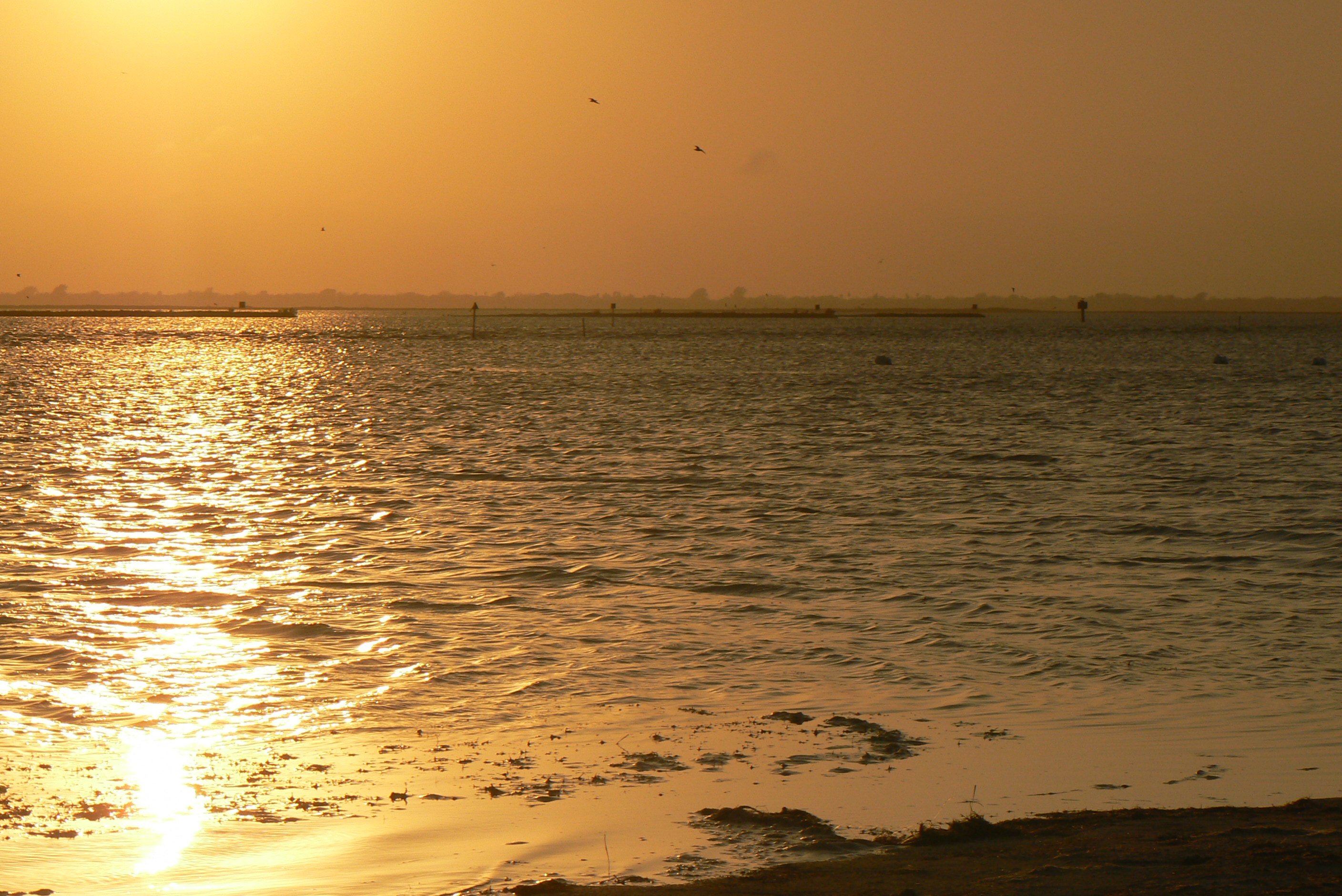
The Laguna Madre is one of the rarest fisheries in the world, a shallow, hypersaline lagoon, one of only a handful on the planet, stretching more than 130 miles behind Padre Island from Corpus Christi to the Mexican border. Saltier than the Gulf itself, gin-clear over vast seagrass flats, and rarely more than knee- to waist-deep, it is the crown jewel of the Texas coast and arguably the best sight-fishing water in the country. This is where you stalk redfish and trophy speckled trout in water so clear you cast to fish you can see.
For a first-timer, the key is understanding that the Laguna is really three fisheries, the Upper Laguna and Baffin Bay, the remote Land Cut, and the Lower Laguna, each with its own character, plus one signature way to fish them all: sight-casting the flats.
Why the Laguna Madre Is Different
Most bays get a steady flush of river water. The Laguna Madre barely gets any, and the hot South Texas sun evaporates what's there, leaving water saltier than the ocean. That hypersalinity is the secret to the whole fishery: it keeps the water remarkably clear, grows some of the densest seagrass meadows on the Gulf, and supports enormous populations of shrimp, crabs, and baitfish. Clear water plus thick grass plus a buffet of forage equals big, healthy redfish and the largest speckled trout in Texas. The shallowness, much of it one to four feet deep, is what makes sight-fishing not just possible but the primary game.
The Upper Laguna Madre and Baffin Bay
The Upper Laguna runs from the JFK Causeway near Corpus Christi south to the Land Cut. Its grass flats hold redfish and trout year-round, with Bird Island Basin in Padre Island National Seashore a favorite kayak and wade access. But the crown of the Upper Laguna is Baffin Bay, a shallow arm famous worldwide for producing giant speckled trout. Baffin's odd underwater "rock" reefs, actually ancient serpulid worm formations found almost nowhere else, hold the biggest specks in Texas, and every winter and spring anglers chase trout of a lifetime here on slow-worked soft plastics and topwaters. In summer, live croaker fished on the bottom is the local's ticket to those outsized trout.
The Lower Laguna Madre
South of the Land Cut, the Lower Laguna runs down to Port Isabel and South Padre Island. This is postcard flats fishing, vast, clear, shin-deep grass and sand flats where redfish tail in the mornings and fly anglers sight-cast from poling skiffs. Port Mansfield, a quiet town built around fishing, is the northern gateway and one of the premier flats-fishing launches on the coast; the South Padre Island and Arroyo City area anchors the south. The Lower Laguna is also the northern edge of the snook's range, so along with reds, trout, black drum, and flounder you have a shot at a snook here that you won't get farther up the Texas coast. If you're basing on the island, our how to fish South Padre guide zooms in on that stretch.
The Land Cut
Between the two lagunas lies the Land Cut, a remote 25-mile dredged channel slicing through hypersaline mud flats so shallow and barren they nearly go dry. There are no towns, no ramps, and little shelter out here; anglers run long distances or camp on spoil islands to fish it. The reward is isolation and quality: big trout and reds that see little pressure, cruising the edges of the channel and the spoil banks. It's advanced water, respect the remoteness and the wind, but it's the wildest corner of the whole system.
Getting Around Skinny Water
Much of the Laguna is so shallow that a normal boat can't reach the best water, and figuring out how to get around is half the challenge. Shallow-draft bay boats, poling skiffs, kayaks, and even airboats all have their place. Many guides run a boat to the edge of a flat and then pole or wade the last stretch, because a hull pushing across skinny water spooks every fish for a hundred yards. Kayaks are a fantastic, affordable way in, they draw almost nothing and let you slip silently onto tailing fish. Wherever you launch, learn the water: the Laguna is full of unmarked shallow spoil banks and grass beds that will leave a careless boater stuck far from help, and the wind can turn a calm morning into a long, dangerous ride home. Study a map, watch the tide and wind, carry a push pole or paddle, and never run water you can't read. The reward for going slow and shallow is access to fish that rarely see a lure.
Inshore Fishing for Redfish and TroutSight-Casting the Flats
The signature technique of the Laguna Madre is sight-casting, and it's a thrill unlike any other kind of fishing. You pole or wade slowly across a clear flat wearing polarized glasses, watching for a redfish's copper back or waving tail, a wake pushing across skinny water, or the flash of a feeding trout. When you spot a fish, you lead it, dropping a soft plastic, a topwater, or a fly a few feet ahead of its path so it swims into the bait rather than being lined by the cast. In water this clear the fish are spooky, so stealth is everything: a quiet approach, a soft presentation, and a long, accurate cast. It's hunting as much as fishing, and once you've caught a tailing red you spotted from thirty feet away, you'll understand why anglers travel from all over the world to do it here.
Fishing Popping Corks for Redfish and TroutWade Fishing: The Texas Tradition
You don't need a boat to fish the Laguna. Wade fishing is a deep Texas tradition here, you slip out of the boat or off the bank and walk the grass flats, covering water quietly on foot with a stringer or a small kayak trailing behind. Wading lets you approach spooky fish far more stealthily than a boat and keeps you on the fish once you find them. Work the grass lines, the sand pockets, and the drop-offs; in summer, a live croaker or a soft plastic under a popping cork worked over the grass draws vicious strikes from big trout. It's the most affordable, most accessible way into the Laguna's magic.
The Species
- Redfish, the bronze bulldog of the flats, tailing in the shallows and pushing wakes; our how to catch redfish guide covers the tactics.
- Speckled (spotted) trout, abundant on every flat, and in Baffin and the Upper Laguna, the biggest in the state; see how to catch spotted seatrout.
- Black drum, school up in big numbers and pull hard; how to catch black drum.
- Flounder, ambush the passes and drains, with a famous fall run as they migrate to the Gulf; how to catch flounder.
- Plus snook at the southern end, sheepshead around structure, and jack crevalle blitzing bait in the passes.
Reading the Flats
The seagrass is the engine of the Laguna, but you don't fish the thickest grass, you fish the edges and the bare sand pockets (locals call them "potholes") scattered through the grass, where a redfish or trout sits waiting to ambush prey crossing the open sand. Learn to see those lighter sand holes and the grass lines between depths, and you've found the fish. Water clarity and wind rule the day: a light wind that ripples the surface without muddying it is ideal, while a hard blow that stirs the bottom pushes fish to cleaner, more protected water. Early morning, before the wind builds and the sun climbs, is prime sight-fishing time.
Protecting the Grass
The seagrass meadows are the whole reason the Laguna Madre fishes the way it does, and they're fragile. Running a boat motor across shallow grass tears long "prop scars" that can take years to heal, and enough scarring degrades the habitat that grows the shrimp, crabs, and baitfish the entire fishery depends on. Texas has designated areas, including parts of the Lower Laguna, where you must lift your motor and pole, paddle, or drift across the grass rather than run or power across it. Beyond the rules, it's simply good stewardship: pole or use a trolling motor over grass, run only in marked channels and deeper water, and stay off the flats you're not actively fishing. The anglers who protect this place are the reason it's still world-class, and treating the grass gently keeps the trophy trout and reds coming for the next generation.
When to Go
- Spring: Trout move shallow to spawn and redfish feed hard after winter, prime topwater season on the flats.
- Summer: Early and late in the day are best; live croaker is the go-to for trophy Baffin and Upper Laguna trout, and reds tail on morning flats.
- Fall: Many anglers' favorite, redfish school in big numbers and the flounder run lights up the passes as fish stage to move to the Gulf.
- Winter: The clearest water of the year. Big trout hunt slowly worked soft plastics, and reds pod up in the sand potholes on warm afternoons.
A Beginner's First Trip
If it's your first time, don't try to do it all. Spending a morning with a wade-fishing or flats guide out of Port Mansfield, Corpus Christi, or South Padre is one of the fastest ways in, you'll learn to spot fish, read the grass, and make the shots far faster than going it alone, and you'll come away knowing whether sight-fishing is for you (it usually is). If you'd rather go on your own, rent or bring a kayak, launch somewhere like Bird Island Basin, and wade the nearest grass flat at first light with a soft plastic under a popping cork and a topwater tied on. Keep it simple: fish the sand pockets, move quietly, and watch the water ahead of you. Catching one redfish you spotted and stalked in shin-deep water will teach you more about the Laguna than a dozen articles, and it will hook you on the clearest flats in Texas.
Licenses and Regulations
You'll need a Texas fishing license with a saltwater endorsement from Texas Parks and Wildlife (TPWD). Redfish and speckled trout carry slot limits and bag limits that TPWD adjusts periodically, and the Lower Laguna trout limits have differed from the rest of the coast in recent years to protect the fishery, so always check the current TPWD regulations for the exact zone before you keep anything. Redfish over the slot require a tag. The rules here are taken seriously; know them cold.
Wind, Weather, and the Best Conditions
Nothing dictates a Laguna fishing day like the wind. South Texas is one of the windiest coasts in the country, and the same breeze that feels like a nuisance can be a blessing: a light 5-to-12-mph wind puts a gentle ripple on the flats that hides your approach and gets fish feeding, while a hard 20-plus-mph blow muddies the shallows, kills your visibility, and pushes you to hunt for cleaner water in the lee of a shoreline or spoil bank. Learning to fish the protected lee sides on windy days is a core Laguna skill. A falling barometer ahead of a cold front often triggers a strong bite, and the clear, cold, calm days right behind a winter front are prime for stalking big trout in skinny water. Summer mornings are usually dead calm, the best sight-fishing window of the day, before the sea breeze fills in by mid-morning. Check the wind forecast as carefully as the tide, plan which shorelines will be protected, and always keep an eye on building weather, because the Laguna's open, shallow expanses leave you nowhere to hide when a storm rolls through. Read the wind as well as you read the grass and you'll fish this place on its best terms.
Guides and Gear
A guide with a poling skiff or a shallow-water bay boat is the fastest way to learn to see and stalk fish on the flats, the sight-fishing skill takes time, and a good guide shortcuts years of learning. For gear, a 7-foot medium spinning rod with 10- to 20-pound braid covers most of it. Stock soft plastics like a Bass Assassin Sea Shad or a DOA Shrimp, a topwater like the Heddon Super Spook Jr or a MirrOlure She Dog for morning blowups, and a Mansfield Mauler popping cork for working plastics over the grass. Fly anglers want an 8-weight with weedless shrimp and crab patterns. Bring polarized sunglasses, they aren't optional here, plus sun protection and plenty of water for the South Texas heat. If you're fishing the northern end, our how to fish Rockport and how to fish Corpus Christi guides cover the towns nearby.
The Laguna Madre rewards patience, stealth, and clear eyes. Pick your stretch, Baffin for a giant trout, the Lower Laguna for tailing reds, the Land Cut for solitude, check the current TPWD rules, put on your polarized glasses, and go hunt the clearest, wildest flats on the Texas coast.