Fish
Fish Fire
Fire Hike
Hike Bird
Bird

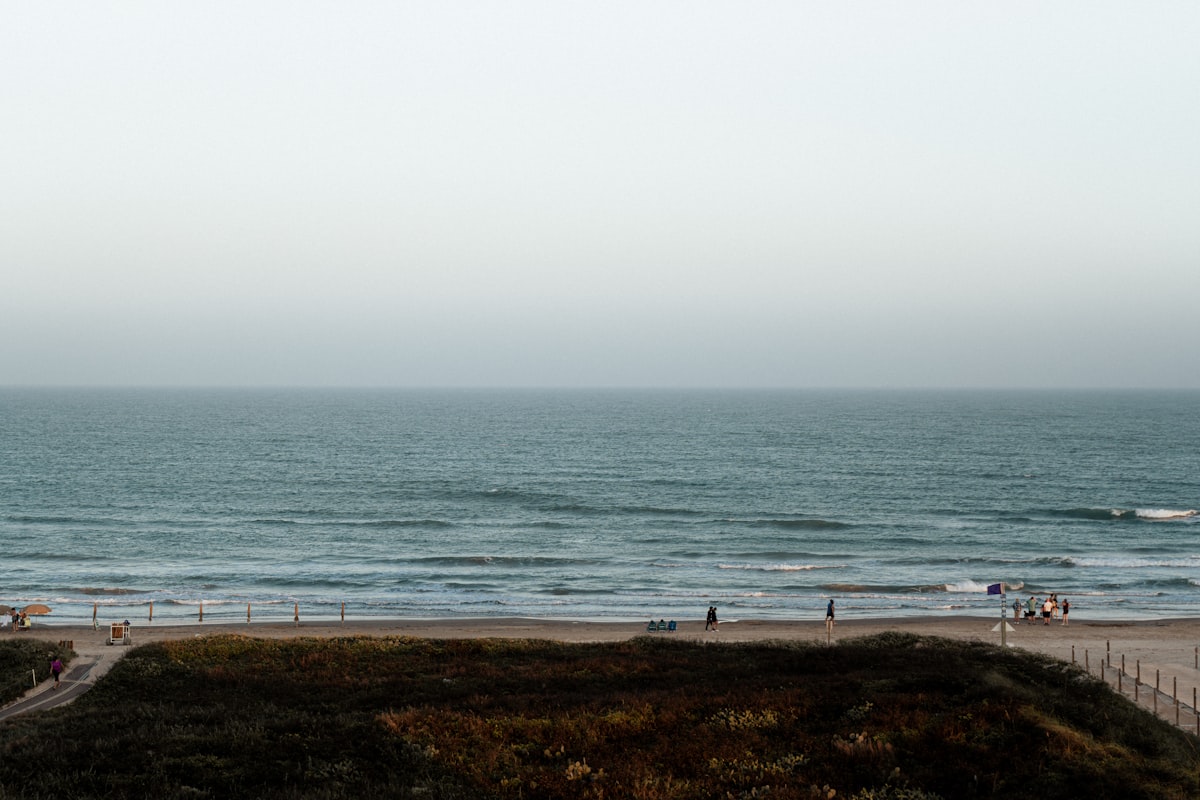

South Padre Island is a 34-mile barrier island at the southern tip of Texas, separated from the mainland by the Laguna Madre, one of only six hypersaline bays in the world and one of the most productive shallow-water fisheries in the entire Gulf of Mexico. The Laguna Madre is what makes South Padre different from every other beach town in Texas. It is shallow, averaging two to three feet deep, crystal clear on calm days, and carpeted with seagrass that supports an absurd density of redfish, speckled trout, flounder, and black drum. You can wade into this water in shorts and sandals and catch fish that would make a tournament angler jealous.
On the Gulf side, miles of undeveloped beach produce surf fishing for pompano, whiting, redfish, and sharks. The Brazos Santiago Pass jetties at the island's southern tip funnel tidal current and bait between the Laguna Madre and the Gulf, creating a natural fish magnet. And 15 to 50 miles offshore, the rigs and reefs of the Gulf of Mexico hold red snapper, kingfish, mahi-mahi, and the occasional blue marlin.
This guide covers the practical how-to for each fishery. For the full destination overview, seasons, species, charter fleet, and trip planning, read our complete South Padre Island fishing guide. For more Texas Gulf Coast fishing, see our Port Aransas guide and our Galveston guide.
Wade Fishing the Laguna Madre: The Main Event
Wade fishing is the signature South Padre experience. You park your truck, walk into the Laguna Madre, and fish on foot in water that rarely comes above your waist. No boat, no guide, no kayak required, just you, a rod, and a flat full of fish. It is the most accessible and rewarding fishing on the Texas coast.
Where to Wade
Holly Beach, the south end of the island on the bay side, is the most popular wade spot. Extensive seagrass flats hold good numbers of speckled trout and redfish. The bottom is firm sand and grass, generally easy to walk. Watch for oyster beds (they'll slice your feet through thin wading shoes) and shuffle your feet to avoid stingrays.
South Bay, the shallow embayment south of the causeway, is quieter and less pressured than Holly Beach. Excellent sight-fishing for tailing redfish on low tides. Accessible by kayak or by wading from the bank along Highway 100.
The Flats north of the causeway, wade out from the bay-side parking areas along Park Road 100. The grass flats here hold trout and redfish year-round, with fall being especially productive for schools of reds.
East Cut and the Gas Wells, deeper channels and structure in the upper Laguna Madre, best accessed by boat or kayak. Excellent for trout and flounder along the channel edges.
Gear
A 7-foot medium-action spinning rod with a 3000-size reel is the standard wade fishing setup on the Texas coast. A Penn Battle III 3000 combo or Shimano Nasci 3000 handles everything you'll encounter. Spool with 10- to 15-pound braid (PowerPro Spectra or Sufix 832) and a 2- to 3-foot leader of 15- to 20-pound Seaguar Blue Label fluorocarbon. The clear Laguna Madre water makes fluorocarbon leader essential, fish can see mono.
Bring a wade fishing belt with pliers, a stringer or fish grip, and a small tackle box. A Boga Grip or lip gripper is worth the investment for handling redfish without dropping them.
Lures and Bait
Soft plastics are king in the Laguna Madre. A 4-inch Bass Assassin Sea Shad or MirrOlure Lil John in plum/chartreuse, morning glory, or Texas chicken color on a 1/8- to 1/4-ounce jighead is the all-purpose Texas coast lure. Cast it over grass, let it sink to the bottom, and retrieve with a slow twitch-pause-twitch cadence. Trout and reds eat on the pause.
Topwater plugs, a Heddon Super Spook Jr or MirrOlure She Dog in bone or chrome is the morning lure. Fish it at first light over shallow grass when the water is calm. The walk-the-dog retrieve draws explosive surface strikes from trout and reds. Topwater fishing is the most exciting technique in the Laguna Madre, and South Padre mornings are often flat calm, perfect conditions.
Gold spoon, a Johnson Silver Minnow in gold (weedless) is the classic redfish sight-fishing lure. When you see a red tailing on the flat, cast the spoon ahead of the fish and retrieve with a steady wobble.
Live bait, live shrimp under a popping cork (Cajun Thunder or MirrOlure Provoker) is the most effective rig for beginners. Hook a live shrimp through the horn on a #1 or 1/0 Gamakatsu Octopus hook, suspend it 18 inches under the cork, and pop it along grass edges and sand potholes. Everything in the Laguna eats live shrimp.
Wade Fishing Fun with the Family in South PadreWade Fishing Tips
The shuffle is not optional. Stingrays bury in the sand of the Laguna Madre, and stepping on one means a trip to the ER. Shuffle your feet, slide them along the bottom instead of stepping, and the rays will swim away before you reach them. Wear stingray guards or thick-soled wading boots for extra protection. Simms Zipit II booties or Korkers Darkhorse wading boots are popular choices.
Read the water. Look for bait activity, mullet jumping, shrimp popping on the surface, birds working. Where the bait is, the gamefish are close. Slicks, oily patches on the surface that smell like watermelon, indicate trout feeding below. Wade toward slicks.
Work the wind. A light southeast wind (10 to 15 mph) is ideal, it pushes bait against the shoreline and muddies the water just enough to give you an advantage over spooky fish. Dead calm days are beautiful but fish see you coming. Heavy wind (20+ mph) makes wade fishing miserable and dangerous, the Laguna gets choppy fast in shallow water.
Redfish Fever, South Padre Island Wade FishingJetty Fishing: Where Bay Meets Gulf
The Brazos Santiago Pass jetties extend from the southern tip of South Padre Island into the Gulf of Mexico, flanking the ship channel that connects the Laguna Madre to open water. The jetties create current, structure, and depth changes that concentrate bait and predators. This is the heaviest tackle fishing on the island, the current is strong, the rocks are slippery, and the fish are big.
What You'll Catch
Redfish (slot and bull), snook (yes, South Padre is near the northern edge of snook range), sheepshead, black drum, Spanish mackerel, jack crevalle, and tarpon (summer). The jetties also produce mangrove snapper and the occasional cobia.
Tackle and Technique
Step up to a 7-foot medium-heavy spinning rod with a 4000-size reel, a Penn Battle III 4000 or Daiwa BG 4000. Spool with 20- to 30-pound braid and a 25- to 30-pound fluorocarbon leader. The rocks eat lighter line.
For redfish and black drum: A Carolina rig with a 1- to 2-ounce egg sinker, 3-foot fluorocarbon leader, and 3/0 Owner SSW circle hook baited with a chunk of fresh-cut mullet, shrimp, or blue crab. Cast along the rocks and let the current sweep the bait into the crevices where fish hold.
For sheepshead: Fiddler crabs or small pieces of shrimp on a #1 Gamakatsu Octopus hook with a split shot, dropped tight against the jetty rocks. Sheepshead nibble, watch your rod tip and set the hook at the first sustained pull.
For mackerel and jacks: Cast a Gotcha plug or 1-ounce Kastmaster spoon past the rocks and retrieve fast. Mackerel and jacks cruise the jetty edges in schools, and when they're there, the action is nonstop.
Wade Fishing SPI for RedfishSafety
The jetty rocks are slick with algae, sharp with barnacles, and uneven. Wear shoes with good grip, not sandals. Watch the waves, swells can wash over the lower rocks without warning. Fish with a buddy. Don't wade at the jetty tip where the current is strongest.
Surf Fishing: Miles of Empty Beach
South Padre's Gulf beach stretches for miles, much of it undeveloped north of the hotel zone. This is classic Texas surf fishing, drive onto the beach (4x4 required north of the access ramps), set up your rods in sand spikes, and wait for the fish to come to you.
What You'll Catch
Pompano are the prize, they run the surf from March through November, eating sand fleas and small crustaceans in the first and second sandbars. Pompano are fast, shiny, and one of the best-eating fish in the Gulf.
Whiting (Gulf kingfish) are the most consistent catch year-round. Small but plentiful and good eating.
Redfish cruise the first gut (the trough between the beach and the first sandbar) on incoming tides.
Sharks, blacktip, spinner, and bull sharks, are common in the surf, especially at dawn and dusk. They'll hit a large cut bait on a wire leader.
Gear and Rigs
A 9- to 10-foot medium-heavy surf rod with a 5000-6000 reel, Penn Battalion II Surf 10' or Daiwa Emcast Surf, handles the South Padre surf. Spool with 20-pound PowerPro braid and a 30-pound mono shock leader.
Pompano rig: A two-hook pompano rig with #2 kahle hooks baited with Fishbites (sand flea or shrimp flavor) or fresh-cut shrimp. Use a 2- to 3-ounce pyramid sinker to hold bottom in the current. Cast into the second trough.
General bottom rig: A fishfinder rig with a 3-ounce pyramid sinker sliding on the mainline, a swivel, 2-foot fluorocarbon leader, and 2/0 circle hook baited with cut mullet or shrimp. Catches whiting, redfish, black drum, and everything else.
How to Tie a Pompano Rig for Surf FishingPier Fishing
Pirate's Landing Fishing Pier, on Highway 100 beside the Queen Isabella Causeway, is the longest fishing pier in Texas. It extends into the Laguna Madre and produces speckled trout, redfish, sheepshead, black drum, flounder, and catfish. Rod rental and bait available on-site. No fishing license needed on the pier.
The pier fishes best on moving tides, incoming is generally more productive. A standard bottom rig with cut shrimp or live shrimp under a popping cork handles most pier species. The pilings hold sheepshead, drop a piece of shrimp or fiddler crab tight against the concrete.
Offshore
South Padre's offshore fleet runs out of Port Isabel and South Padre marina. Half-day trips ($150 to $250 per person on a party boat, $600 to $1,000 for a private charter) target the near-shore rigs and reefs in 60 to 100 feet for red snapper, vermilion snapper, king mackerel, and amberjack.
Full-day trips ($1,500 to $2,500 private) push farther to deeper rigs for yellowfin tuna, mahi-mahi, and wahoo. Red snapper season (June through August, specific dates set by NOAA) is the marquee offshore event, limit out and come back with a cooler full of some of the best-eating fish in the Gulf.
What to expect on a party boat: You board at the Port Isabel dock, the captain runs 45 minutes to an hour to the rigs or reefs, and you drop a chicken rig baited with squid or cut bait to the bottom. Red snapper bite aggressively and fight hard, the crew helps you with everything from baiting hooks to gaffing fish. The boat provides all gear, bait, tackle, and your fishing license. Bring sunscreen, a hat, snacks, and something for seasickness if you're prone, the Gulf chop can be rough on summer afternoons. The crew cleans and bags your catch at the dock.
King mackerel (kingfish) run past the island from April through October. They're caught by trolling live bait or spoons behind the boat along the reef edges. When a king hits, the reel screams and the fight is fast and powerful, kingfish are one of the hardest-fighting fish in the Gulf for their size.
Knots You Need
Double Uni Knot, braid to fluorocarbon leader. Essential for every wade fishing setup.
Improved Clinch Knot, lure or hook to leader. Fast and reliable.
Loop Knot (Rapala Knot), gives topwater plugs and soft plastics maximum action.
Dropper Loop, for multi-hook pompano rigs in the surf.
Double Uni Knot: How to Tie Braid to FluorocarbonPractical Details
Fishing License: Texas requires a fishing license for anyone 17 and older. Non-resident: $11 for 1 day (all-water), $26 for 5 days, $47 for 14 days, $68 annual. Includes saltwater stamp. Available at texasoutdoors.tpwd.texas.gov or at local tackle shops and the Blue Marlin Supermarket on the island. Pirate's Landing Pier covers your license. Charter boats cover your license.
Where to Buy Tackle and Bait: Jim's Pier Bait Stand and Pirate's Landing sell live shrimp, frozen bait, and basic tackle. Academy Sports (Brownsville, 25 minutes) has full gear selection. For live croakers and piggy perch (premium trout bait), ask at the bait stands, availability varies by season.
What to Wear: In summer (June through September), wade fish in quick-dry shorts, a long-sleeve sun shirt, and wade boots or stingray guards. Polarized sunglasses are essential for sight-fishing the clear Laguna Madre. Sunscreen (SPF 50+, reapply often). In winter, the Laguna is cold, neoprene waders if you're wading.
Best Times: Early morning (first light to 9 AM) is best for wade fishing, calm water, active fish, topwater bite. Moving tides beat slack tides for every fishery on the island. The fall run (October through December) is the best overall fishing, huge schools of redfish on the flats, aggressive trout, and comfortable weather.
For the full rundown of South Padre Island's fishing seasons, charter options, and trip planning, read our complete South Padre Island guide. For more Texas coast fishing, see our Port Aransas how-to guide and our Galveston how-to guide.