Fish
Fish Fire
Fire Hike
Hike Bird
Bird

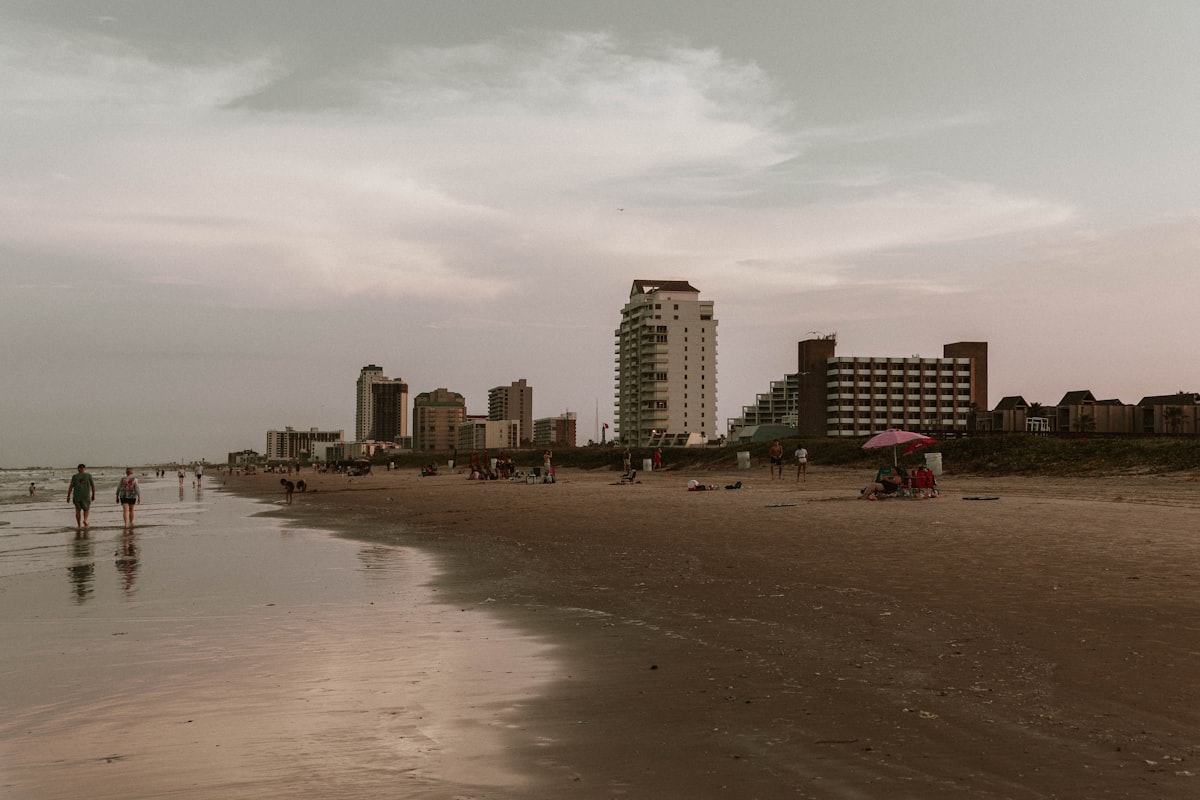

South Padre Island sits at the extreme southern tip of Texas, where the Lower Laguna Madre meets the Gulf of Mexico through the Brazos Santiago Pass. The fishing here is different from the rest of the Texas coast, and that's not marketing, the species mix, the ecosystem, and the water itself are genuinely unique.
The Lower Laguna Madre is one of only six hypersaline lagoons in the world. About 80 percent of the remaining seagrass habitat in the entire state of Texas sits in this system. That seagrass is the engine, it shelters shrimp, crabs, and baitfish, which in turn feed the gamefish that bring anglers from across the country.
The Snook
South Padre Island is home to the only sizable snook population in the United States outside of Florida. That alone is worth the trip if you're a serious angler.
Snook were plentiful along the south Texas coast until commercial gill netting devastated the population in the 1940s. The fish are still rebuilding, but the Brownsville Ship Channel and the lower Laguna Madre now hold enough snook to support a genuine recreational fishery. The Brownsville Ship Channel is the epicenter, big snook pile up in the deepwater sections during fall and winter, making them relatively easy to locate if you know where to look.
These aren't the mangrove-dwelling Florida fish you might picture. South Texas snook relate to channel structure, bridge pilings, and deep cuts in the Laguna. They eat live shrimp, mullet, and soft-plastic swimbaits, and they fight like the linesiders they are. The current Texas record was caught in these waters.
Winter is actually the best season. Cold fronts push snook into deeper, warmer pockets in the ship channel where they concentrate. It's counterintuitive, most people think of snook as a summer fish, but the winter concentration makes them more accessible.
The Laguna Madre Flats
The Lower Laguna Madre stretches roughly 60 miles from the Land Cut near Baffin Bay down to the Brazos Santiago Pass. It is shallow, vast stretches average two to three feet deep, and the water clarity over the seagrass flats is often gin-clear.
This is sight-fishing country. Redfish cruise the flats in pods, tailing as they root for crabs in the grass. You pole the boat, spot the fish, and cast ahead of them. On the best days, you can see redfish 80 yards away, their copper backs catching the sun over the bright sand bottom. It's closer to bonefishing than anything else on the Texas coast.
Speckled trout hold over sand potholes in the grass flats, depressions in the bottom where they ambush shrimp and small fish. Drifting across the flats and working topwaters or soft plastics over pothole-studded grass is a Laguna Madre classic. Trophy trout, fish over seven pounds, come from these waters more frequently than almost anywhere on the Gulf Coast.
Flounder are less glamorous but excellent eating and reliable targets, especially in fall when they stage along channels before migrating to the Gulf to spawn.
Brazos Santiago Pass
The Brazos Santiago Pass connects the Lower Laguna Madre to the Gulf of Mexico between South Padre Island and Brazos Island. The pass concentrates current, bait, and predators in a narrow corridor, it's the focal point for some of the most exciting fishing on the island.
Tarpon roll into the pass as early as March and stick around through October. The Silver King follows the bait that flushes through the pass on tidal changes, and fish over 100 pounds are caught here every season. Tarpon fishing at Brazos Santiago is typically done from an anchored or drifting boat, using live mullet or crab under a float. When a tarpon eats and goes airborne in the pass, with South Padre's skyline behind it, you understand why people make the drive.
Jack crevalle run the pass in summer, often in packs of 50-plus fish chasing bait on the surface. They aren't subtle, the water erupts, and they'll eat anything that lands in front of them. On light tackle, a 20-pound jack gives you everything you want.
Mangrove snapper, barracuda, and Florida pompano also work the pass, species you rarely see elsewhere on the Texas coast.
Offshore
South Padre's offshore fishery reaches the same Gulf of Mexico platforms and deep-water structure as the rest of the Texas coast, but with shorter runs to productive water. Red snapper during federal season, king mackerel, amberjack, cobia, and mahi-mahi are the offshore staples. Longer trips chase yellowfin tuna and wahoo at the deep edges.
The unique offshore angle here is proximity to the Mexican border, the southernmost offshore trips out of South Padre access structure that northern Texas ports can't efficiently reach.
When to Go
- Spring (March–May): Tarpon start showing in the pass, trout and reds are active on the flats, water clarity is excellent
- Summer (June–August): Peak tarpon, jack crevalle in the pass, offshore trips running for snapper and kingfish
- Fall (September–November): Redfish and flounder staging, bull reds on the beachfront, snook moving into the ship channel
- Winter (December–February): Best snook fishing of the year in the Brownsville Ship Channel, trophy trout on the flats