Fish
Fish Fire
Fire Hike
Hike Bird
Bird

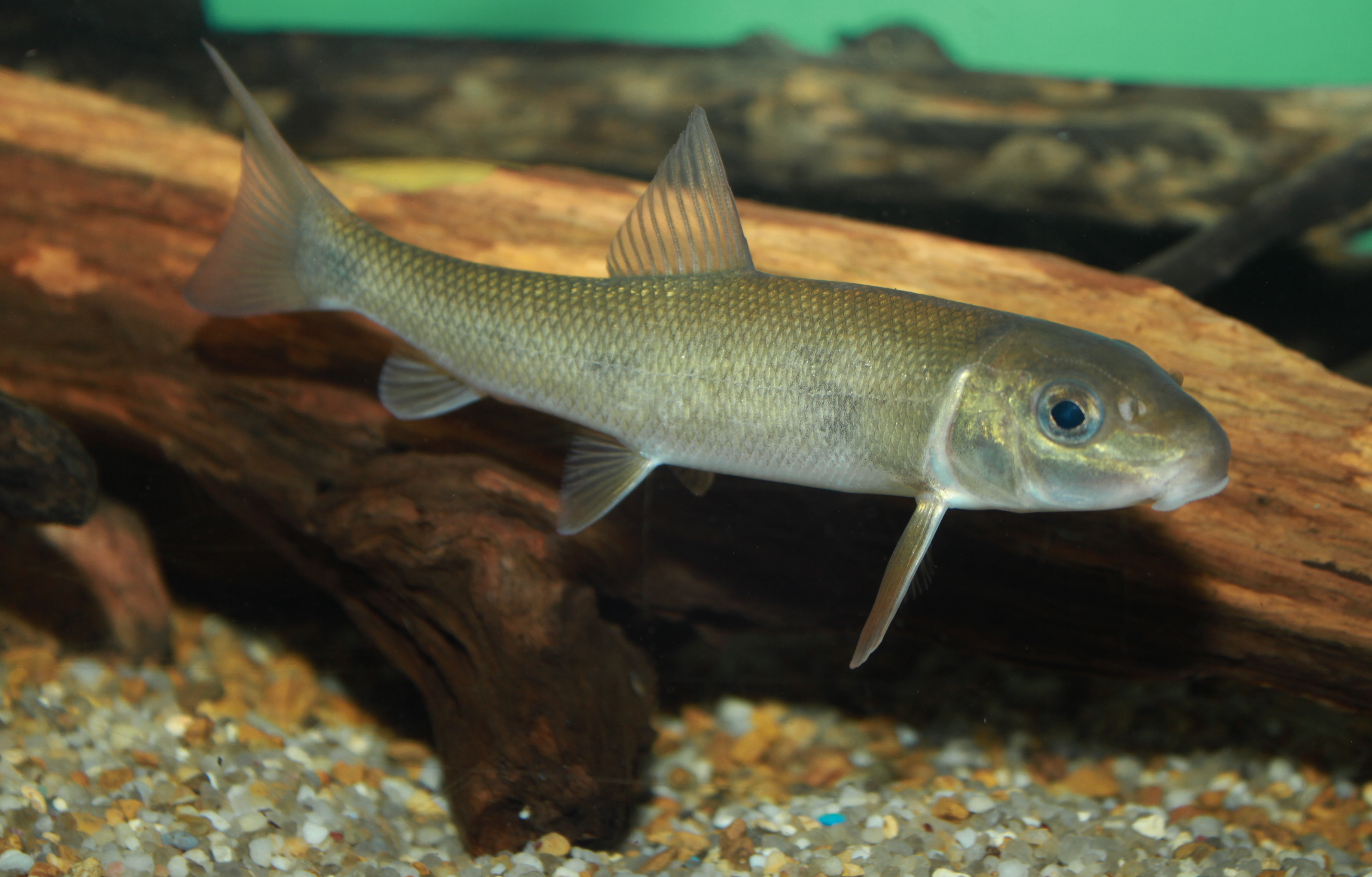

The white sucker (Catostomus commersonii) is one of the most abundant and widely distributed fish in North America, and one of the most underrated. Found in creeks, rivers, and lakes across most of the continent, this bottom-dwelling, downturned-mouthed fish is easy to catch on simple worm rigs, pulls surprisingly hard for its size, provides fast action during its famous spring spawning run, serves as premium bait for big predators like pike and musky, and, contrary to its humble reputation, is genuinely good eating when smoked or canned. Whether you want a fun, accessible fishery, a supply of top-tier bait, or a fish for the smoker, the white sucker delivers. This guide covers how to find and catch them.
What Is a White Sucker?
The white sucker is a member of the sucker family (Catostomidae), built for life on the bottom. It has a long, round, torpedo-shaped body, a dark olive-to-brown or gray back fading to a pale belly, large scales, and, most distinctively, a downturned, fleshy, protrusible "sucker" mouth on the underside of the head, used to vacuum food off the bottom. Spawning fish, especially males, develop a rosy or lateral stripe and tubercles. White suckers commonly run 12 to 18 inches and 1 to 3 pounds, with larger fish reaching 20-plus inches and several pounds, big enough to give a strong, dogged fight.
For anglers, the key traits are that white suckers are bottom-feeding, schooling fish that root along the bottom for insect larvae, worms, small crustaceans, and organic matter, using that vacuum mouth. They tolerate a huge range of conditions and are found nearly everywhere, small creeks, big rivers, ponds, and lakes, often in enormous numbers. They're most famous for their spring spawning run, when huge numbers pack into creeks and river shallows over gravel, providing fast, easy fishing. They pull hard, they're abundant and accessible, and they're valuable both as bait and (surprisingly) as food, which makes the humble white sucker far more useful than its reputation suggests.
Where and When to Catch White Sucker
White suckers range across almost all of the northern and central U.S. and much of Canada, from small headwater creeks to big rivers, ponds, and lakes. Look for them on or near the bottom in current and around soft-to-gravel substrates: river channels, runs, pools, riffle tailouts, creek mouths, and the bottoms of lakes and ponds. Because they root along the bottom, you fish for them on the bottom, in the areas where they feed and travel.
The signature time is the spring spawning run. As water warms in early-to-mid spring, white suckers migrate up creeks and rivers to spawn over gravel in the shallows, concentrating in incredible numbers, this run is by far the easiest and most productive time to catch them, and it's a beloved tradition in many regions, with anglers lining the banks of spawning creeks. Beyond spring, white suckers are catchable throughout the open-water season on the bottom of rivers and lakes, and they'll bite year-round including through the ice in some areas. But if you want fast, easy sucker action, time it to the spring run. Early morning and evening can be productive, but during the run the fish bite throughout the day.
Bottom Fishing with Worms
The simplest and most effective way to catch white suckers is bait on the bottom, and no bait beats worms.
How to Catch Suckers with WormsFish a small hook baited with a worm, nightcrawler, or (especially deadly) redworms, on a bottom rig, right on the bottom where suckers root. Because suckers have that downturned mouth and feed by vacuuming food off the bottom, keeping your bait on the bottom is essential, a worm lying on the substrate is exactly what they're looking for. A simple setup of a small hook, a split shot or small sinker, and a worm, cast into a run, pool, or spawning shallows and left on the bottom, will catch suckers reliably. Watch for a steady pull or tap as a sucker mouths the bait, and set the hook. This straightforward, accessible approach is how most suckers are caught and is perfect for anglers of all ages.
Rigs and Baits
Dialing in your rig and bait makes sucker fishing even more productive, especially during the run when many anglers gather.
Rigs and Baits for Sucker FishingA basic bottom rig works best: a small hook (size 6-10 to match their smallish mouths), a bottom sinker or split shot to hold in current, and a worm. Some anglers use a small egg sinker slip rig or a simple split-shot rig; the key is keeping the bait pinned on the bottom. Beyond worms, suckers will take bits of nightcrawler, small pieces of dough or bread, corn, and even small bits of other bait, but worms are the standard and the best. Keep everything scaled to the sucker's mouth, they have small, soft, downturned mouths, so smaller hooks and baits hook more fish. In current, use just enough weight to hold bottom while still letting a sucker take the bait naturally. Fresh worms, a bottom presentation, and a bit of patience are the whole formula.
Fishing the Spring Run
The spring spawning run is the heart of sucker fishing, and it deserves a dedicated approach.
Fishing the Spring Sucker RunWhen suckers run up creeks and rivers to spawn over gravel, target the shallow gravel runs, riffle areas, and the pools and current seams just below them, where fish stage and hold. During the peak run, suckers stack up in astonishing numbers, and a worm on the bottom can produce nearly nonstop action. Focus on the current seams and slower water beside the fast spawning riffles, where fish rest and feed. The run builds and peaks over a few weeks and shifts with water temperature and flow, so timing a productive creek is key, local knowledge or simply checking a spawning stream repeatedly pays off. The spring sucker run is fast, fun, family-friendly fishing, and in many areas it's also when suckers are legally harvested (by hook and line, and in some places by snagging, spearing, or dip-netting where regulations allow) for the table and the bait bucket.
Using Suckers as Bait
One of the biggest reasons anglers catch white suckers is to use them as bait, they're among the very best baits for big predators.
Rigging Suckers as Bait for Big PredatorsLive and cut white suckers are premium bait for northern pike, muskellunge, flathead catfish, and other big predators. A big live sucker under a float or on a quick-strike rig is a classic musky and pike bait, especially in fall, and cut sucker is excellent catfish bait. Because suckers are hardy, abundant, and the natural forage of these predators, they make ideal bait, and many anglers catch a supply of suckers specifically for this purpose. Match the sucker size to your quarry, a large sucker for musky and big pike, smaller ones for catfish and walleye. Always check your local regulations before using suckers as bait, since rules on catching, size, transporting, and using baitfish vary widely by state and water, and never move live suckers between different bodies of water.
Cleaning, Smoking, and Eating White Sucker
Here's the white sucker's best-kept secret: despite a poor reputation, it's genuinely good eating, especially smoked. The flesh is white, flaky, and mild, the catch is that it's bony, which shapes how it's prepared.
Cleaning and Cooking White SuckerThe classic approaches deal with the small bones. Smoking is the traditional and arguably best method, smoked sucker is a longstanding delicacy in many regions, rich and flavorful, with the smoking process softening the bones. Canning (pressure-canning) similarly dissolves the bones and yields a product much like canned salmon. Suckers are also made into fish patties or "poor man's lobster," and many anglers score the fillets closely (making many shallow cuts) before frying so the small bones fry up and become unnoticeable. Suckers are best eaten from cold, clean water and are at their finest in early spring before and during the run, when the flesh is firm. Ice your catch promptly. Prepared thoughtfully, smoked, canned, scored-and-fried, or in patties, the white sucker is a legitimately good and underappreciated food fish.
Watercraft: Locating Suckers Year-Round
While the spring run makes suckers easy to find, they're catchable all season if you know where to look, and a bit of watercraft goes a long way.
The Ultimate Guide to Sucker FishingOutside the spawn, white suckers spread through rivers and lakes but remain tied to the bottom and to current. In rivers, look for them in the deeper runs and pools, along current seams, at the tailouts of riffles, and around creek and tributary mouths where food collects. In lakes and ponds, they root along the bottom in the shallows and flats, especially near inflows. Because they feed by scent and touch along the bottom, suckers will find a well-placed worm even in stained or murky water, so don't be discouraged by less-than-perfect conditions. In clear, shallow water you can sometimes sight-fish them, watching for the fish rooting along the bottom and placing a bait ahead of a feeding fish. And because suckers school, once you catch one, stay put and work that spot, there are almost always more. A little attention to bottom structure, current, and depth turns sucker fishing from a spring-only novelty into a productive year-round option.
A Great Fish for Beginners
Few fish are better for introducing someone to the sport than the white sucker. They're abundant almost everywhere, they bite readily on the simplest worm-and-bottom rig, and during the spring run the action is fast and steady, exactly the kind of consistent catching that builds enthusiasm in a new or young angler. They require no boat, no expensive tackle, and no advanced technique: a hook, a sinker, a worm, and a creek or riverbank are enough.
Suckers also fight harder than beginners expect, giving a strong, dogged pull that makes for a satisfying battle on light gear, and their large size compared to many "easy" panfish makes them feel like a real catch. Add in the fact that they can be kept and prepared for the table (smoked or canned) or used as premium bait, and a sucker outing becomes a complete, rewarding experience. Bring a kid to a spring sucker run with a bucket of worms, and you have a near-guaranteed recipe for smiles and a lifelong angler in the making. That combination of accessibility, abundance, and honest fight is exactly why the white sucker deserves far more respect than it typically receives.
Understanding White Sucker Behavior
Catching white suckers comes down to a few simple facts: they're bottom-feeding, schooling fish that vacuum food off the bottom with their downturned mouths, so your bait belongs on the bottom, and once you find a school you can catch many. They relate to current, runs, pools, and the gravel areas where they feed and spawn, and they're most concentrated and catchable during the spring spawning run. They're abundant almost everywhere, tolerant of varied conditions, and not fussy, a worm on the bottom is all it takes.
The whole strategy is really about location and presentation: find suckers (easiest during the spring run in creeks, otherwise on the bottom of rivers and lakes), put a worm on the bottom in front of them, and keep it there. They pull hard when hooked, giving a fun, strong fight that surprises many first-timers. Because they're so accessible, willing, and abundant, white suckers are one of the best species for introducing kids and beginners to fishing, for stocking the bait bucket, or for putting fish in the smoker, a genuinely useful and enjoyable fish that most anglers walk right past. It's also worth appreciating their ecological role: as abundant bottom feeders, white suckers are a key forage fish for the very predators anglers prize, pike, musky, bass, walleye, and big catfish all eat them, and their spawning runs deliver a seasonal pulse of food and nutrients into headwater streams. A healthy sucker population is a sign of a healthy watershed, and targeting them connects you to the whole food web of the water you fish.
Bringing It All Together
The white sucker is an abundant, accessible, hard-pulling fish that rewards the angler willing to fish the bottom with a simple worm, especially during the fast, fun spring spawning run when they pack into creeks and rivers by the thousands. Find them on the bottom in current and gravel, present a worm on a small bottom rig, and enjoy steady action and a strong fight. Keep some as premium live and cut bait for pike, musky, and catfish, or take a batch home for the smoker, where they become a genuine delicacy. Easy to catch, useful as bait, and better on the table than its reputation suggests, the humble white sucker deserves far more respect than it gets.
For more accessible, bottom-oriented, and bait-worthy fish, see our guides to the chub, the common carp, and the channel catfish that prize sucker bait.
Want to find the spring sucker runs in the creeks near you? Use Guidepole to locate creek mouths, public bank access, and boat launches, and to check flows and conditions before you go, then get in on one of spring's most accessible fisheries.