Fish
Fish Fire
Fire Hike
Hike Bird
Bird

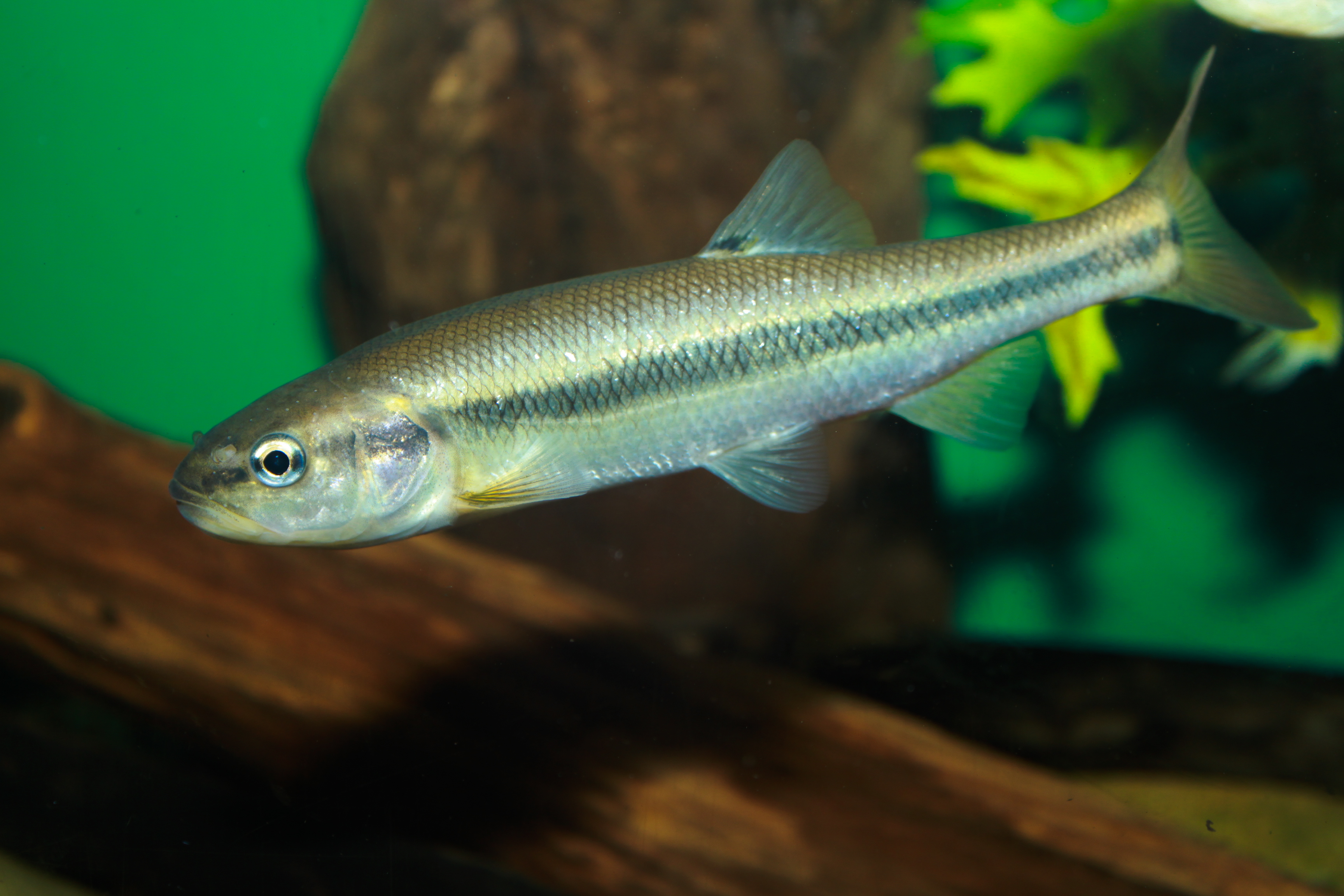

The chub is one of the most familiar and useful fish in North American creeks and rivers, and one of the most fun for anyone who loves simple, light-tackle fishing. The name "chub" covers several members of the minnow family, but the classic and most widespread is the creek chub (Semotilus atromaculatus), a hardy, aggressive, silver-sided stream fish found in small waters across most of the eastern and central U.S. and Canada. Chub bite readily on almost anything, grow big enough (up to a foot or more) to give a real tussle on ultralight gear, are a favorite quarry of micro-anglers and kids, and, importantly, are one of the very best natural baits for bass, pike, walleye, and catfish. This guide covers how to catch chub, both for the fun of it and for the bait bucket.
What Is a Chub?
"Chub" is a common name applied to various minnows (family Cyprinidae), including the creek chub, fallfish, hornyhead chub, river chub, and others. The most common and widespread is the creek chub, a stout-bodied minnow with a large mouth, a small barbel near the corner of the jaw, silvery-olive sides, a dark lateral stripe (prominent in young fish), and a characteristic dark spot at the front of the dorsal fin. Breeding males develop rosy-orange fins, tubercles on the head, and larger size. Creek chub commonly run 4 to 8 inches, but big adults reach 10 to 12 inches, large for a "minnow" and big enough to be a genuinely fun catch.
For anglers, the beauty of the chub is its aggressive, opportunistic nature. Chub are omnivores that eat insects, worms, crustaceans, small fish, and just about anything edible that drifts by, and they'll readily strike bait, small lures, and flies. They live in small creeks, streams, and small rivers, often the modest waters near home that hold few other gamefish, relating to pools, undercut banks, current seams, and cover. They're hardy and tolerant, which is exactly why they're such a reliable bait fish, a chub stays lively on the hook. Whether you're chasing them for micro-fishing fun or filling a bait bucket, chub are abundant, willing, and accessible.
Where and When to Catch Chub
Creek chub and their relatives are found throughout the small streams, creeks, and small rivers of the eastern and central United States and much of southern Canada, often in the very small, overlooked waters that flow through farmland, woodlots, parks, and neighborhoods. Look for them in pools, runs, undercut banks, current seams, and around cover like rocks and wood in flowing water; larger chub often hold in the deeper pools and the heads and tails of runs. If there's a creek near you, odds are it holds chub.
Chub are catchable year-round but are most active and aggressive in the warmer months (spring through fall), when they feed heavily in the creeks. Spring is a great time as breeding males color up and grow active, and warm-weather days bring steady action. They feed throughout the day, making them a perfect species for a casual outing anytime. In winter they slow down and hold in deeper pools but can still be caught. Because chub live in small, accessible waters and bite readily, they're about the easiest fish to find and catch on a spur-of-the-moment trip.
Bait Fishing with Worms and Small Hooks
The simplest and most effective way to catch chub is bait on a small hook, a method so easy it's how countless anglers caught their very first fish.
How and When to Catch Big Creek ChubsFish a small hook baited with a piece of worm, a whole small worm, a bit of nightcrawler, bread, corn, or a small piece of hot dog or other bait, either under a small float or drifted along the bottom in a pool or run. Chub are aggressive and not picky, so they usually strike quickly and decisively. Keep it simple: a light line, a small hook, a split shot or two, and a bit of bait cast into a likely pool will produce chub reliably. Because bigger chub hold in the deeper pools, drift or dangle your bait into those spots for the largest fish. This straightforward approach is perfect for kids, beginners, and anyone who just wants steady, fun action.
Ultralight and Micro Fishing
Chub are a favorite of the growing sport of ultralight and micro fishing, targeting small fish on scaled-down tackle for maximum fun and challenge.
Ultralight Creek Fishing for ChubOn an ultralight rod with light line, a hand-sized chub fights hard and is a genuine blast, and chub will readily hit tiny jigs, small inline spinners, tiny spoons, small soft plastics, and small crankbaits as well as bait. Cast small lures into pools and runs and retrieve them with a little action to trigger the chub's aggressive chase. Micro-anglers use tiny "tanago" hooks and slivers of bait to catch even the smallest chub and other minnows. Exploring a small creek with ultralight gear, hopping from pool to pool and catching scrappy chub, is one of the most relaxing and accessible forms of fishing there is, no boat, no crowds, and near-guaranteed action.
Fly Fishing for Chub
Chub are a surprisingly rewarding and eager fly-rod target, perfect for practicing on small water or just enjoying willing fish that rarely refuse a well-presented fly.
Fly Fishing for Creek ChubOn a light fly rod (a 2- to 5-weight), chub will take dry flies, nymphs, small streamers, and wet flies readily, they're aggressive and far less selective than trout, so they'll rise to a dry or chase a stripped streamer with abandon. Fish the pools, runs, and current seams of small creeks, dead-drifting nymphs or swinging wets, and enjoy eager takes. Chub are an excellent "learning" fish for new fly anglers because they're forgiving of imperfect presentations and abundant enough to keep a rod bent, and even experienced anglers enjoy them on tiny urban and rural streams. A hand-sized chub on a light fly rod pulls surprisingly hard.
Catching Chub for Bait
One of the biggest reasons anglers target chub is to use them as bait, creek chub are among the very best live and cut baits for a host of predator fish.
Catching Creek Chub for BaitBecause chub are hardy and stay lively on the hook, a live creek chub is a premium bait for smallmouth bass, largemouth, pike, walleye, and other predators, and cut chub is excellent catfish bait. Anglers catch a supply of chub on small hooks with bits of worm or bread, then keep them lively in a bait bucket or on a stringer for use as bait. Larger chub make outstanding baits for big predators, a lively 6- to 8-inch chub is hard for a big bass or pike to resist. Always check your local regulations before using chub as bait, since rules on catching, transporting, and using baitfish vary by state and water, and never move live baitfish between different bodies of water, which can spread invasives and disease.
Identifying Chub
Because "chub" covers several minnow species and they can resemble other creek fish, a little identification helps, especially if you're keeping them as bait or logging catches.
Identifying Chub and Other MinnowsThe creek chub is recognized by its stout body, large mouth, the small barbel near the corner of the jaw (sometimes hard to see), a dark spot at the base of the front of the dorsal fin, and, in young fish, a dark lateral stripe; breeding males show rosy fins and head tubercles. Other chubs like the hornyhead and river chub have their own features (hornyheads develop prominent head tubercles and reddish coloration in breeding males). Chub can be confused with dace, shiners, and fallfish, but the combination of large mouth, barbel, and dorsal-fin spot marks the creek chub. For most fishing purposes the exact species matters little, they're caught and used the same way, but knowing you've got a chub versus a protected or regulated minnow is worth a glance.
Understanding Chub Behavior
Catching chub is easy once you understand that they're aggressive, opportunistic, cover- and current-oriented creek fish. They hold in pools, runs, undercut banks, and current seams, and they feed on nearly anything edible, striking bait, lures, and flies with gusto. Bigger chub claim the best lies, the deeper pools and prime current breaks, so target those spots for the largest fish. They're active feeders throughout the day and especially in warm months, so timing is forgiving.
It also helps to know that chub are schooling fish, so where you catch one you'll usually catch several, a productive pool can yield a dozen or more before the action slows. When a spot cools off, move upstream or downstream to the next pool or run rather than waiting it out; covering water is the name of the game on a creek. Bigger, wiser chub can be slightly warier in clear, low water, so a stealthy approach and a natural drift will fool the larger fish that smaller, splashier presentations spook. And don't overlook the transition from riffle to pool, where current delivers food into the deeper water and chub stack up to feed. In smaller headwater trickles you might find only modest chub, while larger streams and small rivers tend to grow the biggest specimens, so if trophy chub are the goal, fish the deeper pools of bigger creek systems.
Really, the "strategy" for chub is mostly about location: find a creek, find the pools and runs with a bit of depth and cover, and put a small bait, lure, or fly in front of the fish. Because they're so willing and so widespread, chub are the ultimate accessible fish, ideal for teaching kids, for a quick after-work outing, for practicing new techniques, or for stocking the bait bucket before a bass or catfish trip. Approach a small creek with light tackle and an open mind, and you'll rarely go home empty-handed.
The Perfect Fish for New Anglers
Few species are better for introducing someone to fishing than the chub. They live in accessible small waters that require no boat and little travel, they bite readily on the simplest of baits, and when you find a good pool the action is fast and steady, exactly what builds enthusiasm in a first-time or young angler. A chub caught on a bent-rod ultralight feels like a real fish, and the low-stakes, high-catch nature of creek fishing means nobody goes home discouraged.
Chub are also a wonderful practice fish for developing skills you'll use on bigger quarry. New fly anglers can hone their casting and drift on chub that forgive imperfect presentations and rarely refuse a fly; spin anglers can learn to read water, work small lures, and detect subtle bites; and everyone can practice careful catch and release on abundant fish before it matters on a trophy. Because chub are so widespread and willing, a chub creek is essentially an outdoor classroom, bring a light rod, a few hooks, some worms or bread, and a curious beginner, and you have the makings of a lifelong angler. That accessibility and reliability is a big part of why the humble chub deserves more respect than it usually gets.
Eating Chub and Using the Catch
Chub are edible but not highly regarded as table fare, the flesh is soft and very bony, so most anglers don't target them for eating. They can be fried (some people score them to deal with the bones) or smoked, and in a survival or subsistence context they're perfectly good food, but their main value is as sport and bait rather than dinner.
Using Creek Chub as Catfish BaitThe chub's real culinary role, so to speak, is on the end of a bigger fish's line: they're one of the best natural baits going. So most anglers either release their chub to catch again, a great outcome for a fun, abundant creek fish, or keep them lively for the bait bucket. If you do keep chub for bait, treat them well to keep them lively (a livewell or aerated bucket), use them promptly, and follow all local baitfish regulations. However you use them, the humble chub earns its keep as one of the most accessible and useful fish in fresh water.
Bringing It All Together
The chub is the everyman's fish, abundant in the small creeks near almost everyone, aggressive enough to bite nearly anything, big enough on ultralight gear to be genuinely fun, and valuable as premium bait for bigger quarry. Find a creek pool or run, drift a small hook with a bit of worm or cast a tiny lure or fly, and you'll be into scrappy chub in short order. Keep a few lively ones for the bait bucket to tempt bass, pike, and catfish, release the rest, and enjoy one of the most relaxing and accessible fisheries there is. Whether you're teaching a kid, scratching a fishing itch on a lunch break, or gathering the best live bait around, the creek chub delivers.
For more accessible small-water and bait-worthy fish, see our guides to the smallmouth bass that eat chub, the channel catfish that love cut chub, and the common carp.
Want to explore the creeks near you for chub and other stream fish? Guidepole can help you locate public access points, boat launches, and the overlooked small waters near you, so you can get out and rediscover the joy of small-water fishing.