Fish
Fish Fire
Fire Hike
Hike Bird
Bird

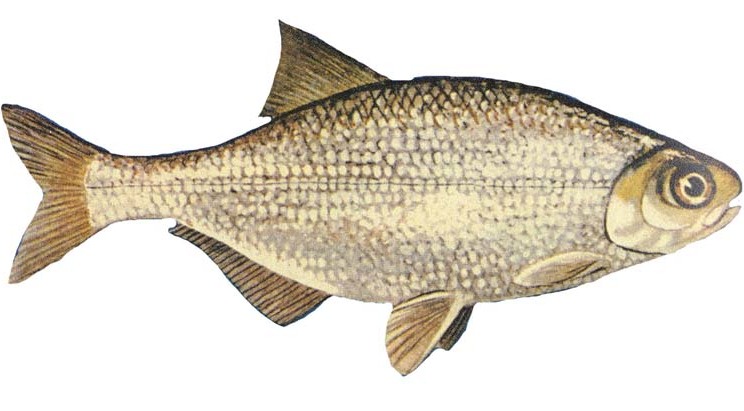

The mooneye (Hiodon tergisus) is one of North America's most overlooked and pleasantly surprising gamefish. A silvery, deep-bodied, large-eyed native of big rivers and connected lakes across the central and eastern U.S. and Canada, the mooneye looks a bit like a cross between a shad and a small tarpon, and, crucially for anglers, it feeds aggressively on insects and small prey near the surface and in the current, which makes it a genuinely fun light-tackle and fly-rod target. Long dismissed as a rough fish or written off as mere catfish bait, the mooneye is increasingly appreciated by river anglers who discover how readily it takes a fly or small lure and how scrappy it is on light gear. This guide covers how to find and catch mooneye, and how it differs from its close cousin the goldeye.
What Is a Mooneye?
The mooneye is the namesake member of a small, ancient family (Hiodontidae) that includes only the mooneye and the goldeye. It has a deep, laterally compressed, bright-silver body, large scales, a small head, a fleshy-toothed mouth, and, most distinctively, a large, reflective eye that gives the fish its name (the eye has a silvery-white pupil, versus the goldeye's golden eye). Mooneye commonly run 10 to 14 inches and half a pound to a pound, with larger fish possible.
The key for anglers is the mooneye's feeding behavior. Mooneye are sight-feeding, mid- and upper-water predators that eat aquatic and terrestrial insects, small crustaceans, and small fish, frequently feeding near the surface, which is exactly why they'll rise to a dry fly or chase a small lure. They live in clear-to-turbid large rivers, tailraces, and connected lakes, relate to current, and often feed in the flowing water below dams and in river channels. They're a schooling fish, so where you catch one you'll often catch several. Their willingness to take flies and small lures near the surface, combined with a spirited fight on light tackle, is what makes them a sleeper favorite.
Where and When to Catch Mooneye
Mooneye range widely through the Mississippi, Ohio, Great Lakes, and Hudson Bay drainages and beyond, big rivers like the Mississippi, Ohio, Wisconsin, and their major tributaries, plus connected lakes and reservoirs. Look for them in flowing water and current-influenced areas: river channels, tailraces below dams, current seams, eddies, wing dams, and the mouths of tributaries, as well as the open water of large lakes where they occur. Because they feed on insects and small prey in the current and near the surface, target the moving water where that food is funneled.
The best fishing is generally late spring through fall, when mooneye are active in warm water and feeding heavily on insects, and the bite is often best in low light, early morning, evening, and into dusk, when mooneye move up to feed on the surface, though they'll bite through the day in current. Warm-weather insect hatches can trigger excellent surface feeding. Tailraces below dams are classic, reliable mooneye spots because the current concentrates both baitfish and insects and the mooneye that feed on them. Find flowing water with feeding fish, especially in the evening, and you're in business.
Fly Fishing for Mooneye
One of the best-kept secrets in river fishing is that mooneye are a fantastic fly-rod target, they rise to dry flies and eagerly take nymphs and small streamers, offering surprisingly good sport on light fly tackle.
Mooneye on a FlyUse a light rod (a 3- to 5-weight) and fish small dry flies, nymphs, soft hackles, and small streamers that imitate the insects and tiny baitfish mooneye eat. During an evening insect hatch or when you see fish dimpling the surface, a well-placed dry fly or emerger can draw eager rises, a genuine thrill from a fish few anglers target on purpose. Subsurface, dead-drift or swing nymphs and soft hackles through current seams and runs, and strip small streamers for more aggressive fish. Mooneye have soft, fleshy mouths, so set gently and keep steady pressure. Fishing the tailraces and current seams for rising, silver-flashing mooneye on the fly is a delightful and underappreciated experience.
Small Jigs, Spinners, and Lures
For spin and light-tackle anglers, mooneye readily hit small jigs, spinners, and lures worked in the current, making them an easy and fun target once you find a school.
Fishing for MooneyeCast small inline spinners, tiny spoons, small jigs tipped with soft plastics, and small crankbaits into current seams, eddies, and tailrace flows, and retrieve them with enough speed to trigger the mooneye's chase instinct. Small flashy offerings that imitate baitfish or insects work best, and keeping your lure in the upper and middle water column often out-produces bottom-bouncing, since mooneye feed up. Because they have small, soft mouths, keep hooks sharp and offerings compact, and don't set too hard. When you contact a school in the current, stay on them and keep casting, because mooneye group up and the action can come fast.
Fishing Tailraces and River Current
Tailraces below dams and current-swept river channels are the mooneye's bread and butter, and learning to fish this flowing water is the key to consistent success.
River Fishing for MooneyeIn tailraces, target the current seams where fast water meets slow, the eddies and slack pockets behind structure, and the areas where the discharge concentrates baitfish and insects. Position yourself to present flies and lures naturally in the flow, casting up and across and letting the current carry your offering through the strike zone, much as you would for trout. Mooneye stack up in these current-influenced areas to intercept drifting food, so a productive seam or eddy can hold numbers of fish. The same logic applies to wing dams, tributary mouths, and channel edges throughout big rivers: find the current that funnels food, and you'll find the mooneye.
Mooneye as Catfish Bait
It's worth acknowledging the mooneye's other famous role: it's one of the best natural cut baits for big catfish. Many anglers catch mooneye specifically to use them as bait.
Catching Mooneye for Catfish BaitBecause mooneye are oily and abundant in the same big rivers that hold trophy channel catfish and flatheads, fresh mooneye, whole or cut into chunks and fillets, makes an outstanding, scent-heavy catfish bait, particularly for big blue and channel cats. Anglers often catch a supply of mooneye on small jigs, flies, or bits of bait, then rig them fresh on the bottom for catfish. If that's your goal, keep your mooneye fresh and on ice, and check your local regulations on catching and using them as bait, which vary by state. Of course, many anglers now enjoy mooneye as a sporting catch in their own right, but their value as premium catfish bait is a big part of why river anglers target them.
Telling Mooneye from Goldeye
Mooneye are frequently confused with their close relative the goldeye (Hiodon alosoides), the only other member of their family, and the two often share the same big-river waters.
How to Fish for Goldeye and MooneyeThe clearest difference is in the eye and the fins. The mooneye has a silvery-white pupil/eye, while the goldeye has a distinctly golden or yellow eye (the source of its name). Look also at the anal fin and the fleshy keel on the belly: the goldeye's keel extends farther forward (in front of the pelvic fins) than the mooneye's, and the two differ subtly in the position of the dorsal fin relative to the anal fin. Both are silvery, deep-bodied, big-eyed river fish caught the same ways, on flies, small lures, and bait in current, so for the angler the practical difference is mostly a matter of identification and, in some places, differing regulations. If the eye glows gold, it's a goldeye; if it's silvery, it's a mooneye.
Light-Tackle River Fishing and Finding Schools
Mooneye are a perfect species for anyone who loves ultralight and light-tackle river fishing. They're abundant where they occur, willing to bite, and scrappy for their size, and you don't need specialized gear or a boat to enjoy them, much of the best mooneye fishing happens from riverbanks, tailrace walls, wing dams, and wadeable current within easy reach.
Light-Tackle River Fishing for MooneyeThe main skill is locating the schools. Cover water by casting small lures or flies to likely current seams, eddies, and slack pockets until you contact fish, then slow down and work that area thoroughly, because mooneye travel in groups and a productive seam can produce fish after fish. Watch the surface, too: rising or dimpling fish, or flashes of silver in the current, tell you exactly where a school is feeding. Because mooneye often share the water with other current-loving species, a session targeting them frequently produces a mixed bag of sauger, smallmouth, white bass, and other river fish, which is part of the fun. Bring an assortment of small jigs, spinners, and flies, keep moving until you find the fish, and you'll rarely be bored on a good mooneye river.
Understanding Mooneye Behavior
Everything about catching mooneye follows from the fact that they're schooling, current-loving, upper-water insect and baitfish feeders. Unlike bottom-oriented rough fish they're often lumped with, mooneye feed up in the water column and near the surface, which is why flies and small lures fished shallow are so effective and why they'll rise to a dry. They relate strongly to current and the food it carries, so tailraces, seams, eddies, wing dams, and channel edges are the places to focus. And because they school, locating fish is the main challenge, once you find a pod, you can often catch a bunch.
Timing follows their insect-feeding habits: warm months and low-light periods (especially evening) are prime, and an insect hatch can turn on fast surface action. Keep your presentations small and your hooksets gentle, since mooneye have soft mouths, and fish the moving water where the food, and the fish, concentrate. Approach them as you would a surface-feeding trout or shad in current, and this overlooked silver river fish becomes a genuinely rewarding light-tackle and fly target.
Handling and Conservation
Mooneye are a native part of healthy big-river ecosystems and are sensitive to water quality, so they're worth treating with care. They have soft, fleshy mouths that tear easily, so use a gentle hookset, avoid horsing them in, and handle them carefully at the bank or boat, wet your hands, support the fish, and back the hook out gently, especially if you plan to release it. Their large, delicate scales come off easily too, so minimize handling for fish going back.
Because mooneye were historically overlooked and are sometimes lumped in with rough fish, they don't get the management attention of gamefish, but they're an important forage and indicator species and a genuine light-tackle sport fish in their own right. Take only what you'll actually use for the smoker or the bait bucket, release the rest thoughtfully, and follow your local regulations, which vary by state and sometimes group mooneye with goldeye or other rough fish. As more anglers discover how fun mooneye are to catch on flies and small lures, a growing catch-and-release ethic is helping ensure these silver river gems remain abundant for the anglers who seek them out.
Cleaning and Eating Mooneye
Mooneye are edible but bony, which shapes how anglers handle them on the table. The flesh is white and reasonably flavorful, but the numerous small bones mean mooneye are less popular as straight fillets than many other river fish.
The most celebrated way to prepare their close cousin the goldeye, and an approach that works for mooneye, is smoking, which softens the small bones and yields a rich, flavorful product (smoked goldeye is a famous Canadian delicacy). Mooneye can also be scored and fried, or the fillets eaten if you don't mind picking bones. That said, because of the bones and because many anglers value them more as sport or as premium catfish bait, mooneye are often released or kept for bait rather than the frying pan. If you do keep some to eat, ice them promptly and consider smoking as the best culinary route. Whatever you choose, handle these soft-mouthed fish gently if releasing them, and follow local regulations.
Bringing It All Together
The mooneye deserves far more respect than it usually gets. Find the flowing water, tailraces below dams, current seams, eddies, and channel edges in big rivers, and fish small flies, jigs, spinners, and lures up in the water column where these silvery, big-eyed fish feed, especially in the evening when they rise to the surface. They school, so once you find them the action is fast; they fight well on light tackle; and they'll even take a dry fly, a rare treat from an unheralded river fish. Keep a few fresh for premium catfish bait or the smoker if you like, learn to tell them from their golden-eyed goldeye cousins, and enjoy one of the most accessible and underrated light-tackle fisheries in North America's rivers.
For more silvery, current-loving river fish, see our guides to the American shad, the skipjack herring, and the channel catfish that prize mooneye as bait.
Want to learn to read tailraces and current seams for mooneye and their cousins? Study the flowing water below your local dams, watch for silver flashes and dimpling risers in the seams and eddies behind structure, and you will discover an overlooked river gem.