Fish
Fish Fire
Fire Hike
Hike Bird
Bird

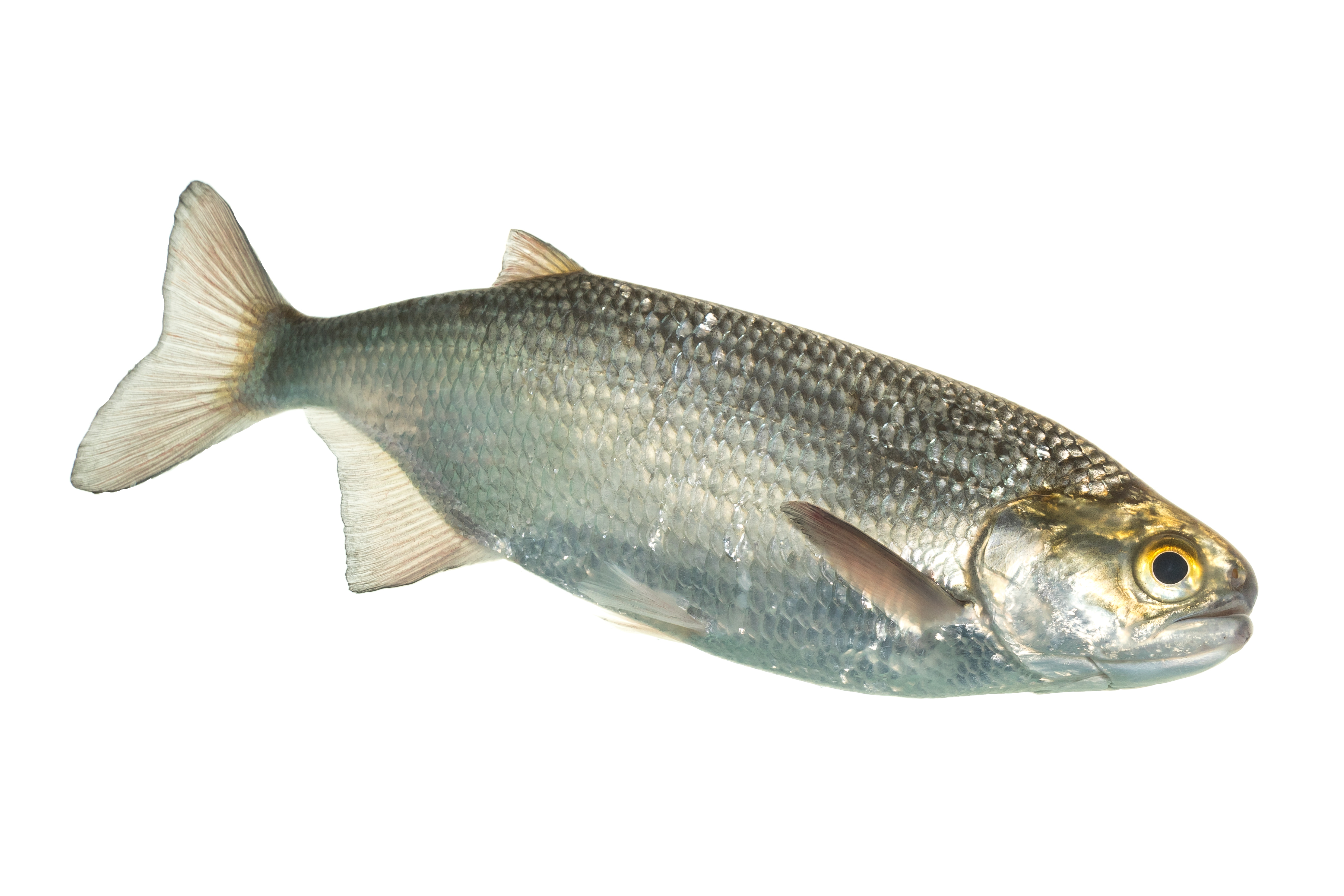

The goldeye (Hiodon alosoides) is one of the great light-tackle sleepers of North America's northern rivers. A silvery, deep-bodied fish with a brilliant golden eye, the goldeye ranges across the plains and prairie rivers of the central and western U.S. and Canada, the Missouri, the Red River of the North, the Saskatchewan, the Mackenzie, and countless connected waters, where it schools in the current and feeds aggressively on insects and small prey near the surface. It fights hard for its size, readily takes flies and small lures, and is famous on the table as the legendary smoked "Winnipeg goldeye." Along with its close cousin the mooneye, the goldeye is a scrappy, accessible, underrated river fish that rewards anglers who learn its ways. This guide covers how to find and catch goldeye across all the best methods.
What Is a Goldeye?
The goldeye is one of just two members of an ancient family (Hiodontidae), the other being the mooneye. It has a deep, laterally compressed, bright-silver body, large scales, a blunt head, a small toothed mouth, and, most distinctively, a large, golden-yellow eye that gives the fish its name (versus the mooneye's silvery-white eye). Goldeye commonly run 10 to 15 inches and half a pound to over a pound, occasionally larger.
For anglers, the goldeye's behavior is the key. Goldeye are schooling, current-loving, mid- and upper-water feeders that eat aquatic and terrestrial insects, small crustaceans, and small fish, often feeding actively near the surface, which is exactly why they rise to flies and chase small lures. They thrive in the turbid, slow-to-moderate prairie and plains rivers, tailraces, and connected lakes of the northern interior, tolerate murky water well, and relate strongly to current. Because they school, finding fish is the main challenge, and once you're on a pod the action can be fast and furious. Their aggressive surface feeding, hard fight on light tackle, and famed smoked flesh make the goldeye a genuine prize where it's found.
Where and When to Catch Goldeye
Goldeye are widespread through the Mississippi/Missouri, Hudson Bay, and Mackenzie drainages, the Missouri and its reservoirs and tailraces, the Red River of the North (the famous Lockport fishery near Winnipeg), the Saskatchewan and other prairie rivers, and north into the Northwest Territories. Look for them in current and current-influenced water: river channels, tailraces below dams, current seams, eddies, deep runs, and the mouths of tributaries, plus the connected lakes and reservoirs where they occur. Turbid prairie rivers are classic goldeye country, and they handle muddy water better than most.
The best fishing is late spring through fall, when goldeye are active in warm water and feeding heavily, and the bite is often best in low light, evening and into dusk, when goldeye move up to feed near the surface, though they'll bite through the day in current. Warm-weather insect activity triggers excellent surface feeding. Tailraces below dams and famous spots like the Red River at Lockport concentrate goldeye in numbers, providing some of the most reliable and productive fishing. Find the current with feeding fish, especially on a summer evening, and goldeye fishing can be nonstop.
Fly Fishing for Goldeye
Goldeye are a superb and underappreciated fly-rod target, they rise readily to dry flies and eagerly take nymphs and small streamers, offering excellent sport on light fly tackle in rivers where few anglers think to bring a fly rod.
Fly Fishing for GoldeyeUse a light rod (a 3- to 5-weight) and fish small dry flies, nymphs, soft hackles, and small streamers imitating the insects and small baitfish goldeye eat. When goldeye are feeding on the surface during an evening hatch, dimpling and flashing in the current, a well-presented dry fly or emerger draws eager, splashy rises, a real thrill. Subsurface, dead-drift or swing nymphs and soft hackles through seams and runs, and strip small streamers for aggressive fish. Goldeye have soft mouths, so set gently and keep steady pressure. Fly fishing prairie rivers for rising goldeye, especially in Alberta, Saskatchewan, and Manitoba where they're abundant, is one of the great overlooked fly experiences on the continent.
Small Jigs, Spinners, and Lures
For spin and light-tackle anglers, goldeye readily smash small jigs, spinners, and lures in the current, making for fast, fun fishing once you locate a school.
Goldeye Fishing with Jigs and Small LuresCast small inline spinners, tiny spoons, small jigs tipped with soft plastics or bait, and small crankbaits into current seams, eddies, and tailrace flows, and retrieve with enough speed to trigger a chase. Small flashy offerings that imitate baitfish or insects excel, and keeping the lure in the upper and middle water column often out-produces the bottom, since goldeye feed up. Because they have small, soft mouths, keep hooks sharp and offerings compact and don't set too hard. When you contact a school in the current, stay put and keep casting, goldeye group up, and a good spot can produce fish after fish.
Bait Fishing and the Red River Fishery
Goldeye are opportunistic and take natural baits eagerly, and nowhere is this more famous than the Red River of the North near Lockport, Manitoba, one of the continent's premier goldeye fisheries.
How to Catch Red River GoldeyeSmall hooks baited with worms, small pieces of cut bait, minnows, or even bits of shrimp or dough, fished under a float or drifted near the bottom in current, catch goldeye consistently. On the Red River and similar waters, anglers drift or float baits through the current seams and deeper runs where goldeye stack up, often catching them in impressive numbers. Bait fishing is a great, accessible way to get in on the goldeye action, especially for anglers of all ages fishing from banks and current breaks. Keep baits and hooks small to match the goldeye's mouth, present them naturally in the flow, and be ready for the quick, decisive take.
Fishing Rivers, Tailraces, and Current
Reading current is the master skill for goldeye, whether you're fishing flies, lures, or bait. Goldeye stack up in and around flowing water where the current funnels their food.
How to Catch Goldeye on the RiverTarget the current seams where fast water meets slow, eddies and slack pockets behind structure, deep runs, wing dams, tailrace flows below dams, and tributary mouths. Present your offering naturally in the flow, casting up and across and drifting it through the strike zone, much as you would for trout or shad. Goldeye position in these current-influenced spots to intercept drifting insects and baitfish, so a productive seam or eddy can hold a whole school. The discharge below dams is especially reliable because it concentrates food and fish. Learn to spot the seams, drifts, and eddies in a prairie river, and you'll consistently find goldeye.
Telling Goldeye from Mooneye
Goldeye are frequently confused with their only close relative, the mooneye, and the two sometimes share the same waters, so it's worth knowing the differences.
Goldeye and Mooneye: How to Fish and Tell Them ApartThe clearest tell is the eye: the goldeye has a distinctly golden or yellow eye, while the mooneye has a silvery-white eye (gold means goldeye, silver means mooneye). Also check the fleshy keel on the belly, the goldeye's keel extends farther forward, in front of the pelvic fins, than the mooneye's, and the two differ subtly in the position of the dorsal fin relative to the anal fin and in fin-ray counts. Both are silvery, deep-bodied, big-eyed river fish caught the same ways on flies, small lures, and bait in current, so for the angler the difference is mainly identification and, in some places, differing regulations. When you land one, glance at the eye: a glowing gold eye means goldeye.
Understanding Goldeye Behavior
Catching goldeye consistently comes down to a few facts: they're schooling, current-oriented, upper-water feeders that handle turbid water well. Unlike the bottom-rooting rough fish they're sometimes lumped with, goldeye feed up in the water column and near the surface, which is why flies and small lures fished shallow work so well and why they'll rise to a dry. They relate to current and the food it delivers, so tailraces, seams, eddies, wing dams, and tributary mouths are the spots to focus. And because they school, locating fish is most of the battle, find one and you've usually found many.
Timing follows their insect-feeding habits: warm months and low-light evenings are prime, and warm-weather insect activity can spark fast surface feeding. Keep presentations small and hooksets gentle for their soft mouths, and fish the moving water where food and fish concentrate. Approach them like a surface-feeding trout or shad in current, read the seams, drift naturally, and stay on the school, and this golden-eyed prairie fish becomes a wonderfully rewarding light-tackle and fly quarry.
Light-Tackle Fun and Finding Schools
Goldeye are one of the most enjoyable and accessible light-tackle fisheries on the northern plains, and much of their appeal is how little you need to get in on the action. They're abundant where they occur, aggressive, and scrappy for their size, and you can catch them from riverbanks, tailrace walls, wing dams, docks, and current breaks without a boat. An ultralight or light spinning outfit with 4- to 6-pound line, a handful of small jigs and spinners, and a container of worms is enough for a great day; add a light fly rod and it gets even better.
The main skill is locating the schools. Fan-cast small lures, flies, or drifted bait to likely current seams, eddies, and slack pockets until you contact fish, then slow down and work that stretch thoroughly, because goldeye travel in groups and a productive seam can produce dozens of fish. Watch the surface for rises, dimples, and flashes of silver in the current, sure signs of a feeding school, and target them directly. On famous waters like the Red River at Lockport, anglers routinely catch goldeye in impressive numbers once they find the fish, and because goldeye often share the current with sauger, walleye, and other species, a session for them frequently turns into a mixed bag. Keep moving until you locate fish, then capitalize.
Handling and Conservation
Goldeye are a native, ecologically important part of prairie-river systems, so they're worth handling with care, especially any you plan to release. They have soft, delicate mouths that tear easily, so use a gentle hookset, avoid horsing them, and back the hook out carefully; their large scales also come off readily, so minimize handling and keep release fish wet. Because goldeye were long overlooked and are sometimes grouped with rough fish for regulatory purposes, they don't get the management spotlight of popular gamefish, but they're a valuable sport and forage species and an indicator of river health.
Fish for them thoughtfully: take only what you'll actually use for the smoker, release the rest gently, and check your local regulations, which vary by jurisdiction and sometimes set specific limits or group goldeye with mooneye and other species. As more anglers discover how fun goldeye are on flies and light tackle, a healthy catch-and-release ethic is helping keep these golden-eyed prairie fish abundant. Handle them well, respect the resource, and the goldeye will keep providing fast, accessible sport and famous smoked meals for years to come.
Smoking and Eating Goldeye
The goldeye's greatest claim to fame is on the table: smoked goldeye, especially the historic "Winnipeg goldeye," is a celebrated delicacy with a rich, distinctive flavor and a striking reddish color from the traditional smoking process.
How to Smoke GoldeyeFresh goldeye flesh is soft and somewhat bony, which is exactly why smoking is the classic and best preparation, the smoking firms the flesh, tames the small bones, and produces the famous rich, savory result that made Winnipeg goldeye a delicacy shipped far and wide. To smoke goldeye, they're typically brined, then smoked until firm and flavorful. Fresh goldeye can also be pan-fried, though the soft, bony flesh makes smoking far more popular. Ice your catch promptly to preserve quality, and if you can, try the traditional smoked preparation, it's the reason the goldeye earned its culinary fame. Many anglers also release goldeye to enjoy them purely as light-tackle sport, or keep a batch specifically for the smoker.
Bringing It All Together
The goldeye is a true northern-rivers gem, a golden-eyed, hard-fighting, current-loving fish that hammers flies and small lures and, smoked, becomes a legendary delicacy. Find the flowing water, tailraces, current seams, eddies, and famous spots like the Red River at Lockport, and fish small flies, jigs, spinners, and baits up in the water column where goldeye feed, especially on summer evenings when they rise to the surface. They school, so once you find them the catching is fast; they scrap well on light tackle; and they'll rise to a dry fly, a treat from an unheralded prairie fish. Keep a batch for the smoker, learn to tell them from their silver-eyed mooneye cousins, and enjoy one of the most accessible and underrated river fisheries of the northern plains.
For more silvery, current-loving river fish, see our guides to the mooneye, the American shad, and the skipjack herring.
Want to fish the famous goldeye waters? Scout the tailraces, boat launches, and public bank access along prairie rivers like the Red River at Lockport, check the current flows and local regulations before you head out, and get on the schools.