Miami Fishing: Bonefishing at Breakfast, Sailfish by Lunch
← All field notes

Miami · Florida

Miami Fishing: Bonefishing at Breakfast, Sailfish by Lunch

Miami is the only major US city where you can sight-fish for bonefish on the flats in the morning and be hooked up to a sailfish in the Gulf Stream by early afternoon. Here's how the fishery works, from the shallows out.

Colin Van Dyke

Colin Van Dyke

Miami's fishing reputation starts with a geographic accident: the Gulf Stream runs closer to shore here than almost anywhere else on the US coastline, sometimes just two to three miles out from the harbor. That means blue-water species that are a 50-mile run in most places are a 20-minute boat ride from Government Cut.

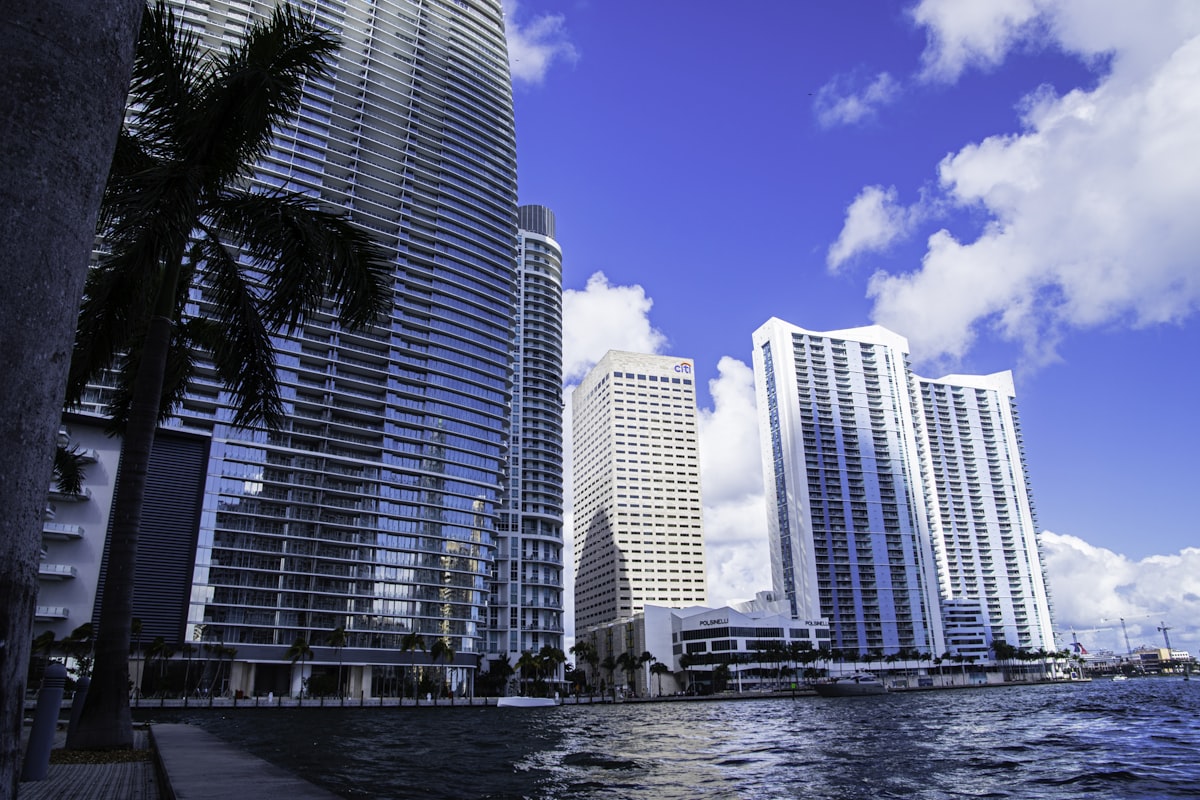
But the blue water is only half the story. Behind the city, Biscayne Bay spreads south into a maze of flats, mangrove shorelines, channels, and cuts that hold bonefish, tarpon, snook, and permit, the same Grand Slam species that put the Florida Keys on the map, accessible from a major metropolitan airport.

The result is the most diverse fishery of any US city, and it's not close.

The Flats, Biscayne Bay

Biscayne Bay is Miami's backyard. The shallow flats south of the Rickenbacker Causeway and into Biscayne National Park hold the northernmost consistent bonefish population in the United States. The fish average three to six pounds, smaller than what you'd find in the Keys, but they eat the same flies and lures, run the same blistering first runs, and they're 15 minutes from South Beach.

Bonefish season peaks February through June, when the water warms and fish push onto the flats in pods. Sight-fishing for them on a poled skiff over turtle grass is technical, deliberate work, the guide spots, you cast, and if your presentation is right, the bone eats and strips 100 yards of line before you can react. The fall months (September through December) bring higher tides that also push bonefish onto the flats, though in less predictable patterns.

Permit patrol the same flats, often mixed in with the bonefish or cruising the deeper edges near channels. They're harder to fool, one of the most difficult fish to catch on fly or light tackle anywhere. Landing a permit on Biscayne Bay is a serious accomplishment.

Snook line every mangrove shoreline, dock, seawall, and bridge shadow in the bay. They're ambush predators, they sit in structure and smash baitfish that wander too close. Live pilchards, white bucktail jigs, and topwater plugs at dawn are the standard approaches. The Julia Tuttle Causeway bridge lights at night are a Miami institution, big snook stack under the glow and eat anything that swims through the light line.

Tarpon fill Biscayne Bay from April through July. They stage in the channels, roll through the bridges at night, and run the shorelines at dawn. The Miami tarpon fishery isn't as famous as the Keys, but the fish are here, and they're big. Guides who specialize in bay tarpon can put you on fish over 100 pounds without leaving sight of the city skyline.

The Reef, Nearshore Structure

Between the flats and the deep blue water sits a band of reef, wrecks, and artificial structure running parallel to the coast. This is Miami's bread-and-butter bottom fishing and wreck fishing territory, productive, accessible, and available year-round.

The reef runs in lines: the first reef in 15 to 30 feet of water, the second reef at 40 to 60 feet, and the third reef at 60 to 90 feet. Each successive line holds larger fish. Yellowtail snapper are the most popular reef target, they school over structure and eat cut bait aggressively, and they're outstanding eating. Mutton snapper, grouper (several species), and hogfish round out the reef menu.

Wreck fishing adds amberjack, African pompano, and barracuda to the list. The O.L. Bodenhamer Wreck and the Liberty Ship are well-known producer sites.

Kingfish (king mackerel) run the reef edge from November through March. Live goggle-eye or blue runner slow-trolled along the reef edge is the standard technique, and 30- to 50-pound kings are not unusual.

Sailfish Alley, The Gulf Stream

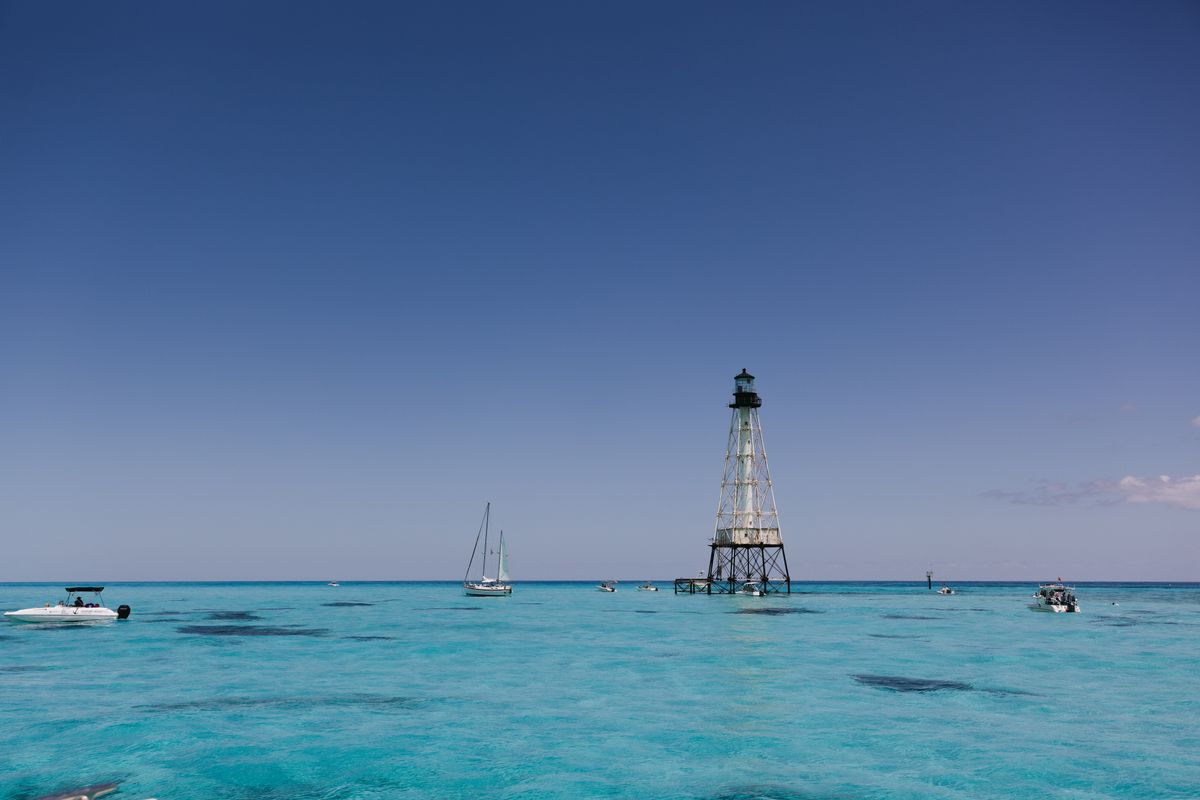
This is what makes Miami fishing unlike anywhere else in the country. The Gulf Stream pushes north along the Florida coast, and off Miami it runs closest to shore, sometimes within two miles of Government Cut. That puts you in blue water, over 600-foot depths, in minutes.

Sailfish are the marquee species. Miami bills itself as the Sailfish Capital of the World, and the catch numbers back it up. The peak season runs January through March, when cold fronts push bait against the Gulf Stream edge and sailfish stack up to feed. Kite fishing, flying live baits on kites that suspend them on the surface, is the Miami-specific technique that dominates the sailfish tournament circuit. On a good winter day, boats release double-digit sailfish.

Mahi-mahi show up in spring and stay through fall, often found under floating debris and weed lines in the Gulf Stream. The bite can be fast, once you find a school, every bait gets eaten.

Blackfin tuna school along the Gulf Stream edges year-round, and wahoo run strongest in the winter months. Both are caught by trolling high-speed lures or live-baiting along the color changes where blue Gulf Stream water meets the greener coastal water.

Peacock Bass, The Freshwater Bonus

Miami has one more trick: peacock bass in the freshwater canals. These invasive cichlids from South America were stocked by FWC in 1984 and have thrived in the warm canal systems that crisscross Miami-Dade County. They're aggressive topwater fish that smash lures with authority, they're colorful, and they're catchable year-round from the bank or a small boat.

Peacock bass aren't the reason most people come to Miami to fish, but they're a fun half-day option, especially when afternoon thunderstorms shut down the ocean.

When to Go

  • January–March: Peak sailfish season, kingfish on the reef, bonefish starting on the flats
  • April–June: Tarpon in Biscayne Bay, bonefish in full swing, mahi-mahi offshore
  • July–September: Offshore mahi and tuna, snook around structure, peacock bass in the canals
  • October–December: Fall bonefish, wahoo offshore, snook around the bridges at night
Recommended gear

  • Orvis Clearwater Fly Rod Outfit 8wt

    Mid-tier, the standard Biscayne Bay bonefish/permit outfit

  • Sage Salt HD 8wt

    Premium, built for Miami's flats, casts into wind

  • Redington Vice Combo 8wt

    Entry level saltwater fly, good starter for bonefish

  • Shimano Saragosa SW 5000

    Premium spinning, sailfish kite fishing, live bait offshore

  • Penn Battle III 4000 Combo

    Mid-tier, handles snook on the bridges, tarpon in the channels

  • Penn Fierce IV 3000 Combo

    Entry level, good for canal peacock bass and bay fishing

  • DOA Baitbuster in Silver

    Topwater for snook under bridge lights, Miami's night-fishing staple

  • LiveTarget Shrimp

    Realistic bonefish/permit lure for the Biscayne Bay flats

  • Yo-Zuri Crystal Minnow Deep Diver

    Trolled behind the boat for sailfish in the Gulf Stream

  • Mustad Demon Perfect Circle 5/0

    Live bait hook for tarpon and offshore species

Frequently asked

Do you need a fishing license in Miami?

On a charter or licensed pier, you're covered. Fishing on your own from shore or a private boat, non-residents need a Florida saltwater license, a 3-day is about $17, at GoOutdoorsFlorida.com. Freshwater peacock bass in the canals require the separate Florida freshwater license.

How much does a Miami fishing charter cost?

Inshore and flats trips around Biscayne Bay typically run about $450 to $650 for a half day. Offshore trips for sailfish, mahi, and tuna run roughly $700 to $1,200 for a half day and $1,200 to $2,000 for a full day, with drift and party boats the budget option at $60 to $100 per person.

What makes Miami fishing unique?

Miami is the only major US city where the Gulf Stream runs within two to three miles of shore, putting blue-water species like sailfish and tuna a short boat ride from the harbor. Combined with world-class flats fishing for bonefish and tarpon in Biscayne Bay, Miami offers the most diverse fishery of any American city.

When is sailfish season in Miami?

Peak sailfish season runs January through March, when cold fronts push bait against the Gulf Stream edge. Miami is known as the Sailfish Capital of the World, and kite fishing, a technique developed here, is the dominant method. Double-digit release days are possible during the peak.

Can you catch bonefish in Miami?

Yes. Biscayne Bay holds the northernmost consistent bonefish population in the United States. Fish average three to six pounds and are sight-fished on shallow turtle grass flats south of the Rickenbacker Causeway. Peak season is February through June, with a secondary window in fall.

What is a Miami Grand Slam?

A Grand Slam is catching a bonefish, permit, and tarpon in the same day. All three species are available in Biscayne Bay, making Miami one of the few places where a Grand Slam is realistically achievable, though permit are notoriously difficult to hook, making it a rare accomplishment.

What are peacock bass and where do you catch them in Miami?

Peacock bass are colorful, aggressive cichlids native to South America, stocked in Miami-Dade County's freshwater canals by FWC in 1984. They're catchable year-round on topwater lures and live shiners from canal banks throughout the metro area. They're a fun, accessible option when ocean conditions aren't cooperating.

More Florida field notes

Three Zones, Three Different Seasons, One Scallop

Steinhatchee, FL

Three Zones, Three Different Seasons, One Scallop

Florida's bay scallop season is three separate seasons, and only one of them runs on its own dates while the other two share a calendar. Pick the zone before you pick the weekend, because the drive between them is hours.

You Take the Claw and the Crab Goes Back

Everglades City, FL

You Take the Claw and the Crab Goes Back

Florida stone crab is the one American fishery where you harvest a limb and return the animal alive. It regrows the claw in about a year. Whether that makes it harmless is a more interesting question than the marketing suggests.

Fly Fishing Everglades National Park: Tarpon, Snook, and Redfish in America's Wildest Saltwater Backcountry

Everglades City, FL

Fly Fishing Everglades National Park: Tarpon, Snook, and Redfish in America's Wildest Saltwater Backcountry

Everglades National Park is 1.5 million acres of mangrove backcountry, grass flats, and tidal channels holding tarpon over 100 pounds, snook that ambush from the mangrove roots, and redfish tailing on shin-deep flats. It's the only national park in America where the main attraction wears scales.

Fly Fishing Dry Tortugas National Park: Giant Tarpon, Permit, and the Fort at the End of the World

Key West, FL

Fly Fishing Dry Tortugas National Park: Giant Tarpon, Permit, and the Fort at the End of the World

Seventy miles of open Gulf separate Key West from a hexagonal Civil War fortress built on a sand island the size of a few football fields. Migratory tarpon over a hundred pounds stage in the channels around Fort Jefferson each spring, permit tail on the surrounding flats, and barracuda slash through schools of baitfish against the fort walls. Getting there is the hard part. Fishing it is the reward.

Fly Fishing Biscayne National Park: Bonefish, Permit, Tarpon, and the Best Saltwater Flats You Can Reach by Uber

Homestead, FL

Fly Fishing Biscayne National Park: Bonefish, Permit, Tarpon, and the Best Saltwater Flats You Can Reach by Uber

Biscayne National Park is 95% water, the largest marine park in the National Park System, with gin-clear turtle grass flats holding bonefish, permit, and tarpon 30 minutes south of downtown Miami. Here's the fly box, the seasonal calendar, and why this park is the Everglades' clear-water sister.

How to Fish Tampa Bay: A Beginner's Guide to Flats, Bridges, Passes, and Piers

Tampa, FL

How to Fish Tampa Bay: A Beginner's Guide to Flats, Bridges, Passes, and Piers

A hands-on beginner guide to fishing Tampa Bay, from wading the grass flats of Weedon Island and Cockroach Bay to night fishing the Gandy Bridge, working the passes on a falling tide, and pier fishing the Skyway. Covers gear, rigs, bait, species, tides, and the local knowledge that separates a good day from a blank.