Fish
Fish Fire
Fire Hike
Hike Bird
Bird

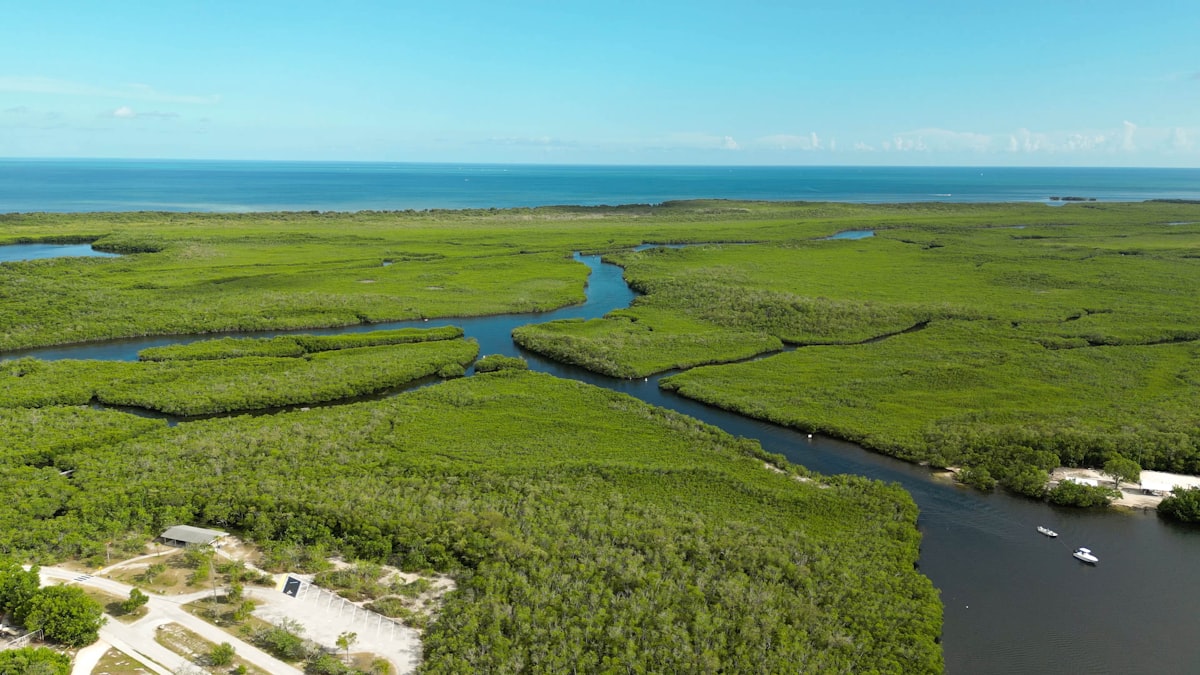

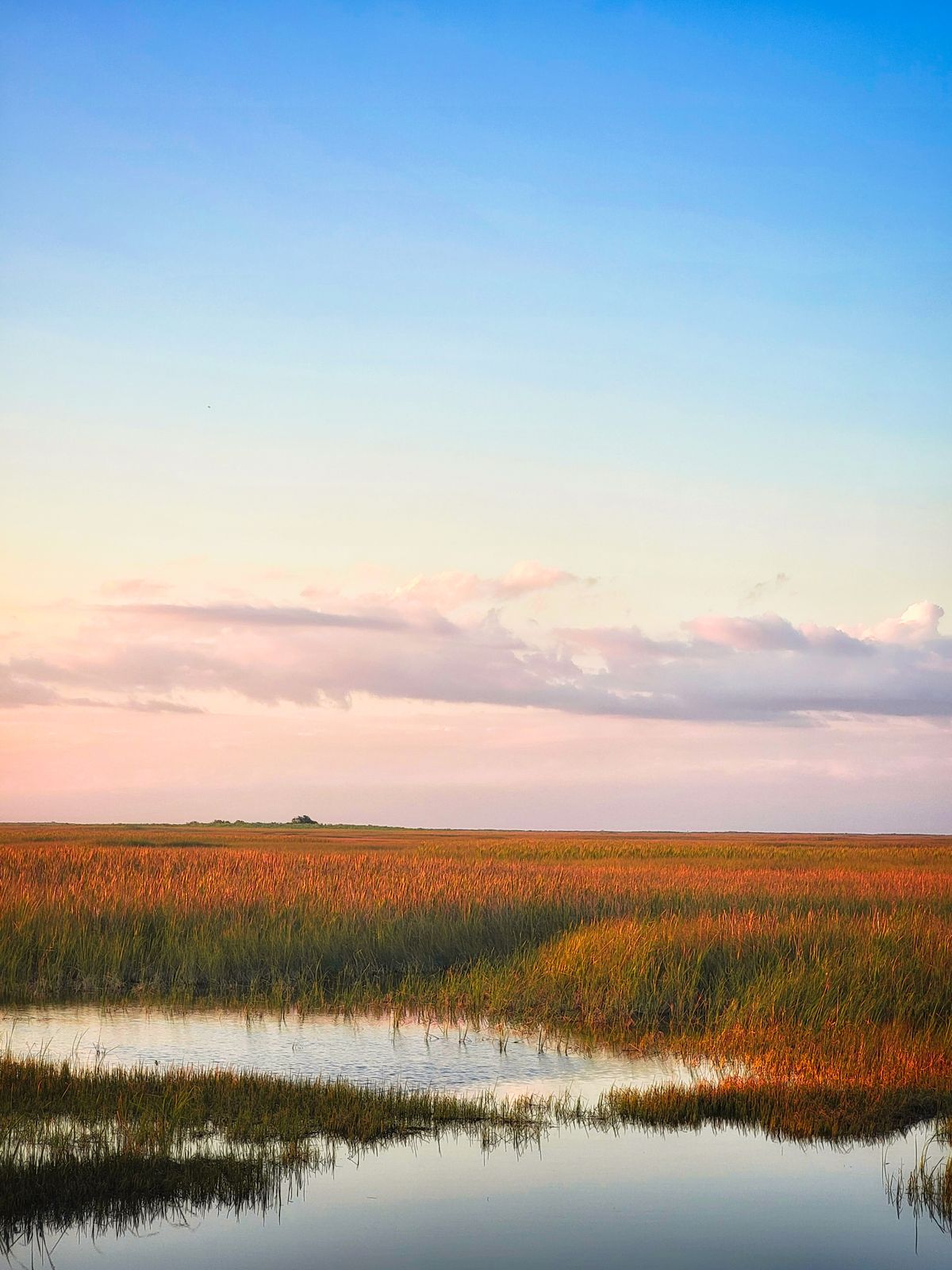
Apalachicola sits on the Florida Panhandle where the Apalachicola River, one of the largest rivers in Florida by volume, empties into a broad, shallow bay protected by St. George Island and Dog Island. The town calls itself part of the Forgotten Coast, and the name fits. There are no high-rises, no chain restaurants on the waterfront, and no traffic. What there is: a working waterfront, the most productive oyster fishery in Florida, and an inshore fishery that benefits enormously from being overlooked.
While most Panhandle anglers focus on Destin and Panama City, Apalachicola quietly produces redfish, speckled trout, and flounder in water that sees a fraction of the pressure. The fish here haven't learned to be wary, and anglers who know the bay can find consistent action from a boat, a kayak, or the shore.
Apalachicola Bay, The Oyster Connection
Apalachicola Bay produces roughly 90 percent of Florida's oysters, and that fact matters for the fishing. The oyster bars that cover the bay floor create structure, hard reef rising from the mud bottom, that holds baitfish, shrimp, and crabs, which in turn hold redfish, trout, and flounder.
Redfish relate to the oyster bars the way bass relate to structure in freshwater. They cruise the edges, root along the base, and ambush bait that washes across the bars with the tide. Fishing a gold spoon or soft plastic along the downside of an oyster bar on a falling tide is textbook Apalachicola redfishing. The fish are here year-round, with the best action in spring and fall.
Speckled trout hold over the sand potholes and deeper channels adjacent to the oyster bars. The bay's mix of fresh river water and Gulf salt creates a salinity gradient that trout respond to, they tend to be found where the water reaches the right balance. Fall and winter produce the best trout, with trophy fish (over five pounds) most common from November through February.
Flounder lie along the sandy transitions near the oyster bars and in the passes between the barrier islands. The fall flounder run (October through December) concentrates fish in predictable spots as they migrate toward the Gulf.
St. George Island, The Barrier
St. George Island stretches 28 miles along the coast, separating Apalachicola Bay from the Gulf of Mexico. The island is mostly undeveloped, the eastern half is St. George Island State Park, and the fishing access from the island covers both the bay side and the Gulf side.
The bay side of St. George offers wade fishing along grass flats and oyster bars for redfish and trout. The 600-foot fishing pier on the bay side provides free access to the water, no boat needed.
The Gulf side produces surf fishing for pompano, whiting, and red drum, plus pier fishing from the beach. The undeveloped stretches of state park beach offer solitude that's hard to find on the Florida Gulf Coast.
The Apalachicola River, Freshwater Bonus
The Apalachicola River adds a freshwater dimension that most coastal Florida towns can't offer. The river holds largemouth bass, striped bass, catfish, bream, and mullet in its deeper holes, sandbars, and oxbow lakes.
The lower river, where fresh water transitions to brackish, creates a mixing zone that holds both freshwater and saltwater species, you can catch a redfish and a largemouth bass in the same session if you fish the right stretch.
Offshore, Nearshore Reefs and Beyond
Offshore trips from Apalachicola access natural and artificial reef structure in the Gulf. Red snapper during federal season, grouper, amberjack, king mackerel, and triggerfish hold on the reefs.
Tarpon roll through Apalachicola Bay and the passes in summer, June through August. Sight-fishing for tarpon in the bay, with the old-Florida backdrop of the working waterfront and the oyster boats, is a Forgotten Coast original.
Tripletail hold under crab-trap buoys and floating debris from spring through fall, a sight-fishing target unique to this coast.
When to Go
- Spring (March–May): Redfish active, trout on the flats, cobia nearshore, tripletail on the buoys
- Summer (June–August): Tarpon in the bay, red snapper offshore, redfish and trout consistent
- Fall (September–December): The best overall, redfish peak, flounder run, trophy trout starting, comfortable weather
- Winter (January–February): Trophy speckled trout in deep holes, sheepshead on the oyster bars